
5 DIY Tasks Homeowners Often Get Wrong
Carpet cleaning, drain chemicals, exterior painting, roof patches, and repeated breaker resets—five DIY jobs where mistakes get expensive or dangerous.
DIY culture is louder than ever. Video tutorials, store workshops, and neighbor advice make almost any repair look like a Saturday project. Some jobs truly are. Others look simple on a screen and fail expensive—or dangerous—ways in real houses. This article names five DIY tasks homeowners often attempt and frequently get wrong: carpet cleaning, clogged drains, exterior house painting, roof repairs, and repeatedly resetting tripped breakers or blown fuses.
The point is not to discourage every hands-on project. The point is to recognize when “saving money” creates water damage, chemical hazards, falls, structural leaks, or electrical fire risk. When those patterns show up, stopping and hiring a licensed professional is the competent choice—not a failure of DIY spirit.
1. Carpet cleaning that leaves soap, moisture, or mold risk
Carpets collect spills, tracked dirt, and odors. Renting a machine feels like the obvious fix. Many homeowners still leave carpets worse: sticky residue from too much detergent and not enough extraction, or a damp pad that stays wet long enough for odor and mold problems to grow underneath.
Common DIY mistakes include skipping vacuuming first, using the wrong cleaner for the fiber, over-wetting, and walking on carpets before they are dry. Too little rinse leaves soap that attracts new dirt. Too much water soaks the cushion. Either way, the “clean” look can hide a problem you smell weeks later.
What to do instead of guessing: spot-test cleaners, follow fiber-care labels, and extract thoroughly if you insist on renting equipment. For large rooms, pet accidents that reached the pad, sewage-related contamination, or carpets that stay damp, a professional cleaner with proper extraction and drying equipment is the safer path. They are also more likely to tell you when a carpet is too far gone to save.
This is not a call to never clean at home. It is a warning that carpet cleaning is chemistry and moisture control, not only spraying foam until the color looks brighter.
2. Slow or clogged drains and harsh chemical “fixes”
A slow sink or shower drain tempts people toward liquid drain openers stacked at the store. Those products are marketed as easy. They are also caustic, can damage some pipes and fixtures, and often fail on the kinds of clogs that need mechanical removal. Mixing products, or following a failed chemical attempt with another, can create hazardous reactions and leave a plumber working in a more dangerous environment.
Safety warning: Do not treat chemical drain cleaners as casual DIY tools. Avoid mixing drain products. If you have already poured chemicals and the clog remains, tell any plumber what was used before they open the line. For recurring clogs, gurgling across fixtures, sewage odors, or backups, call a licensed plumber rather than escalating chemicals.
Homeowners sometimes also force plungers or improvised tools in ways that crack traps or push debris deeper. Light maintenance—strainers, careful hair removal at the stopper, avoiding grease down kitchen drains—is reasonable prevention. Clearing a serious clog, especially one involving main lines or toilets that suggest a deeper blockage, belongs with someone who can snake or camera the line without guessing.
Paying a plumber once often costs less than repairing chemically damaged piping, contaminated cabinets, or a weekend of failed bottles.
3. Exterior house painting without prep or fall safety
Painting the outside of a house looks like a big but straightforward DIY: buy paint, roll walls, admire curb appeal. In practice, failing paint jobs usually fail in preparation and safety. Dirty, chalky, or glossy surfaces reject new coats. Skipping scrape, sand, prime, and caulk steps produces peels that look worse than faded old paint. Drips on windows, landscaping, and walkways create cleanup that eats the “savings.”
Height is the sharper risk. Ladders on uneven ground, overreaching, and working alone on two-story walls cause serious falls. Wind, power lines near eaves, and unstable ladder angles compound the danger. Professional painters bring staging or lifts, fall awareness, and masking systems that protect what should not be painted.
Safety warning: Do not improvise tall exterior work without proper ladder setup, a capable helper, and respect for heights and overhead hazards. If the job requires scaffolding, steep pitches, or work near electrical service drops, hire professionals. Paint fumes and spray drift also need ventilation and neighbor-conscious planning.
Small, single-story touch-ups on sound surfaces can still be reasonable DIY when prep is honest. Whole-house exterior repaints, historic trim, lead-paint concerns in older homes, and anything that puts you far above grade are where “not doing it right” often means not doing it safely.
4. Roof repairs that belong to trained roofers
A stain on the ceiling triggers panic and a climb. Roof work combines height, slope, fragile surfaces, and weather. Stepping on the wrong panel can crack shingles or break through deteriorated decking. Misplaced sealant can trap water. Temporary patches that look dry from the attic can still channel moisture into sheathing and insulation.
Most homeowners lack fall protection, roofing-specific tools, and the diagnostic skill to find the true entry point—often upslope from the drip you see indoors. Walking a wet roof or working near power lines multiplies risk.
Safety warning: Do not climb onto a roof for DIY repairs if you lack training, fall protection, and a clear understanding of the roof system. After storms, treat damaged roofs as unstable. Protect interiors with buckets and tarps from below where safe, and call a licensed roofer for assessment and repair. Structural leaks and widespread missing shingles are not “dab of caulk” projects.
Leaving roof work to professionals protects the building and the person who would otherwise be one slip away from a life-changing injury. Document leaks with photos from safe indoor vantage points to help the roofer, rather than inventing a rooftop experiment.
5. Tripped breakers and “blown fuses” that keep coming back
Modern homes mostly use circuit breakers; older homes may still have fuse panels. When lights die after too many appliances run at once, resetting a breaker once can be normal. When the same breaker trips again and again, or fuses blow repeatedly, the house is telling you the circuit is overloaded, a device is faulty, or the electrical system itself has a problem.
A widespread DIY mistake is treating repeated trips as a nuisance to clear rather than a symptom to investigate. Keeping appliances stacked on one circuit, installing higher-rated fuses than the wiring allows (in fuse panels), or ignoring burning smells and warm outlets invites fire.
Safety warning: Never “fix” repeated trips by installing oversized fuses, bypassing breakers, or ignoring heat, buzzing, or burning odors at the panel or outlets. Do not open electrical panels or replace breakers unless you are a qualified electrician. If breakers trip repeatedly, lights flicker, or you suspect aluminum wiring, outdated panels, or water near electrical equipment, shut off affected circuits if you can do so safely and contact a licensed electrician.
What homeowners can do safely: unplug nonessential loads on a circuit that just tripped, reset once, and watch. If it trips again, stop. Note what was running. That information helps the electrician. Do not keep resetting as a lifestyle.
Electrical work is one of the clearest lines between sensible DIY (changing a light bulb on a dead circuit you understand) and hire-a-pro territory (panel issues, recurring trips, any work inside the service equipment).
How to decide what stays DIY
Ask three questions before a weekend “repair.” First: what fails if I am wrong—cosmetic annoyance, or water, fire, fall, or structural damage? Second: do I have the right tools and a way to verify the result, or only hope? Third: would a licensed tradesperson’s visit cost less than the damage pattern I might create?
Carpet cleaning gone damp, chemical drain experiments, unsafe exterior painting, rooftop improvisation, and breaker roulette share a theme. They are popular DIY topics that punish inexperience. Learning to paint a bedroom, build a shelf, or replace a faucet cartridge (where local code and your skill allow) still leaves plenty of satisfying projects.
Protect the house by matching the job to the skill. When the task involves hidden moisture, caustic chemicals, heights, roof systems, or live electrical distribution, “not doing it right” is common—and calling a professional is how careful homeowners finish the story without a larger repair bill or an injury.

Comments
Continue reading
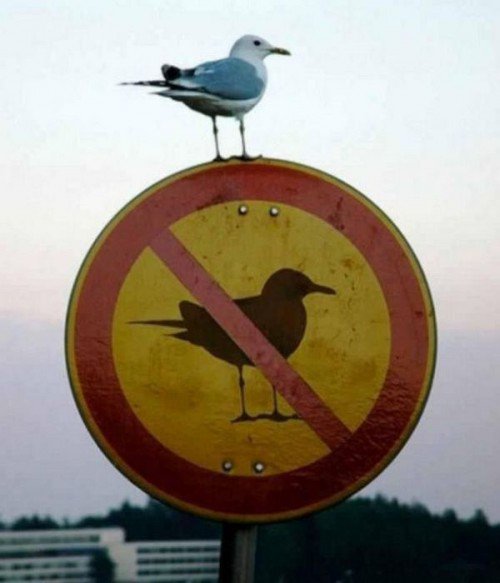
Funny Animal Signs That Warn People (While Animals Ignore Them)
From a seagull on a no-birds disc to classic zoo and park ironies—why animal warning signs get funny, and what the rules are still for.
How to Find Local Amenities on Vacation: Mechanics, Haircuts & More
Locate trustworthy local services and everyday spots while traveling or settling in—using publications, reviews, map apps, neighbor tips, and low-pressure exploration.

Kristen Stewart for V Magazine, Spring Preview 2013
V81’s Wild at Heart cover story—Kristen Stewart shot by Inez & Vinoodh, styled by Joe McKenna, in pale minimal spring glamour.