
A Collection of Fall Style Lanes: Classic, Romantic, Utilitarian, and More
Seven distinct autumn fashion directions—classic, romantic, utilitarian, preppy, bohemian, minimal, and evening—built for real weather and real weeks.
Fall is the season when wardrobes stop pretending one look can do everything. Mornings ask for layers. Afternoons shed them. Evenings want texture again. That swing is why autumn fashion collections feel less like a single trend memo and more like a set of parallel styles—each with its own silhouette, palette, and attitude—sharing the same cooler air.
What follows is a collection of distinct fall directions rather than one uniform “autumn outfit.” Use them as lanes you can enter depending on mood, climate, and calendar: classic, soft romantic, utilitarian, preppy, creative-bohemian, sharp minimal, and evening drama. The point is not to own all seven at once. The point is to recognize which lane fits the life you are actually dressing for in October through early December.
1. Classic autumn: structure, wool, and quiet polish
Classic fall style is the wardrobe’s backbone. Think tailored coats, wool trousers, turtlenecks, leather loafers or ankle boots, and colors that behave like fallen leaves without costume orange—camel, chocolate, forest, burgundy, charcoal, cream. The silhouette is controlled: defined shoulders, clean hems, belts that mean something.
This lane works for offices, family dinners, city weekends, and any day when you want to look finished without looking trendy. A single good coat does more than five clever tops. Fabrics matter more than logos: boiled wool, merino, brushed cotton, smooth leather. If a piece pills after two wears or shines at the elbows immediately, it is not classic—it is disposable.
Build a small uniform: dark denim or wool pant, fine-knit turtleneck, mid-length coat, and a boot with a stable heel. Add a scarf only if it earns its place in color or warmth. Classic style fails when it becomes costume heritage—too many crests, too much “equestrian” styling without a horse in sight. Keep the references soft; keep the cut honest.
2. Soft romantic: fluid layers and tactile knits
Romantic fall dressing trades armor for touch. Longer skirts with gentle movement, wrap dresses under coats, angora or brushed knits, soft blouses with subtle volume at the sleeve, and boots that feel walked-in rather than militant. Palette leans rose-brown, dusty plum, oat, muted berry, and washed denim.
The risk is looking fragile in weather that is not. Solve it with practical underlayers: opaque tights, a warm base tee beneath a blouse, a coat with real buttons and pockets. Romantic does not have to mean cold. It means the outfit’s emotional temperature stays gentle while the physical temperature stays managed.
Hair and jewelry stay light—small gold, a thin chain, soft waves or a loose twist. The look should suggest ease, not a photoshoot struggle with wind. If your city is truly harsh in November, let the romance live in knit texture and skirt movement while the outer shell stays seriously warm.
3. Utilitarian cool: function that still photographs
Some autumns are muddy, windy, and full of transit. Utilitarian style answers with chore coats, field jackets, cargo-adjacent trousers that are actually cut well, sturdy sneakers or lug-sole boots, canvas totes or crossbodies that survive rain, and layers you can vent when indoor heat spikes.
Color stays grounded: olive, black, sand, navy, rust. Details do the talking—storm flaps, reinforced elbows, matte hardware. This is not costume camping. It is city function with better proportions. Cropped lengths, clean sneakers, and one refined knit under a tough jacket keep the look from tipping into costume surplus.
Utilitarian fall shines for travel days, outdoor markets, dog walks that turn into coffee, and any schedule where you refuse to baby your clothes. Choose fabrics that forgive: waxed cotton, robust twill, technical shells that do not scream gym. If a pocket cannot hold a phone and keys without distorting the hip line, skip it.
4. Modern preppy: collegiate codes, updated scale
Preppy autumn is cable knits, oxford cloth, pleated skirts or tailored shorts with tights, blazers, loafers, and the occasional stripe that knows when to stop. Updated preppy drops the costume crest overload and plays with proportion: oversized blazer over slim pant, mini with opaque tights and a long coat, rugby stripe under a charcoal overcoat.
It thrives in transitional weather and social calendars—campus-adjacent cities, weekend lunches, creative offices that still notice a collar. Keep one foot in polish: pressed shirts, clean shoes, intentional color blocking rather than rainbow chaos.
Where old preppy can feel exclusionary or dated, modern preppy feels like a remix. Mix thrifted blazers with new knitwear. Wear the loafers with socks you chose on purpose. Let denim replace khakis when the day is casual. The code remains: neatness, layering, and a little schoolyard memory rendered for adult life.
5. Bohemian texture: pattern, fringe, and collected layers
Bohemian fall is richest when it respects warmth. Long cardigans, printed midi dresses over boots, suede or faux-suede jackets, layered necklaces that do not tangle into a hazard, wide-brim hats on dry days, and earthy prints that look gathered rather than matched from one drop.
The trap is costume festival leftovers in forty-degree wind. Edit. One strong pattern plus solids usually beats three competing prints. A lined coat over a floaty dress is not selling out—it is surviving. Choose boots with grip. Choose bags that close. Bohemian style should feel collected from a life, not assembled from a single themed aisle.
This lane loves markets, galleries, creative workplaces, and weekends with nowhere urgent to be. It also loves secondhand finds: a worn-in leather belt, a vintage scarf, a sweater with honest age. New-everything boho often looks flatter than one excellent old piece among quieter partners.
6. Sharp minimal: less color, more cut
Minimal fall is monochrome or near-monochrome—black, stone, ivory, deep gray—with obsessive attention to line. Column coats, precise trousers, architectural knits, sleek ankle boots, and bags with quiet hardware. Texture replaces pattern: rib against smooth, matte against slight sheen.
Minimalism fails when it becomes emptiness: cheap thin fabrics in “simple” shapes that collapse by noon. It succeeds when the few pieces you own are cut and finished well enough to carry a whole day. Tailoring, hemming, and shoe care are part of the aesthetic, not optional extras.
Wear this to design offices, evening city walks, travel when you want one capsule to mix endlessly, and any week you are tired of deciding. A minimal wardrobe is a decision system. If a new piece does not talk to three things you already own, it does not enter.
7. Evening autumn: darker romance after dark
Fall nights invite richer fabrics—velvet, satin with weight, fine wool dresses, leather that looks intentional under restaurant light. Deep jewel tones and black dominate. Coats become part of the outfit rather than something abandoned at the door: a long wool wrap, a leather trench, a sculptural cape-like collar.
Keep comfort in the plan. Block heels or sharp flats often beat spike heels on uneven sidewalks. A warm underlayer beneath a sleek dress is invisible strategy. Jewelry can go slightly bolder than daytime without turning into costume armor.
Evening autumn is not only formal invitations. It is also the Friday dinner that deserves more than your commute sweater. The shift can be small: swap sneakers for polished boots, add a defined lip, exchange a puffer for a structured coat. Style is often a two-item change executed with confidence.
How to mix lanes without muddying them
Most real closets are hybrids. A utilitarian jacket over romantic knitwear can look excellent. A preppy shirt under a minimal coat can look current. The rule is hierarchy: let one lane lead and the others support. If everything shouts a different subculture at once, the outfit reads like a thrift pile, not a point of view.
Climate is a co-author. Dry cold favors wool and layering theater. Wet cold favors treated outer shells and dark colors that hide splash. Mild falls let fabric fashion lead; harsh falls make insulation non-negotiable. No style lane gets a free pass from weather.
Also edit for your calendar density. If your week is meetings and school runs, classic and utilitarian will carry more days than full evening drama. Keep the romantic and bohemian pieces for weekends when you have time to enjoy them. Wardrobes fail less from lack of trends than from mismatch between clothes and actual hours.
A practical way to use this collection
Pick two primary lanes for the season and one accent lane. Buy or revive pieces that serve those lanes first: one serious coat, two pairs of shoes that handle your sidewalks, three tops that layer, and bottoms that fit your real movement—sitting, walking, commuting. Then add one expressive item—a print, a rich knit, a sharper evening piece—so the wardrobe still has a pulse.
Fall style collections used to live as moodboards on old collage sites; what lasts is not the collage software but the clarity of distinct directions. Classic, romantic, utilitarian, preppy, bohemian, minimal, evening—seven ways to meet the same cooler air with different intentions. Choose the ones that feel like you on a Tuesday, not only like a fantasy on a Sunday scroll. When the temperature drops, the best outfit is still the one you will actually wear outside.

Comments
Continue reading
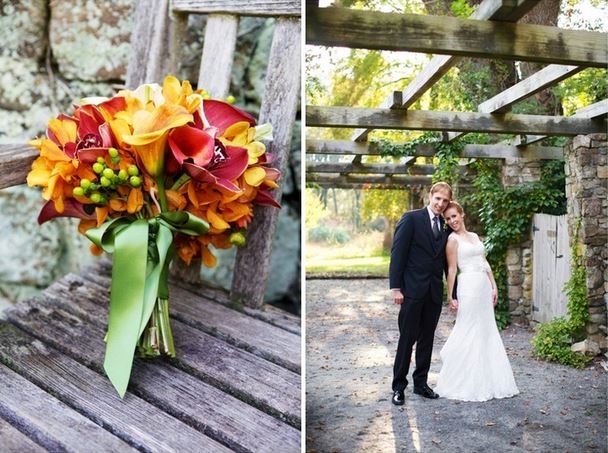
Warm and Earthy Fall Wedding Bouquets
Rust, burgundy, amaranthus, and garden texture — how to build seasonal bridal bouquets that feel like autumn, not forced pastels.
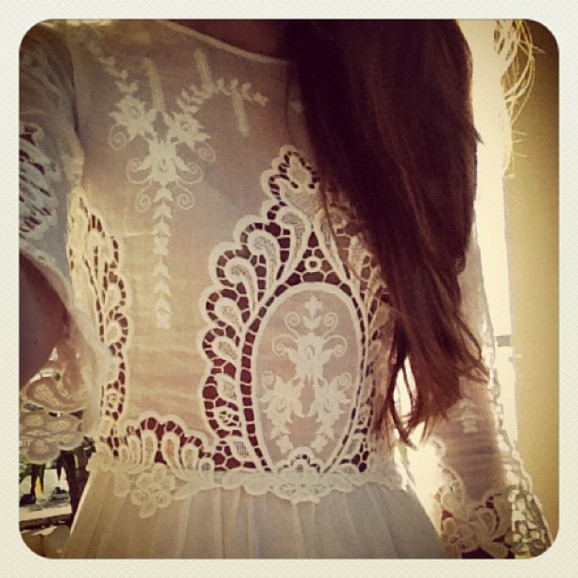
Lace Beauty: Elegant, Vintage & Hot Lace Styling
A lace wardrobe styling guide—bodice motifs, capelet overlays, sheer heat, and cream-to-blush looks to spice up elegant vintage outfits.
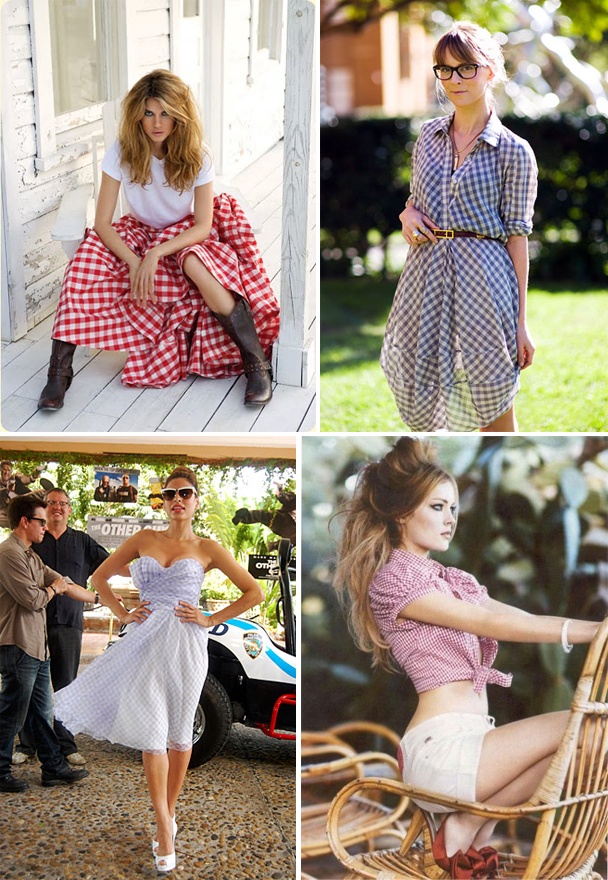
Gingham for Fall ’13: Why the Picnic Check Went Seasonal
How gingham moved from summer shorthand into Fall 2013 wardrobes—scale, color, silhouettes, and ways to wear the check without looking costumed.