
Lace Beauty: Elegant, Vintage & Hot Lace Styling
A lace wardrobe styling guide—bodice motifs, capelet overlays, sheer heat, and cream-to-blush looks to spice up elegant vintage outfits.
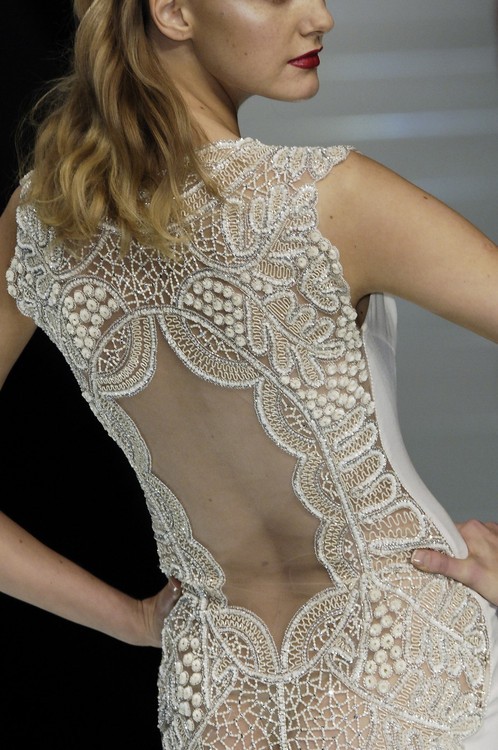
Lace is one of the few fabrics that can look heirloom and provocative in the same outfit. A cream bodice with floral medallions feels bridal until sheer panels show skin; a scalloped capelet looks demure until it sits over a fitted gown; a short lace dress can read vintage tea party or after-dark, depending on heels and hair. This gallery is a wardrobe mood board for lace clothes—elegant, vintage-leaning, and unapologetically hot when the cut wants it—built around the looks in the photographs below.
Use it as a styling guide rather than a shopping list. Notice construction, opacity, and proportion. Lace succeeds when you decide what it is doing: ornament on top of coverage, sheer revelation framed by denser motifs, or all-over texture that replaces print. The images here favor romantic off-whites, soft studio light, and feminine silhouettes that still photograph with heat because lace never fully hides what it covers. Elegant, vintage, and a little dangerous—that is the brief. Spice a wardrobe with lace the way these frames do: one statement piece at a time, balanced by simple hair, quiet jewelry, and enough skin strategy to keep the fabric from looking costume-only.
Start with the bodice story
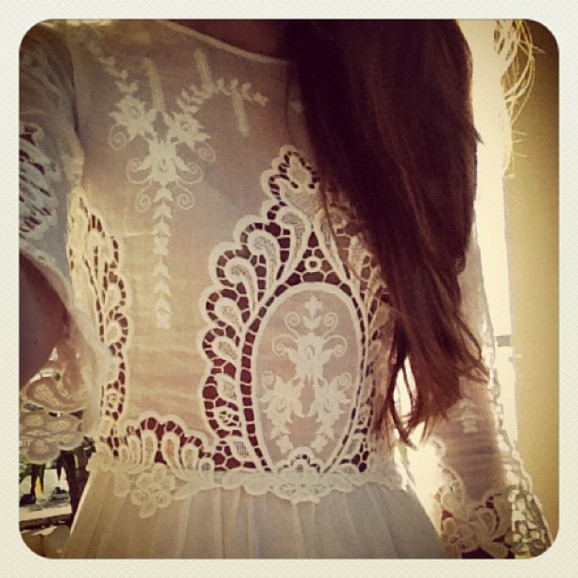
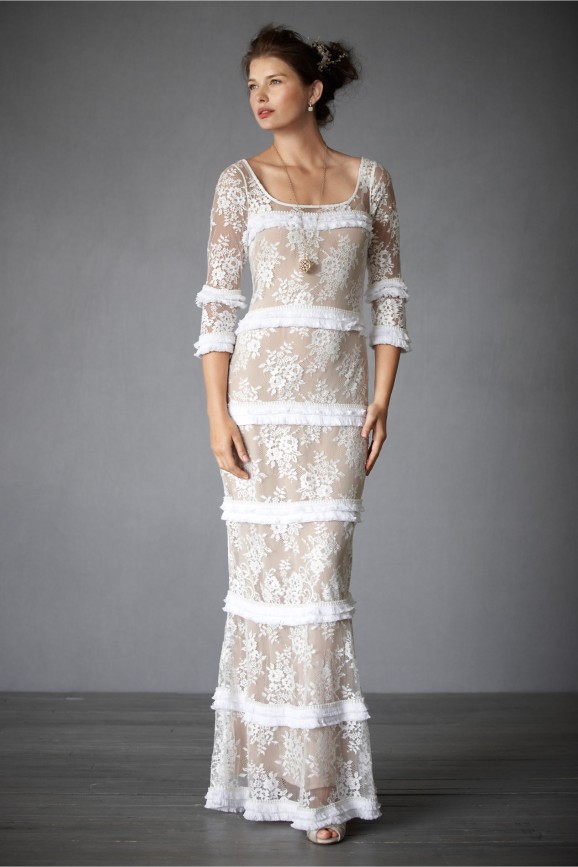
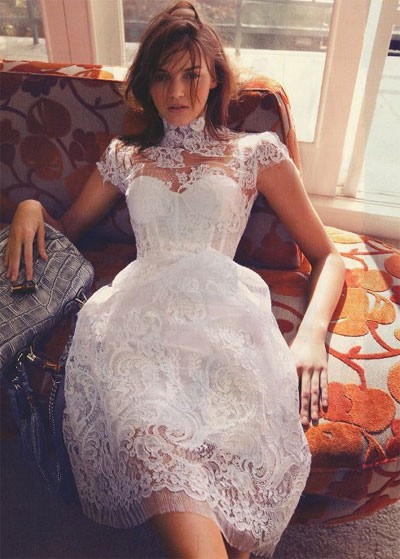
The opening look is a masterclass in lace hierarchy. A high rounded neck and long sheer sleeves suggest modesty, but the center of the bodice is an oval floral medallion framed by scalloped openwork, with vine motifs radiating toward the shoulders. A scalloped band locks the waist before the skirt gathers into softer fabric. That is how elegant lace earns its drama: dense embroidery where you want attention, mesh where you want light, structure where you want shape. The dress manages to feel Victorian-revival and modern at once because sheer panels keep it from becoming a museum piece.
Styling takeaway: if a lace dress already has a loud central motif, keep jewelry minimal and let hair fall simply over one shoulder. The garment is doing the talking. Pair with bare legs or sheer nude hosiery rather than competing patterns. For day, flat sandals cool the romance down; for evening, a narrow heel turns the same dress hotter without changing a single stitch. Makeup should follow the same rule—soft lip and clean skin for elegant vintage, deeper lip when you want the lace to smolder.
Capelets, overlays, and the vintage shortcut
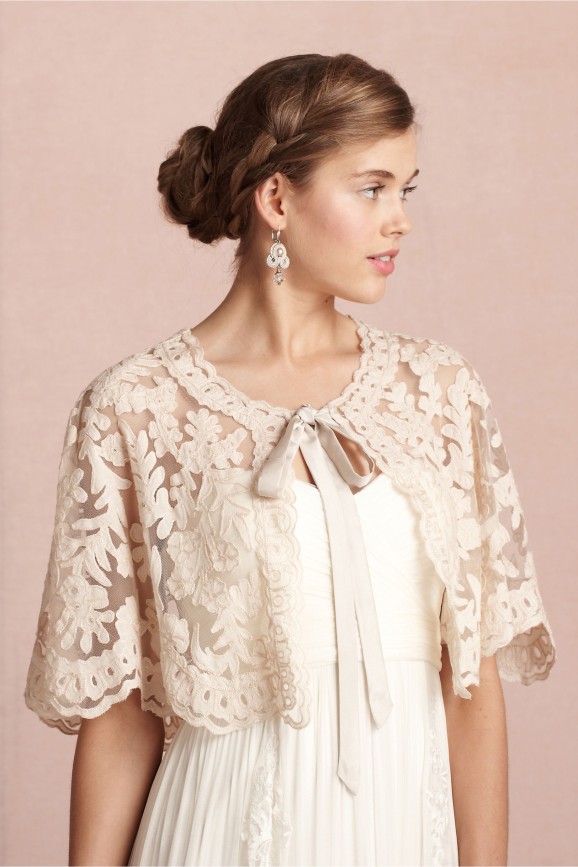
Not every lace moment needs a full dress. A cream floral capelet with scalloped edges, tied in a slim satin bow at the collarbone over a pleated white gown, delivers instant heirloom energy. Braided updos and pearl drop earrings reinforce the bridal-vintage register without requiring an actual wedding. This is the elegant lane of lace styling: additive, removable, and friendly to clothes you already own. Guipure-like density in the capelet reads as craft; the ribbon keeps it from stiff formality.
Try the same logic with a modern wardrobe. A lace bolero over a slip dress, a lace collar over a black knit, or a short lace jacket over denim can borrow nostalgia without trapping you in costume. The bow matters more than people admit—soft ribbon keeps lace from reading stiff. If you want the look hotter, skip the updo and wear loose waves; the garment stays vintage while the attitude shifts. Overlays are also the most budget-friendly way to “spice up” a wardrobe: one strong lace layer refreshes multiple bases.
When lace should feel hot
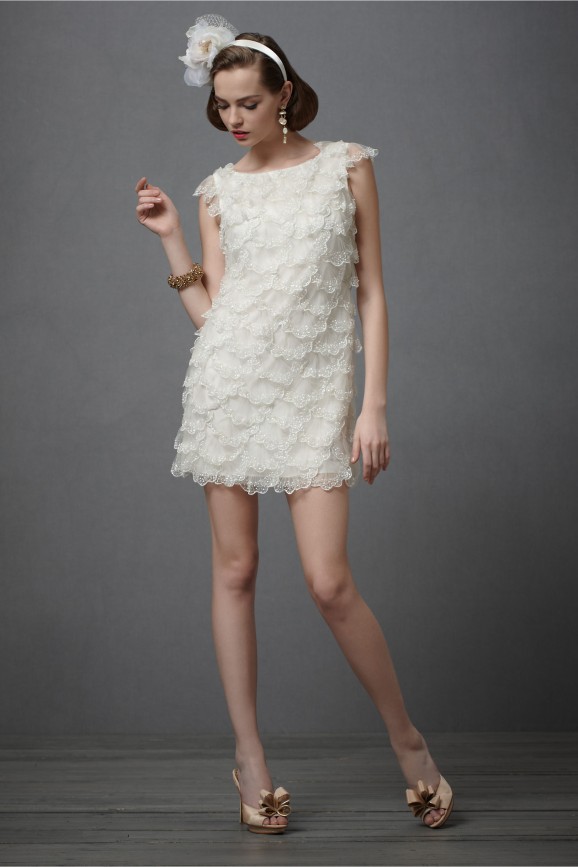
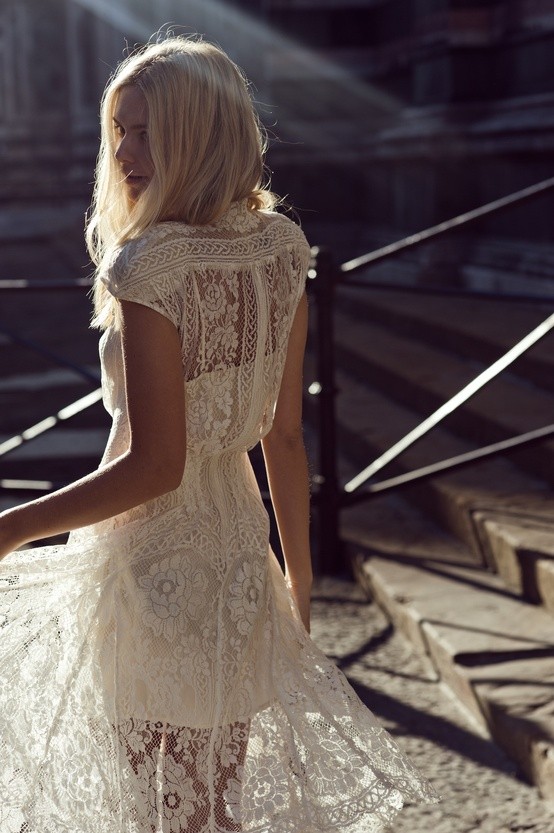
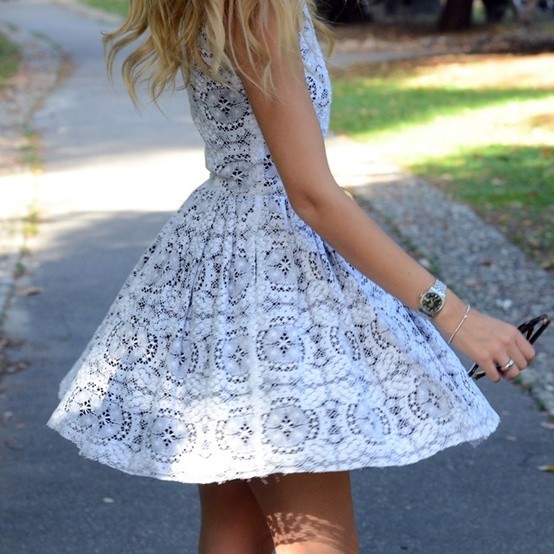
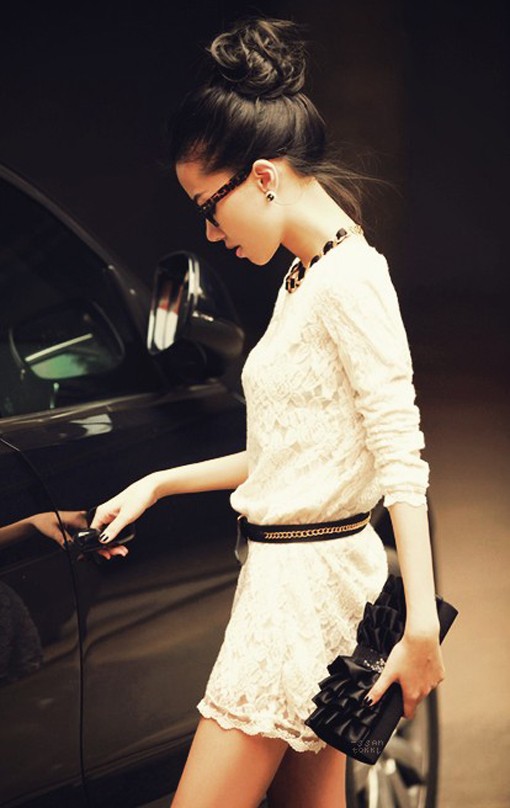
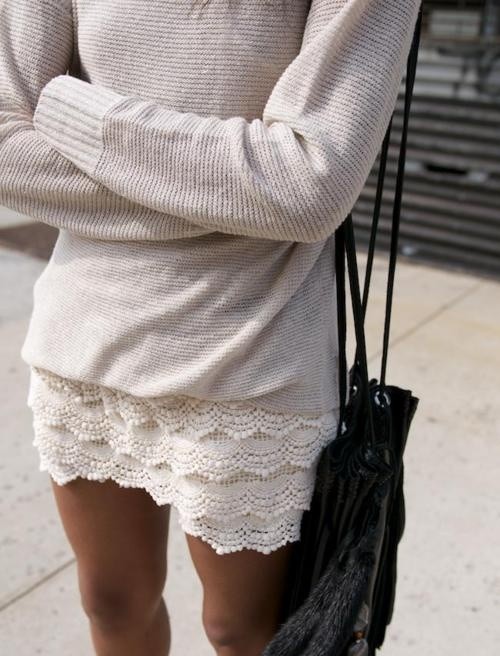
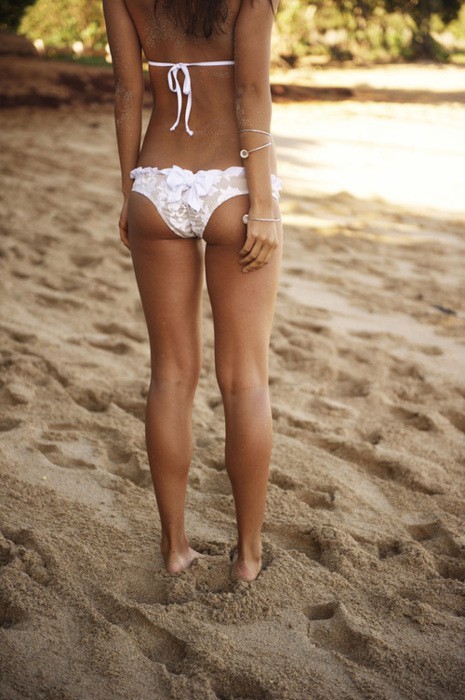
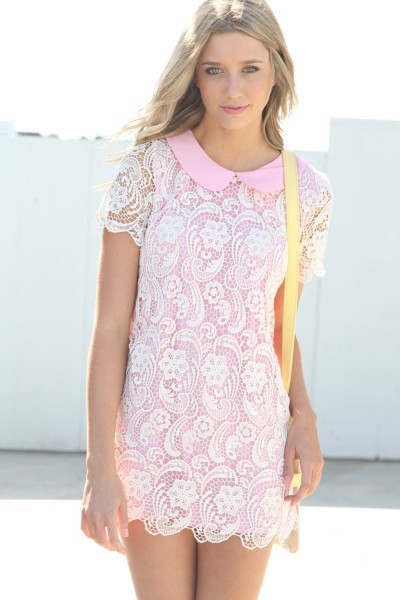
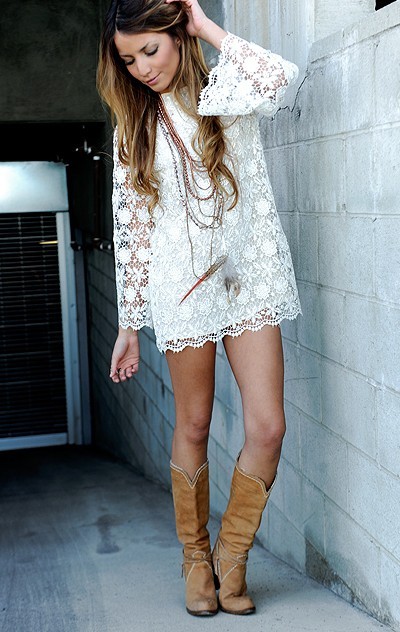
“Hot” lace is usually a question of opacity and cut, not of abandoning elegance. Shorter hems, deeper necklines, body-skimming slips under openwork, or high-contrast lingerie tones under cream lace push temperature up while the fabric’s craft still looks refined. Black lace over skin reads night-ready; ivory lace over a nude slip can look equally charged because the eye completes the body beneath the pattern. The gallery’s softer cream dresses prove that heat does not require black—sometimes revelation inside pale lace is more intimate.
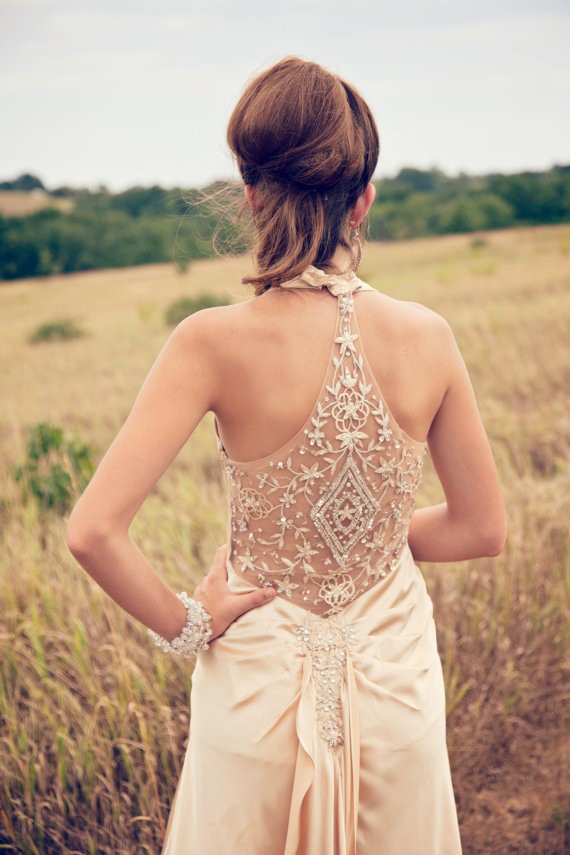
Proportion keeps the look intentional. If the lace is busy from neck to hem, simplify shoes and bags. If the lace is a mini or a sheer blouse, you can afford a stronger lip or a sculpted heel. Soft pink and cream backdrops in several frames show how romantic lighting sells sensuality without needing club staging. Study where the densest motifs sit—often over the bust or hip—and copy that placement when you choose pieces. Lace directs the gaze whether you plan it or not; good styling simply plans it first.
Color, care, and everyday wear
Most of these frames live in an ivory-to-blush world, which is lace’s classic flattery zone for skin and photography. That does not mean your wardrobe must. Black lace is the urban default; deep burgundy or forest lace can look jewel-box vintage; white lace against a tan reads summer resort. What matters is cleaning and lining. Guipure and embroidered lace hate careless washing; hang pieces, steam gently, and use slips when motifs are open enough to need them. A ruined scalloped edge is expensive nostalgia.
For work-adjacent dressing, try lace as a blouse under a blazer, or a lace skirt with a solid knit. For weekends, a lace midi with leather jacket breaks sweetness. For evening, let lace be the whole sentence—dress, capelet, or coordinated set—and stop adding competing shine. The photographs reward that restraint: one fabric language, soft light, clear silhouette. Vintage does not have to mean fragile performance; it can mean choosing lace that looks collected rather than trend-chasing.
A quick lace edit for your closet
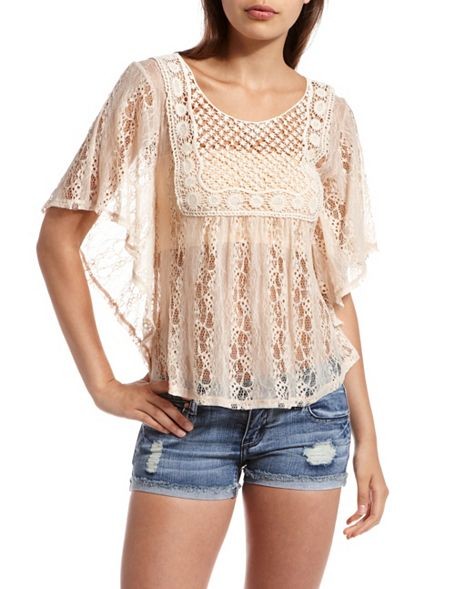
Build a small lace capsule instead of one overwhelming gown you never wear. The gallery already sketches the categories: structured event dress with a clear waist and bodice motif; overlay pieces such as capelets or boleros for vintage lift; sheer blouses you can tone down with a cami or heat up alone at night; shorter or body-skimming pieces when you want lace to read hot rather than bridal; and neutral lingerie or slips so openwork never becomes an accident. Five pieces, many moods.
- Event dress: medallion bodice, defined waist, soft skirt—elegant first.
- Overlay: scalloped capelet or bolero with a ribbon tie—vintage lift on plain bases.
- Sheer blouse: day under a jacket, night alone—temperature dial.
- Short or skim: for the hot register without abandoning craft.
- Slips and neutrals: invisible infrastructure that makes lace intentional.
Then match the finish to the mood in these pictures: soft updo and pearls for elegant vintage; loose hair and a sharper heel when you want the same lace to smolder. The fabric already knows both languages. Your job is choosing which one to speak tonight—and letting the motifs, not the accessories, carry the sentence.

Comments
Continue reading
15 Vintage Wedding Hairstyles: Finger Waves, Bouffants, and Birdcage Veils
Fifteen vintage bridal hair looks—from 1920s finger-wave faux bobs to 1960s bouffants, victory rolls, and Hollywood waves with birdcage veils.
Vintage Hairstyles by Decade—Waves, Rolls, Flips, and Wearable Volume
A practical tour of 1920s waves through seventies feathers: silhouettes, tools, and how to wear period hair without a full costume.
Anna Campbell’s 2013 Gossamer Made-to-Measure Bridal Collection
A historical look at Anna Campbell’s 2013 Gossamer made-to-measure wedding gowns—French-romance fit, crystal shoulders, bone color, and the Australian atelier moment.