
15 DIY Leather Projects Worth a Weekend
Fifteen leather DIY ideas—bracelets, luggage tags, wraps, jewelry, patches, and more—built from scraps, old belts, and simple hand tools.
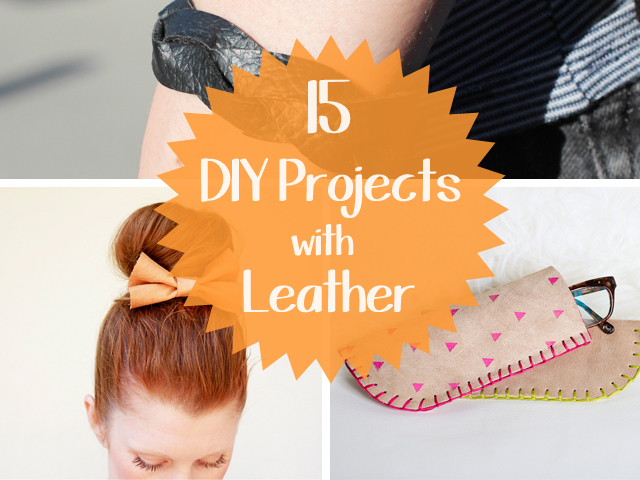
Leather scrap is patient material. An old belt, a worn jacket panel, or a remnant from a craft store can become jewelry, travel gear, or a small household object that ages better than most weekend crafts. The fifteen DIY leather projects below stay practical: bracelets, boxes, clips, wraps, tags, bows, sandals, collars, keyrings, patches, cases, bookmarks, and a couple of playful finishes. Soften stiff scraps with conditioner, cut with a sharp blade on a protected surface, and punch holes before you stitch whenever you can.
Vegetable-tanned leather takes stamps and dye cleanly; chrome-tanned scraps from garments are softer and better for wraps and bows. Neither forgives a dull knife. Mark lightly with a soft pencil or awl, then commit.
1. Leather bracelet
Cut a strip to wrist length plus overlap, punch for snaps or lace it with cord through evenly spaced holes. Emboss a short word, leave the surface plain, or braid three thin strips for texture. Edge-burnish if you want a polished look; raw edges suit a rugged stack. Test fit before setting permanent snaps—leather does not stretch back the way elastic does.
2. Jewelry box
A small leather-wrapped box starts with a rigid core: wood, cardboard, or a thrifted tin. Cover exterior panels with adhesive-backed leather or contact cement applied thinly and evenly. Line the interior with felt so rings do not scratch. Add a simple strap closure or a magnetic snap. Keep corners mitered or carefully overlapped so bulk does not fight the lid.
3. Heart hair clip
Cut a small heart from thin leather, punch or glue it to a metal barrette blank, and optionally stitch a second layer for stiffness. Round the edges so hair does not catch. For thick hair, use a stronger clip base; decorative leather alone will not hold a heavy twist. A dab of clear sealant on cut edges reduces fray on split leather.
4. Leather-wrapped vase
A cylindrical glass or ceramic vase wrapped in a leather sleeve looks intentional on a shelf and protects surfaces from cold glass. Cut a rectangle to height and circumference, lace the back seam with contrasting cord, or glue the overlap if you prefer a clean column. Do not soak leather that will sit near water; keep the wrap decorative and wipe spills quickly. Dry flowers are safer partners than constantly wet stems if the leather is untreated.
5. Luggage tag
Luggage tags are ideal first stamp projects. Cut a rectangle or shield, punch a slot for a strap, emboss initials, and add a clear window sleeve for an address card if you want removable info. Use a firm temper so the tag survives baggage handling. Attach with a screw-post strap or a knotted cord rated for travel abuse—not a decorative ribbon that will shred on a carousel.
6. Leather bow
Bows work as shoe clips, bag accents, or hair pieces. Cut a strip, pinch the center, wrap a smaller band around the pinch, and secure from behind. Thin garment leather folds more easily than thick belt hide. Keep proportions modest; oversized leather bows can look costume-heavy unless the rest of the outfit is simple.
7. Barefoot sandal and shoe enhancer
Barefoot sandals use toe loops and ankle ties cut from soft leather lace or flat cord. Measure around the second toe and ankle, knot or rivet junctions so they do not slip, and leave enough length to tie securely. The same aesthetic—straps, small hardware, a focal charm—can enhance closed shoes as removable clips. Prioritize comfort: unfinished edges against skin will blister on a long walk.
8. Collar necklace
A Peter Pan–style leather collar sits at the neckline like a removable accessory. Cut a crescent or rounded collar shape from medium-weight leather, finish the neck edge smoothly, and close with a ribbon, hook, or button loop. Keep the outer curve graceful; jagged cutting shows immediately on a shape this close to the face. Wear over crew necks or open collars depending on how graphic you want the line.
9. Hexagon necklace
Geometric pendants reward careful templates. Cut identical hexagons, optionally layer two for stiffness, punch a top hole or set a jump ring through a drilled corner, and hang on a simple chain. Paint or dye one face if you want color without hiding the grain. Symmetry matters—trace from a paper hexagon rather than freehanding six sides.
10. Tassel keyring
Cut fringe into a leather rectangle, roll it tightly around a jump ring or key fob loop, and stitch or bind the head so the roll cannot unwind. Trim fringe even after assembly. Pair with a sturdy split ring. Tassels scuff in pockets; that patina is part of the look, not a flaw.
11. Elbow patches
Elbow patches rescue sweaters and jackets while adding a tailored signal. Cut ovals or shields, pin to the garment with arms bent to find the true wear point, and stitch by hand or machine with a leather needle if the patch is thick. Faux-leather iron-ons exist for non-sewers, but real leather stitched on lasts longer through washes—check care labels before committing.
12. Glasses case
A slipcase for glasses needs soft contact on the inside and enough structure outside to resist crushing in a bag. Fold a pattern around your frames with clearance, stitch or lace the sides, and optionally add a lining. Avoid unfinished rivets inside the case. Test closure with the actual glasses; temples and hinge width surprise people who pattern from memory.
13. Painted leather bookmark
A long leather strip, sealed paint or ink motif, and a clean tip make a bookmark that outlasts paper. Keep paint thin so the strip still flexes between pages. Punch a tassel hole at the top if you want cord. Wipe leather conditioner lightly on unfinished areas so the bookmark does not dry and curl.
14. Leather bow tie
A leather bow tie—or a bow mounted on a belt strap—reads formal-playful. Use thinner leather than belt stock, build the bow separately, and attach to an adjustable neck band or clip. Comfort matters at the throat; thick edges will dig. Reserve this for events where a fabric bow feels too expected and a leather one fits the rest of the outfit.
15. Moustache keychain
A stamped or cut moustache shape on a keyring is pure novelty with a weekend time budget. Cut the silhouette carefully, smooth edges, punch for a ring, and optionally paint tips for contrast. Gift it with a shrug; the joke lands harder when the craftsmanship is clean.
Working leather without a full studio
You do not need a full leather shop for these projects. A cutting mat, utility knife with fresh blades, edge beveler or sandpaper, hole punch, mallet, needles, waxed thread, and contact cement cover most of the list. Practice cuts on scraps. Dye in a ventilated space. Oil finishes change color—test on a hidden corner.
Sort scraps by thickness the day you bring them home. Bracelet and bookmark stock differs from luggage-tag stock. Label bags by weight so future you does not force a soft scrap into a hard job.
Start with a luggage tag or bookmark if you are new; move to bracelets and tassels once hole placement feels natural; save collars, cases, and wrapped boxes for when glue and stitch lines no longer intimidate you. Leather remembers every rushed cut. Slow down at the marking stage, and the finished object will look like it came from a maker who meant it—even if the whole project fit inside one weekend.

Comments
Continue reading
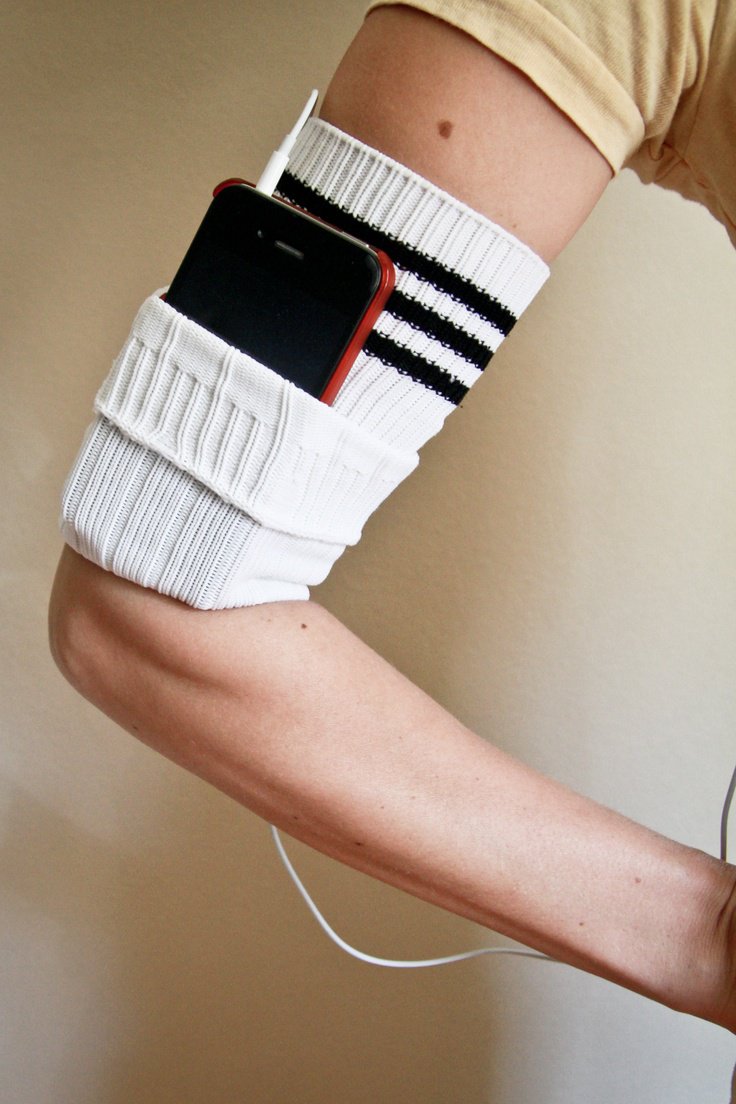
DIY Ideas for Old Socks: Rugs, Puppets, Mittens, and More
Sort leftover socks by fiber, then turn them into braided rugs, hand puppets, soft toys, mittens, and pin cushions with practical cutting and sewing tips.
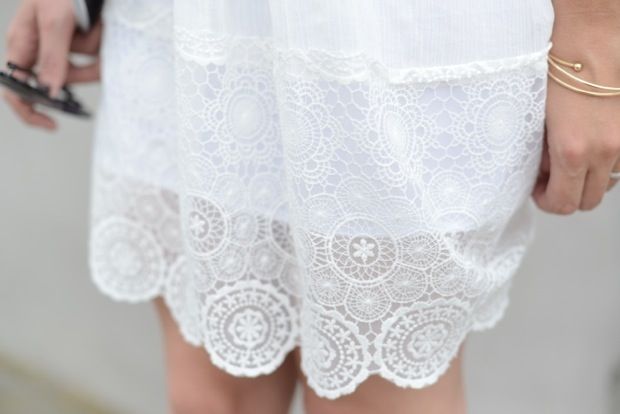
DIY Ideas with Lace Doilies
Upcycle heirloom lace doilies into framed art, runners, pillows, lamps, and more—practical craft projects that keep the crochet visible.
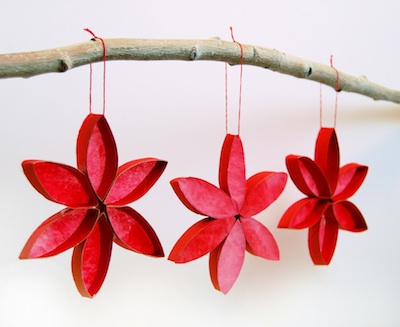
Toilet Paper Roll Crafts: Organizers, Toys, and Ornaments
Cardboard tubes become pencil holders, wreaths, cord cubbies, monsters, race cars, ornaments, and more—structural DIY distinct from magazine-page crafts.