
13 Creative Ways to Use Chalkboard Paint and Boards at Home
Menus, labels, calendars, kids’ walls, party signs, and more—thirteen practical chalkboard ideas with finishing and upkeep tips.
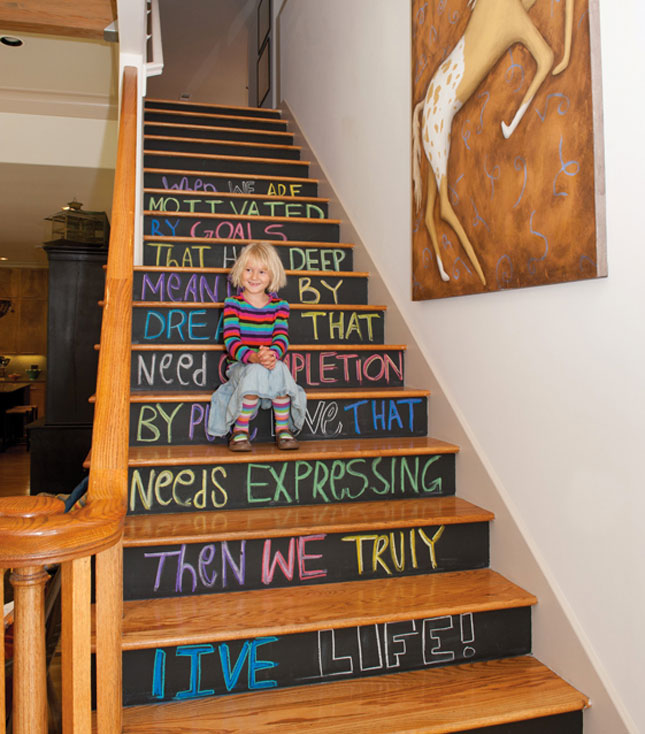
Chalkboard paint and ready-made chalk panels turn blank surfaces into places you can rewrite: menus, reminders, labels, party notes, and kid drawings that wipe away when the week changes. Unlike printed vinyl, a chalkboard invites revision. That is the real advantage—provided the surface sits where people already pause, and provided you treat curing and cleaning as part of the project, not an afterthought.
The thirteen ideas below keep the original inspiration photos and focus on uses that earn their wall space. Prime smooth, clean surfaces. Apply chalkboard paint in thin coats per the can, then season most formulas with a light chalk rub before the first real writing. Use real chalk or chalk markers designed for the surface; test markers on a corner if you need reliable wipeability. Keep a damp cloth and a small eraser nearby so the board stays inviting instead of permanently smudged.
1. Kitchen menu and grocery board
Hang a framed chalkboard near the kitchen and rewrite the week’s dinners, lunch notes, or a running grocery list. Divide the board into columns if multiple people cook. Large lettering beats tiny scripts no one can read from the fridge. Wipe on shopping day and start again. Add a small “use first” corner for leftovers so food does not disappear behind newer plans. This single habit often justifies the whole chalkboard trend in a busy household.
2. Pantry and jar labels
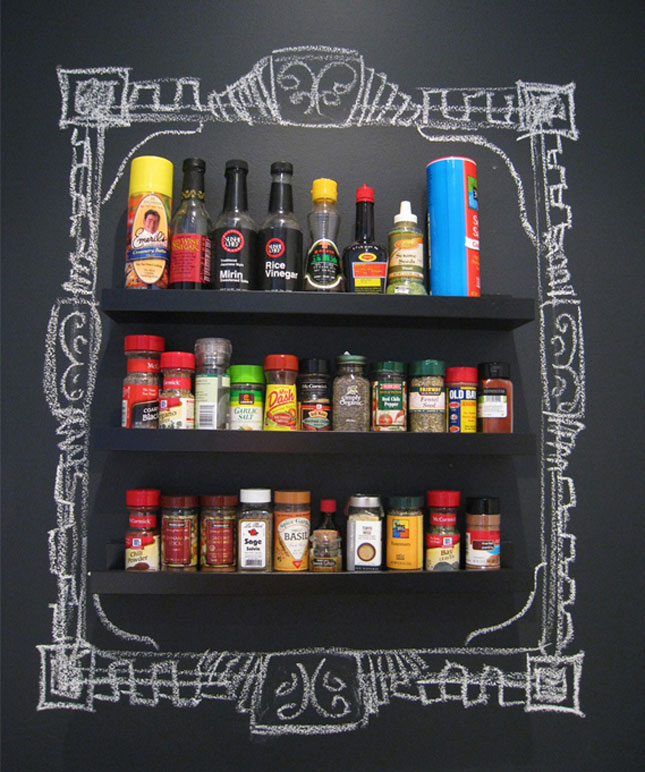
Paint small stick-on labels or the lids of canisters with chalkboard paint so contents can change without new stickers. Write flour, rice, coffee, or spice blends in chalk marker for sharper lines. Re-season tiny surfaces if chalk ghosts after many erasures. Keep a white chalk stub in the pantry so labeling does not require a scavenger hunt. Date bulk buys lightly in a corner of the label when freshness matters.
3. Family calendar wall
Draw a simple month grid and fill in practices, trips, and due dates. Color-code with chalk markers by person if the household is busy. Photograph the board before wiping if you need a digital backup. Remake the grid lightly in pencil-style chalk guidelines so redrawing each month is faster. Place it where everyone actually looks—near keys or breakfast, not a forgotten hallway—and leave a thin strip below the grid for next-month heads-up notes.
4. Kids’ drawing station
A low chalkboard wall or easel panel gives children a legal place to draw big. Tape off a clean rectangle, paint, and add a chalk ledge with a lip so sticks do not roll under furniture. Set rules about shoes and wet hands. Wipe with a damp cloth at day’s end. Compared with paper stacks, the mess stays local and the canvas resets. If dust bothers allergies, switch to dustless chalk and wipe more often rather than abandoning the station.
5. Party and wedding signage
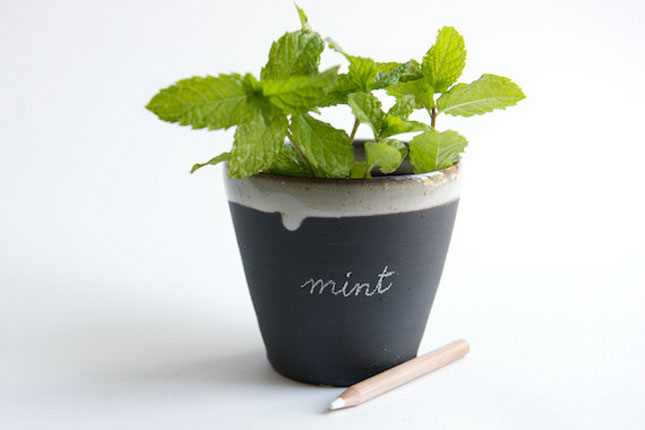
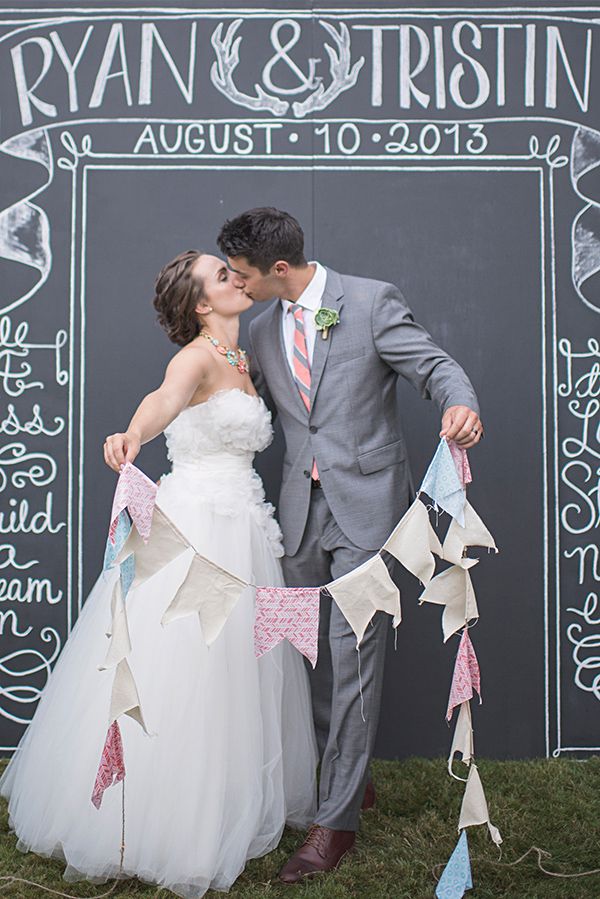
Welcome signs, bar menus, seating notes, and photo-booth prompts look warm on chalkboard when lettering is planned. Sketch layouts on paper first. Use chalk markers for permanence through a humid evening, or regular chalk if you want easy edits. Frame the board so it photographs cleanly. After the event, erase and reuse for the next gathering instead of buying foam signs that live one night and then clutter a closet.
6. Door or entry message board
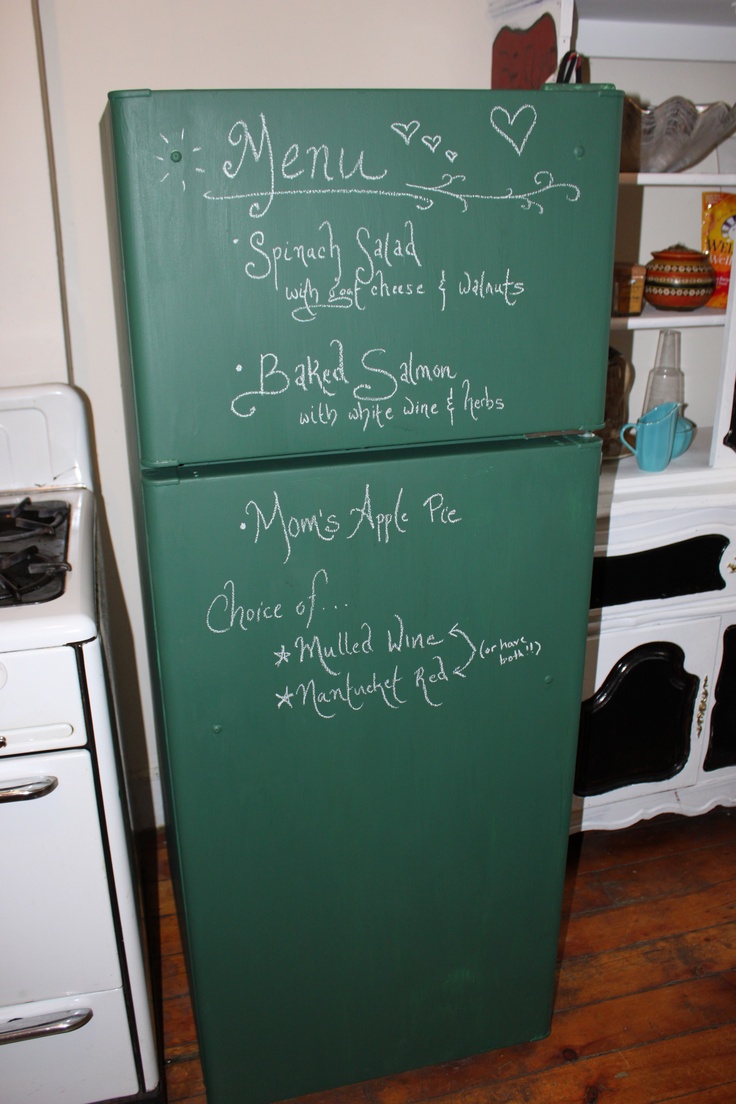
Mount a chalkboard on or beside the front door for delivery notes, “back at 6,” or weekend plans roommates need to see. Keep messages short. A small board beats a wall-sized one in a narrow entry. Magnetic chalkboards add key-hook potential if you choose a product that supports both functions. Wipe outdated notes the moment they expire so the board does not become a museum of forgotten instructions.
7. Serving tray or table runner strip
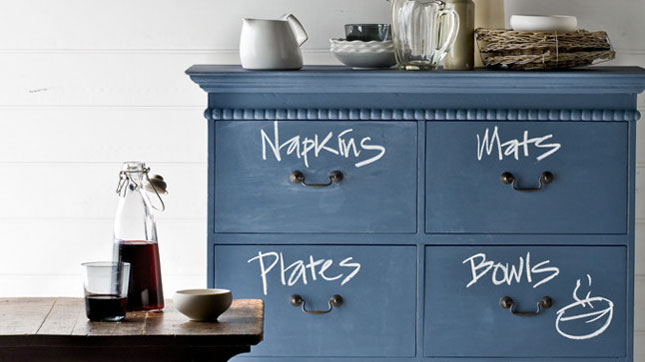
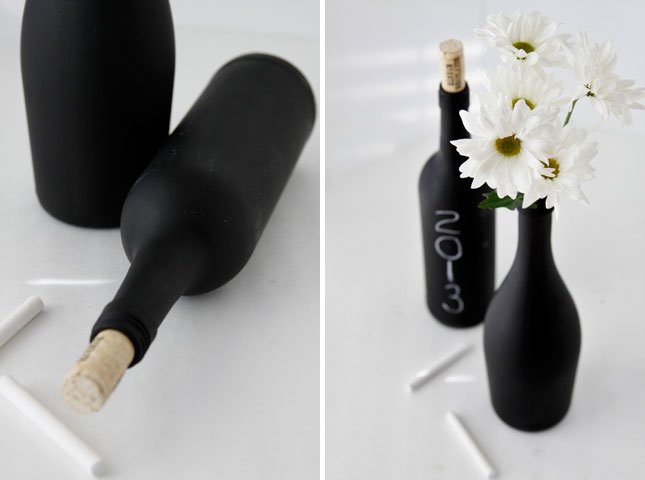
Paint the center of a wooden tray or a narrow table strip with chalkboard paint, cure fully, and write cheese names, drink specials, or a dinner toast. Avoid putting oily foods directly on the painted surface—use parchment or dishes on top. Wipe after entertaining. The tray stores flat and returns for the next potluck, which is more useful than a decorative board that never leaves a shelf.
8. Closet and laundry labels
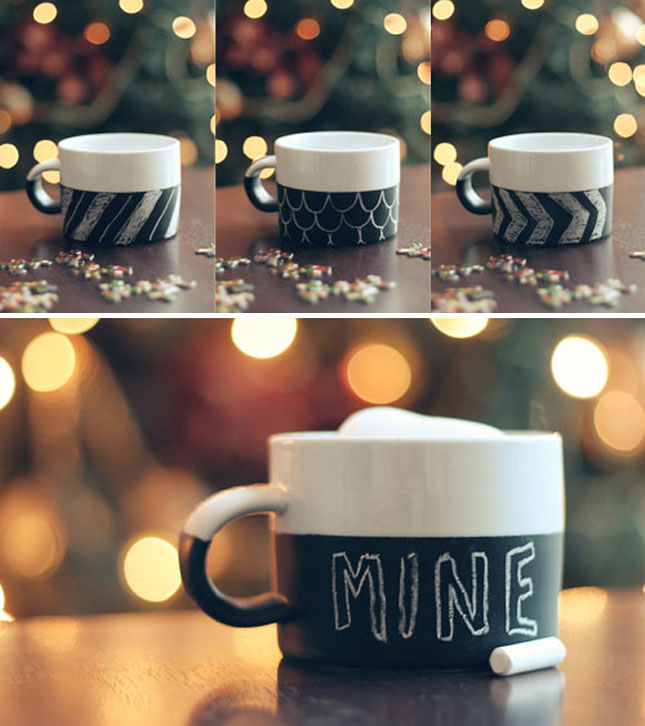
Tag bins, hampers, and shelves with chalkboard labels that can change when seasons or kids’ sizes change. Write “sports,” “wool,” or “donate” without committing to permanent vinyl. Place labels at eye level. Refresh lettering when dust dulls contrast. Organization systems fail less often when labels stay honest about what is actually in the bin this month.
9. Garden markers and pot tags
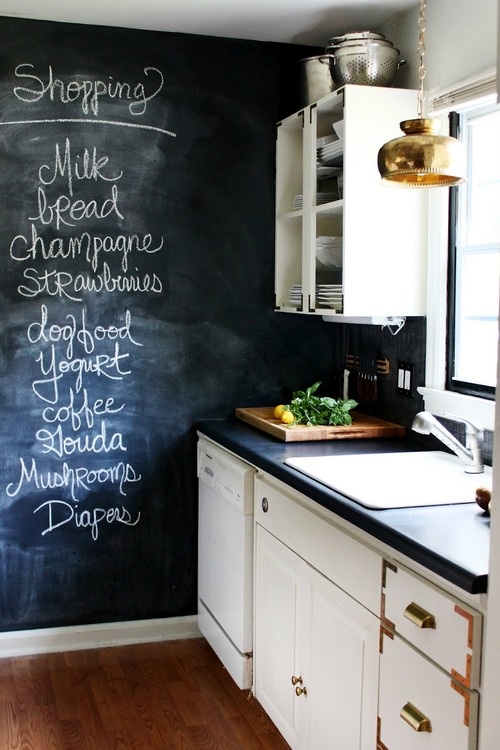
Paint stones, wood stakes, or terracotta pot rims with outdoor-rated chalkboard paint where the product allows, then label herbs and seedlings. Expect weather to fade chalk; rewrite after rain. Store spare markers indoors. This beats plastic sticks that crack and look temporary forever. Group identical plants under one larger board if dozens of tiny stakes become visual clutter.
10. Headboard or accent panel
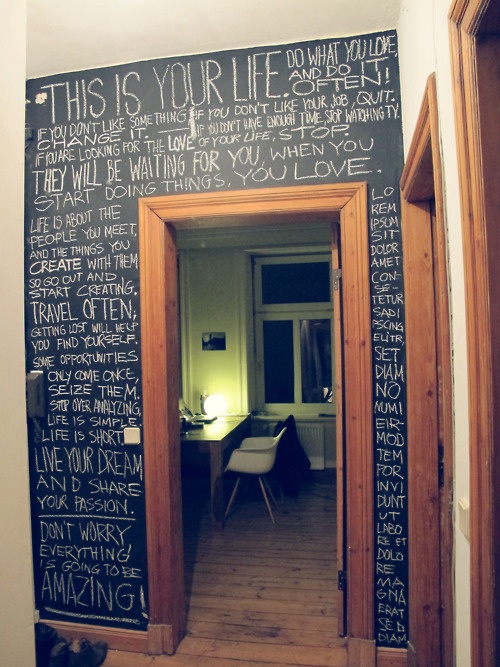
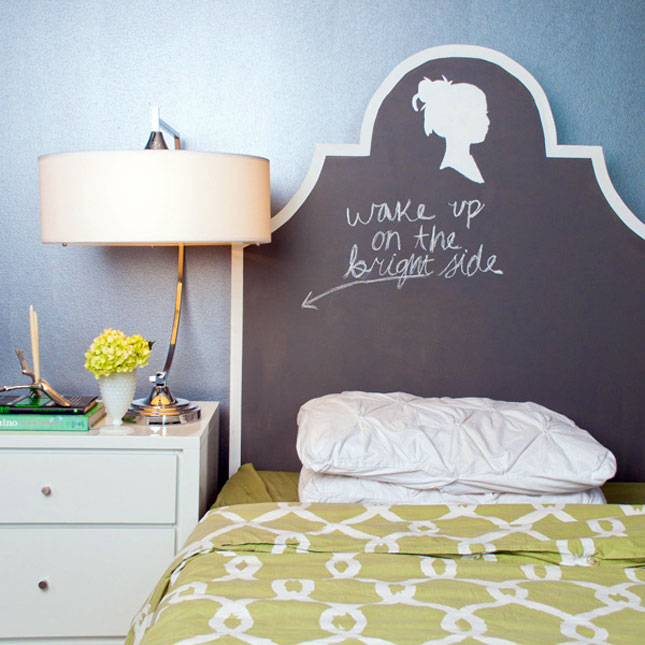
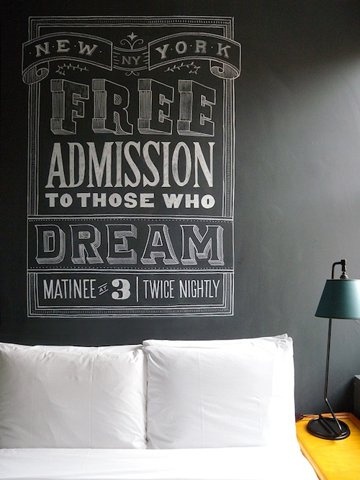
A chalkboard headboard or wall panel behind the bed works for quotes, reminders, or leaving blank as dark texture. Seal and season carefully so pillow contact does not dump dust. If you write often, keep the active writing zone above pillow height. Matte black panels also calm visually busy rooms when left mostly empty—sometimes the best chalkboard use is quiet negative space.
11. Office to-do and brainstorm wall
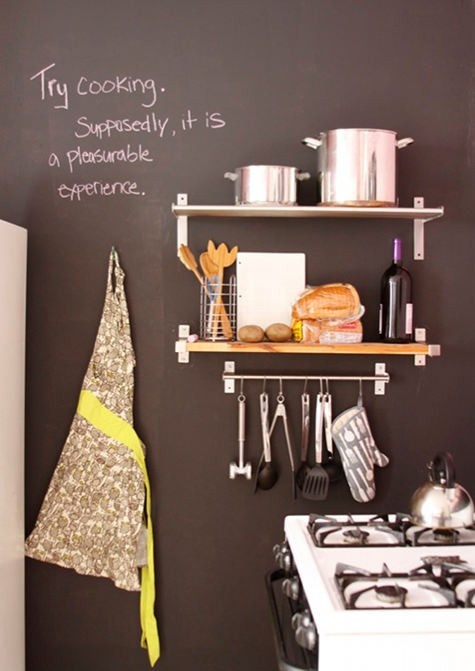
Remote workers and students benefit from a board that holds today’s three priorities, not an infinite sticky-note swarm. Wipe at close of day. Photograph mid-project sketches before erasing. Pair with a cork strip if you still need to pin paper. The ritual of rewriting tasks is half the productivity gain; a board that never gets cleared becomes wallpaper you ignore.
12. Furniture makeover details
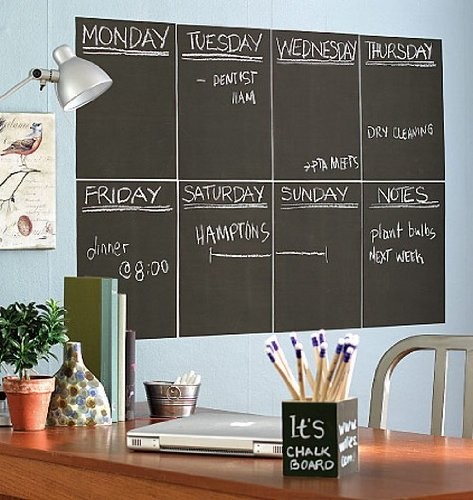
Paint drawer fronts, the inside of a cabinet door, or a desk pull-out with chalkboard paint for hidden lists and measurements. Cure fully before heavy use. Avoid high-friction spots that will wear the coating off in weeks. Small interior surfaces often outperform huge feature walls that become visual noise. A cabinet-door grocery list stays private and wipeable without dominating the kitchen aesthetic.
13. Portable mini boards for notes and play
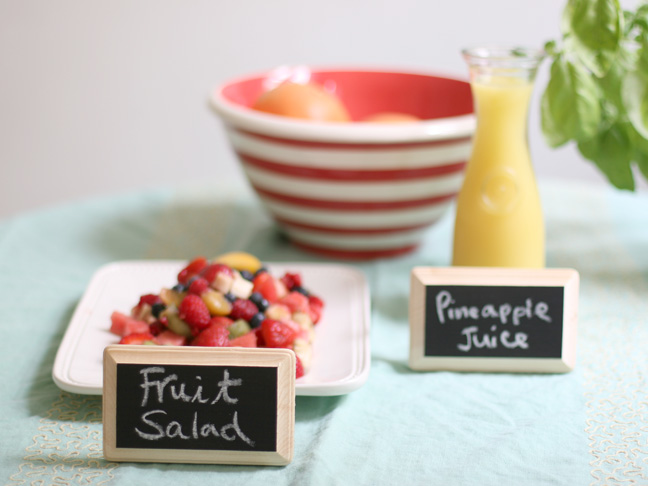
Small framed chalkboards travel to picnic tables, classrooms, and bedside shelves. Use them for place cards you can rewrite, vocabulary practice, or a rotating joke of the day. Hang a loop of ribbon for easy wall or nail hanging. Portability means you are more likely to use the surface than a permanent wall you regret after a month. Keep one in a tote with chalk so spontaneous lists do not default to phone notes you never see again.
Keeping chalkboard surfaces useful
Ghosting happens. Occasional washing with a little water and mild soap, then full re-seasoning, restores contrast. Skip abrasive scrubbers that scratch the paint. If a wall chalkboard becomes clutter, shrink the active area with tape borders or switch that wall to one focused job—menu only, calendar only—so it stops collecting random noise. Replace crumbling chalk; dirty stubs drag gray film across fresh writing.
Pick the idea that removes a paper problem you already have. Labels that change, a menu the household can see, and a kid wall that protects the rest of the paint usually beat a giant motivational quote that never gets erased. Chalkboard finishes earn their keep when rewriting is the point—and when wiping clean feels as satisfying as writing the first line.

Comments
Continue reading
Chalkboard Wedding Ideas: Menus, Backdrops, and Guest Details
From welcome walls and photobooth boards to buffet labels and seating charts—how to use chalkboard décor so it helps guests and still photographs well.
DIY Chalkboard Labels, Tags, and Signs for Pantry, Plants, and Parties
Make wipeable chalkboard buffet signs, jar labels, plant markers, spice lids, vintage pantry tags, and gift tags with paint or vinyl—and season them so chalk erases cleanly.
DIY Ideas for Old Socks: Rugs, Puppets, Mittens, and More
Sort leftover socks by fiber, then turn them into braided rugs, hand puppets, soft toys, mittens, and pin cushions with practical cutting and sewing tips.