
Chalkboard Wedding Ideas: Menus, Backdrops, and Guest Details
From welcome walls and photobooth boards to buffet labels and seating charts—how to use chalkboard décor so it helps guests and still photographs well.
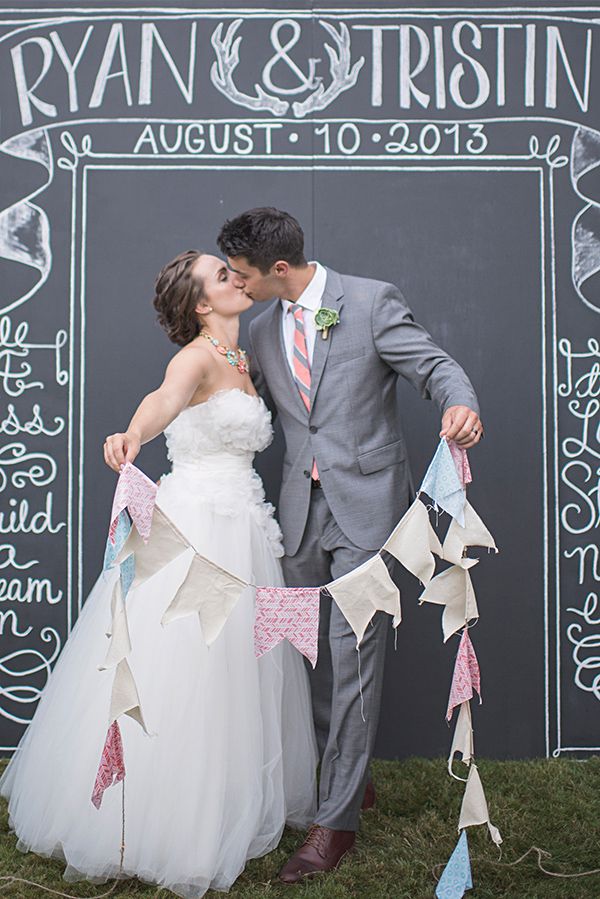
Chalkboard surfaces earn their keep at weddings because they are decorative and useful at once. A black or deep-green field with white lettering can welcome guests, label a buffet, post a timeline, or become a photo backdrop—then change overnight if plans shift. Unlike printed signage ordered weeks ahead, chalk invites last-minute edits, guest doodles, and a handmade texture that softens formal florals and rental furniture.
This gallery-led guide collects chalkboard wedding ideas and the practical habits that make them look intentional rather than chalky afterthoughts. Browse the images for tone and placement, then decide which pieces will actually serve your day. One strong backdrop and a clear menu board often beat a dozen tiny signs that nobody reads in dim light.
Why chalkboard works in a wedding setting
Weddings generate information: ceremony time, seating, menu courses, bar options, hashtags, thank-you notes. Guests arrive excited and slightly lost. Clear, beautiful wayfinding reduces questions for the couple and the planner. Chalkboard paint and framed chalk panels turn that logistics layer into part of the décor language—especially for barn, garden, loft, and casual indoor celebrations where rigid acrylic signs can feel too corporate.
The visual contrast is reliable. Light florals, wood tables, and soft linens pop against a dark board. Hand lettering adds personality without requiring a full custom stationery suite for every label. Because chalk can be erased, the same board can move from rehearsal dinner to reception with a new message, which is friendly to budgets and to couples who change their minds.
Limitations exist. Outdoor wind and drizzle smear unprotected chalk. Heavy guest traffic near a floor easel invites smudges. Very formal black-tie rooms may want a tighter, more typographic treatment—or chalk used sparingly as accent rather than theme. Match the medium to the venue mood, not to a Pinterest board that ignores weather and lighting.
Big gestures: backdrops and welcome walls
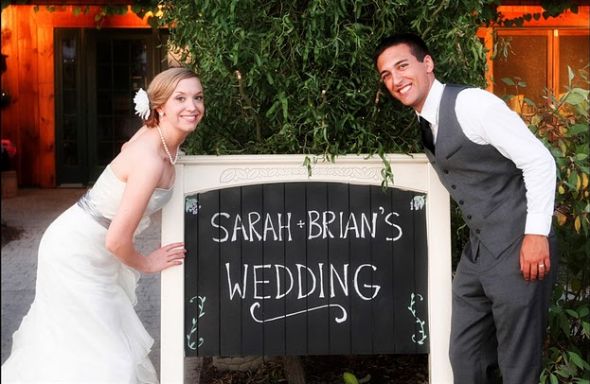
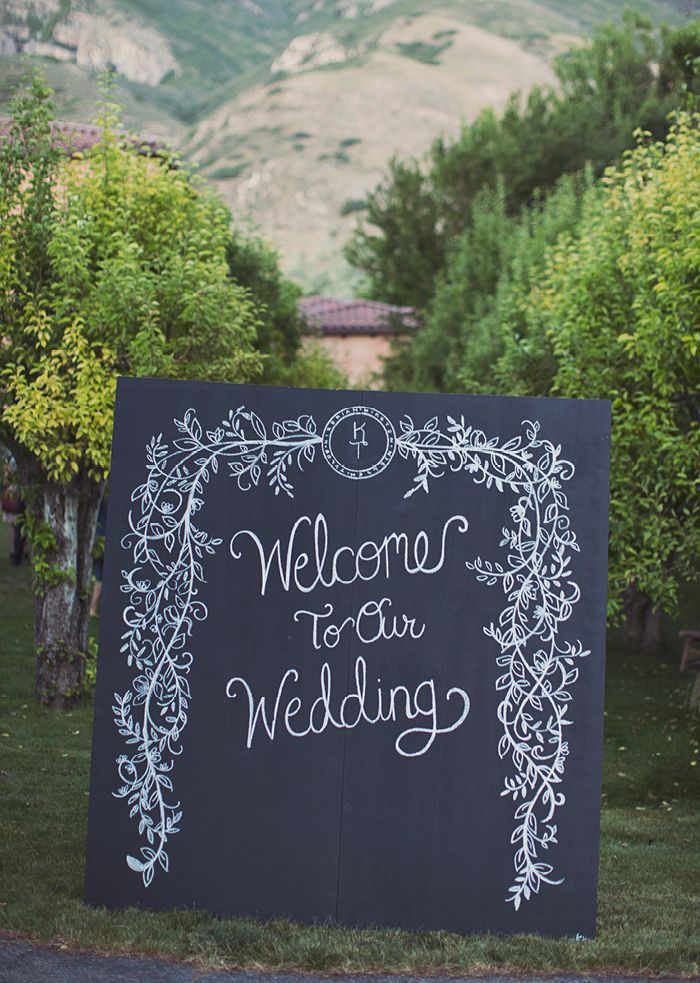
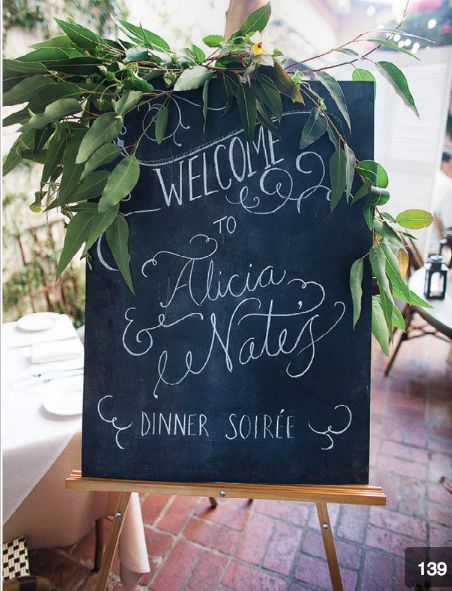
A photobooth or welcome wall is where chalkboard scale pays off. Large painted panels, rolling chalkboards, or a wall treated with chalkboard paint give guests a shared canvas. Couples often combine a fixed header—“Welcome,” names, or the wedding date—with open space for signatures, doodles, and Polaroids taped beside chalk notes. The board becomes both décor and guest book.
Design tips: keep a strong horizontal or centered title so photos have an anchor; leave breathing room so faces are not lost in dense lettering; and test camera flash on the surface beforehand, because glossy chalkboard paint can glare. If guests will write, provide white chalk or liquid chalk markers and a small rag for edits. Assign someone to tidy the board between cocktail hour and dancing if you want clean photos later. A backdrop that looks charming at 5 p.m. can look chaotic by dessert without a quick reset.
Placement matters as much as lettering. Put the welcome wall where the arrival flow naturally pauses—not in a bottleneck doorway and not so far from the entrance that guests miss it. For photobooths, leave enough depth for groups of four and a little side light if the venue allows.
Menus, bars, and buffet labels
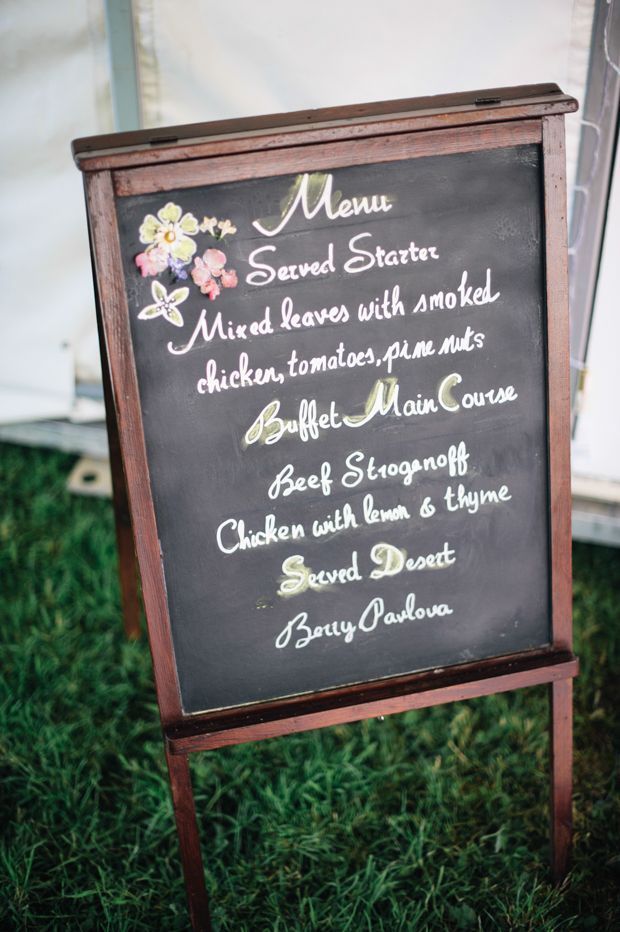
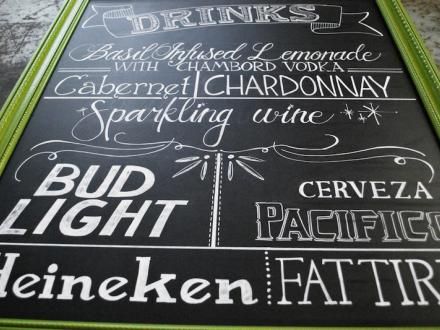
Food stations are chalkboard’s natural habitat. A tall menu board near the entrance to the dining room sets expectations; smaller tags on platters prevent the “what is this?” shuffle. Bar boards listing signature cocktails double as conversation pieces and reduce bartender repeats of the same two sentences.
Lettering hierarchy matters more than flourishes. Course names or drink titles should read from a few steps away; ingredients and allergies can sit smaller underneath. If your calligraphy is uncertain, mix printed headers with chalk details, or use stencils for consistency across multiple small boards. Liquid chalk markers give crisper lines on sealed surfaces and resist smearing better than soft classroom chalk—useful when trays pass close to signs.
Allergy and dietary notes deserve high contrast and plain language. Guests should not decode script to learn whether a dish contains nuts. A small chalk key (“V / GF / contains dairy”) repeated on every station board is more helpful than one beautiful but unread paragraph on a single easel.
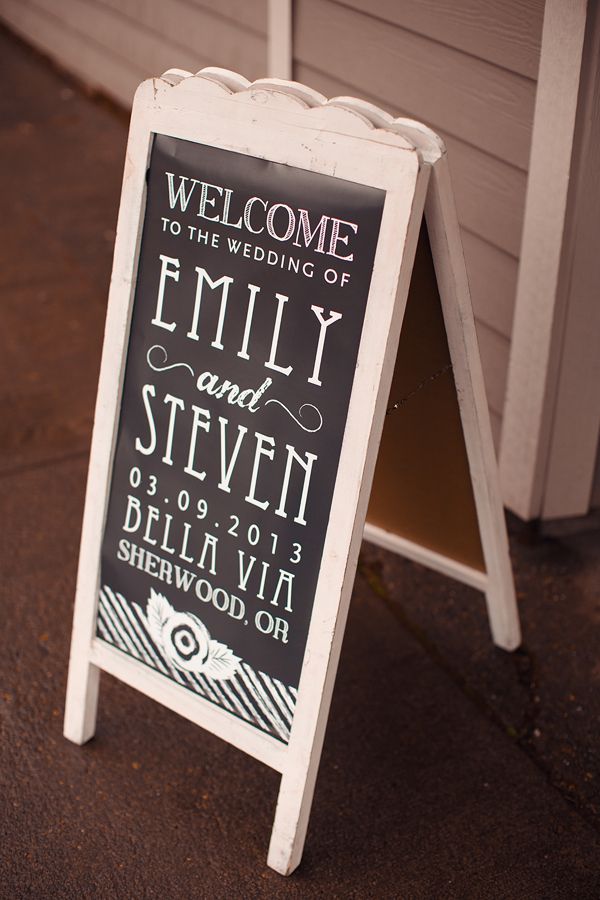
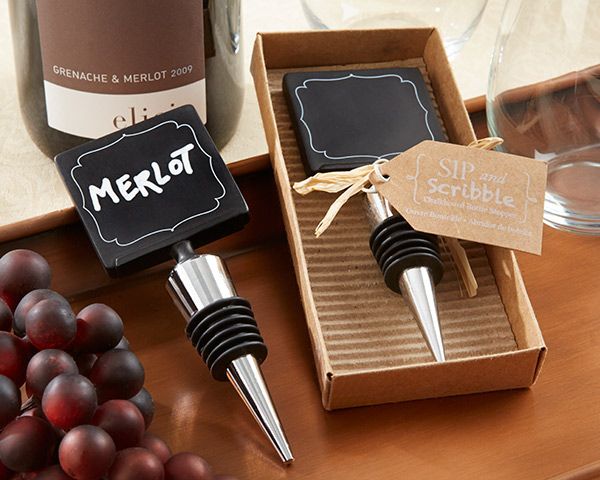
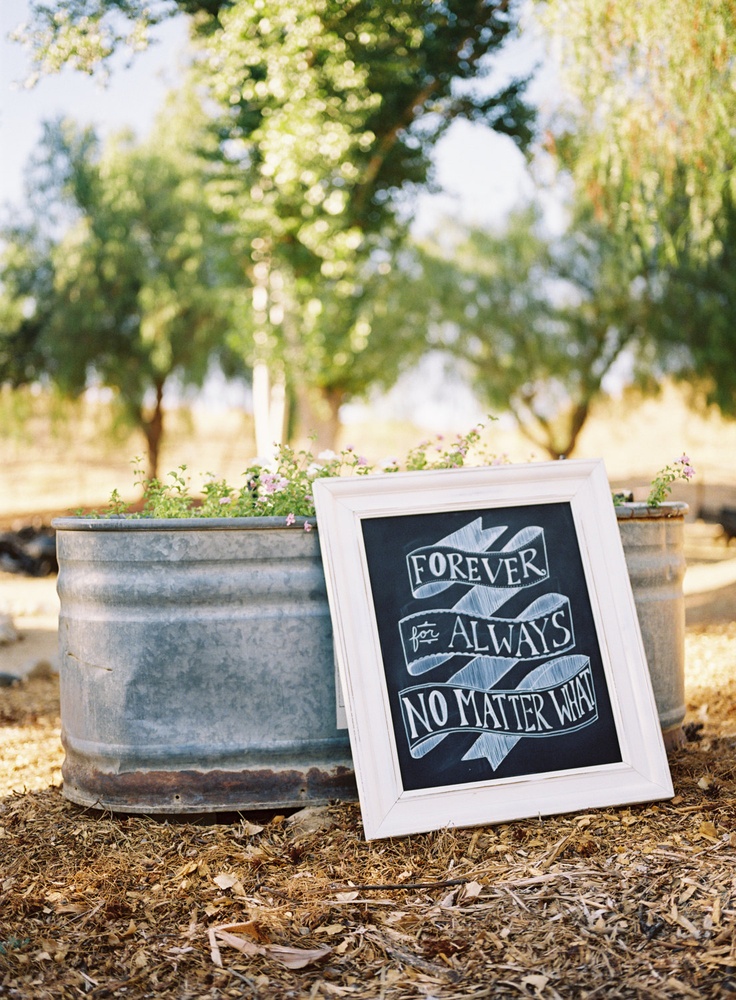
Table details and guest touchpoints
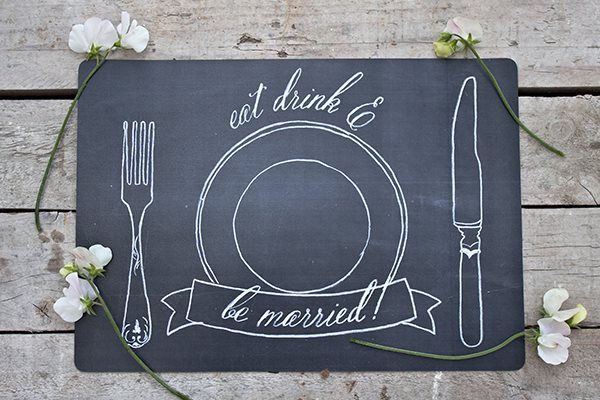
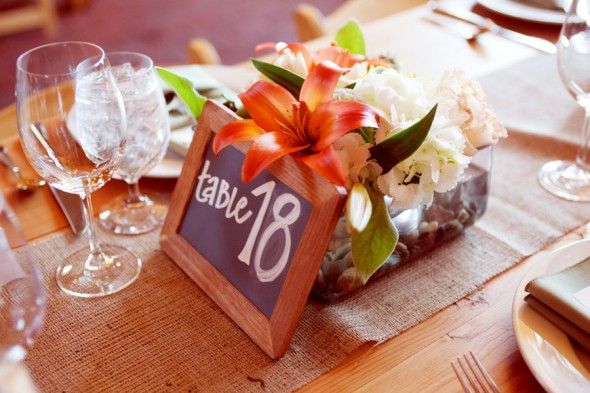
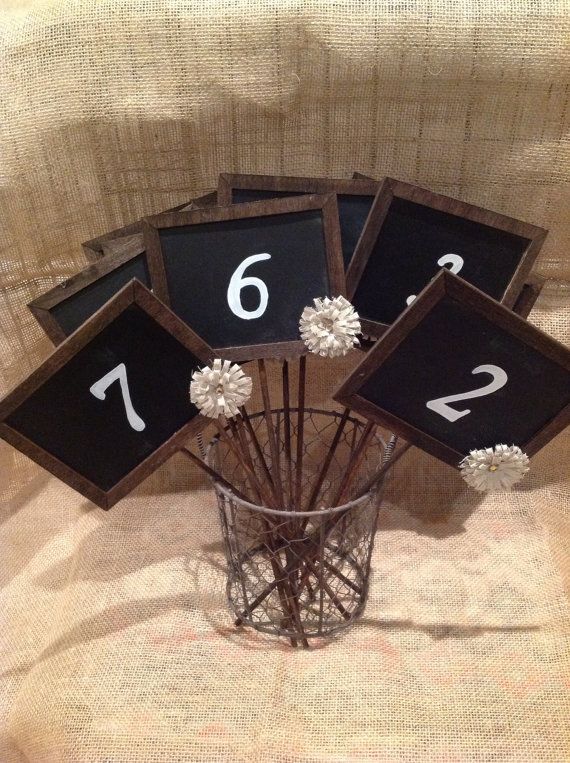
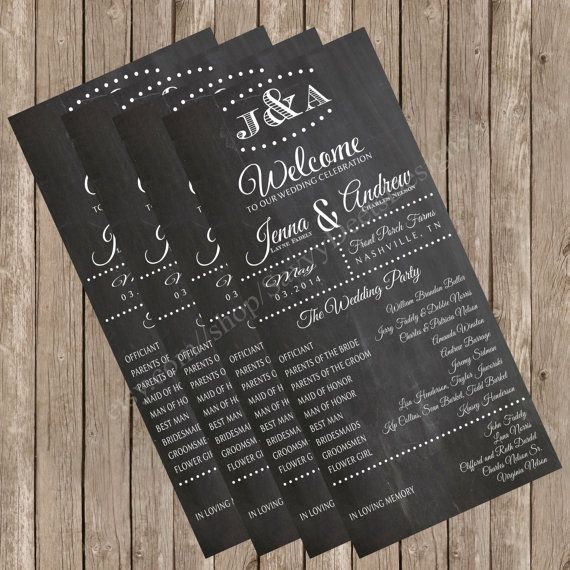
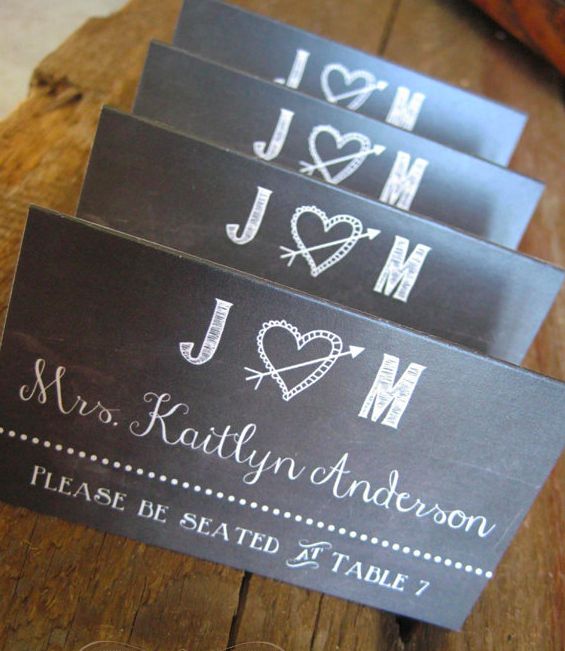
Escort displays, table numbers, favor tags, and ceremony programs can all borrow the chalkboard look. Mini framed boards as place cards feel special when the guest list is modest; for large weddings, a single chalkboard seating chart is usually clearer than dozens of tiny tags fighting for attention in a hallway.
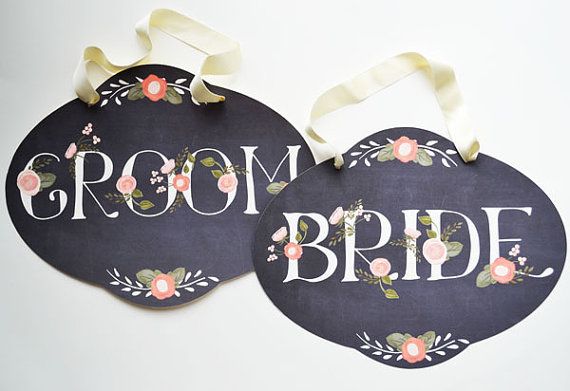
Keep type sizes honest. Guests should not lean in with phone flashlights to find their table. Use consistent framing—matching wood tones or black frames—so the chalk elements feel like a set. If you love floral wreaths around boards, leave a clean writing window in the center; blooms that crawl over letters photograph poorly and confuse readers.
Timeline boards—ceremony, cocktails, dinner, dancing—help multi-location days. Put them where guests naturally reassemble, and update only if the schedule truly changes; a board that contradicts the invitation creates more questions than it solves.
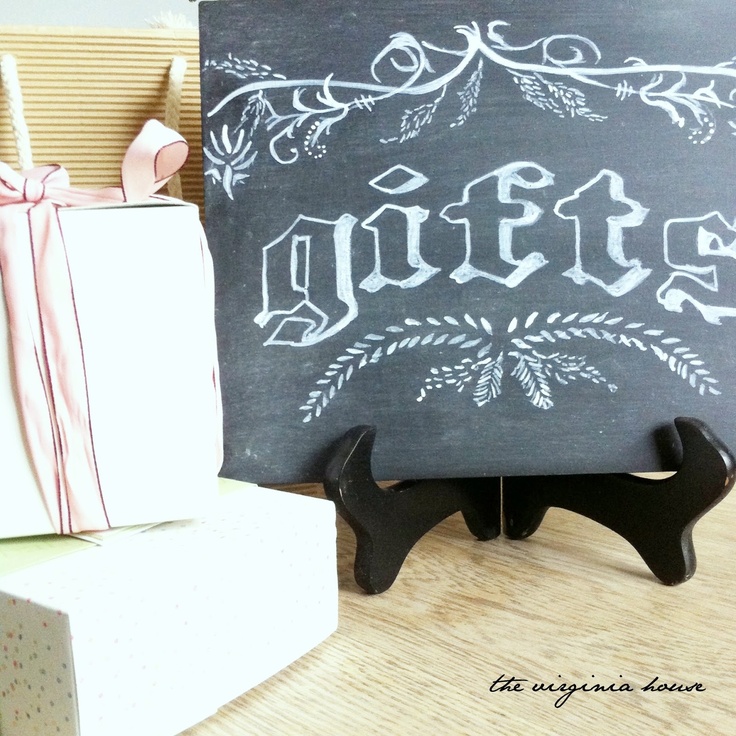
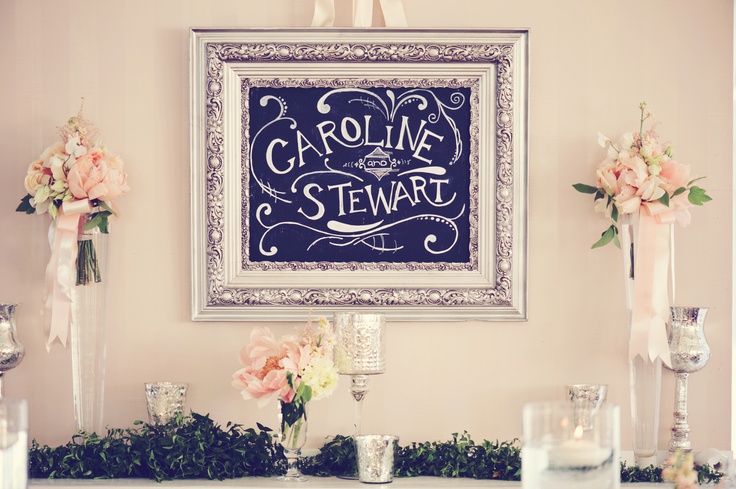
DIY surfaces without a full craft studio
You do not need to paint the venue. Options range from ready-made framed chalkboards to plywood panels coated with chalkboard paint, thrifted mirrors painted on the reverse glass, and small tags cut from chalk-friendly craft board. Prep matters: chalkboard paint often needs a curing period and a seasoning coat of chalk rubbed and wiped before final lettering looks even. Skipping seasoning is a common reason first boards look blotchy.
Practice layouts on paper first. Sketch margins, title size, and decorative borders so the live board is not your first draft. If multiple people will letter different signs, agree on a simple alphabet style—one script for titles, one print for body—so the day does not look like five unrelated handwriting samples. A shared reference card with sample letters saves arguments at midnight before the wedding.
Transport and setup deserve a plan. Boards travel face-to-face with soft cloth between them. Bring spare chalk, markers, a level, removable hooks or easels, and a photo of your intended placement. Venue lighting changes appearance; what looked bold in a garage may need thicker strokes under dim string lights. Confirm with the venue what can be taped, leaned, or hung—some historic rooms forbid certain adhesives.
Styling balance: chalk as accent, not overload
Chalkboard everything can fatigue the eye. Choose two or three hero applications—welcome, menu, seating—and let smaller labels support them. Coordinate chalk with one other handmade texture (kraft paper, wood slice numbers, or simple calligraphy) rather than mixing every rustic trend at once. A dark board next to dense mason-jar clusters and burlap runners can tip from charming into costume.
Color is not limited to white on black. Soft pastels on dark green boards, gold liquid chalk for evening formality, or white chalk with a single floral color motif can tie into bouquets. Keep contrast high enough for older guests and for photography. If you use colored chalk heavily, photograph a test board under venue light; some hues disappear on camera even when they look fine in person.
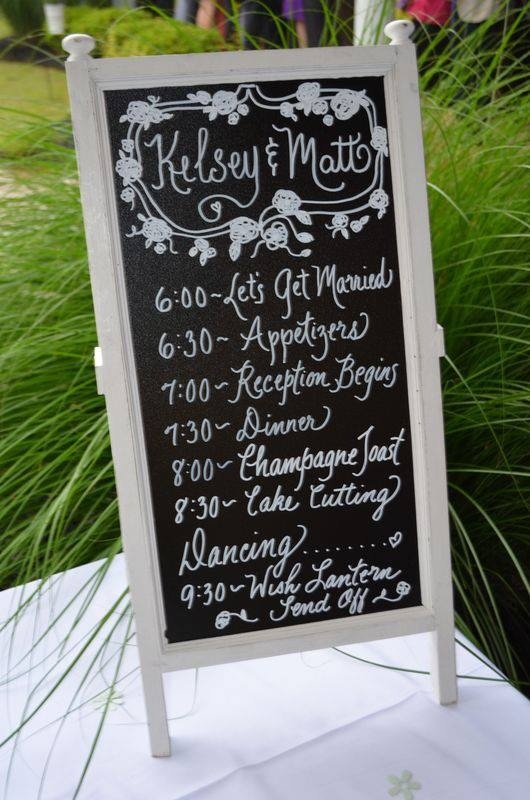
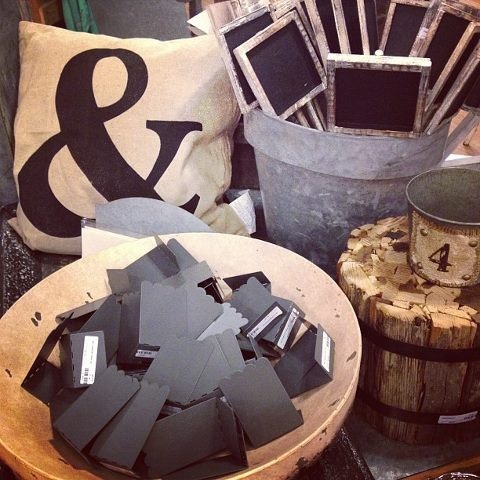
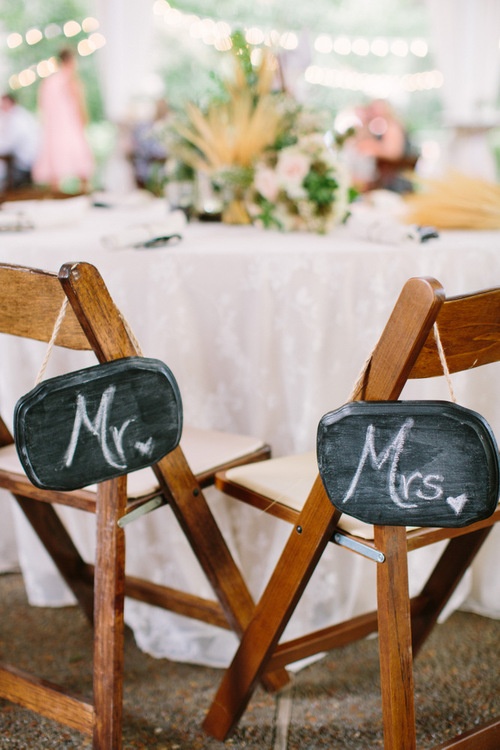
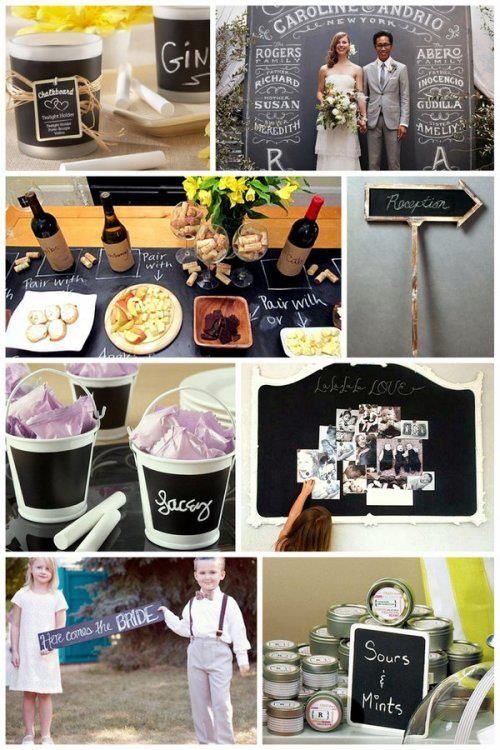
Before the first guest arrives, walk the room and read every board from the distance a stranger would. If a menu needs a squint or a welcome wall looks crowded in phone previews, simplify the lettering rather than adding more flourishes. The best chalkboard wedding details earn their place by answering a real question—where to go, what to eat, how to celebrate—while still looking like they belong in the photographs.

Comments
Continue reading
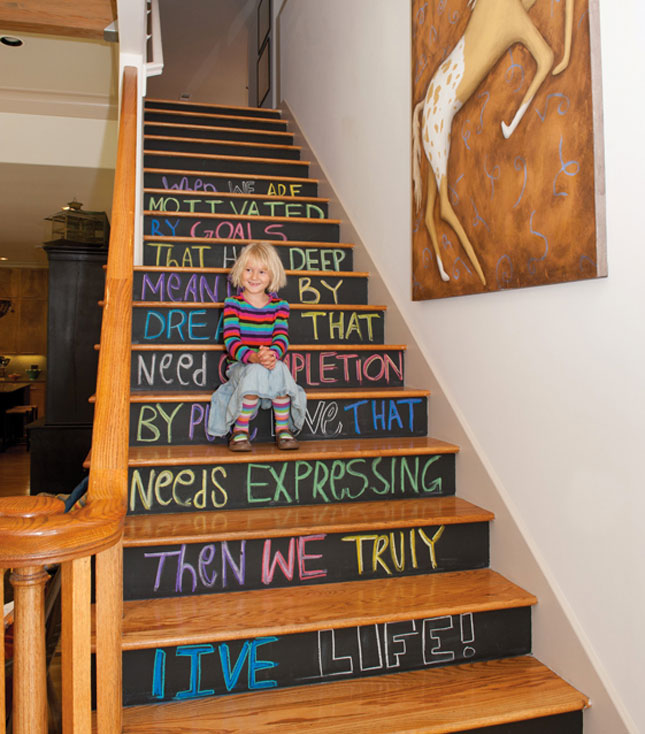
13 Creative Ways to Use Chalkboard Paint and Boards at Home
Menus, labels, calendars, kids’ walls, party signs, and more—thirteen practical chalkboard ideas with finishing and upkeep tips.
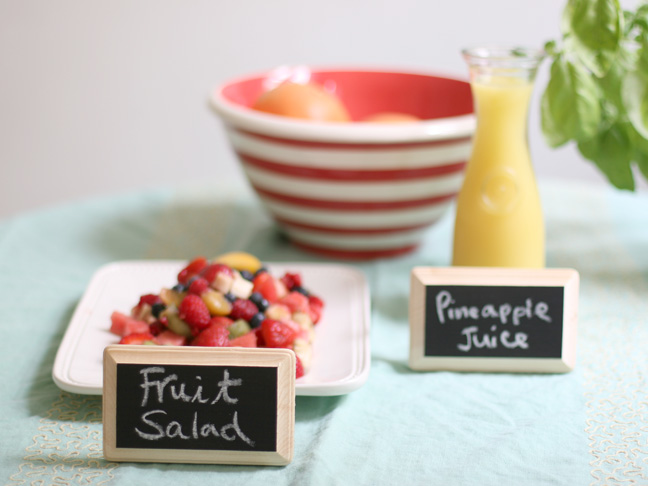
DIY Chalkboard Labels, Tags, and Signs for Pantry, Plants, and Parties
Make wipeable chalkboard buffet signs, jar labels, plant markers, spice lids, vintage pantry tags, and gift tags with paint or vinyl—and season them so chalk erases cleanly.
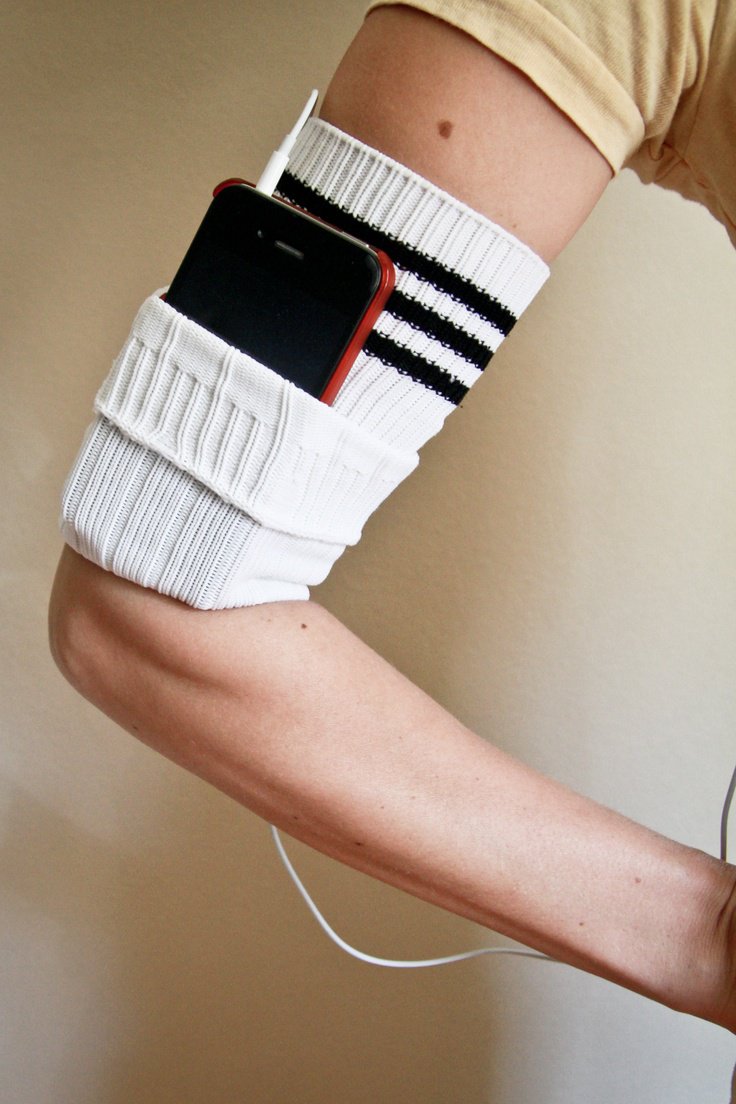
DIY Ideas for Old Socks: Rugs, Puppets, Mittens, and More
Sort leftover socks by fiber, then turn them into braided rugs, hand puppets, soft toys, mittens, and pin cushions with practical cutting and sewing tips.