
Hama-House’s Tokyo Speed Sketches: Commuters, Cafés, and Overlay Photos
How Tokyo illustrator Hama-House turns coffee-break contour drawings into Instagram-ready proofs—sketch aligned with the living scene.
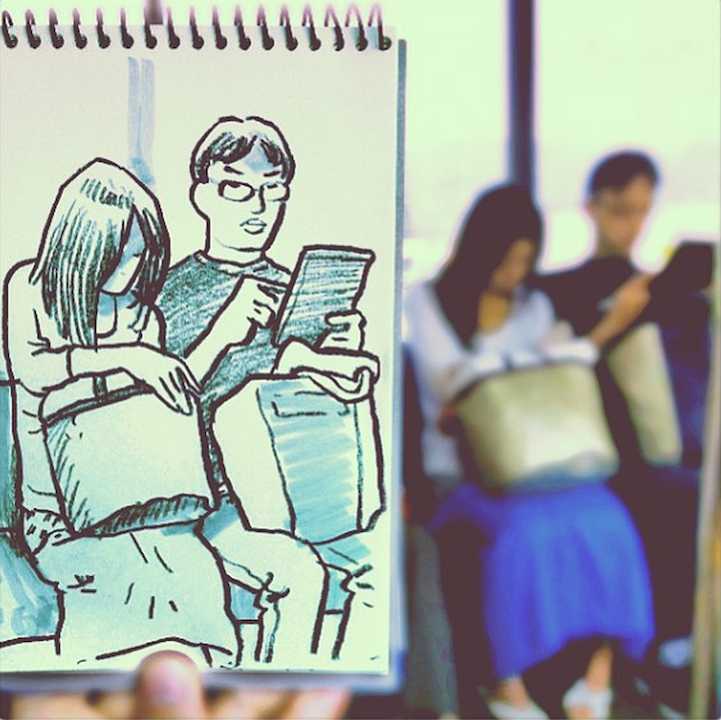
Hama-House is a Tokyo-based illustrator whose day job covers magazines, books, websites, and television. Between assignments, he keeps a second practice that looks almost too light to matter until you try it: speed sketches of strangers in public—commuters, café sitters, musicians—drawn fast, then photographed against the same scene so the page and the world share one frame. Around early 2014, those Instagram compositions traveled widely because they made observational drawing feel immediate again. You could see the hand, the subject, and the city in a single capture.
You do not need days to make a drawing worth posting. You need attention, a small kit, and the nerve to finish before the train doors open.
Warm-ups that face the city
In conversation about his Tokyo drawings, Hama-House has described sketching as daily warm-up exercise for professional illustration work. That framing matters. These pages are not presented as precious studio masterpieces; they are reps. The city becomes a gym for contour, proportion, and decisive shading. Because the models are unpaid and unaware—or only briefly aware—the drawings stay honest about posture, bags, phones, and fatigue. Nobody is holding a glamorous pose for an hour.
He moved to Tokyo from Kanazawa for work years earlier and treats drawing surroundings as a natural extension of art-school habits. Ask what he tries to “achieve” with the city sketches and the answer can be disarmingly plain: practice. The public may find poetry in that practice; the practitioner is logging miles.
The coffee-break method
The popular pattern is simple enough to copy and hard enough to master. Find a subject who will stay put for a few minutes—someone absorbed in a phone, a window, or a conversation. Block in a contour with confident black line. Add only the details that sell the likeness: glasses, a tote’s rectangle, a hair fall, a collar. Lay in quick shading—watercolor, marker, or dilute ink washes in cool grays and blues are common in the shared examples—then stop. Overworking kills the speed contract.
The signature finish is documentary: hold the sketchbook so the drawn figures align with the real ones, then shoot. Shallow focus often softens the background people while the page stays sharp, which turns the photo into a before-and-after that happens simultaneously. The humor is gentle. The craft lesson is blunt. Drawing is a way of looking that a phone camera alone does not replace.
What the train sketch teaches
In the image above, two passengers sit with bags on their laps, one leaning in, one angled toward a handheld device. The spiral sketchbook’s ink lines track shoulders and bag rectangles; light blue wash suggests shadow and clothing mass without drowning the line. Behind the page, the same pair exists in softer focus, windows and handrails confirming a transit car. The composition is half reportage, half sleight of hand: the drawing claims, “this is what I saw,” and the photograph replies, “prove it.”
That proof culture is friendly to Instagram without being only a growth hack. Alignment forces accuracy. If the shoulder slope is wrong, the overlay betrays you. Speed sketching with a camera check becomes a self-grading exam you can take on any commute.
Line economy and comic clarity
Hama-House has cited a wide range of comic artists among influences—names such as Moebius, Mike Mignola, Nicolas de Crécy, and others outside Japan appear in interviews—which helps explain the readability of even five-minute figures. Contours behave like inked comics: clear silhouettes, selective interiors, shadows that clarify form instead of decorating it. The sketches can look playful without becoming vague.
Commercial illustration deadlines reward the same muscles. A magazine spot may allow more polish, but the ability to choose which three lines make a seated person feel seated is universal. Speed work keeps that choice sharp when studio time would otherwise tempt endless revision.
Ethics of drawing strangers
Public sketching always brushes against etiquette. Best practice, modeled by the gentlest street draftsmen, is discretion: no blocking aisles, no invasive staring contests, no posting that humiliates. Hama-House’s overlays emphasize craft and affection for ordinary Tokyo life more than gotcha exposure. Still, anyone adopting the method should treat people as neighbors, not content mines. If someone notices and seems uncomfortable, close the book. The warm-up can move to architecture, hands, or your own coffee cup.
When subjects are sleeping on trains or lost in screens, the drawings often feel tender rather than predatory—because the line quality stays respectful and the framing includes context instead of cropping faces into memes.
Building a practice in small windows
If you want a Hama-House-like habit without quitting your job, steal the constraints, not the brand:
- Limit sessions to the length of a coffee or a few subway stops.
- Carry one pen and one wash tool so choices stay fast.
- Draw gesture and big shapes before facial features.
- Leave empty paper; white space is part of speed.
- Photograph overlays only when alignment teaches you something.
- Date pages so progress is visible after a month of quiet reps.
Sekaido in Shinjuku—his noted favorite for stationery—stands in for a broader truth: tools you enjoy touching get used. A sketchbook that feels good in the hand will leave the bag more often than a “serious” hardcover you fear ruining.
Why the images spread in 2014
Design blogs and culture sites seized on the overlay photos because they solved a storytelling problem. A lone sketch of a stranger can look anonymous online. A sketch plus its living reference becomes a mini documentary. Viewers who do not draw still understand the feat; viewers who do draw feel the clock. That double audience is rare and powerful.
The historical place of this page is that discovery wave: Tokyo illustrator, Instagram-era presentation, café-and-commute subjects, commercial work by day, speed practice by habit. Later interviews would still describe the sketches as pastime and training. The internet made them a signature; the artist kept them useful.
Try one tonight
Pick a public seat with a stable subject ten feet away. Give yourself eight minutes. Contour first, two tones of shade, no eraser spiral. Then—only if it is polite and safe—lift the page into the scene and take a single photo. Compare. The mismatches are your curriculum for tomorrow’s coffee break. Hama-House’s gift to anyone watching is not a secret software trick; it is permission to treat the city as an endless life-drawing classroom that fits in a bag.

Comments
Continue reading
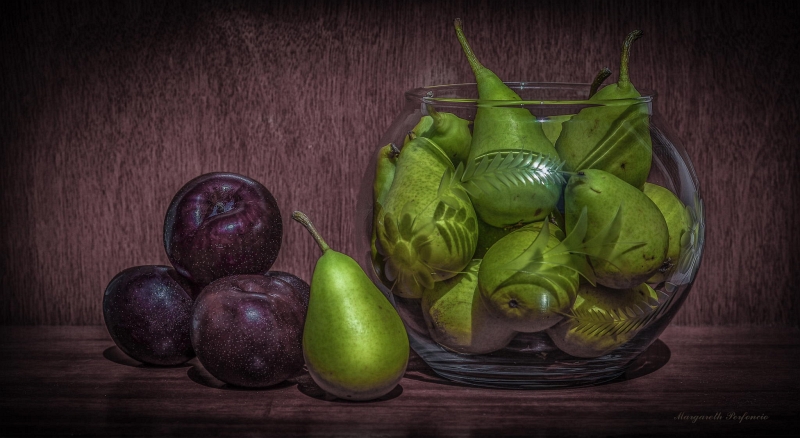
Still-Life Photography by Margareth Perfoncio
São Paulo photographer Margareth Perfoncio’s still lifes of food and flowers—Old Master light, dark wood, and tables that feel inevitable.

Meaningful Love Quotes for Inspiration (and Ink)
Meaningful love quotes that still feel true — short lines for tattoos, gifts, and everyday reminders, with placement and wording tips.
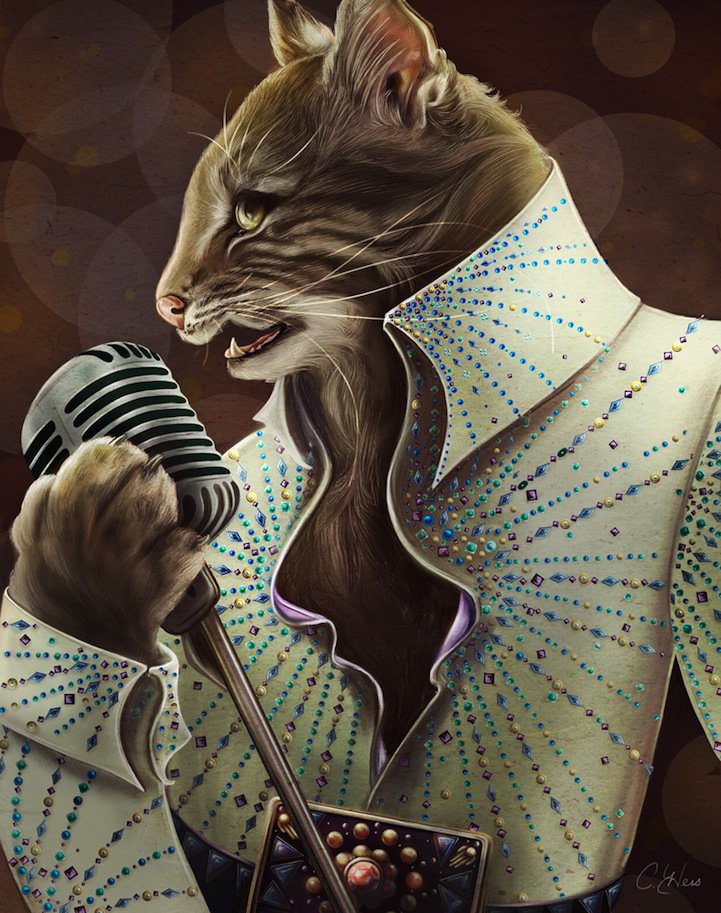
Christina Hess’s Animals From History: Costumed Pets as Playful Portraits
Illustrator Christina Hess reimagines historical icons as ornate animal portraits—Elvis Petme and friends—mixing puns, costume detail, and soft history lessons.