
Winter Wonderland #2: Snowbound Places from Yosemite to Edinburgh
A travel-photo gallery of winter scenes—Yosemite, Finland, Paris, Sweden, Mont Blanc, the Dolomites, Liguria, Tivoli, Parsberg, and Edinburgh.
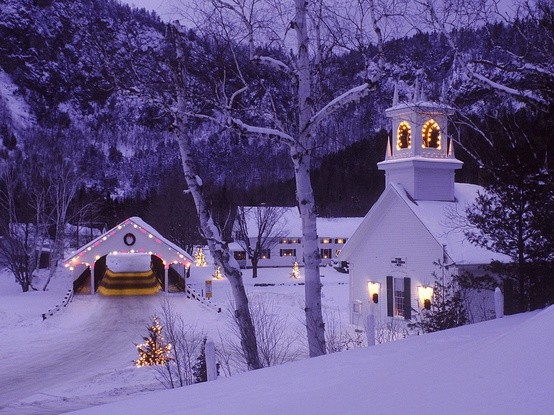
Pour something warm and travel by picture. This second winter wonderland gallery gathers snowbound places—parks, peaks, cities, forests—where cold weather becomes the main character. Unlike a décor mood board, these frames are about geography: where the camera stood, what the climate did, and how people and landscapes share the season across continents.
From Yosemite’s granite under snow to a Finnish winter swim, a Paris carousel dusted white, Swedish streets, Alpine edges, Italian forests and sunsets, Copenhagen’s Tivoli lights, a German castle dusk, and Edinburgh stone—the map is the point. Wonderland here means elsewhere: coordinates, climates, and the particular ways snow rewrites a place you thought you already knew.
Yosemite in winter
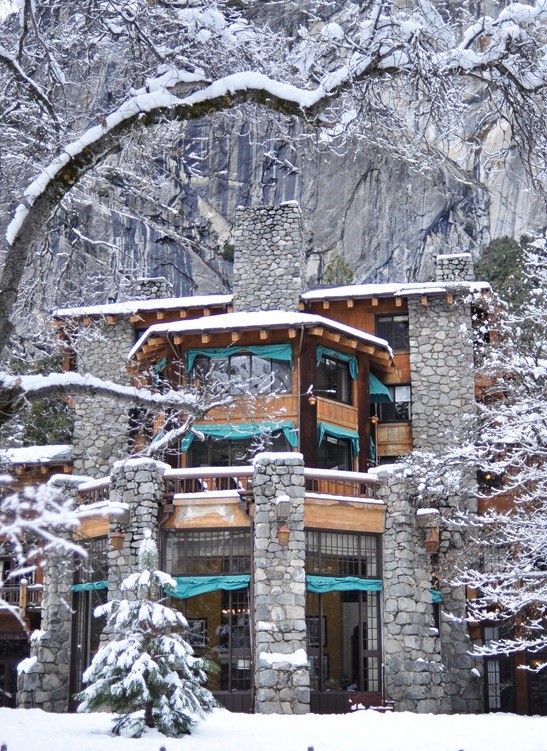
Winter strips Yosemite to structure. Granite walls darken against pale sky; valley meadows fill with snow; waterfalls slow into ice lace when temperatures drop hard enough. Photographers chase storm clears—the hour when clouds lift and peaks reappear sharp. Crowds thin compared with summer, but roads, tire chains, and park alerts still decide the day. The wonder is geological: ice and rock in a national-park amphitheater that needs no decoration and forgives no careless footing on icy paths.
If you visit for pictures, treat weather as the itinerary. A clear morning after a storm often outranks a scheduled “must-see” stop in whiteout. Carry traction for boots; leave drones and off-trail shortcuts out of the plan. Yosemite’s winter wonderland is public land with rules that protect both visitors and the valley’s quiet.
Winter swim, Finland
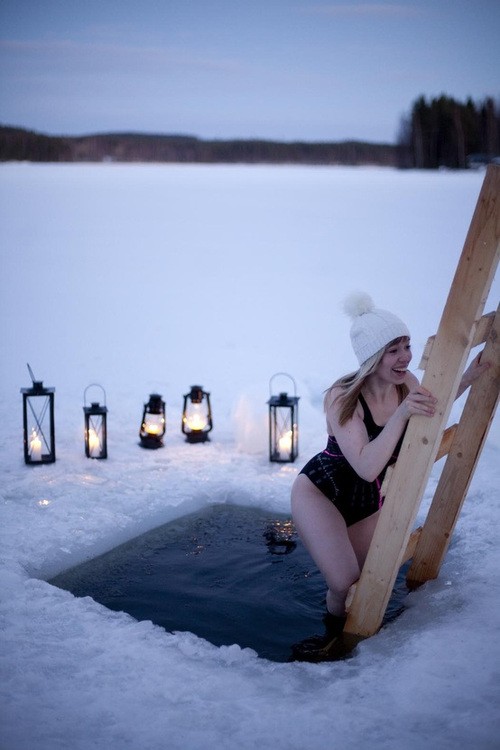
Finnish winter swimming is culture, not daredevil content. A hole in the ice, a short dip, then sauna heat—the contrast is the ritual. Images of swimmers against snow banks and dark water look extreme to outsiders; locally they read as seasonal practice for body and mood. Steam, towels, and the geometry of a cut ice circle make strong photographs because the story is bodily and brief.
Respect private clubs and local rules if you ever join; the picture is secondary to not freezing foolishly. Travelers who only photograph from the bank still catch the essence: human scale against a black circle of water, snow bright as paper, trees holding the horizon. It is a wonderland of contrast, not of scenery alone.
Winter Swim, Finland
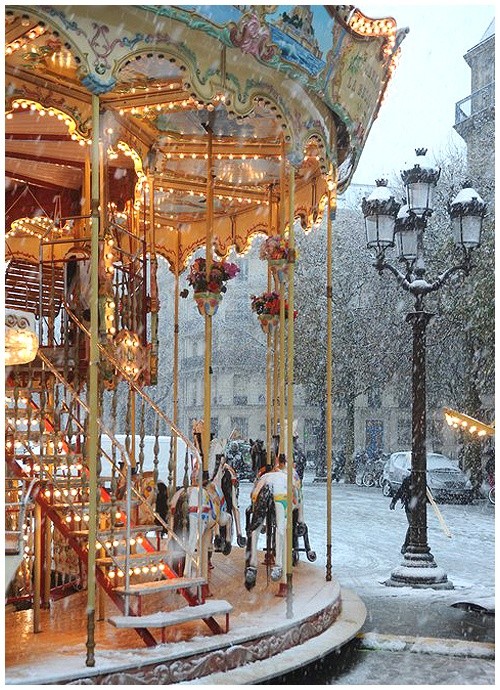
Carousel in snow — Paris
A carousel under snowfall is urban winter at its most theatrical: painted horses, soft lights, flakes blurring the background into hush. Paris parks and squares stage this contrast often—city entertainment paused by weather. The photograph works because machinery meant for summer evenings suddenly shares the frame with silence. Stand far enough to catch the full circle; wait for a gap in pedestrians; let the snow do the motion blur.
City winter travel rewards patience more than checklists. A carousel frame may take twenty minutes of waiting and one lucky gust. That is the difference between a travel gallery and a décor board: place and timing, not styling kits.
Carousel in snow.
Nässjö, Småland, Sweden
Smaller Swedish towns in Småland show winter without capital-city spectacle: low buildings, street lamps, snow packed along curbs, sky the color of pewter. Nässjö sits in that register—everyday Scandinavia where winter is logistics and beauty at once. Travel photography often skips these places for Stockholm skylines; the quieter frames teach more about how people actually live with months of short daylight.
Look for tire tracks, bicycle racks half buried, shop windows lit early. Those details locate the wonderland in ordinary life. A cup of something warm tastes better after a walk through streets that refuse to perform for tourists.
Nässjö, Småland, Sweden
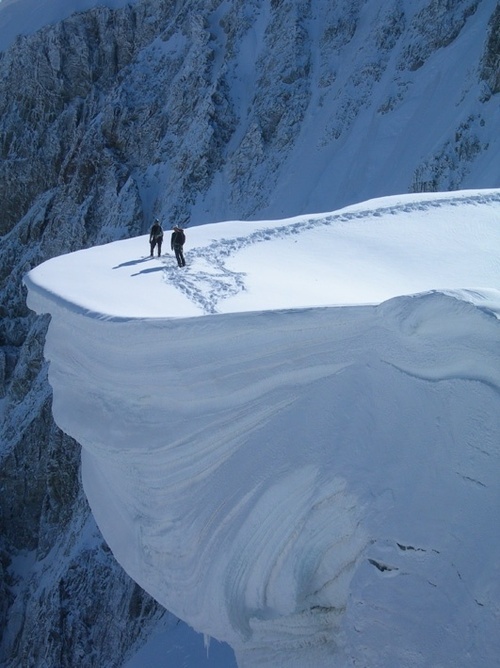
On the edge — Mont Blanc, France
Mont Blanc’s winter edges are about altitude, wind, and exposure. Ridges hold cornices; valleys fill with inversion fog; climbers and cable-car visitors share a landscape that can turn serious quickly. Images titled “on the edge” usually mean a figure or a path against vast white, scale made clear by a tiny human mark. The Alps do not need filters. They need respect for forecasts and avalanche reports.
Travel wonderland at this scale is sublime, not soft. If you only look from a safe viewpoint, that is still enough—telephoto compression of ridge lines, or a wide frame of weather systems stacking against the massif. The photograph should never require a risk the caption cannot justify.
On the Edge, Mount Blanc, France
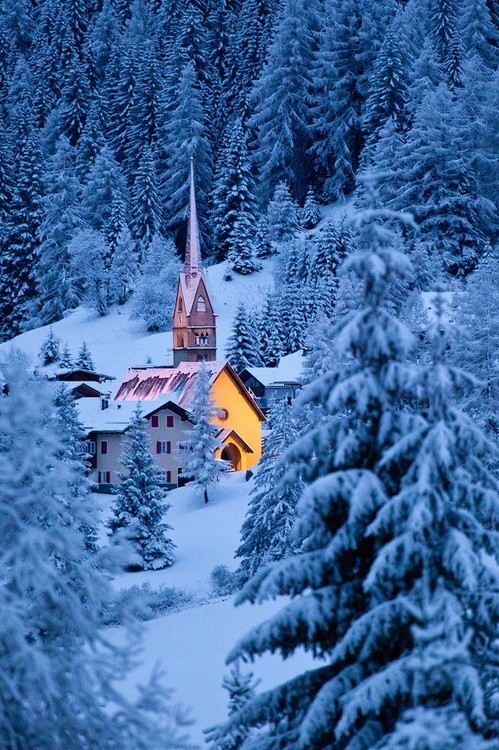
Snow forest — the Dolomites, Italy
The Dolomites in snow are vertical drama: pale cliffs, dark firs, trails that look drawn with a pencil. Winter hiking and ski touring fill the valleys; photographers work early for pink alpenglow on rock faces. A snow forest beneath those walls feels enclosed and cathedral-like—branches loaded, paths muffled. Stay on marked routes; the beauty is matched by terrain that punishes improvisation.
Carry the place names when you share pictures. “Snow forest” is a mood; “the Dolomites” is a claim about geology and culture. This gallery prefers the second habit.
Snow Forest, The Dolomites, Italy
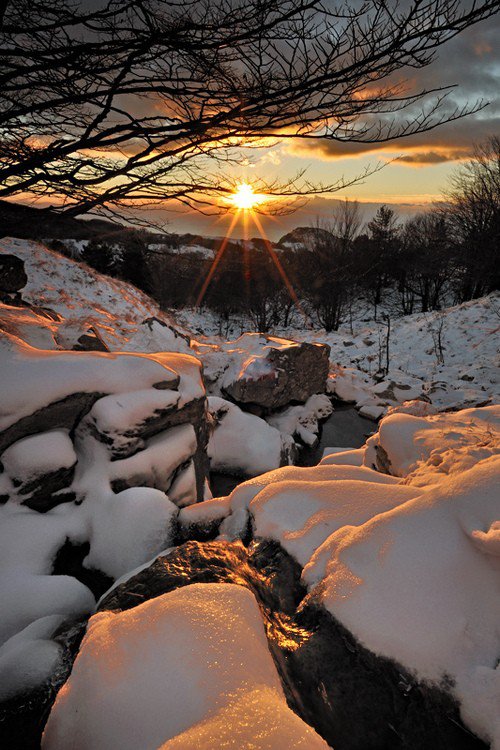
Snow sunset — Liguria, Italy
Liguria is better known for coastal mildness, which makes a snow sunset inland or on higher ground feel like a plot twist—Mediterranean hills briefly wearing Alpine clothes. Warm last light on cold ground is a classic travel photograph: orange against white, sea air maybe still in the frame. It is a reminder that winter wonderland is not only Nordic; southern ranges and foothills get their rare white days too.
Those rare days are worth traveling for if you already love the region; they are not a guarantee on a short itinerary. Build Liguria trips around food, coast, and villages first; treat snow as a gift if it arrives.
Snow Sunset, Liguria, Italy
Tivoli Gardens in Copenhagen, Denmark
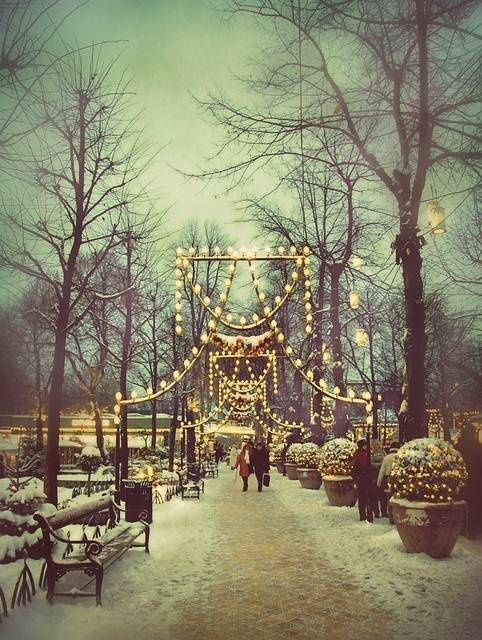
Tivoli Gardens, Copenhagen
Tivoli in winter trades summer greenery for lights, rides, and the particular Danish pleasure of outdoor festivity in the cold. Paths shine wet or icy; food stalls steam; the park becomes a night photograph more than a daylight one. Travelers chase the glow against dark sky. Locals treat it as a seasonal appointment. Either way, the garden proves that wonderland can be designed—tickets, lamps, music—without losing weather’s bite.
Arrive ready for damp cold, not postcard dryness. Copenhagen winters are often gray; when lights punch through that gray, the files look richer. Pair the park with a long walk along lit streets afterward so the evening has a travel arc, not only a single attraction stamp.
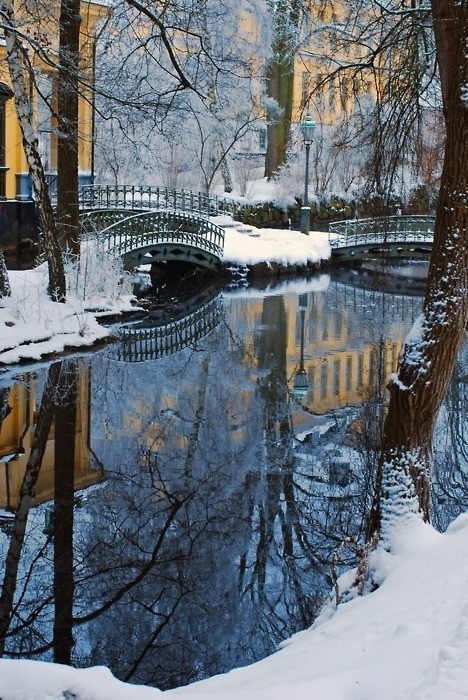
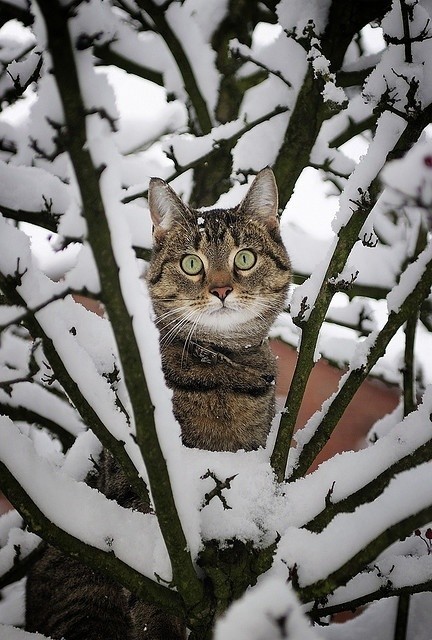
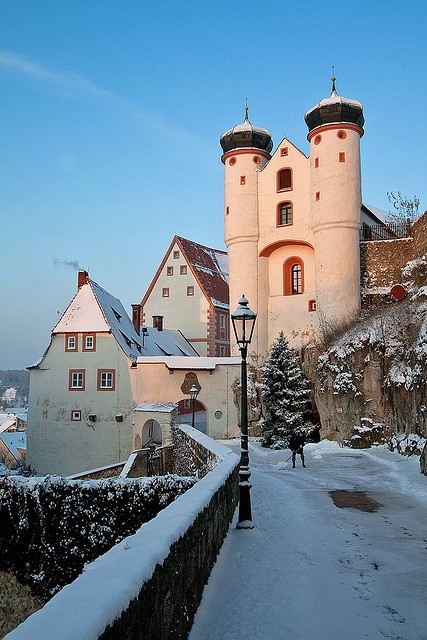
Winter sunset — Parsberg Castle, Germany
Castle silhouettes at sunset are a European winter staple, and Parsberg’s setting delivers the expected romance: stone against colored sky, cold air sharpening every outline. Arrive early enough to watch light change; bring a tripod if you want clean dusk frames. The travel lesson is timing. Wonderland hours are short; missing the glow means a gray wall and a long drive home.
Winter Sunset, Parsberg Castle, Germany
Edinburgh, Scotland
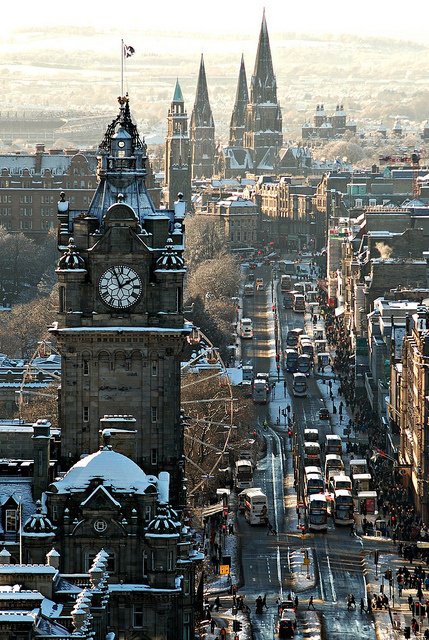
Edinburgh in the cold
Edinburgh winters are often wetter than postcard-white, which makes true snow days feel earned. Castle rock, Georgian crescents, and steep closes take on high contrast when frost sticks. Street photography thrives: breath in air, dark coats, warm pub windows. The city’s vertical streets funnel wind; dress for it. A travel wonderland here is urban and literary as much as scenic—stone, weather, and people sharing narrow pavements.
Work the golden half-hour when cloud breaks, then retreat indoors without guilt. Scottish winter travel is as much about knowing when to stop as knowing where to stand.
Reading the map, not the mood filter
Move place to place rather than treating every image as interchangeable “pretty snow.” Yosemite is geology. Finland is ritual. Paris is urban theatre. Småland is everyday north. Mont Blanc and the Dolomites are mountain seriousness. Liguria is a rare southern white. Tivoli is designed night. Parsberg is silhouette timing. Edinburgh is city cold. Together they argue that winter wonderland is a travel category with coordinates—not only a feeling you stage at home.
Pick one destination that surprised you, look up its winter access rules and daylight hours, and decide whether the photograph is invitation enough. Some wonders are for visiting; some are for looking, then staying put with the tea you already poured—while the map stays open for another year.

Comments
Continue reading

Winter Wedding Bouquets: Berries, Evergreens, and Cold-Season Texture
Inspiration for bridal bouquets that embrace winter—evergreens, berries, dried elements, feathers, and practical tips for cold venues and coats.

Kate Moss for Mango Winter ’12 by Inez & Vinoodh
Kate Moss fronts Mango’s Winter 2012 campaign in London studio images by Inez van Lamsweerde and Vinoodh Matadin—knits to sequins, high-street cool as seasonal retail theater.

Winter Work Outfits That Stay Warm and Sharp
Layer blazers, knits, skirts, boots, and scarves for cold commutes and polished desks—practical winter office chic without the morning puzzle.