
Winter Wedding Bouquets: Berries, Evergreens, and Cold-Season Texture
Inspiration for bridal bouquets that embrace winter—evergreens, berries, dried elements, feathers, and practical tips for cold venues and coats.
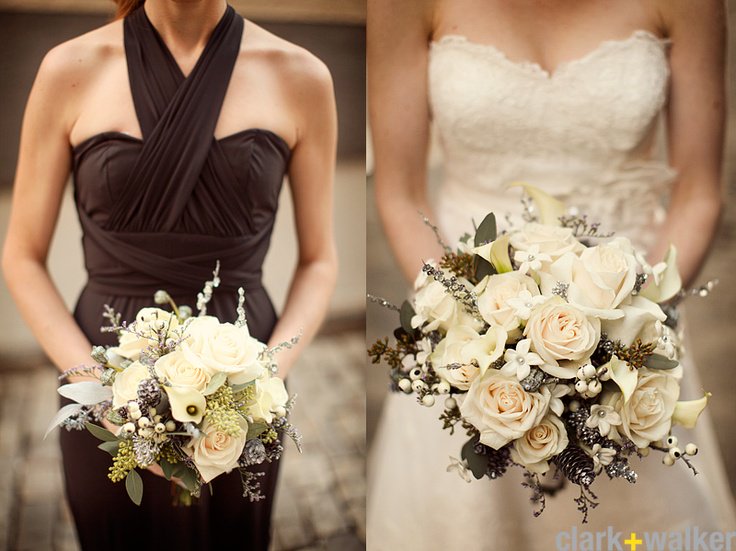
A winter wedding bouquet does not need to apologize for the season. Peak summer blooms may be scarce or expensive, but cold months bring their own palette: deep evergreens, berries, dried seed heads, pale roses that hold in cool air, and textural pieces—twigs, pine cones, feathers, ribbon with weight—that make a hand-tied bunch feel deliberate rather than improvised. The goal is not to fake spring. It is to let winter look intentional.
The arrangements below are inspiration for brides, planners, and florists who want something beyond the classic round rose ball. Notice silhouette as much as flower names: cascading forms, compact posies, loose garden styles, and structured wraps all read differently against a wool coat, a velvet sleeve, or a bare winter landscape.
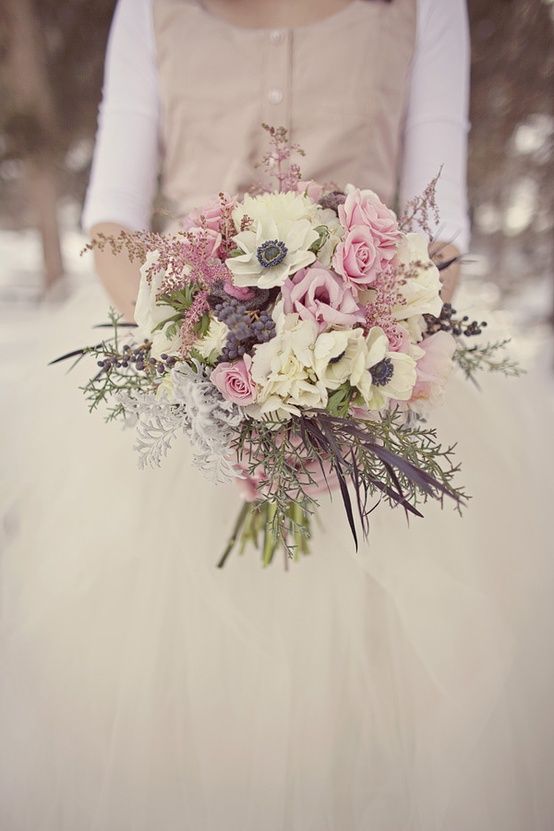
Start by deciding whether the bouquet should feel soft or graphic. Soft winter designs lean on dusty miller, ranunculus, garden roses, and eucalyptus. Graphic ones push contrast: dark foliage against ivory petals, berries against pale ribbon, or a single strong green against almost white blooms. Both work; mixing them without a plan often looks accidental.
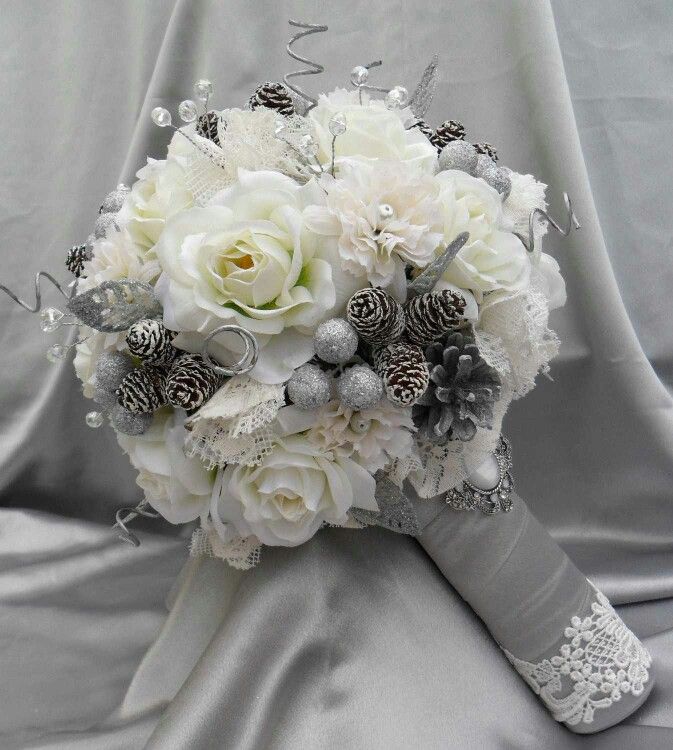

Height and scale matter more in winter photography than many couples expect. A tall, airy bouquet photographs beautifully against snow or stone, but it can overwhelm a petite frame or a narrow aisle. A denser, mid-size bunch travels better through coat sleeves and car doors. Ask your florist to mock the size against your dress silhouette before you lock the recipe.
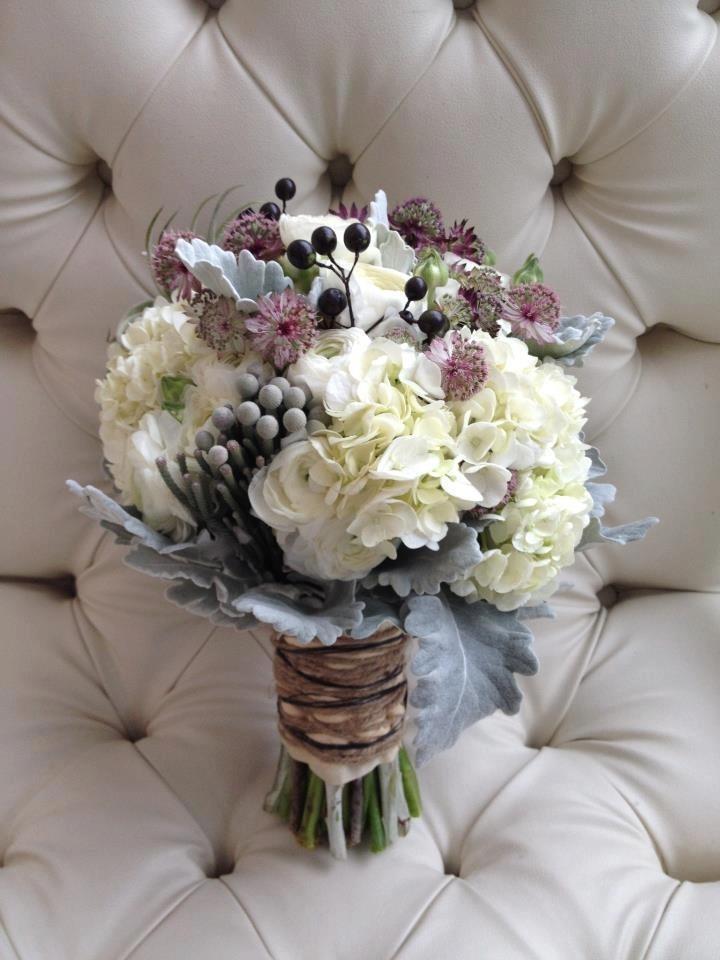
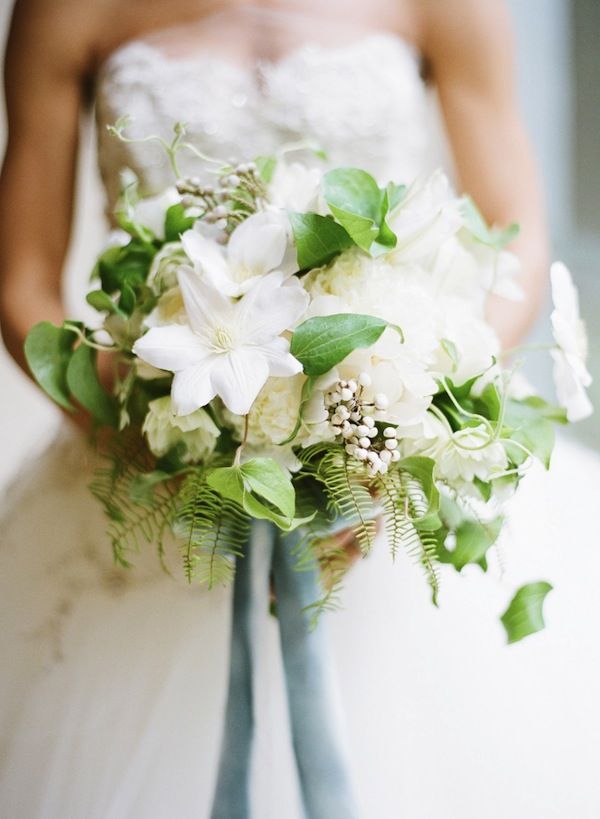
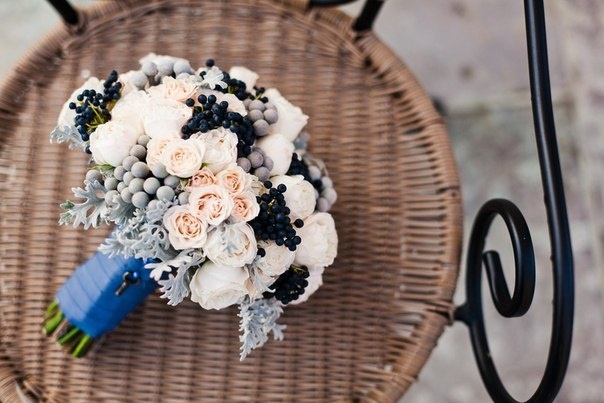
Berries are winter’s jewelry. Hypericum, rose hips, and similar fruiting stems add color without relying on tropical flowers that fight the season. Use them as accents, not the entire story, unless you want a wild woodland look. Warn anyone carrying the bouquet that berries can stain pale fabric if crushed—wrap stems cleanly and keep water away from the dress bodice.
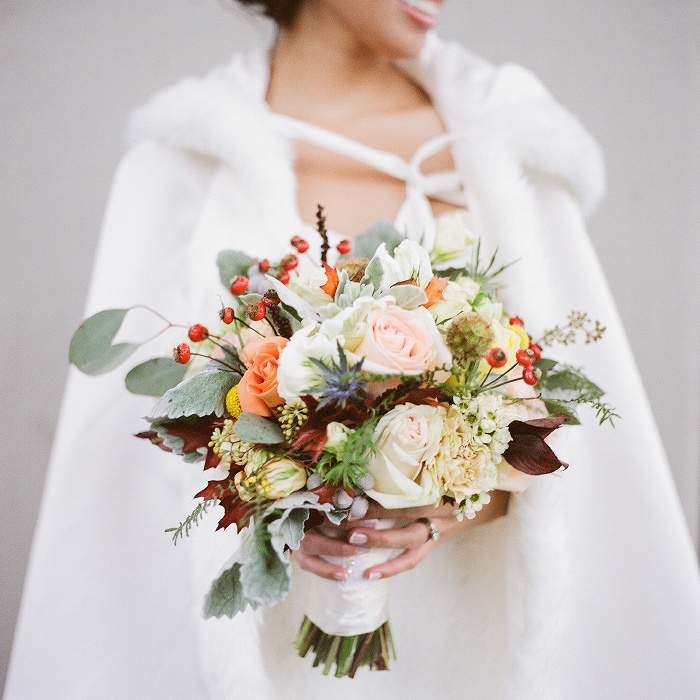
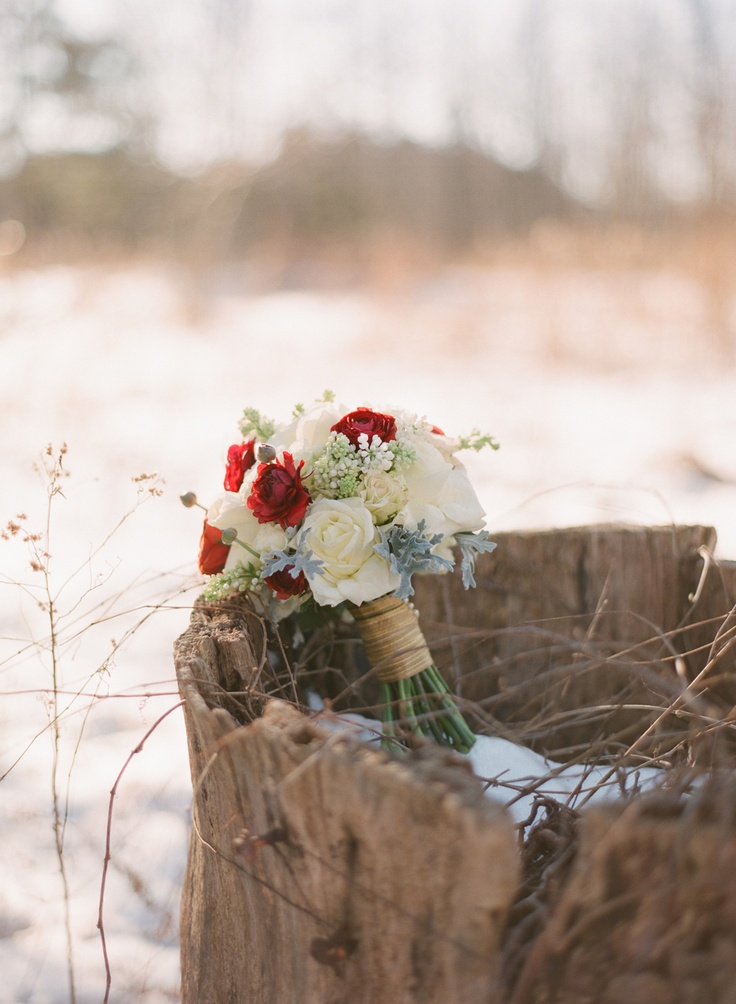
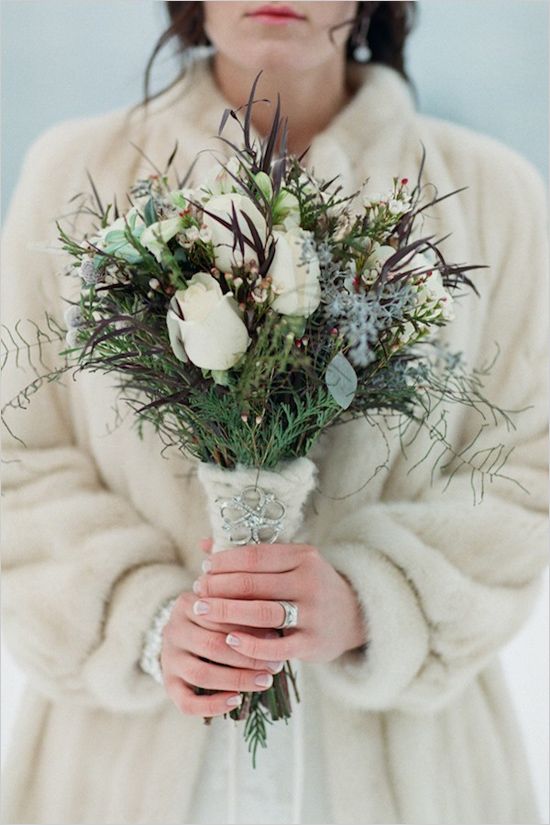
Evergreen sprigs—pine, fir, cedar—smell like the season and photograph with strong silhouette. A little goes far. Too much can make the bouquet smell like a Christmas tree and shed needles onto ivory silk. Ask for shorter tips, not long branches, and strip lower needles so the handle stays comfortable.
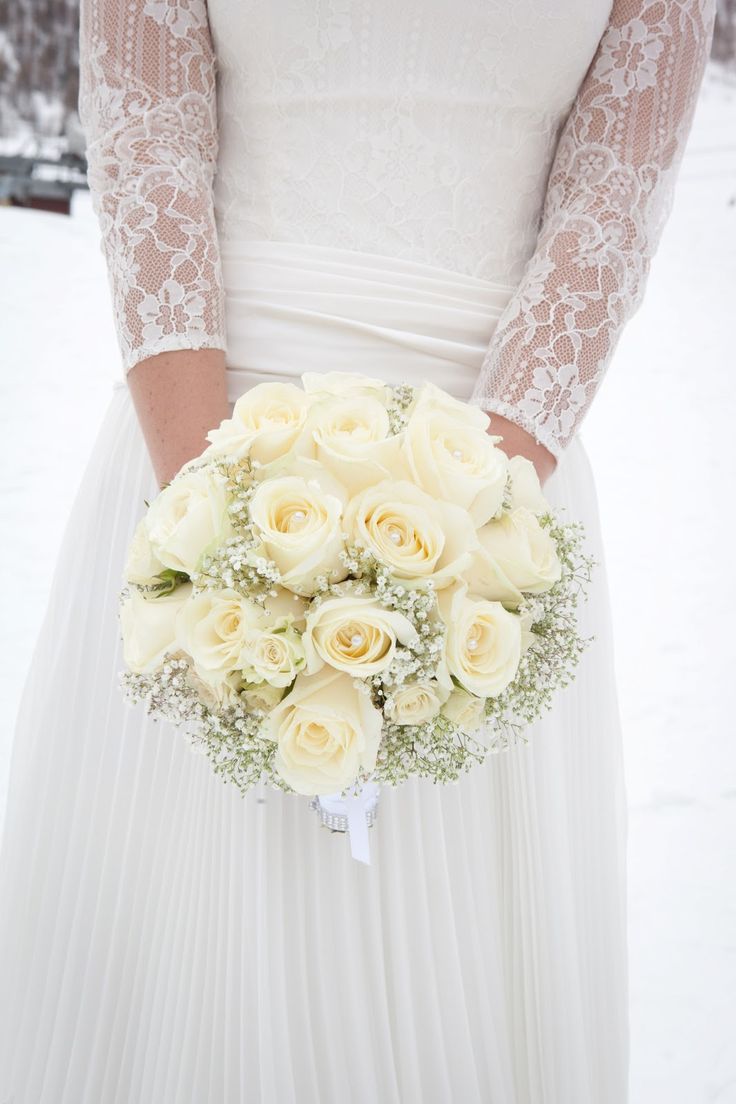
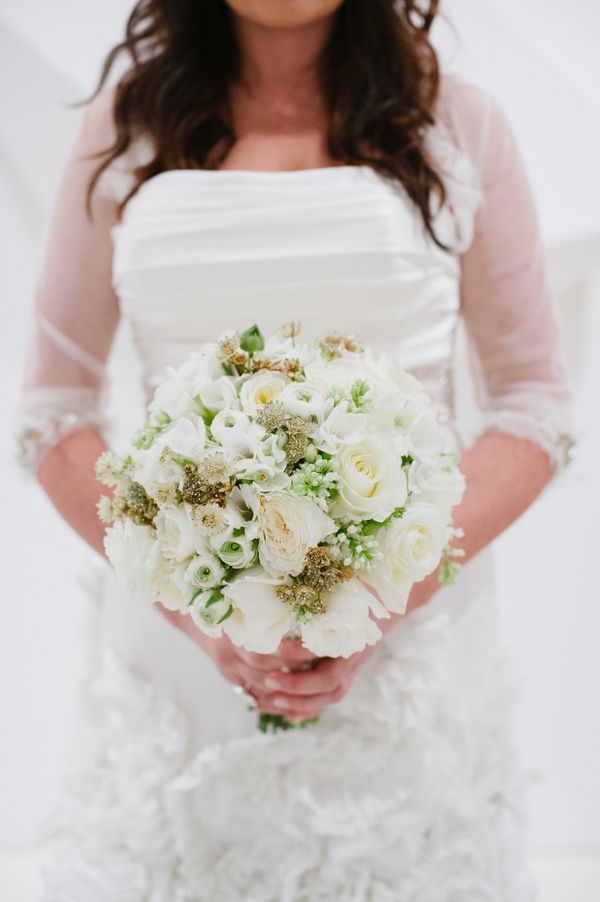
Cascading styles suit formal gowns and cathedral aisles. They need careful wiring or binding so the trail does not collapse when you walk. If your ceremony is outdoors in wind, cascade plus long veil can become a management problem. Consider a shorter trail for windy venues, or plan for an attendant to help with the hem and bouquet together.
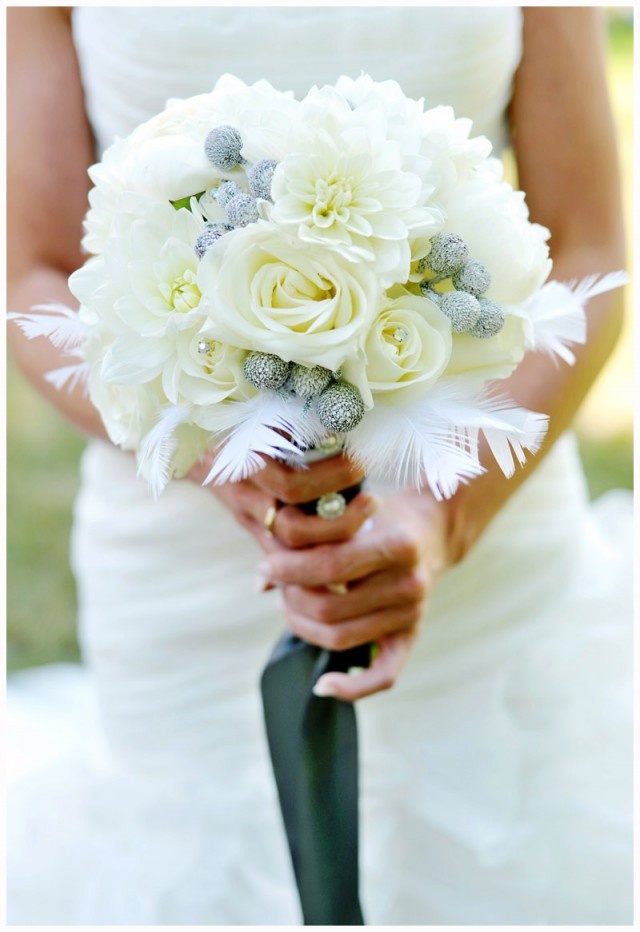
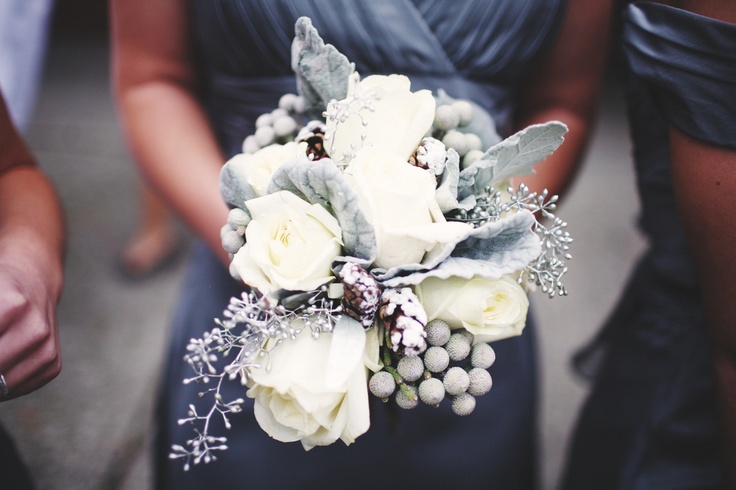
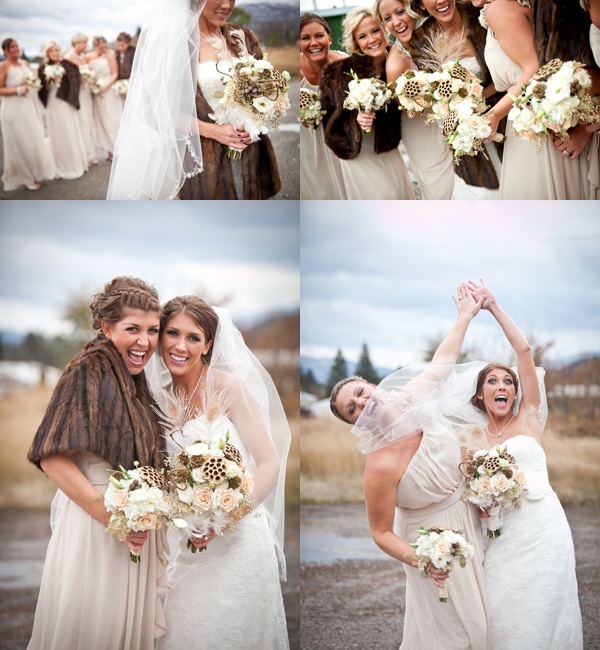
Dried elements—seed pods, preserved leaves, wheat, or dried hydrangea—extend the palette when fresh flowers are limited. They also reduce last-minute wilting risk in heated rooms. Balance is key: a fully dried bouquet can look crafty rather than bridal unless you add a few fresh faces and a finished wrap.
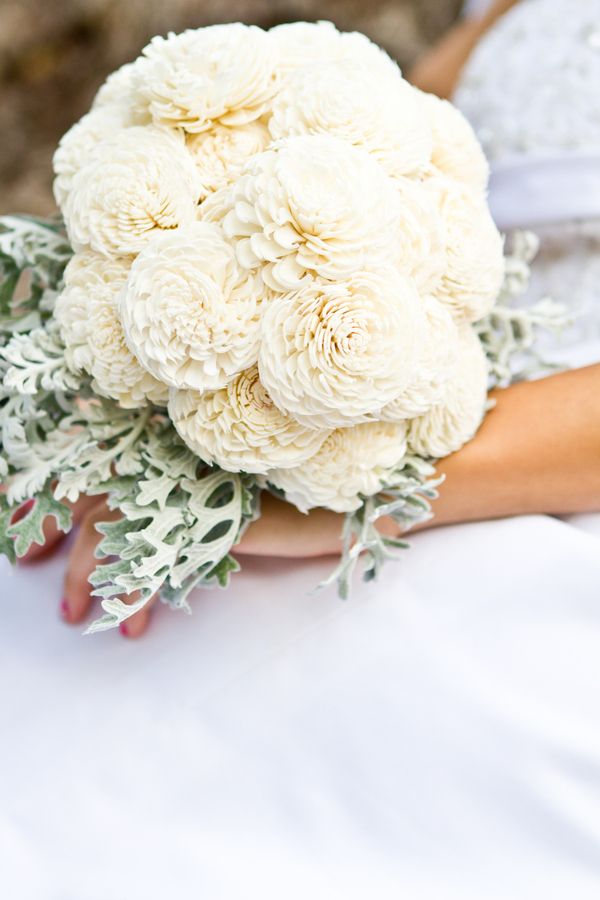
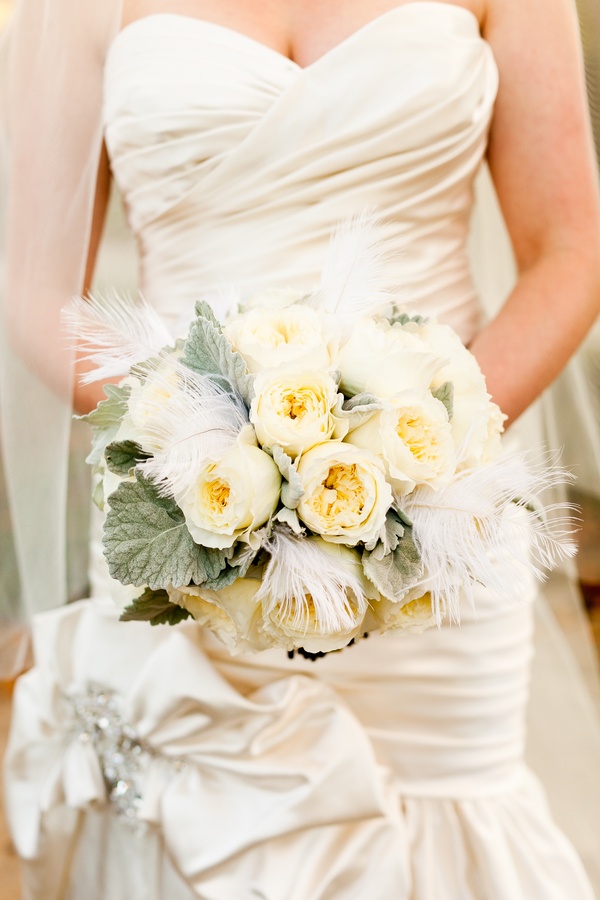
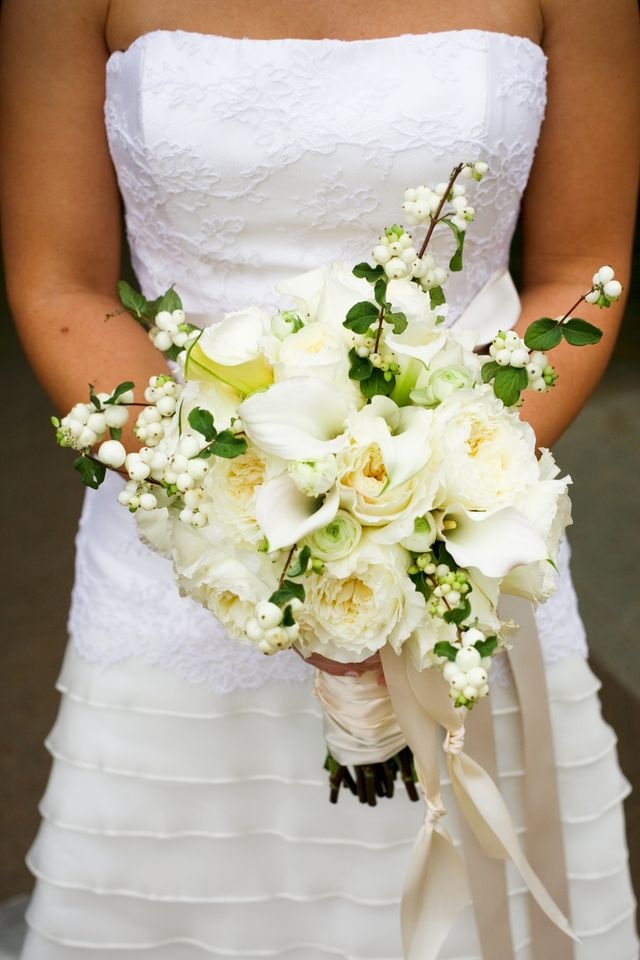
Ivory-and-green remains the safest winter classic because it photographs cleanly and pairs with most dresses. If you want personality, change the foliage—silvery eucalyptus versus deep holly—or change the wrap: velvet ribbon, raw silk, or a narrow leather cord can shift the mood without changing the flower list.
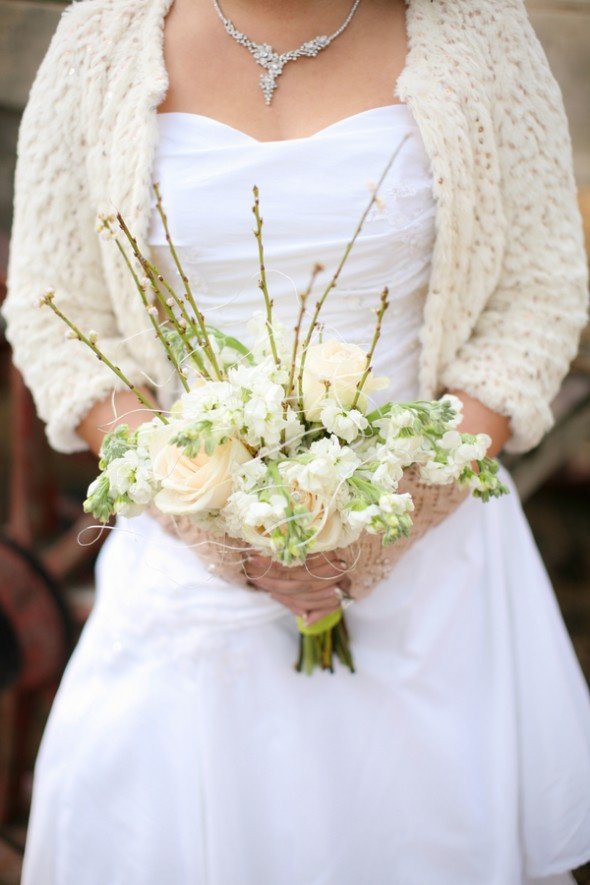
Feathers and unusual textures belong in winter more easily than in high summer. Used sparingly, they add movement in still photos. Used heavily, they can look costume-like. If allergies or venue rules are a concern, ask for alternatives that read similarly in silhouette—soft grasses, pale thistle, or frosted foliage.
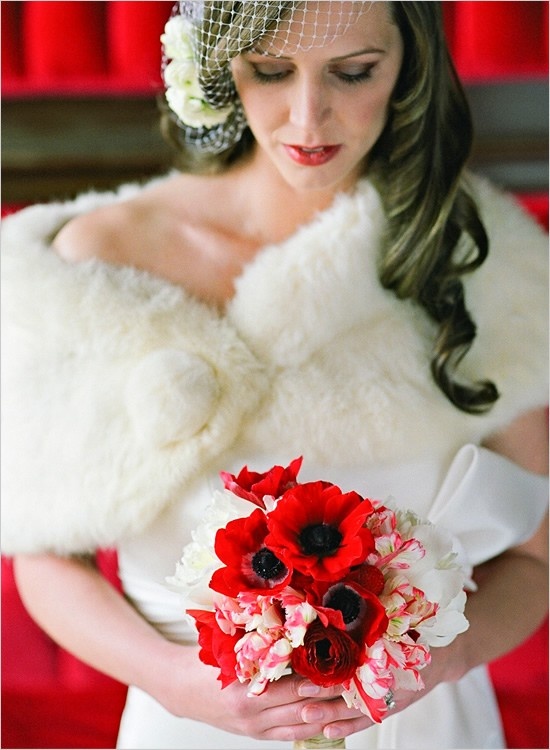
Deep tones—burgundy, plum, forest green—suit evening winter weddings and candlelit rooms. They need good lighting for photos; dark flowers against a dark dress can disappear. A few pale blooms or a light wrap keep the bouquet readable in low light.
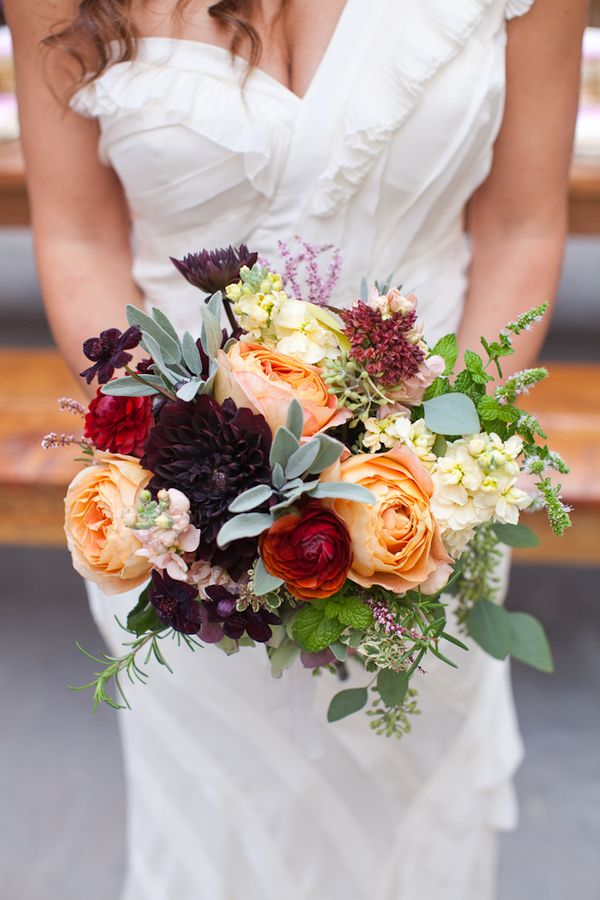
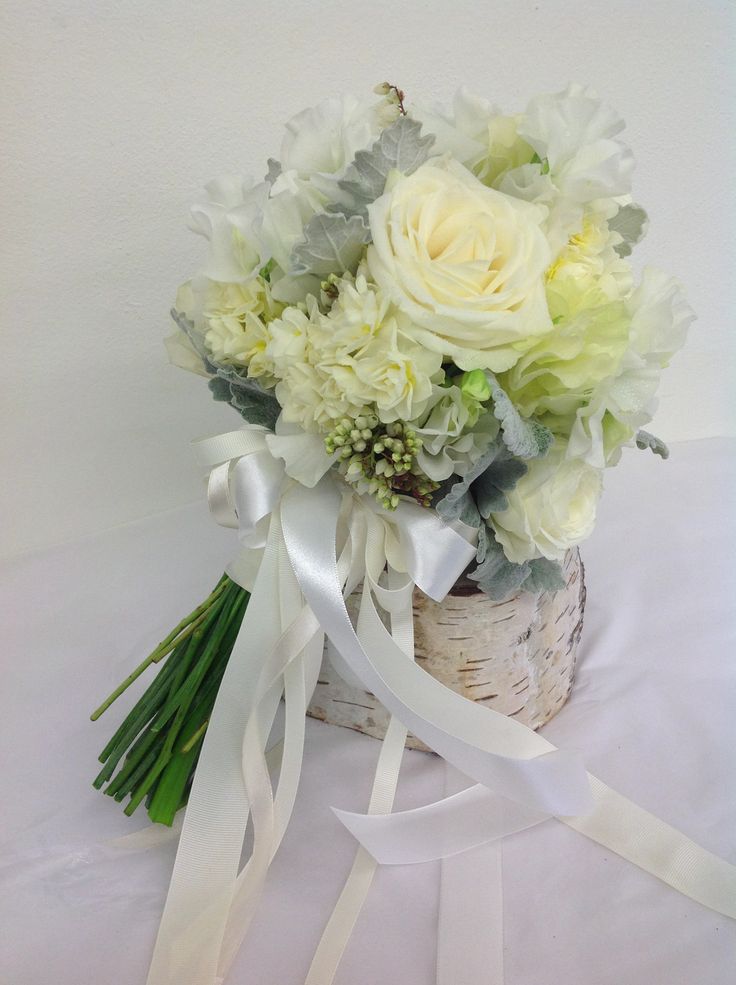
Loose garden styles feel modern and romantic, but they demand stem support. Winter flowers can be brittle; ask your florist about conditioning time, especially if the bouquet sits in a cold vestibule then moves into a warm reception. Sudden temperature swings are harder on petals than steady cool air.
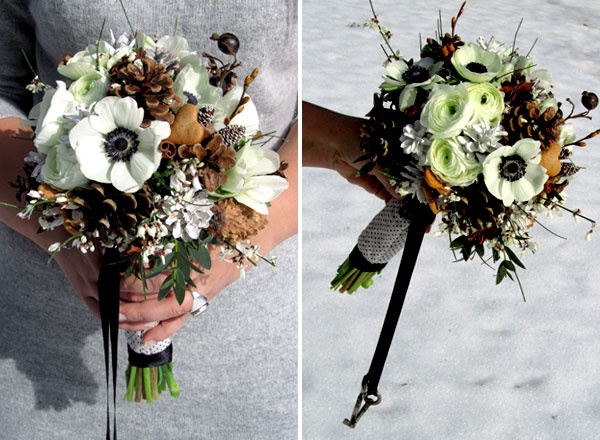
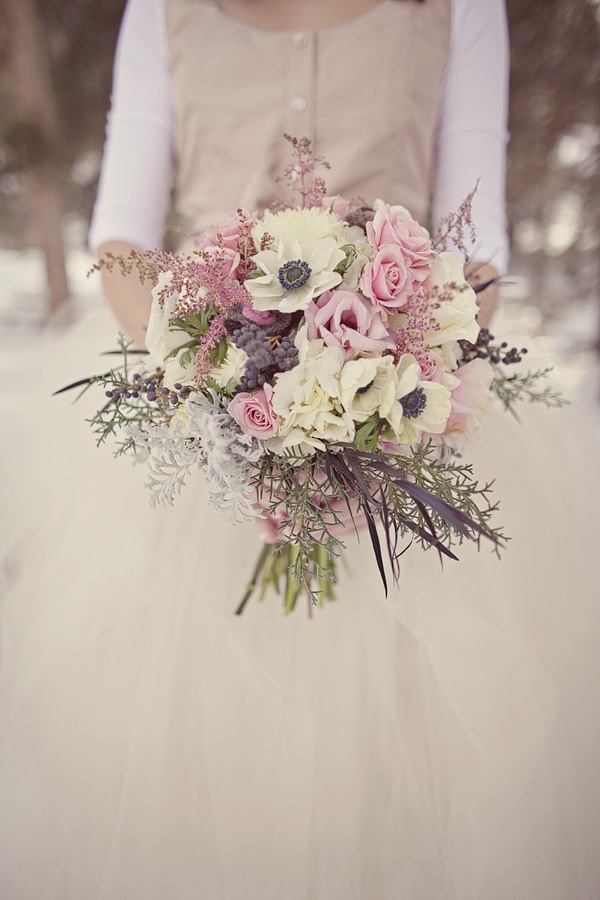
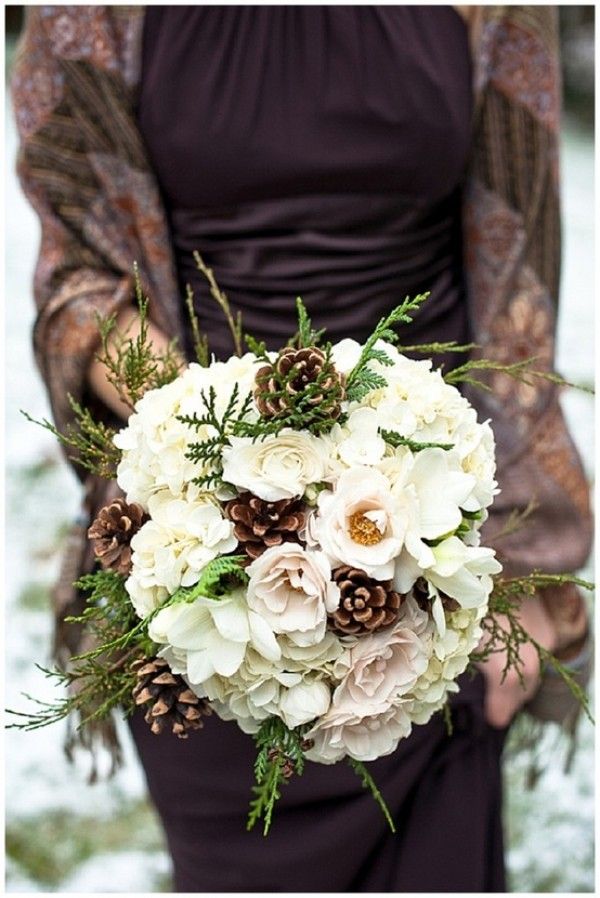
Pine cones and woody accents work when they are small, clean, and wired firmly. Large cones fight the hand and catch on lace. Think of them as punctuation, not the paragraph. The same rule applies to ornaments, crystal picks, and metallic leaves: one or two details beat a full costume jewelry bouquet.
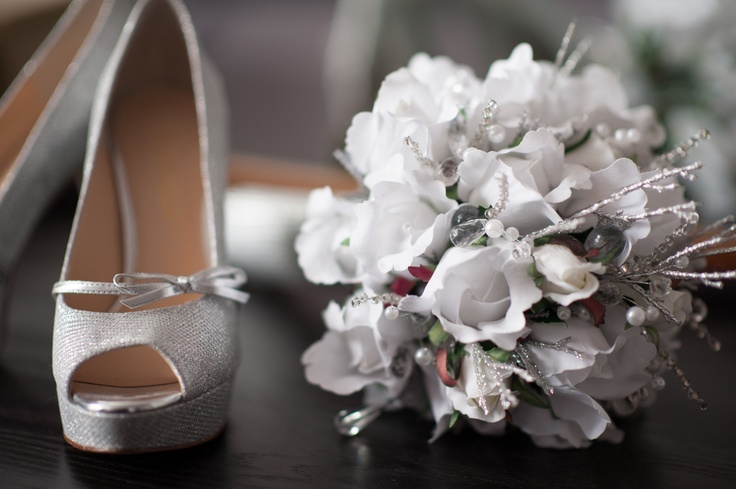
Match bouquet mood to the rest of the floral plan. A wild, textural bridal bunch beside tightly uniform centerpieces can look like two different weddings. Either soften the tables or tighten the bouquet—consistency of foliage and color temperature helps more than matching every flower exactly.
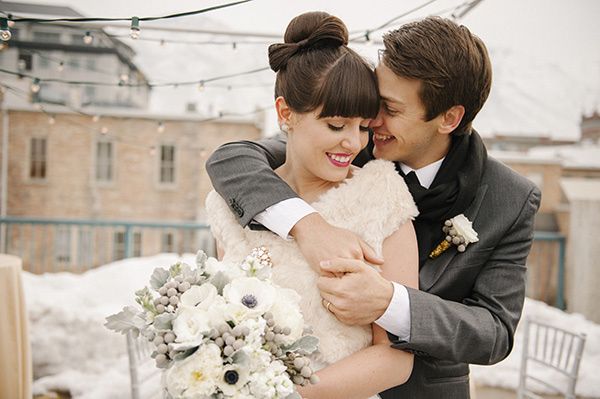
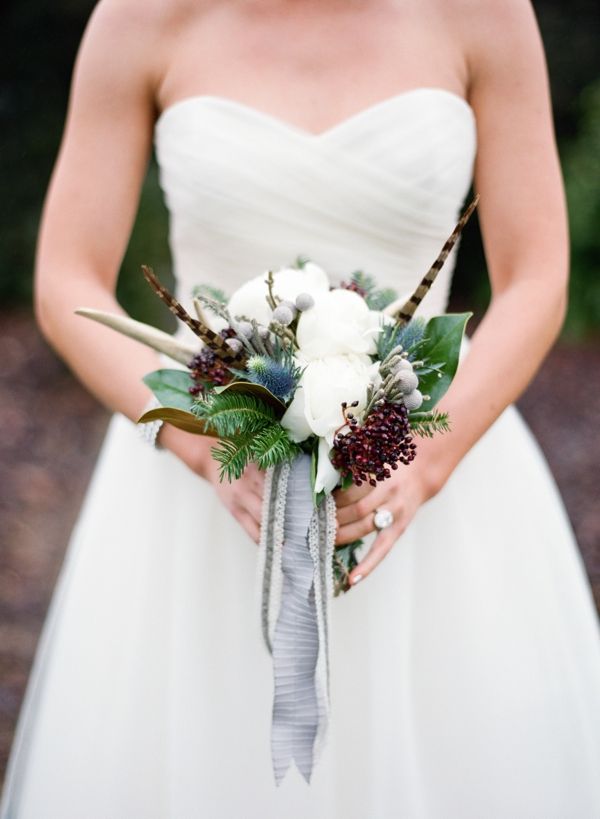
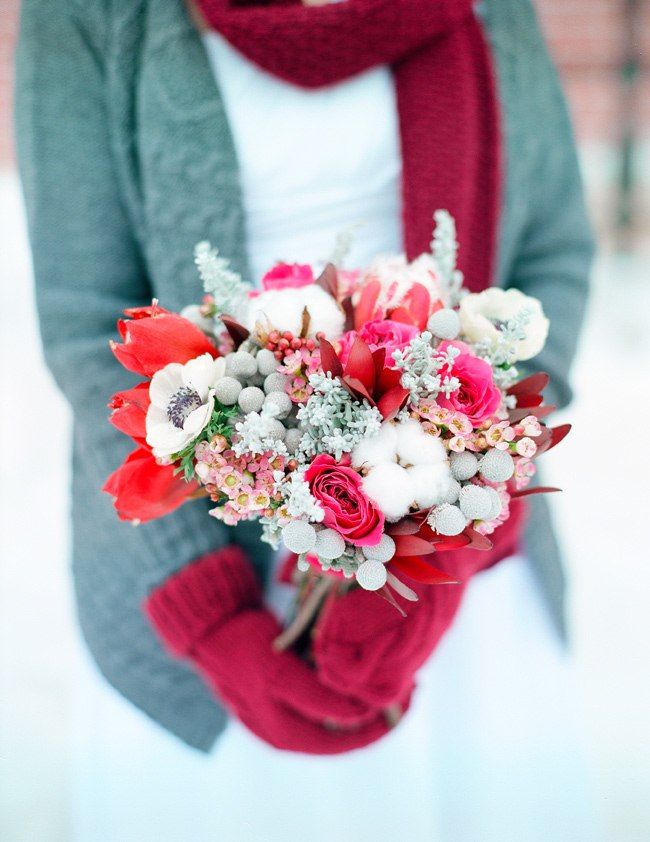
Practical handling tips worth locking early: keep the bouquet in water until the last safe moment, blot the handle before you hold it against the dress, assign someone to carry it during coat changes, and plan a vase for the reception so the flowers stay hydrated during dinner photos. Winter rooms are often overheated; stems suffer quietly while everyone else warms up.
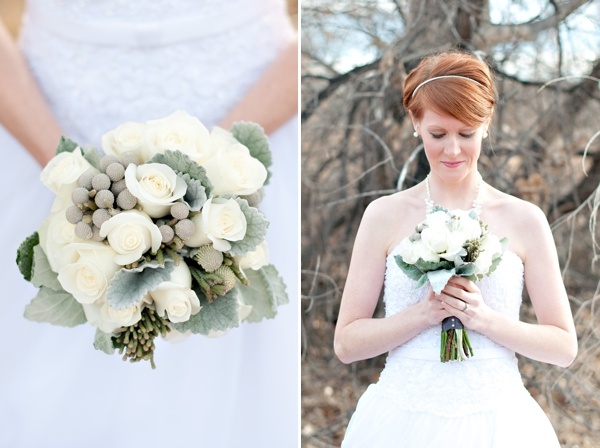
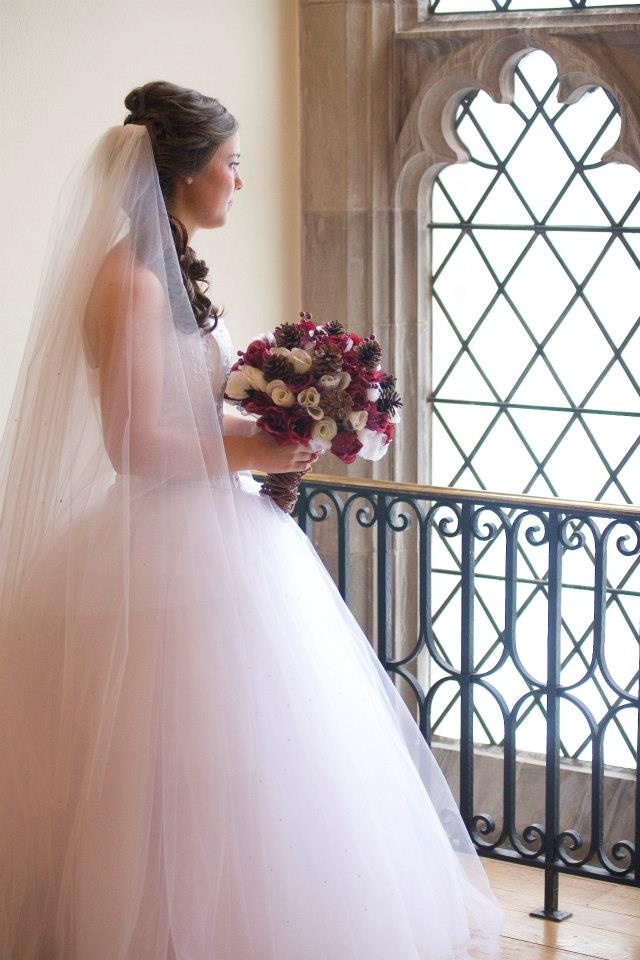
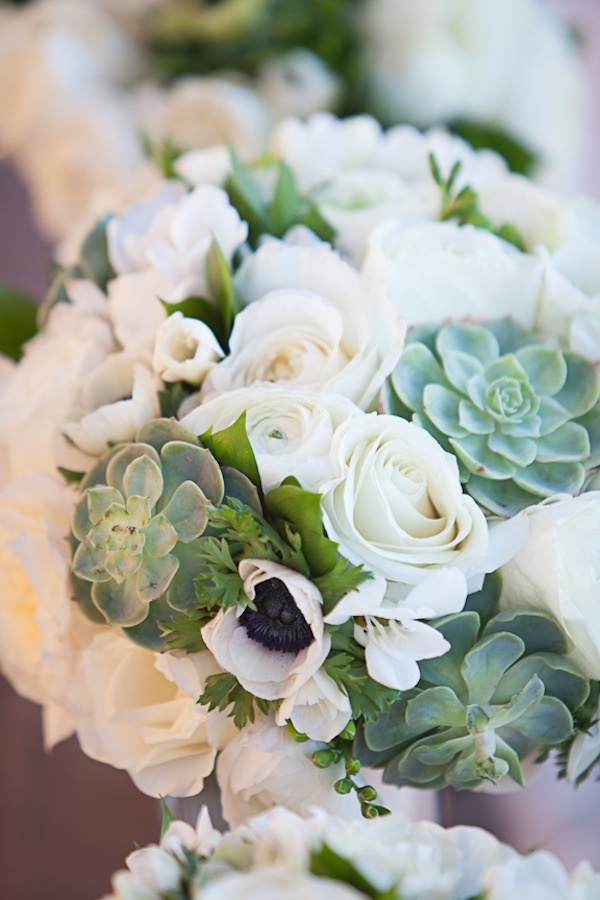
If you are ordering out of season blooms, be honest about budget. Winter roses and peonies (when available) can dominate the floral line. Sometimes a simpler flower list with stronger foliage and berries looks richer—and photographs better—than forcing a summer recipe into November.
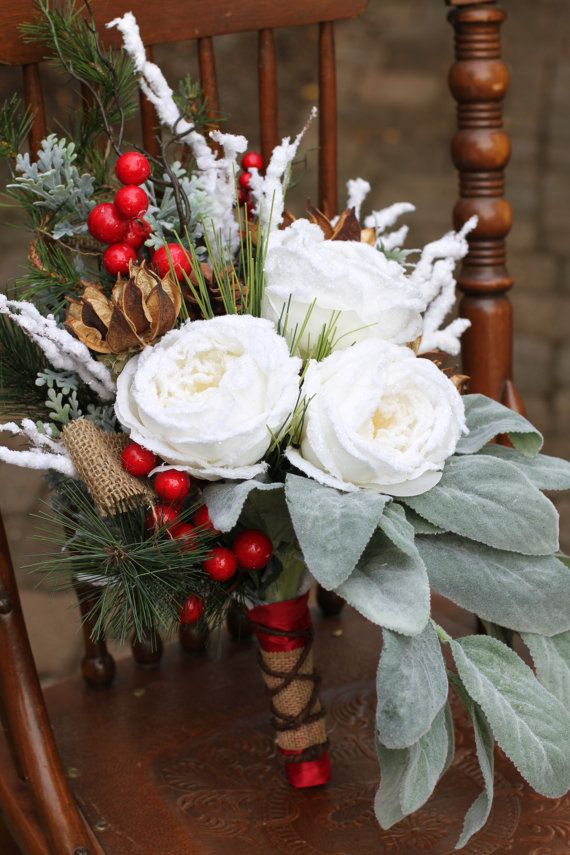
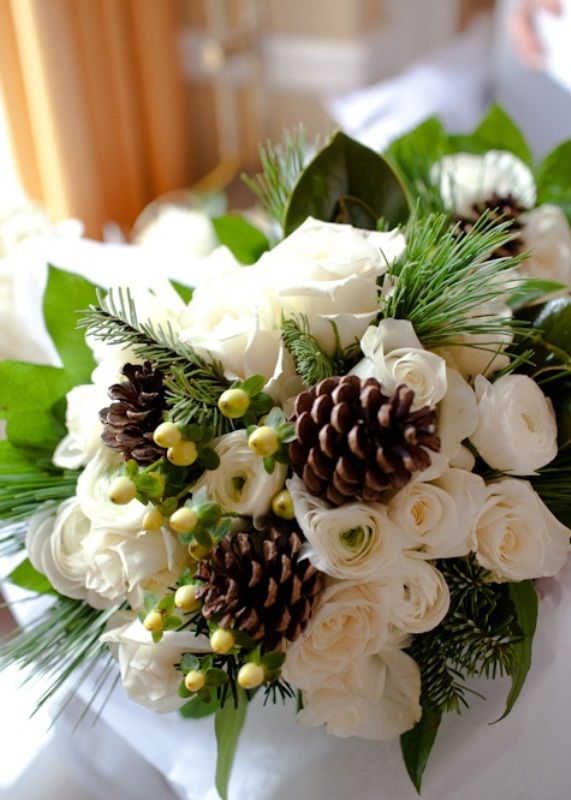
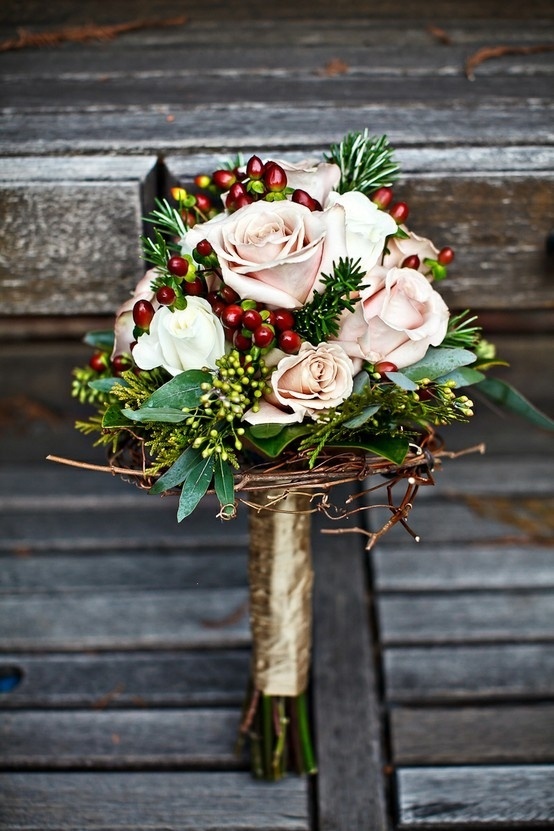
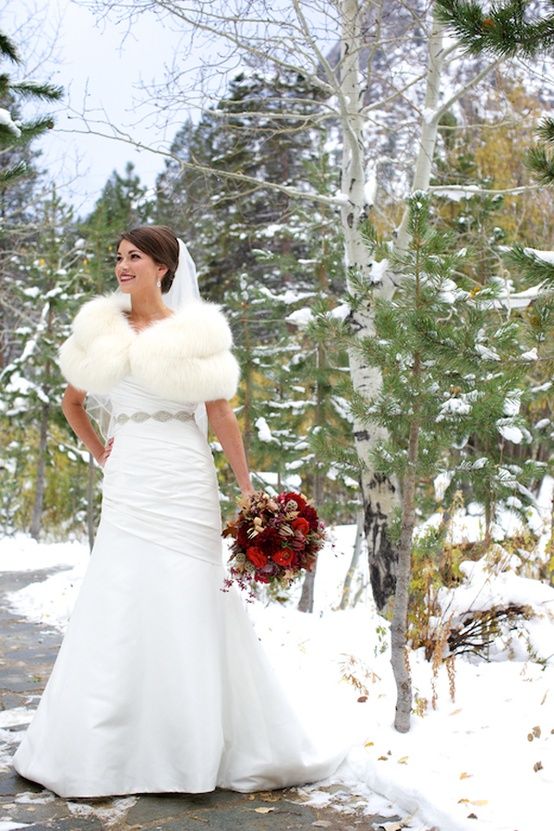
Coat and wrap coordination is a winter-specific detail. A bulky sleeve changes how you hold stems; a fur or faux-fur wrap can snag on berries and wire. Practice the walk with the real wrap and a mock bouquet if possible. Photos of “bouquet plus coat” are often the images guests remember from cold-weather weddings.
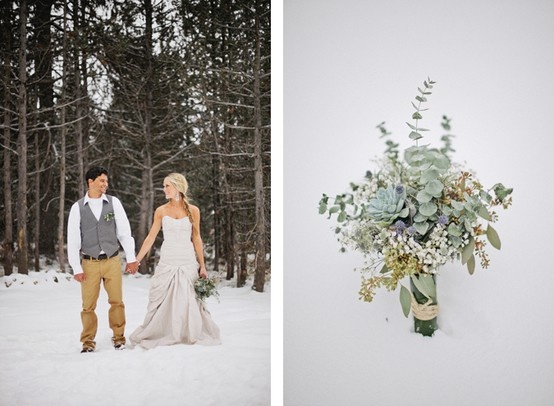
Bridesmaids’ bouquets should echo the bridal piece without copying it. Smaller scale, fewer rare blooms, and the same foliage family keep the party coherent. For winter events, consider muffs, wristlets, or single stems for young attendants who will struggle with large bunches in gloves.
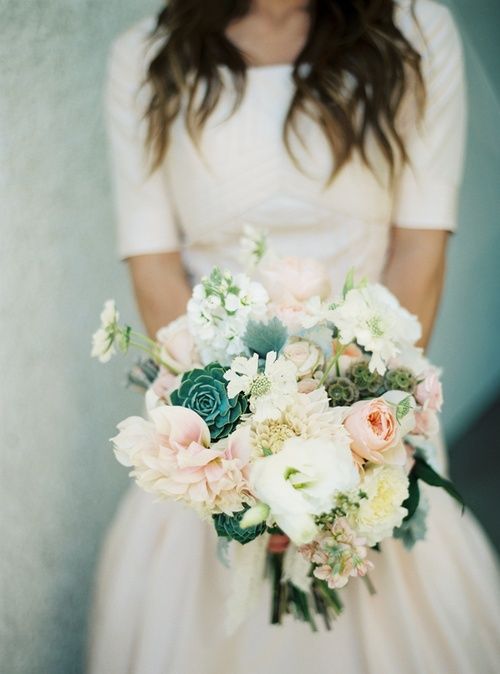
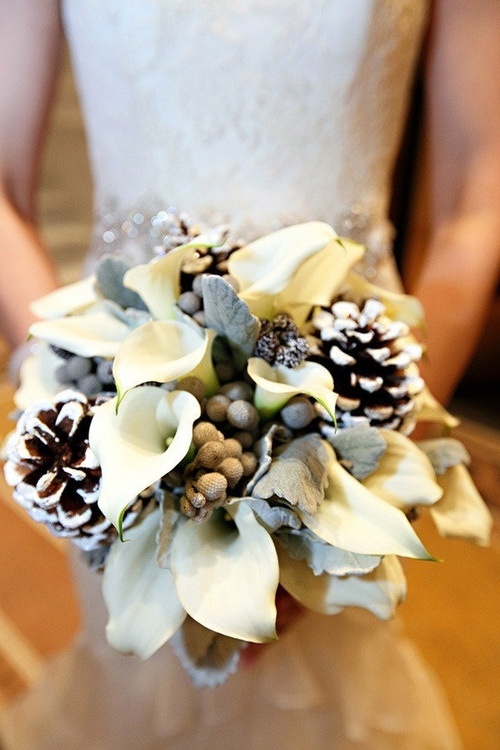
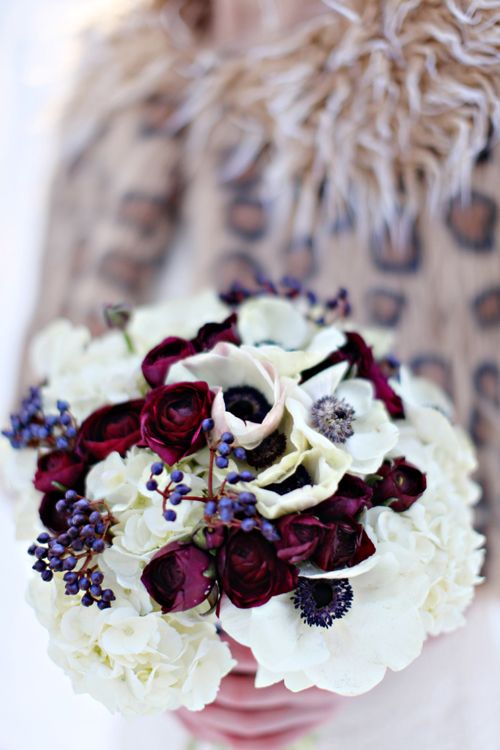
Before you finalize, pick three reference images that share a color temperature and a texture level, then ignore the rest of the board. Tell your florist the season, venue temperature, dress neckline, and whether you need the bouquet to survive outdoor portraits. A winter wedding bouquet succeeds when it feels like cold-weather floristry on purpose—not like summer flowers waiting for better weather.

Comments
Continue reading
Pink Bridal Bouquets: Peonies, Roses, and Soft Pastels
Pink wedding bouquet ideas—peonies, roses, ranunculus, mums—with shade matching, shapes, and practical tips for brides.
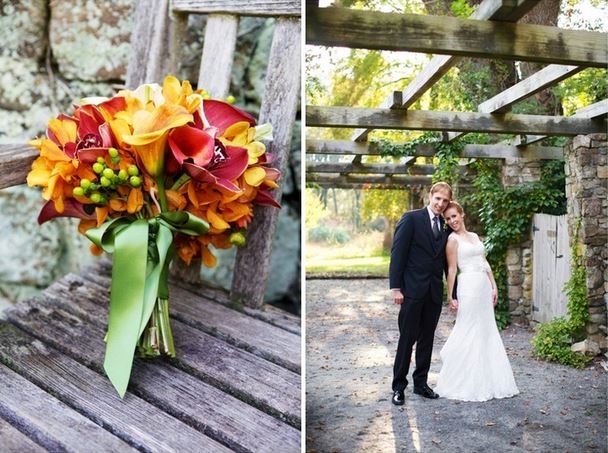
Warm and Earthy Fall Wedding Bouquets
Rust, burgundy, amaranthus, and garden texture — how to build seasonal bridal bouquets that feel like autumn, not forced pastels.

Kate Moss for Mango Winter ’12 by Inez & Vinoodh
Kate Moss fronts Mango’s Winter 2012 campaign in London studio images by Inez van Lamsweerde and Vinoodh Matadin—knits to sequins, high-street cool as seasonal retail theater.