
Pink Bridal Bouquets: Peonies, Roses, and Soft Pastels
Pink wedding bouquet ideas—peonies, roses, ranunculus, mums—with shade matching, shapes, and practical tips for brides.
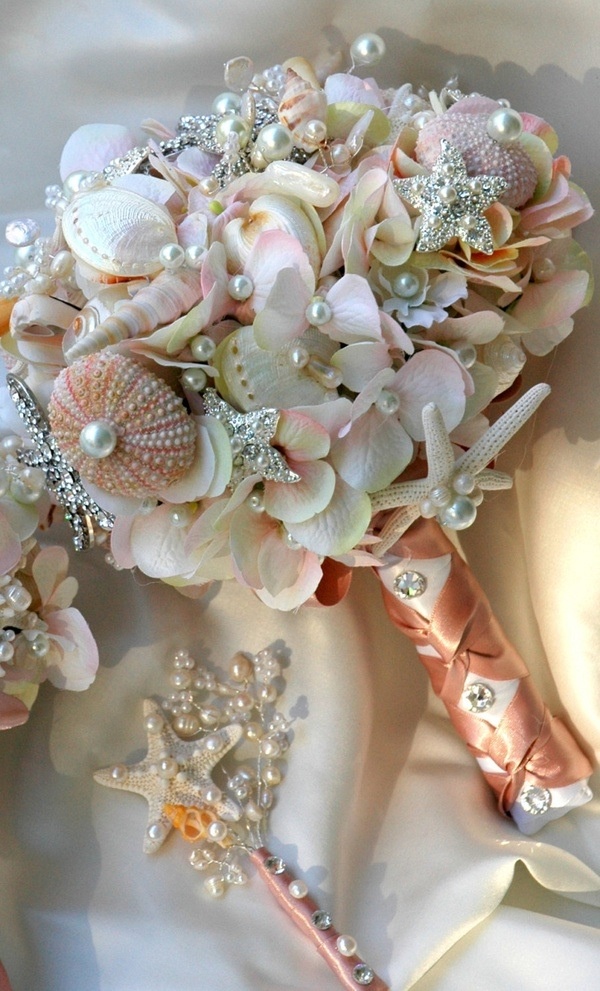
Pink bridal bouquets earn their popularity the honest way: they flatter most wedding dresses, photograph beautifully in daylight and warm reception light, and offer a wide emotional range—from barely-there blush to saturated rose—without leaving the same color family. Chrysanthemums, peonies, garden roses, and ranunculus all take pink naturally and gracefully, especially when paired with white, cream, or soft lilac.
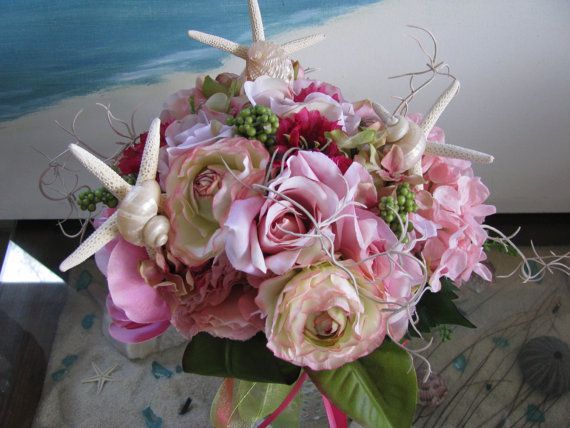
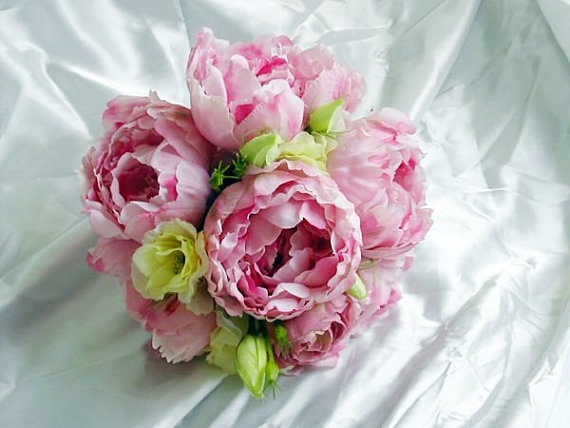
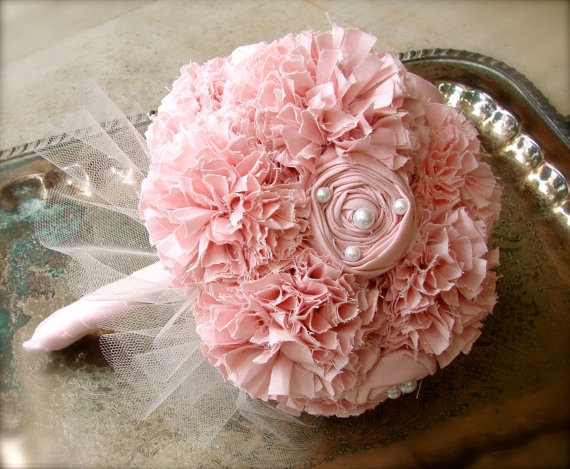
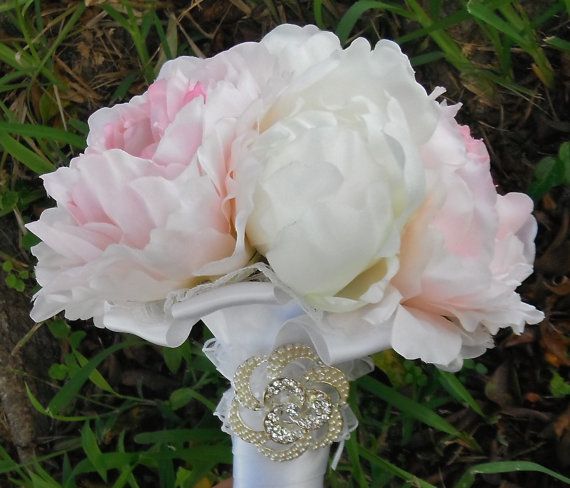
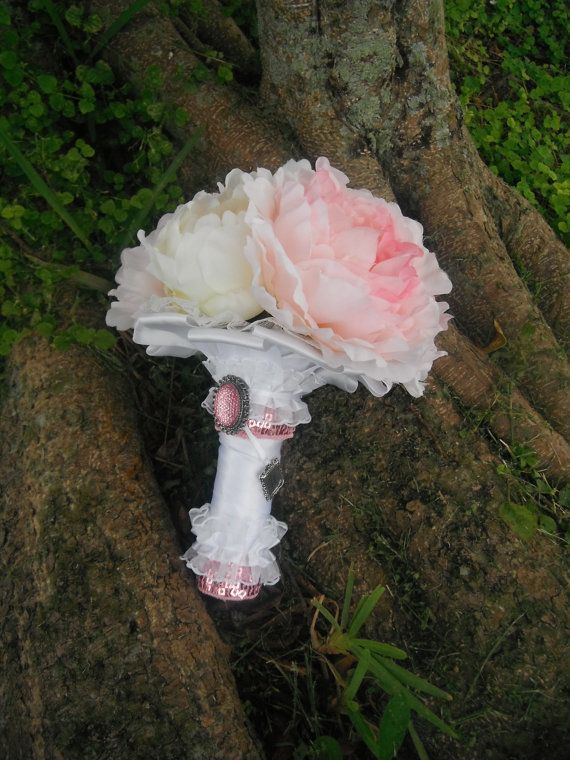
This roundup gathers pink bouquet ideas for brides who want the color to feel intentional rather than default. Some arrangements lean romantic and round. Others look wilder, with trailing greens or mixed petal textures. A few stay nearly monochrome; others invite a second pastel so the pink does not read flat on camera. Across the set, the shared job is harmony: pink complementing the dress instead of competing with lace, sparkle, or a strong neckline.
If you plan a pink bouquet, start with shade, not flower name. Blush behaves differently from fuchsia. Dusty rose sits closer to mauve. Hot pink can energize a minimalist gown or overwhelm a busy lace dress. Hold fabric swatches against sample blooms in real daylight and under warm indoor bulbs. Phone screens flatten undertone, and undertone is where mismatches hide until the album comes back.
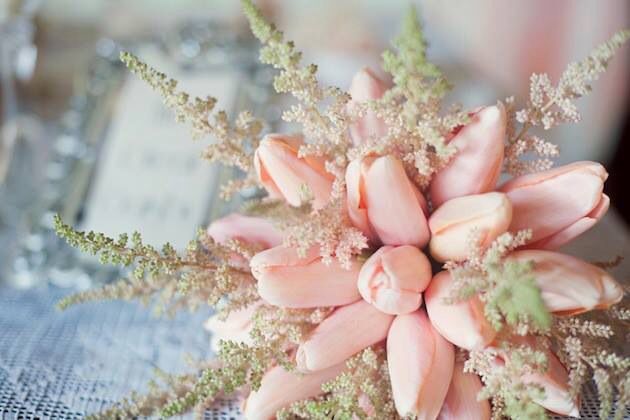
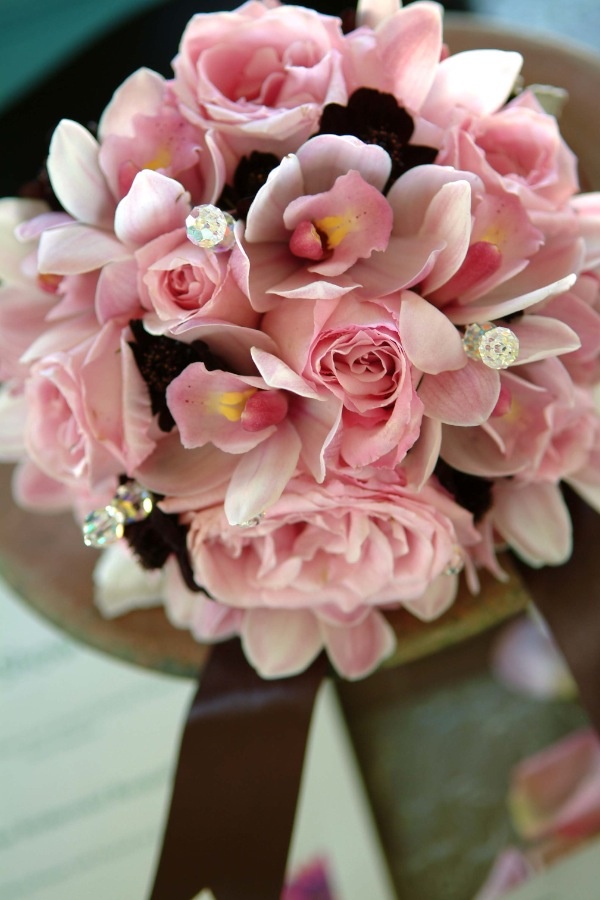
Blooms that carry pink well
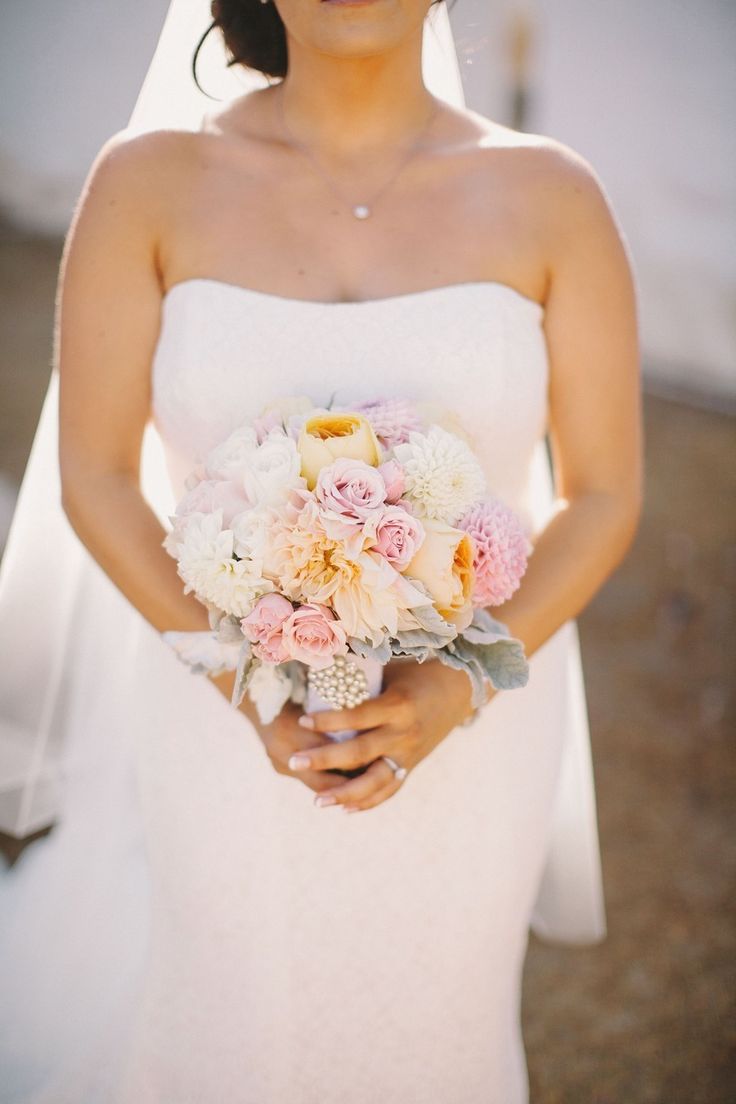
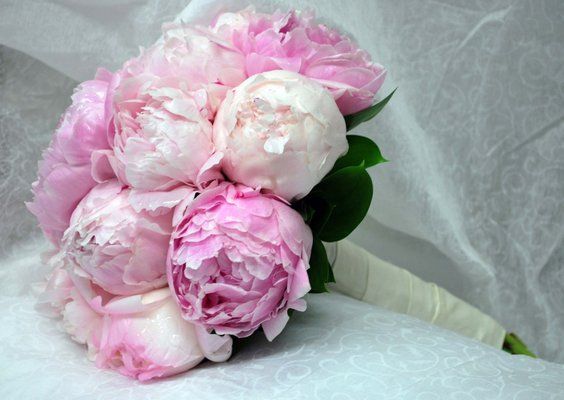
Peonies remain a favorite for lush, cup-shaped pink. Their season is short in many climates, so garden roses or ranunculus often stand in with similar softness. Spray roses add smaller repeating shapes that read as texture in photographs. Soft chrysanthemums—“mums” in florist shorthand—offer durability and value when budgets are tight, and they look refined when the palette is carefully controlled rather than left candy-bright.
Ranunculus gives tightly layered petals and a slightly modern silhouette. Lisianthus can bridge pink and lilac. Dahlias, when available, bring graphic geometry that photographs with crisp edges. Greenery choices change mood almost as much as flower choice: eucalyptus cools the pink; fern softens it; dusty miller adds silver that makes blush look cleaner against white silk.
Ask early which pink varieties open fully by ceremony time and which bruise in heat. A beautiful closed bud in the cooler can still be the wrong bloom for a humid outdoor aisle. Durability is part of beauty on a wedding day, not a separate practical afterthought.
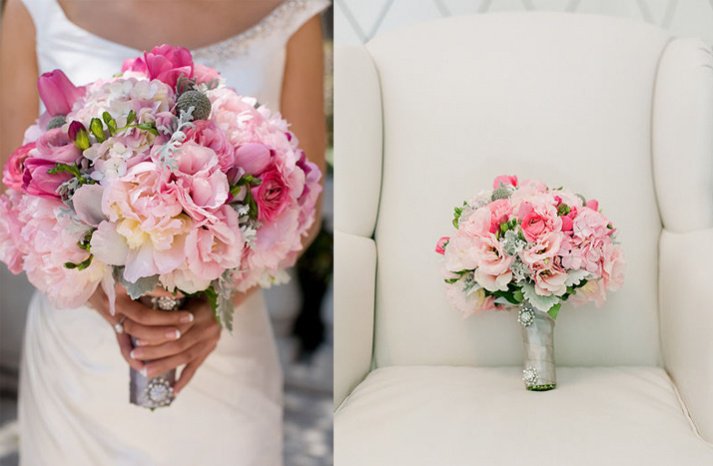
Shapes: round, cascading, and hand-tied
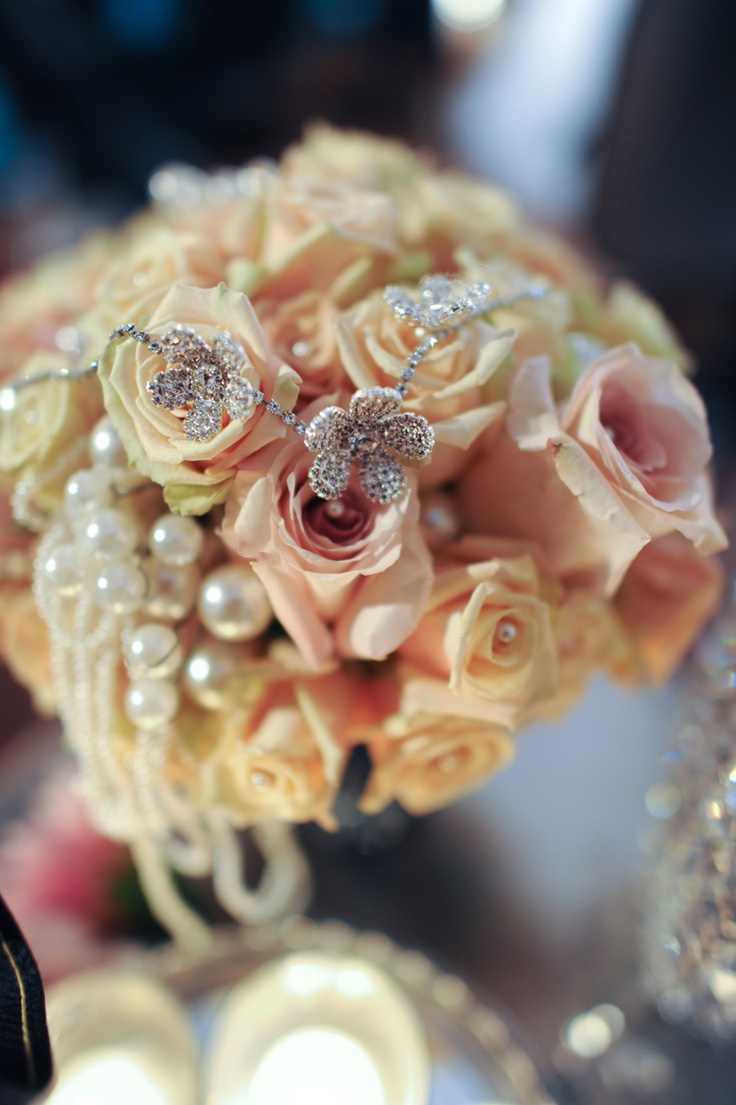
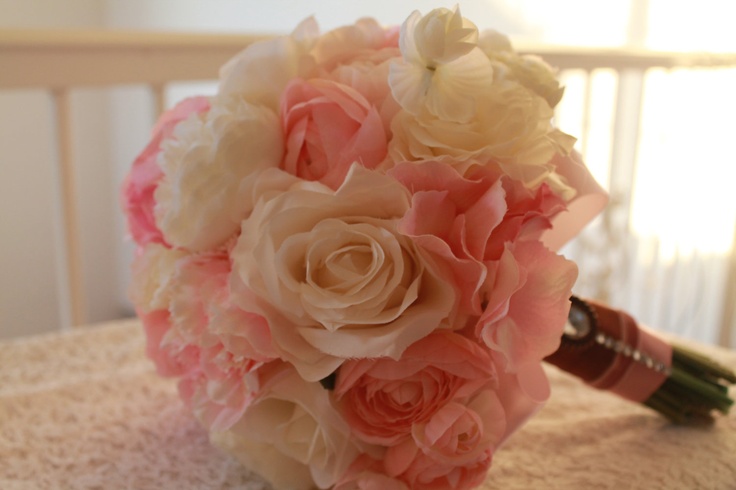
A classic dome bouquet concentrates color into a circular mass that frames the waist and hands. It suits formal gowns and structured venues. Hand-tied garden styles look looser, with stems visible and blooms at slightly different heights. Cascading shapes lengthen the silhouette and pair well with fitted skirts or architectural spaces that can handle vertical drama without looking top-heavy.
Size should respect the wearer. A petite person can disappear behind an oversized peony mound. A tall frame can carry more volume. Ask your florist for mock-ups or photo references at the actual scale you want, not only mood-board crops that hide proportion. If possible, hold a weighted mock bouquet during a dress fitting. Arm fatigue by the end of portraits is real, and a slightly smaller hero bouquet often photographs better than a heavy showpiece that droops by cocktail hour.
Pairing pink with white, lilac, and greens
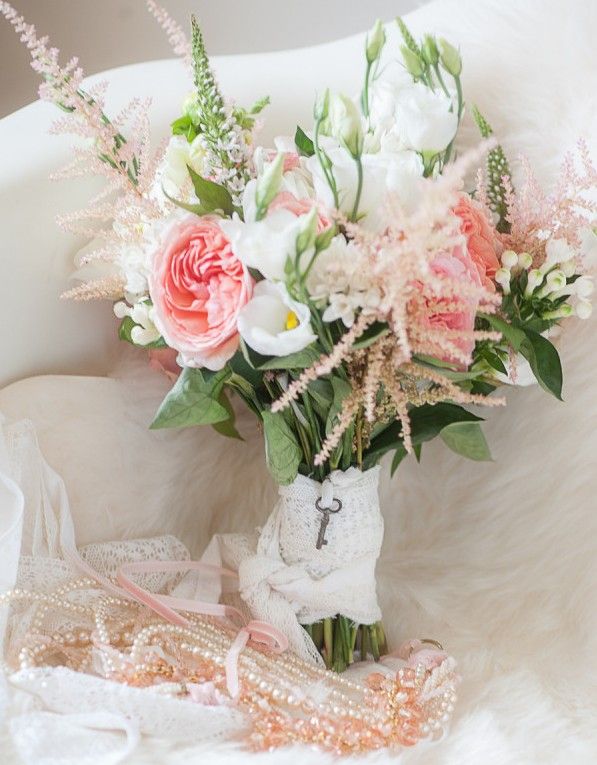
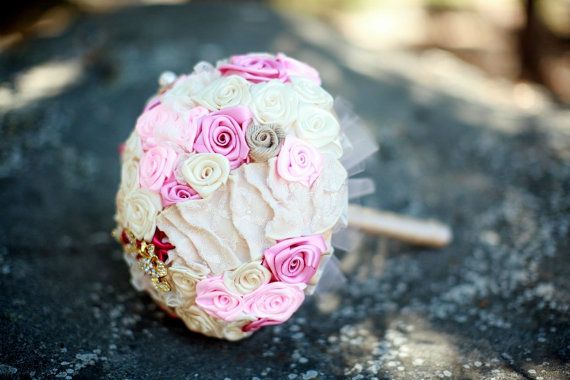
Pure pink can look candy-like under flash. Mixing in white blooms or pale green foliage usually solves that. Lilac and lavender neighbors push the bouquet toward a cooler romance that photographs elegantly with silver jewelry and gray suits. Cream roses warm the pink and suit ivory or champagne dresses better than stark optical white, which can make blush look unexpectedly cool.
Ribbon wrap is part of the design. Blush silk, dusty rose velvet, or simple twine each send a different signal. Keep the wrap neat for formal ceremonies; leave a longer trail only if movement photos are a priority and venue floors stay clean. Hidden water sources and stem-wrap quality matter more than decorative ribbon thickness. A dry bouquet by vows is a preventable disappointment, not romantic weather.
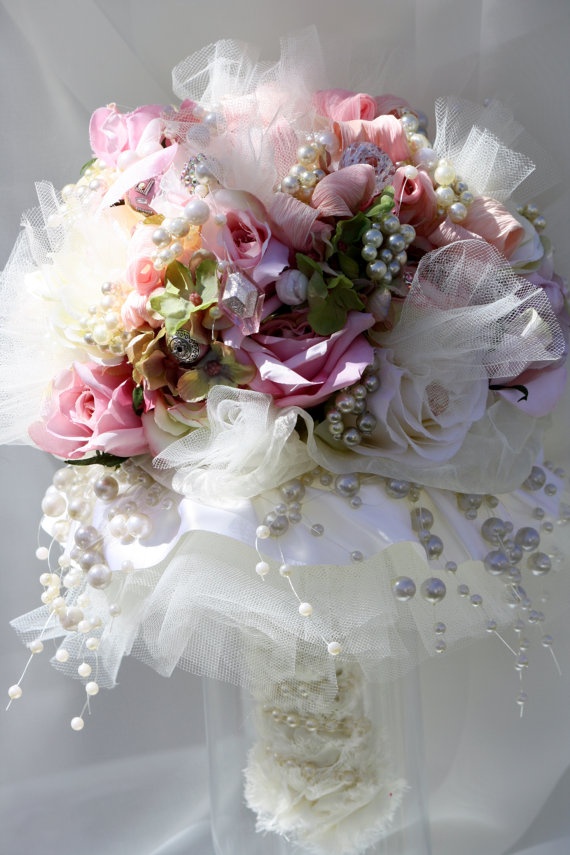
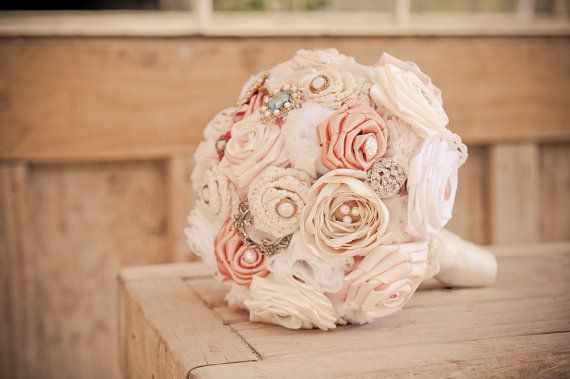
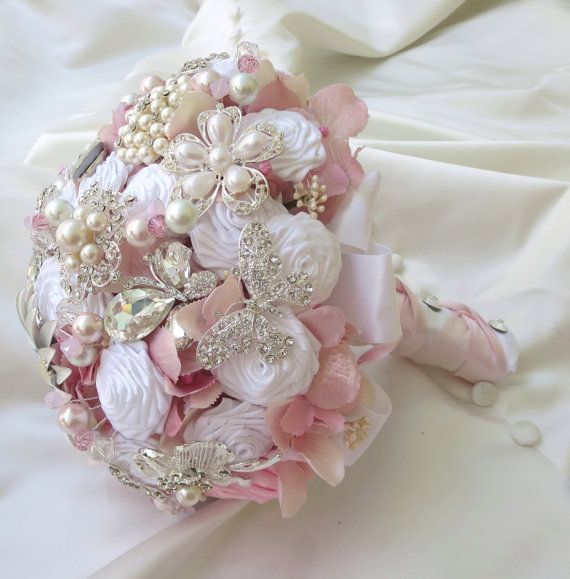
Season, scent, budget, and day-of care
Seasonal flowers cost less and last longer in heat. Peony season is brief; ask about garden-rose substitutes early and approve them in writing so nobody is surprised on delivery day. In hot outdoor ceremonies, avoid fragile blooms that shatter when hugged. Hydration, shade between portraits, and a simpler spare bouquet for tossing (if you want one) are unglamorous planning choices that protect the hero arrangement.
Scent deserves a check during the consult. Strongly fragrant roses or stock can overwhelm during vows or dinner. If anyone in the wedding party is scent-sensitive, favor milder varieties and keep dense flowers slightly away from the face in posing. Assign one person—planner, attendant, or trusted friend—to track the bouquet between ceremony, portraits, and reception entrance. Beautiful flowers still get left on chairs.
Budget-wise, put money into the bridal bouquet first, then scale bridesmaid bunches and ceremony pieces from the same palette. A perfect pink bridal bouquet with simpler supporting flowers usually looks more intentional than five medium arrangements that all feel slightly compromised.
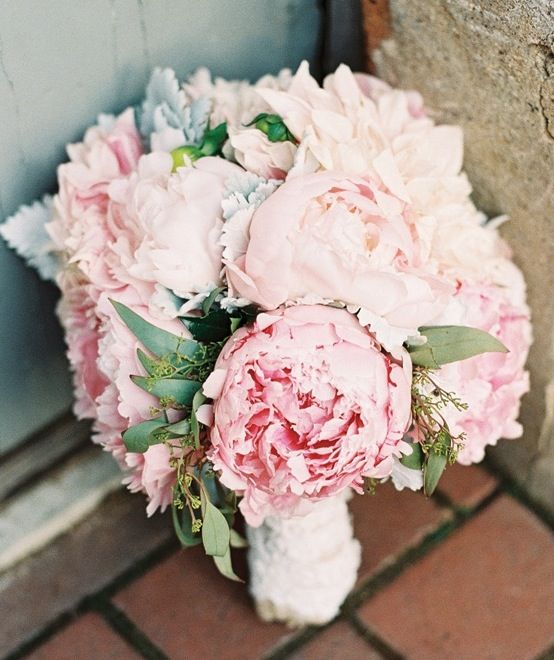
How pink reads in photographs and with the party
Photographers love pink because it separates cleanly from most skin tones and from white dresses without the contrast extremes of red. Still, neon pink can clip under direct sun. Dusty and medium pinks usually survive harsh midday better. If your ceremony is outdoors at noon, ask for a slightly deeper pink than your mood board’s ultra-pale blush so the camera still finds color.
Coordinate with bridesmaid dresses carefully. Matching pink-on-pink can flatten depth; a related but different shade, or a neutral dress with pink bouquets, often looks richer in group frames. Boutonnieres can echo a single bloom rather than copy the full bridal mix. Hair flowers, if used, should match the bouquet’s undertone so the palette does not split into two competing pinks across the wedding party.
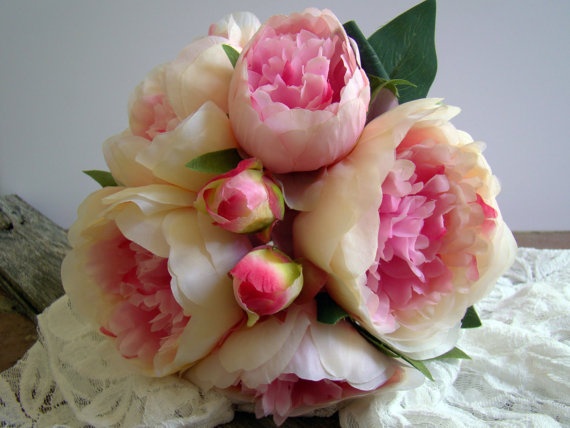
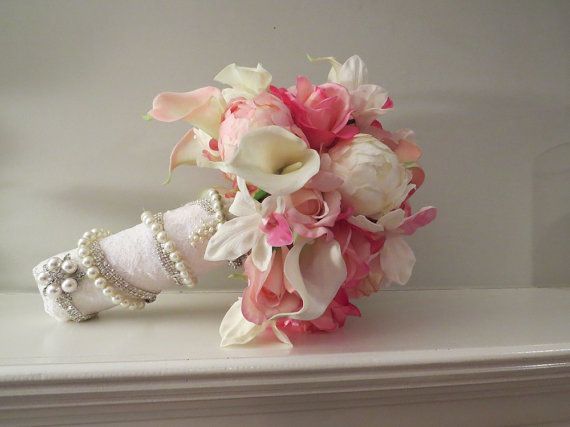
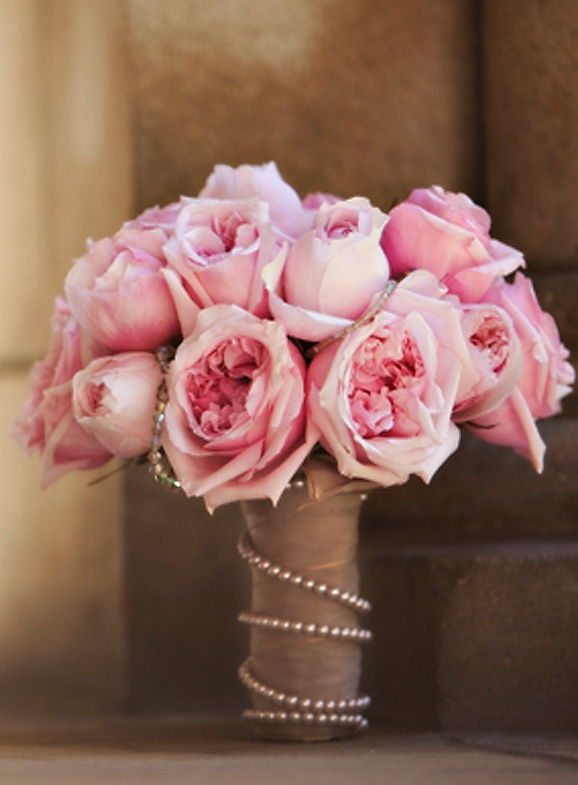
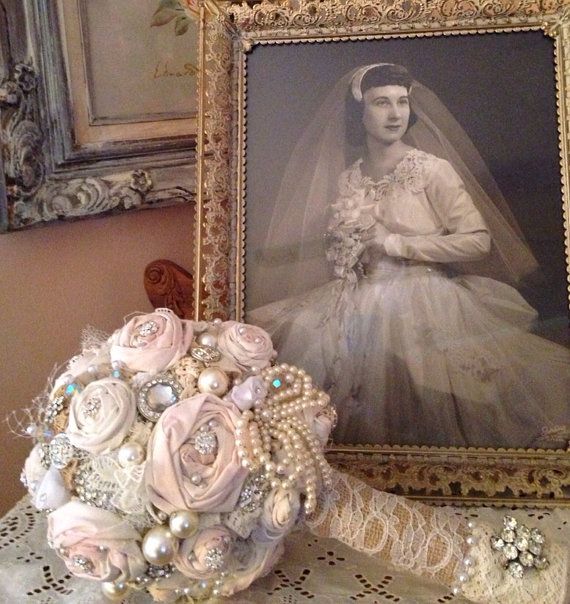
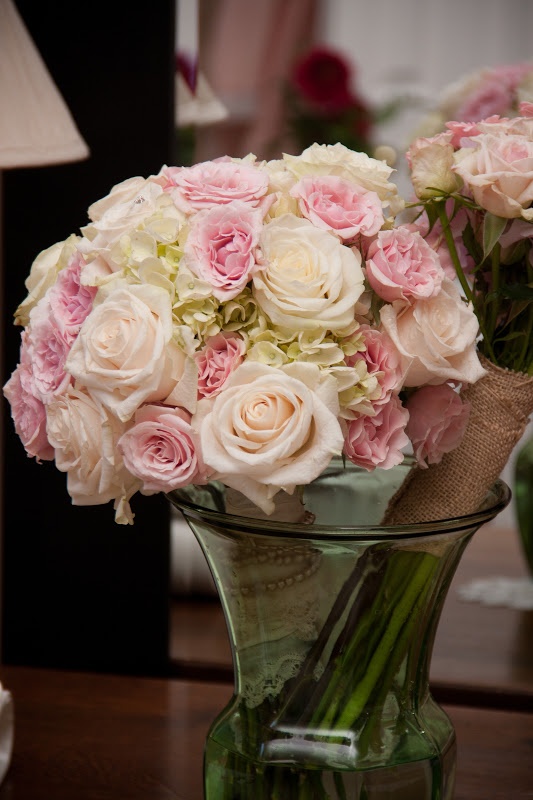
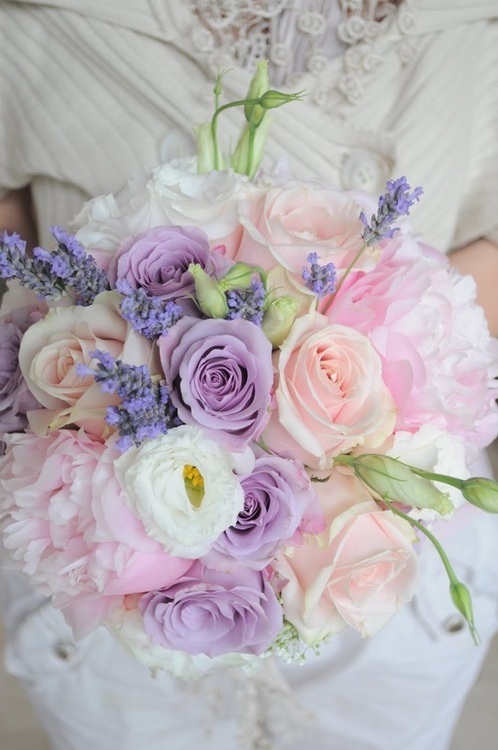
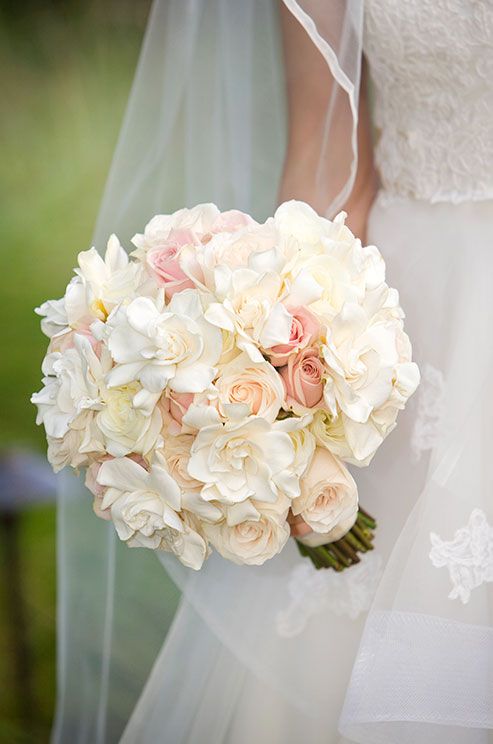
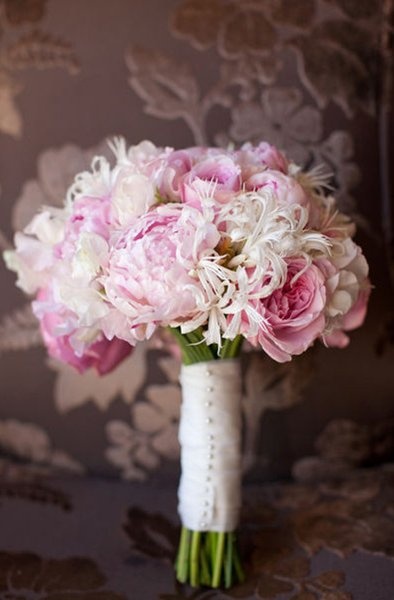
Before you lock the order, make a three-item checklist with your florist: exact pink swatch against the dress fabric, preferred silhouette (dome, garden, cascade), and a backup bloom if the hero flower is delayed. Bring one reference photo for shape and one for color—not twenty conflicting pins. Clarity beats abundance. When those three lines agree, a pink bouquet can complement the dress the way these arrangements do: quietly, clearly, and on purpose.

Comments
Continue reading
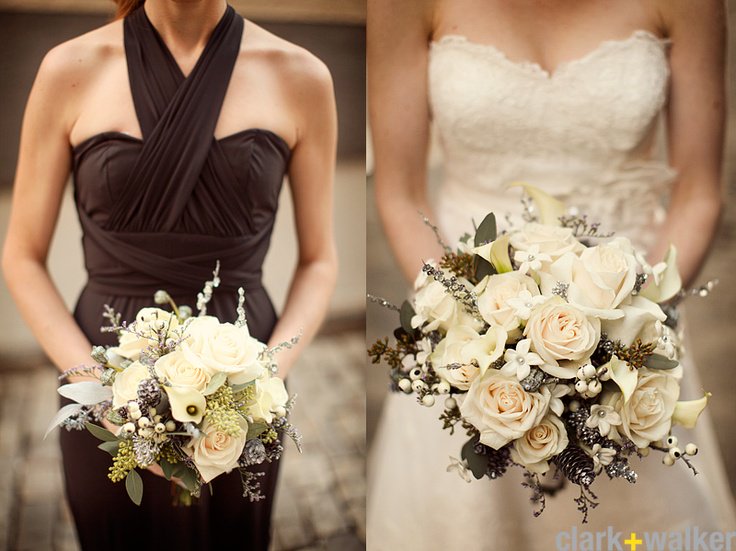
Winter Wedding Bouquets: Berries, Evergreens, and Cold-Season Texture
Inspiration for bridal bouquets that embrace winter—evergreens, berries, dried elements, feathers, and practical tips for cold venues and coats.
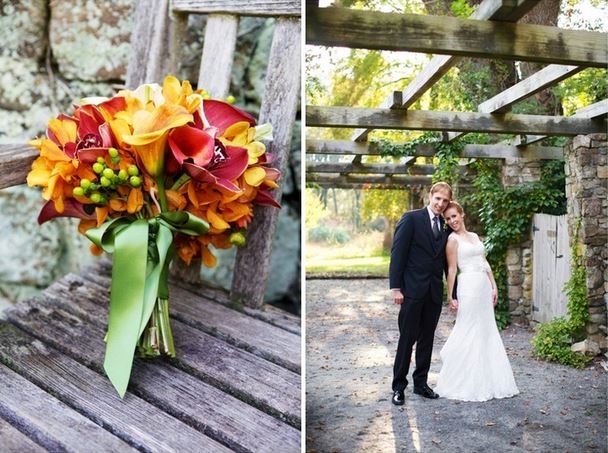
Warm and Earthy Fall Wedding Bouquets
Rust, burgundy, amaranthus, and garden texture — how to build seasonal bridal bouquets that feel like autumn, not forced pastels.
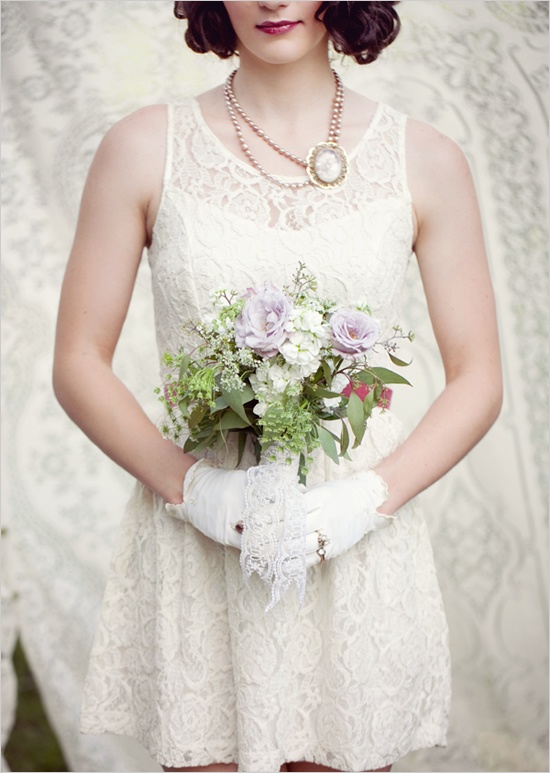
Vintage and Chic Bridal Bouquets That Feel Heirloom-Ready
Soft palettes, lace wraps, fabric blooms, and brooch details—how to build a bridal bouquet with lasting vintage chic instead of a one-day stem stack.