
30 Patio Design Ideas for Outdoor Rooms That Actually Get Used
From a stone fireplace living room to gravel courts, pergolas, and kitchen-adjacent dining—thirty patio ideas for shade, seating, and evenings outdoors.
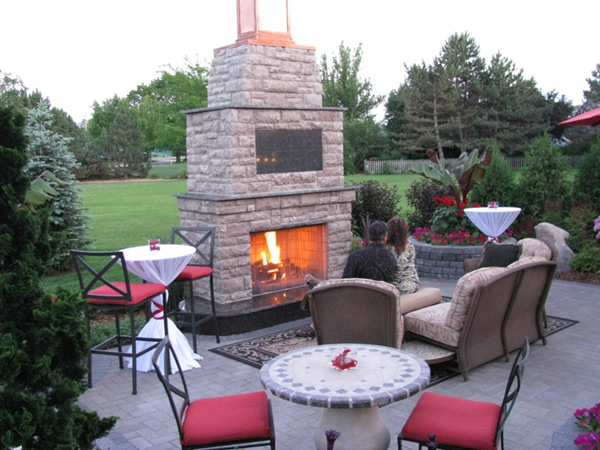
A patio earns its keep when it feels like another room of the house—hardscape underfoot, a reason to sit after dark, and a path from kitchen to chair that does not cross wet grass every time you carry a tray. The thirty ideas below start from the original gallery’s fireplace patio, then fan out into layouts, materials, and small upgrades that work for yards of different sizes and climates.
Before you choose furniture, map sun, wind, and privacy. Afternoon western glare empties pretty chairs. Neighbor sightlines decide whether you need a hedge or can leave the edge open. Drainage and frost heave matter more than cushion color. Style comes after the patio actually works.
1. Fireplace-centered outdoor living room
A tiered natural-stone fireplace with a copper chimney cap can anchor an entire patio the way a hearth anchors a den. In the surviving gallery image, light gray and tan interlocking pavers form a generous pad; a curved wicker sofa on a dark outdoor rug faces the fire; mosaic bistro seating and cloth-draped high-tops with red cushions create secondary conversation pockets. Landscaped beds and lawn around the hardscape keep the “room” from dissolving into open yard. Build the fire feature to local code, leave clearances for smoke, and treat the hearth as the social magnet—everything else orbits it.
2. Zoning with rugs and furniture heights
One continuous paver field can still hold lounge, dining, and standing cocktail areas if you change furniture height and floor texture. Low sofa plus rug for the fire; mosaic cafe table for two; pub tables for mingling. Guests understand zones without walls when seat height and table scale change under their hands.
3. Interlocking paver field with crisp edges
Uniform interlocking pavers in mixed warm grays look finished when borders are tight against mulch or lawn. Use polymeric sand or joint material suited to your climate, slope away from the house, and keep the field large enough for chairs to pull out without dropping onto turf.
4. Curved conversation sofa
A gently curved outdoor sofa gathers people toward a fireplace or coffee table better than a rigid three-seat line. Choose all-weather wicker or powder-coated frames, solution-dyed cushions, and a depth that invites lingering without trapping wet leaves underneath.
5. Mosaic bistro corner
A small round table with a tiled top and two metal chairs turns leftover patio edge into a morning coffee nook. Bold seat cushions—red against black frames—add color without painting the hardscape. Keep this set light enough to move when you need party circulation.
6. Cloth-draped high-top cocktail stations
Tall tables with floor-length cloths and ribbon ties signal celebration and hide less-pretty bases. Pair with cushioned bar stools so guests can perch through a whole evening. For windy sites, weight the cloth or switch to fitted outdoor covers that will not sail into the fire.
7. Planted perimeter beds
Dark mulch, evergreen structure, and seasonal color (reds and purples work well against tan stone) soften paver edges and screen mechanicals. Broad-leaf plants in stone planters mark corners. Keep planting height low near sightlines to the fire so conversation stays visual as well as verbal.
8. Lawn buffer around hardscape
A manicured lawn ring around the patio gives kids play space and keeps the stone pad from feeling like a parking court. Mow edges clean; a steel or stone mow strip reduces trimmer damage to pavers.
9. Covered patio with ceiling fans
When rain and noon sun limit use, extend a roof or solid pergola from the house and add outdoor-rated fans. Furniture can be more upholstered under cover. Run lighting and outlets during framing so you are not chasing extension cords later.
10. Open timber pergola with vines
A freestanding wood pergola over dining or lounge seats creates partial shade and a place for string lights or hanging baskets. Choose rot-resistant lumber, set posts on proper footings, and train vines on cables so growth does not pry joints apart.
11. Retractable awning for flexible shade
Motorized or crank awnings suit townhouse and small-yard patios where a full roof is overkill. Retract in storms; extend for lunch. Mount to structure that can take wind load, and pick fabric rated for UV and mildew.
12. Sail shade over a gravel court
Triangular sails on posts or between house and fence cool a budget patio quickly. Tension hardware correctly, leave drip edges clear of seating, and store sails in severe weather if the manufacturer recommends it.
13. Kitchen-adjacent pass-through patio
Place the main dining table within a few steps of a kitchen door or pass-through window. A narrow console against the house becomes a landing zone for platters. Convenience keeps outdoor meals from dying of logistics.
14. Built-in masonry banquette
A low stone or block bench along a fence frees floor space and seats more people than freestanding chairs in a narrow side yard. Add quick-dry cushions, leave drainage under the seat, and pair with a rectangular table that slides close for service.
15. Outdoor kitchen L or galley
Grill, side burner, and prep counter in an L keep cooks facing guests. Use noncombustible surfaces near heat, vent properly, and plan cold storage or ice bin so the indoor fridge is not a marathon. Even a modest grill niche plus counter beats a lonely freestanding unit in the middle of the lawn.
16. Fire-pit circle instead of a full fireplace
A gas or wood-burning bowl or low round pit with radial seating costs less than a chimneyed fireplace and still extends evenings. Keep clearances, store fuel safely, and choose a surface that will not scar from embers—stone or gravel, not a synthetic rug alone.
17. Water feature as white noise
A wall fountain or small recirculating basin masks street noise and cools the feel of a hard patio. Keep splash off seating cushions, use outdoor-rated pumps, and winterize in freeze climates.
18. String-light canopy
Warm LED strings on a grid or zigzag over the pad make dusk usable without stadium floodlights. Anchor to posts, eaves, or trees with proper hardware. Combine overhead glow with a low lantern cluster so faces are lit gently.
19. Path lighting and step markers
Low path lights from house to patio prevent trips when arms are full of dishes. Mark any grade changes. Warm color temperature matches firelight better than cool blue LEDs.
20. Privacy screen or living hedge
Horizontal wood slats, metal panels, or a dense evergreen hedge define the patio as a room and cut views from neighboring windows. Leave airflow so the space does not trap smoke from the fireplace or grill.
21. Courtyard patio with garden walls
Walled courtyards create microclimates and intimate dining even on small lots. Use light paint or pale stone to bounce daylight, and plan a single dramatic plant or tree as the vertical accent.
22. Poolside splash-ready hardscape
If the patio meets a pool, choose slip-resistant finishes, leave wet-foot circulation clear of dining rugs, and pick furniture that shrugs off chlorine and sunscreen. Keep lounge and dining zones distinct so towels do not migrate onto dinner plates.
23. Rooftop or balcony patio kit
Weight limits, wind, and railing codes rule rooftop design. Use lightweight planters, modular deck tiles where allowed, and furniture that will not become airborne. Privacy screens must be engineered for uplift.
24. Multi-level patio with retaining seats
On a slope, two pads linked by wide steps can separate cooking from lounging. Retaining walls can double as casual benches. Prioritize handrails where needed and consistent riser heights.
25. Decomposed granite or gravel lounge
A compacted gravel court with a wood or metal dining set is permeable and informal. Edge it firmly so stone does not migrate into lawn. Add paver pads under chair legs to stop sinking.
26. Flagstone irregular patio
Large irregular flagstones set in sand or mortar suit cottage and woodland gardens. Wider joints can host creeping thyme where traffic is light. Keep the field relatively flat for table stability.
27. Painted or stained concrete slab
An existing concrete pad can be cleaned, repaired, and stained or coated instead of demolished. Score lines or saw-cut joints can mimic pavers. Choose finishes rated for freeze-thaw if winters are harsh.
28. Outdoor rug and seasonal textiles
Even on stone, a weatherproof rug under the sofa defines the lounge and softens acoustics. Store or cover cushions in storms; use solution-dyed acrylic fabrics. Seasonal throws extend shoulder-season nights without a heater.
29. Portable heaters and ceiling heat
Electric or propane heaters—freestanding or mounted—stretch the season when a fireplace is not in the budget. Keep clearances from cloth drapes and umbrellas. Combine heat with wind breaks; heat alone loses to a drafty corner.
30. Storage and service staging
A weatherproof cabinet or bench with hidden storage for cushions, citronella, glassware, and a simple tray kit (corkscrew, napkins, lighter) makes the patio usable on impulse. Design fails when every outdoor meal requires a full indoor raid.
Choosing what to build first
Start with grading, drainage, and a durable floor. Add the social anchor next—fireplace, pit, or dining table under shade. Furniture and textiles come last because they are easiest to change. Match materials to climate: teak, powder-coated aluminum, and HDPE lumber generally outlast bargain softwoods outdoors.
The fireplace patio in the gallery works because it layers a strong hearth, clear paving, mixed seating heights, and planted edges into one evening room. Copy the hierarchy, not every ribbon and cushion. A smaller yard might need only a gravel court, string lights, and a fire bowl. A larger lot might deserve the full stone chimney. Build toward the nights you actually want—cookouts, quiet reads, or long talks after dark—and the patio will stop being a photo and start being a habit.

Comments
Continue reading
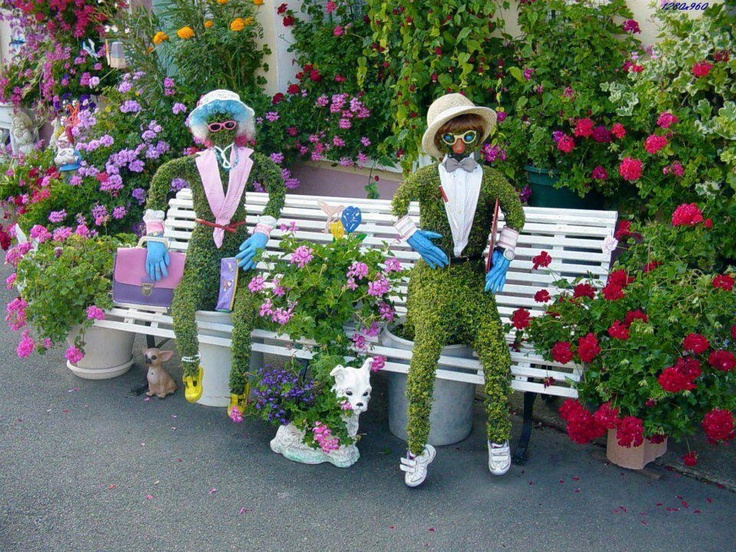
Garden Decoration Beyond Beds: Lace, Mosaiculture, and Upcycled Yard Art
From dressed topiary and floral cyclists to license-plate dragonflies and lace between trees—garden decorations that give a yard a voice.
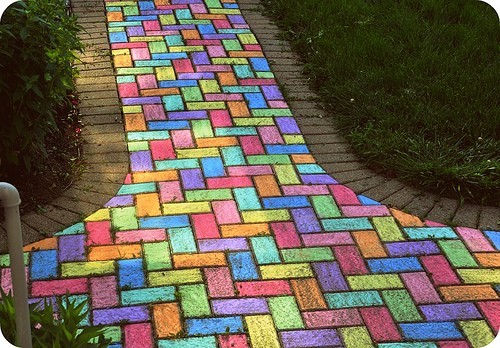
Garden Walkway Designs: Materials, Width, Edges, and Planting Ideas
Pathway design ideas for stone, brick, gravel, concrete, and wood—plus width, drainage, edges, and planting that make a walkway work day to day.
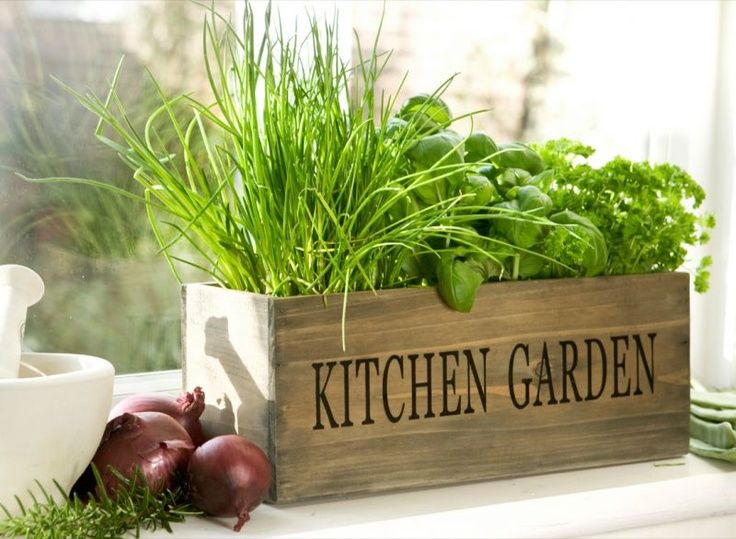
How to Create an Indoor Herb Garden at Home
Grow rosemary, thyme, parsley, mint, and dill indoors with the right light, drainage, and planters—from window boxes and wall mounts to simple DIY pots.