
Cross Tattoo Designs: Styles, Placement, and Meaning
A gallery of cross tattoo ideas—from bold blackwork to fine-line ornament—with notes on style families, placement, and aging ink well.
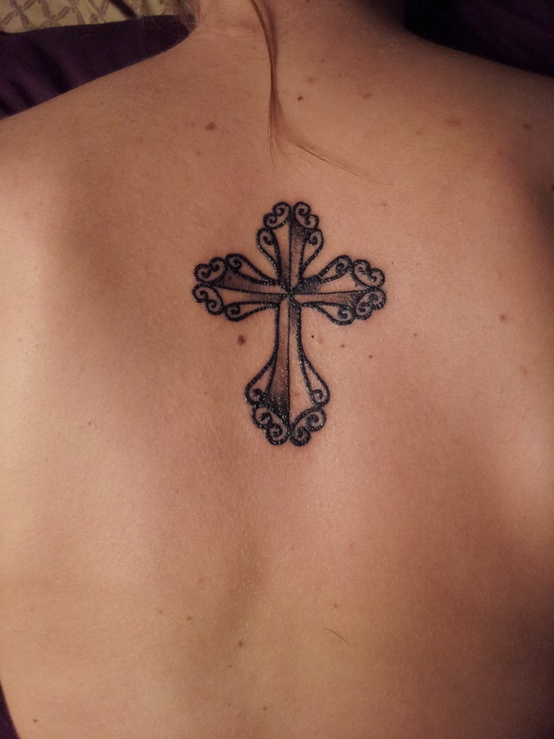
Cross tattoos endure because the shape is simple and the meanings are not. A vertical beam and a crossbar can stand for faith, grief, heritage, navigation, rebellion, or pure graphic balance on a forearm. Musician Dave Navarro once described skin as a living diary—artwork that refuses to shut the door on the past. Cross designs often work that way too: markers of a season, a person, a vow, or a style phase that still looks legible decades later. The gallery below gathers cross tattoo ideas across styles so you can compare line weight, ornament, and placement before you commit ink.
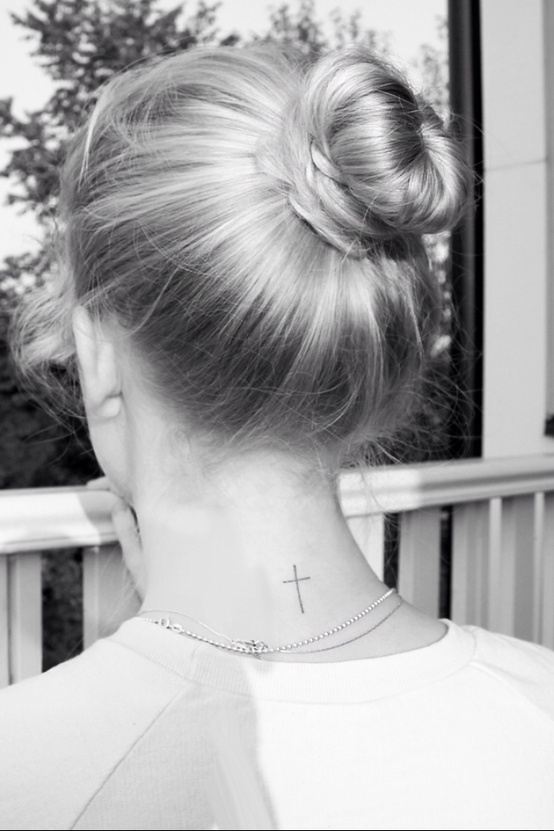
Why the cross stays popular
As a symbol, the cross is older and broader than any single church logo. Christian Latin and Greek crosses remain the most requested in studios, but Celtic knots, Coptic forms, Orthodox three-bar crosses, and ornamental jewelry-style crosses circulate widely in tattoo culture. Outside strictly religious use, the shape also works as a memorial marker, a bold blackwork silhouette that photographs cleanly, or a structural anchor inside a larger sleeve of roses, clocks, and script.
That flexibility is why searches for cross tattoo designs stay crowded. People want options that respect belief without looking like a dusty flash sheet, and options that treat the cross as geometry first. A strong design decides early whether the piece is sacred, decorative, or both—and then builds line, negative space, and surrounding elements to match that decision instead of mixing every motif at once.
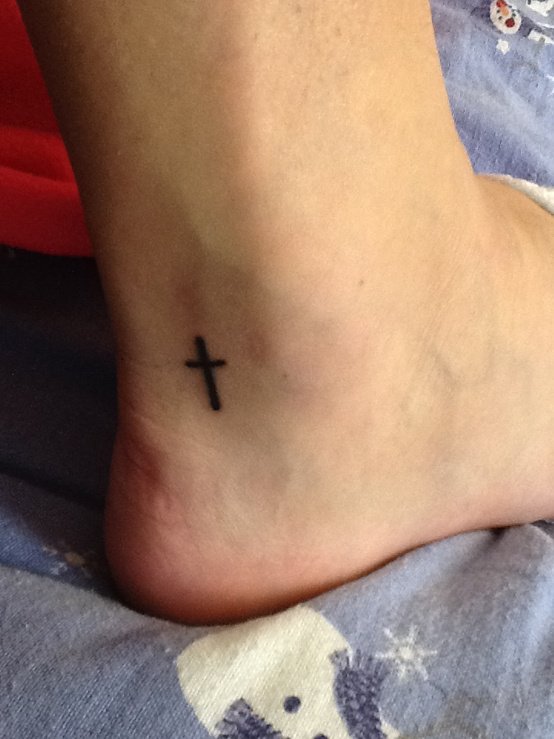
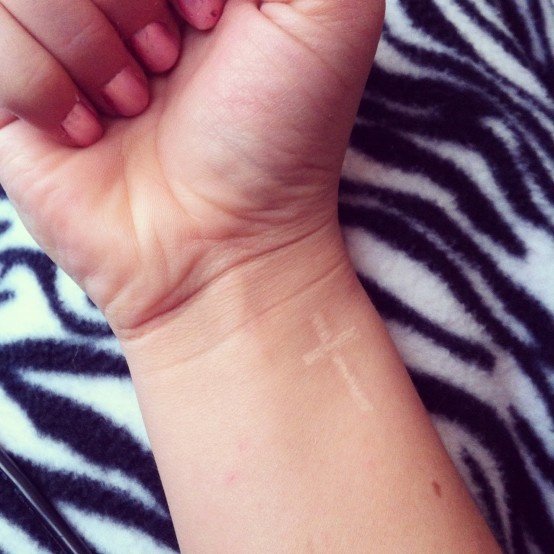
Style families to recognize
Traditional and neo-traditional. Bold outlines, limited color, and readable silhouettes. Roses, banners, rays, and daggers often frame the cross. These age well when the artist keeps gaps generous enough for natural ink spread over years.
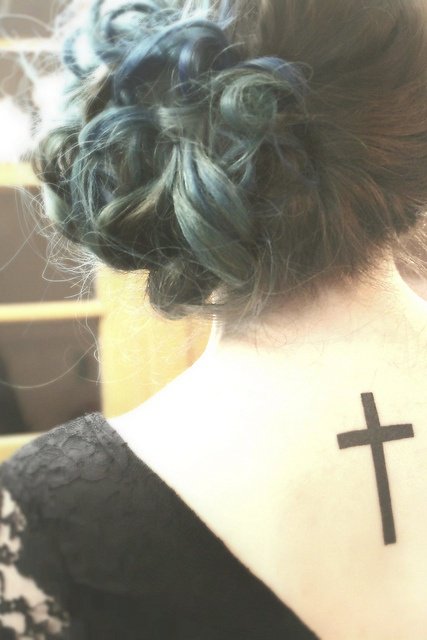
Blackwork and heavy graphic fills. Solid blacks, sharp negative space, and high contrast. Ideal for shoulders, calves, and outer forearms where the shape needs to read from across a room. Tribal-influenced curves appear in older portfolios; contemporary blackwork tends to favor cleaner geometry.
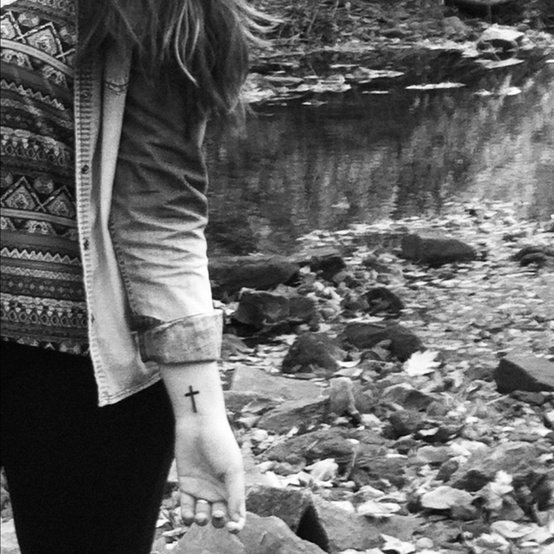
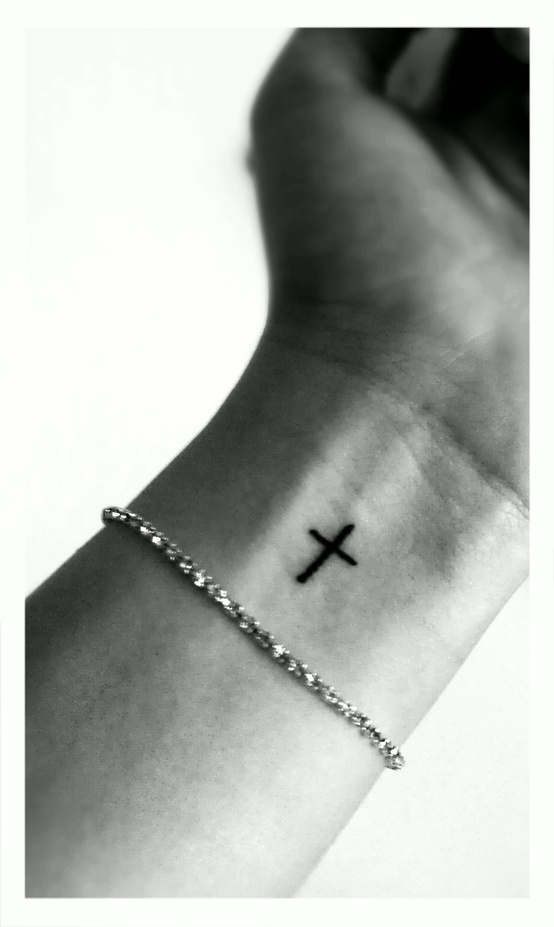
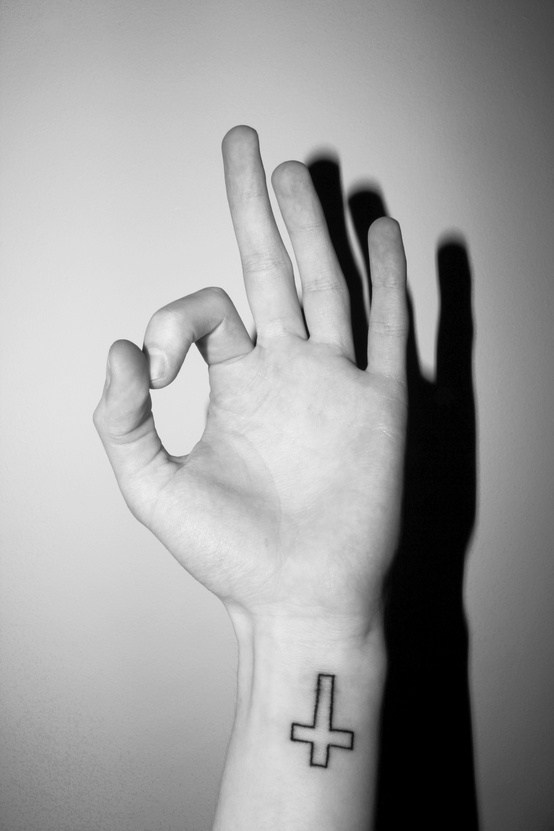
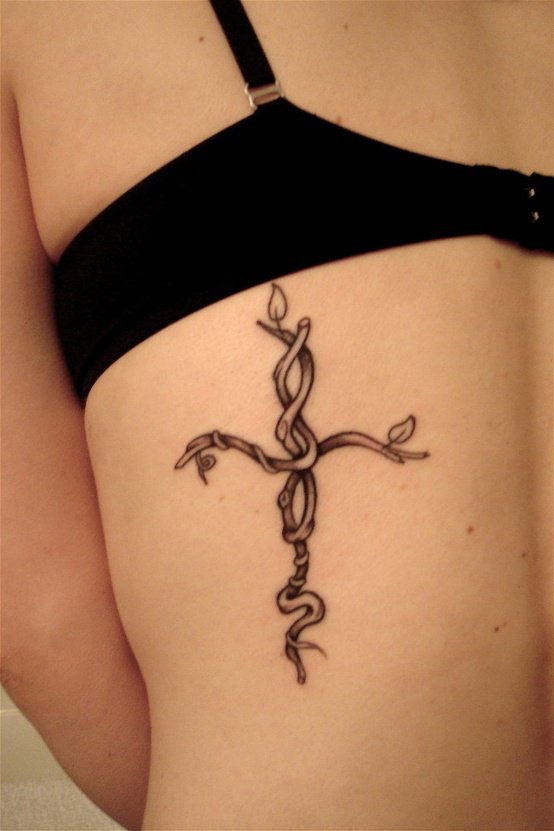
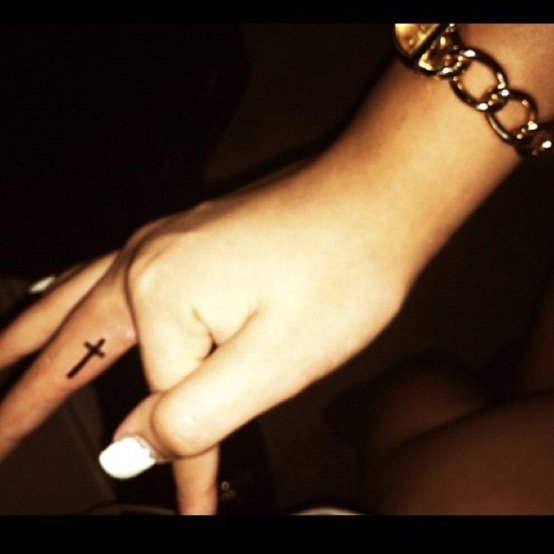
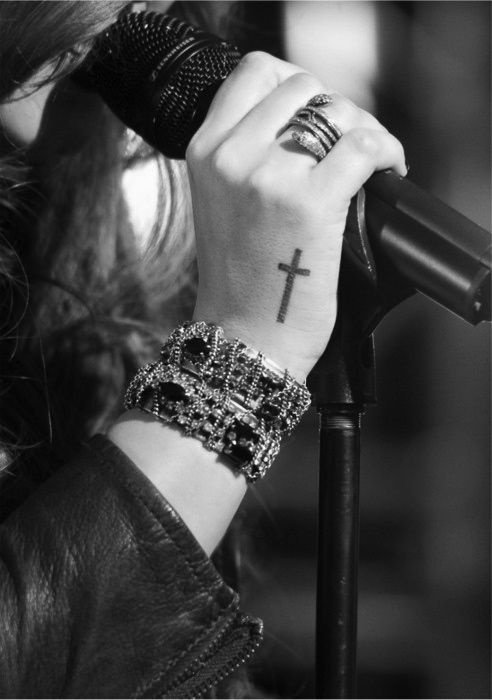
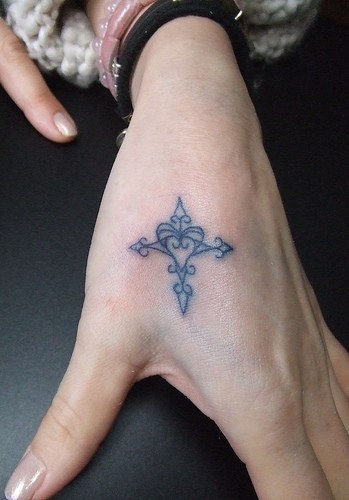
Fine-line and delicate realism. Thin stems, filigree, sometimes a small crucifix with soft shading. Beautiful up close; choose an artist who understands how fine lines blur, especially on hands and ribs.
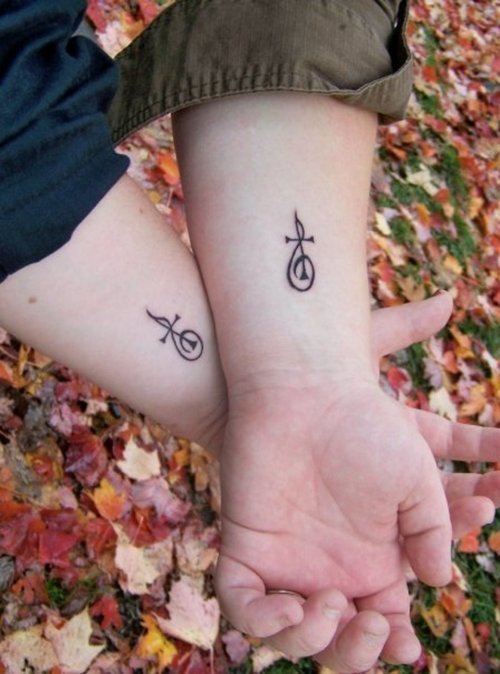
Celtic and knotwork. Interlaced bands that turn the cross into a continuous puzzle. Even braid width and symmetry matter more than microscopic detail that will muddle as skin moves and ages.
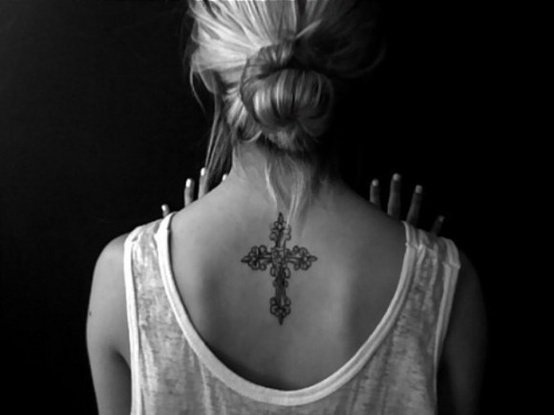
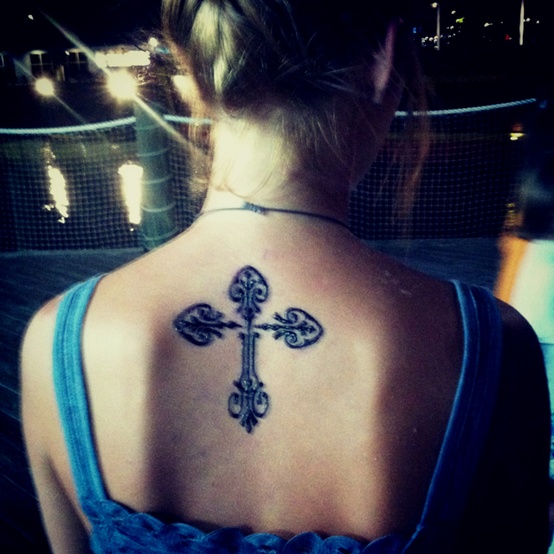
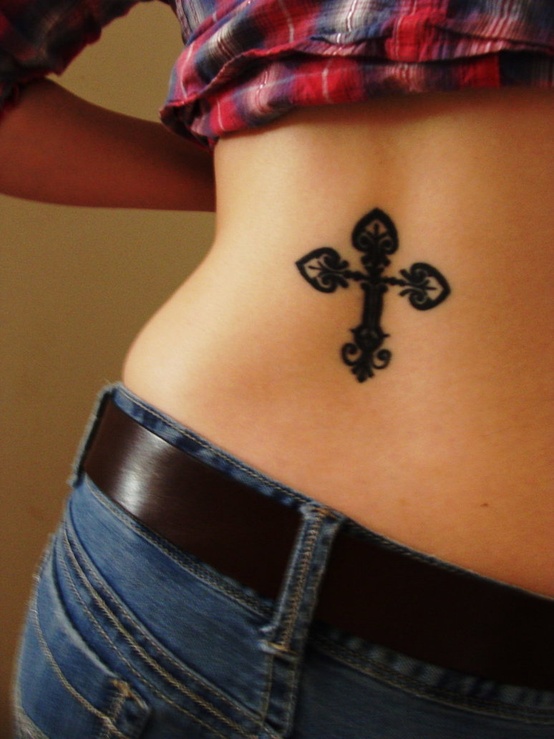
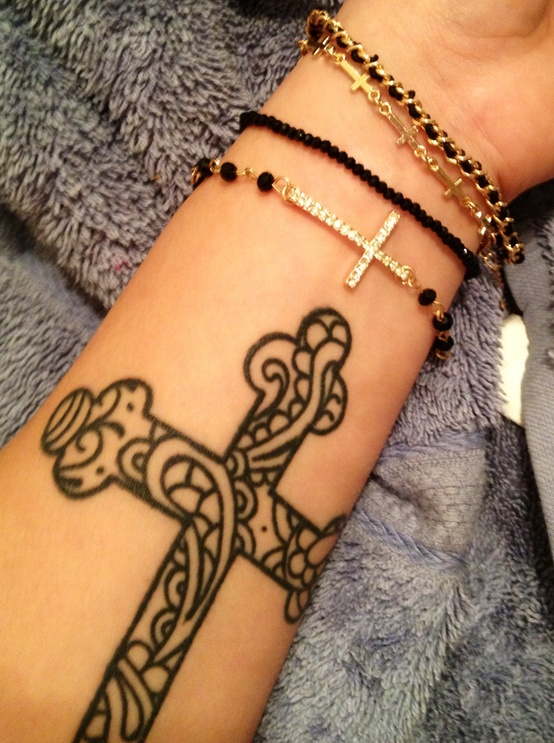
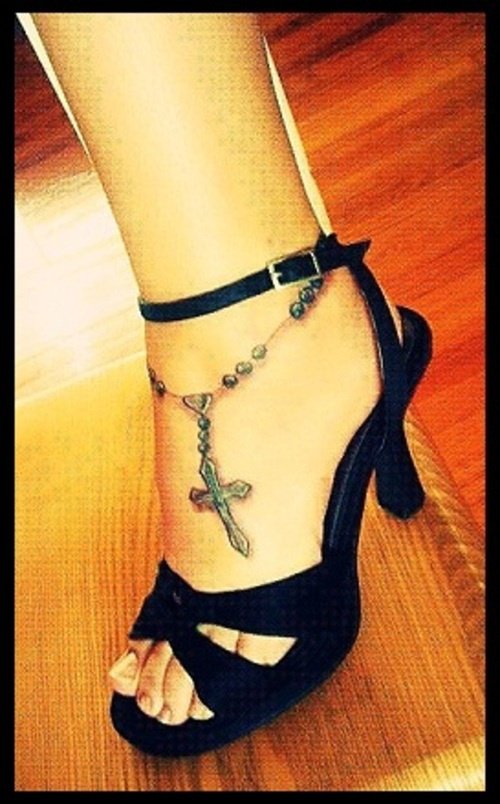
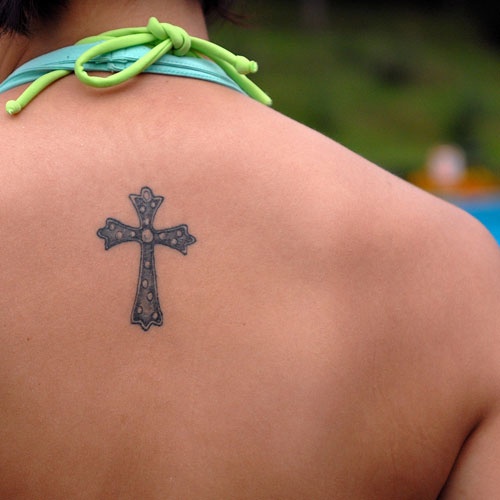
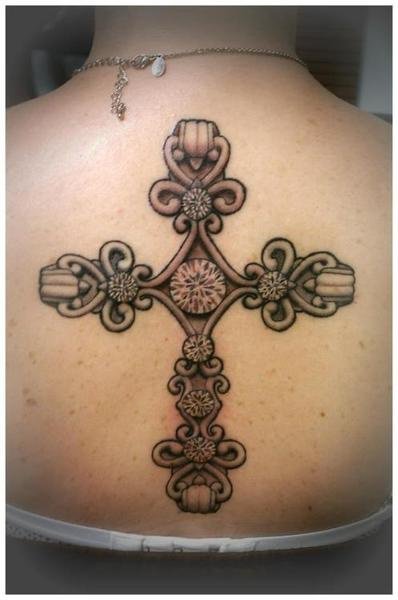
Ornamental and jewelry-inspired. Gem-like centers, engraved-metal texture, baroque flourishes. These sit well as sternum, thigh, or upper-arm centerpieces when proportion is carefully mapped to bone and muscle.
Script and memorial hybrids. Dates, names, or short prayers integrated into the beam or hanging from a banner. Keep lettering size honest—micro-script is usually the first element to lose clarity.

Placement and proportion
Forearms and outer calves give long verticals room to breathe. Inner biceps and ribs favor smaller, more private pieces. Upper chests and sternums suit symmetrical ornamental crosses that mirror the body’s centerline. Hands, fingers, and the side of the neck look striking in photographs but demand experienced artists and realistic expectations about fade, friction, and touch-ups.
Proportion mistakes are common. A cross that is too wide looks stubby; one that is too tall can feel like a stick with an afterthought bar. Many artists start with the vertical at roughly one and a half to two times the crossbar length for a classic Latin feel, then adjust for Greek equal-arm versions or decorative variants. Leave margin from elbows, wrists, and other folds so bending does not warp the geometry every time you move.
If the cross will sit inside a larger piece later, say so at the consultation. An isolated memorial on the forearm may eventually become the center of a sleeve; leaving breathing room now prevents awkward collisions with future roses or clouds.
Meaning without clutter
If the tattoo is religious, talk with your artist about denomination-specific forms and whether a corpus (figure of Christ), an empty cross, or an abstract cross fits your intent. Some people want explicit iconography; others want a quiet shape that still feels reverent. If the tattoo is memorial, consider one personal detail—birth flowers, a coordinate, a handwriting sample—rather than packing every symbol into one crowded composition. If the tattoo is primarily aesthetic, own that. A clean geometric cross can be as intentional as a densely narrative one.
Cultural respect still applies. Sacred geometry borrowed from living traditions deserves research, not just a screenshot from a stranger’s healed photo. When in doubt, ask the artist, read primary sources, or choose a form you have a real relationship with rather than a trend you saw for a week.
Working with an artist
Bring references that show style, not only subject. Three photos of line quality you like beat twenty random crosses. Ask how the design will age on your skin tone and in your climate. Confirm stencil placement in a mirror and in motion—raise your arm, twist your torso—before the needle starts. For large ornamental pieces on chest or thigh, budget sessions; rushing a complex fill into one marathon often shows in the finish.
Ask about stencil revisions. A good shop expects you to adjust arm length, bar thickness, or surrounding florals before ink. Be wary of anyone who pressures you to copy another client’s healed photo exactly; bodies differ, and so should the drawing.
Aftercare is ordinary but non-negotiable: wash as directed, moisturize lightly, avoid sun and soaking while healing, and plan a touch-up window if fine details are central to the design. A cross with crisp arms and even negative space will look intentional for years; a muddy one looks accidental no matter how profound the story behind it.
A quick shortlist method
Flip through the set twice. First pass: mark anything that stops you for more than two seconds. Second pass: keep only pieces that share one mood—bold black, delicate filigree, botanical frame, or jewelry realism. Take two or three survivors to a consultation and let the artist rebuild the idea for your body rather than tracing a stranger’s healed photo. The best cross tattoo is less a copy of a gallery image and more a clear shape that still means something when you catch it in a bathroom mirror ten years from now.

Comments
Continue reading
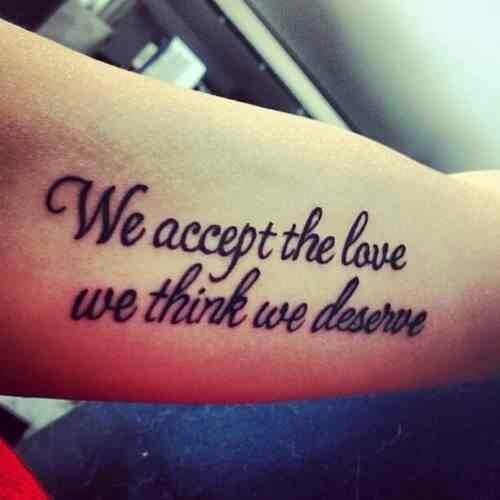
Meaningful Love Quotes for Inspiration (and Ink)
Meaningful love quotes that still feel true — short lines for tattoos, gifts, and everyday reminders, with placement and wording tips.
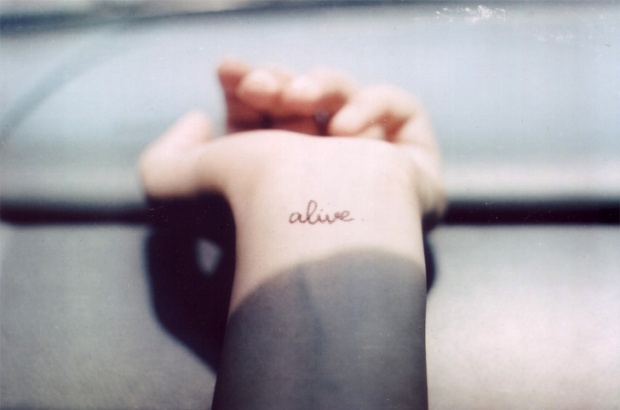
40 One-Word Tattoo Ideas: Placement, Type, and Meaning
A gallery of single-word tattoos—love, faith, strength, wanderlust, and more—with guidance on typography, body placement, and choosing a word that still fits years later.
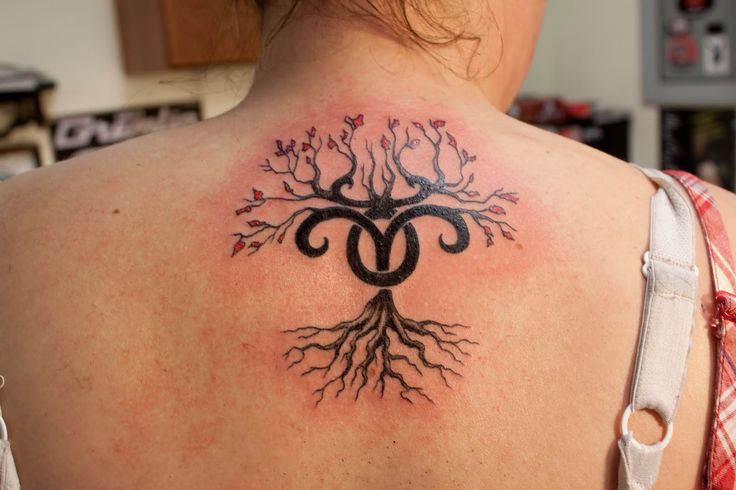
16 Taurus Tattoo Ideas: Bulls, Glyphs, and Venus-Inspired Ink
Sixteen Taurus tattoo directions—from minimal glyphs and constellation maps to floral bulls and bold blackwork—plus placement and artist tips for lasting earth-sign ink.