
Kate Moss for Mango Winter ’12 by Inez & Vinoodh
Kate Moss fronts Mango’s Winter 2012 campaign in London studio images by Inez van Lamsweerde and Vinoodh Matadin—knits to sequins, high-street cool as seasonal retail theater.
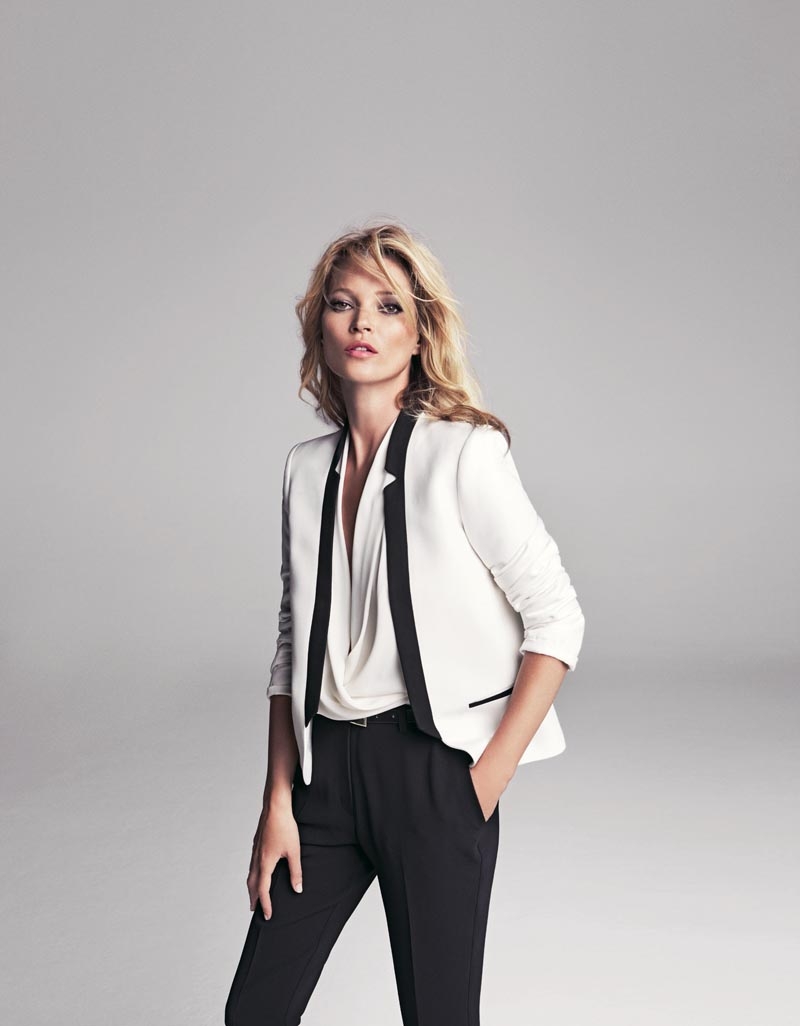
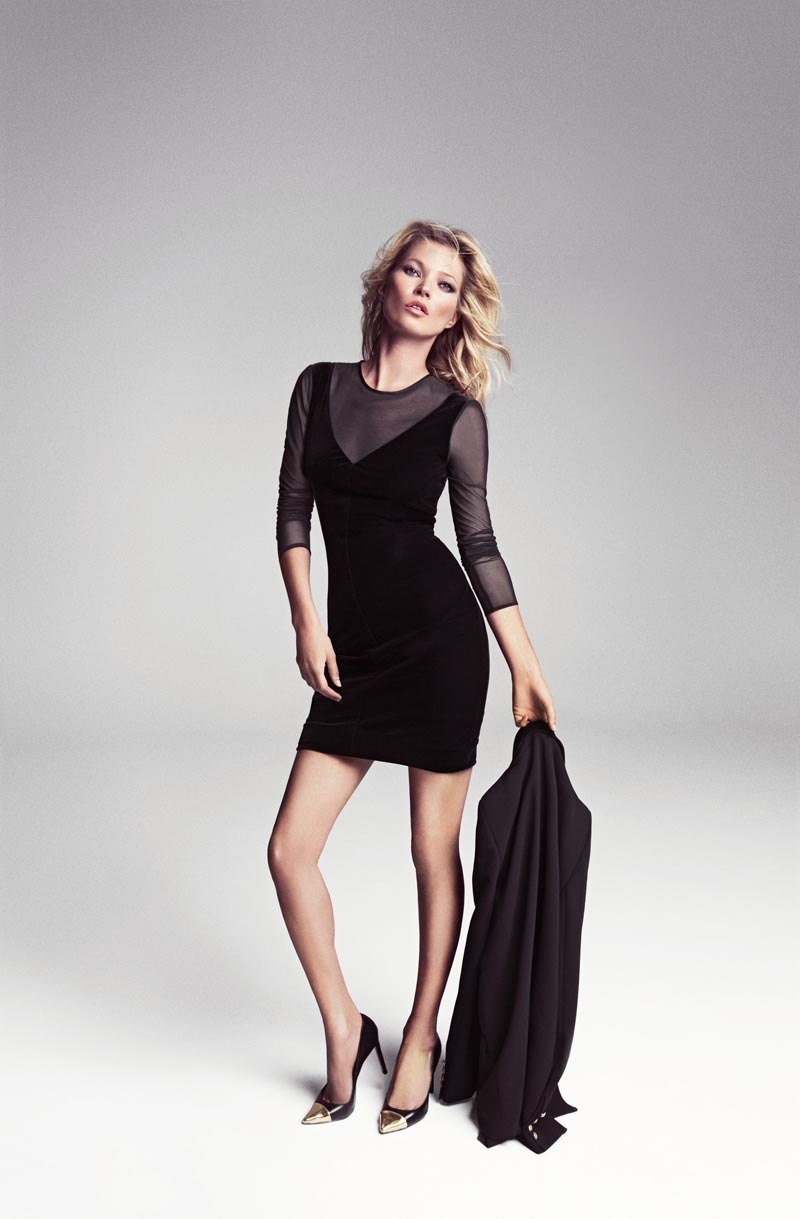
In autumn 2012, Spanish high-street brand Mango put Kate Moss back in its winter advertising frame for another season of accessible glamour. The Winter ’12 campaign—photographed in London at the end of May by Inez van Lamsweerde and Vinoodh Matadin—asked the British supermodel to move through knits, denim, military blazers, sequined evening pieces, and tuxedo tailoring as if the whole wardrobe already lived in her closet. That was the commercial bet: Moss as proof that Mango could sell both weekday ease and Saturday-night shine without splitting into two different brands.
By 2012 Moss had already spent years as a bridge between runway mythology and high-street campaigns. For Mango she was not a blank mannequin; she was a recognizable attitude—slightly undone hair, a half-smile that never begs, clothes worn as habit rather than costume. The Winter ’12 images keep that signature. Studio light is clean, backgrounds stay quiet, and the clothes do the seasonal work: wool coats for cold cities, sheer pants and sparkling dresses for holiday calendars, pointed court shoes that sharpen every silhouette. Shoppers were meant to recognize a garment in three seconds and recognize Moss in one.
Inez & Vinoodh’s studio language
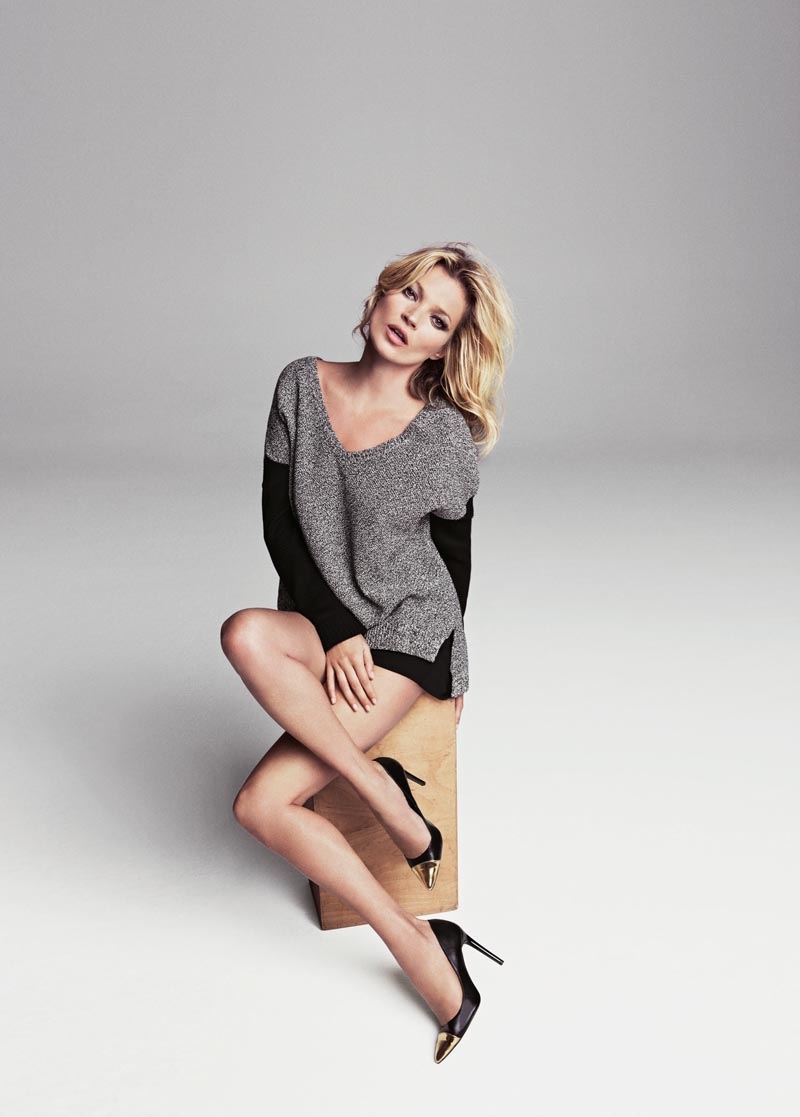
Inez and Vinoodh’s campaign vocabulary favors clarity over narrative clutter. There is no beach set, no faux apartment, no props competing with the garment. Moss stands, turns, sits, or leans in compositions that treat the body as a hanger with personality. That approach suits a retailer that needs billboards, magazine inserts, and website heroes to do the same job in different crops. Texture reads immediately: the weight of a wool coat, the gloss of sequins, the soft bulk of a knit, the hard line of a tuxedo jacket.
The duo’s long collaboration with Moss also helps. They know how to keep her face open while still protecting the slight distance that made her famous—approachable, never eager. In the Winter ’12 frames she looks like someone who finished getting dressed five minutes ago and is already thinking about the next room, not like someone waiting for permission from a stylist. For a high-street campaign, that casual authority is gold. It implies the clothes will look good even when you are not “doing fashion,” which is exactly what a mass retailer needs customers to believe at checkout.
What Winter ’12 was selling
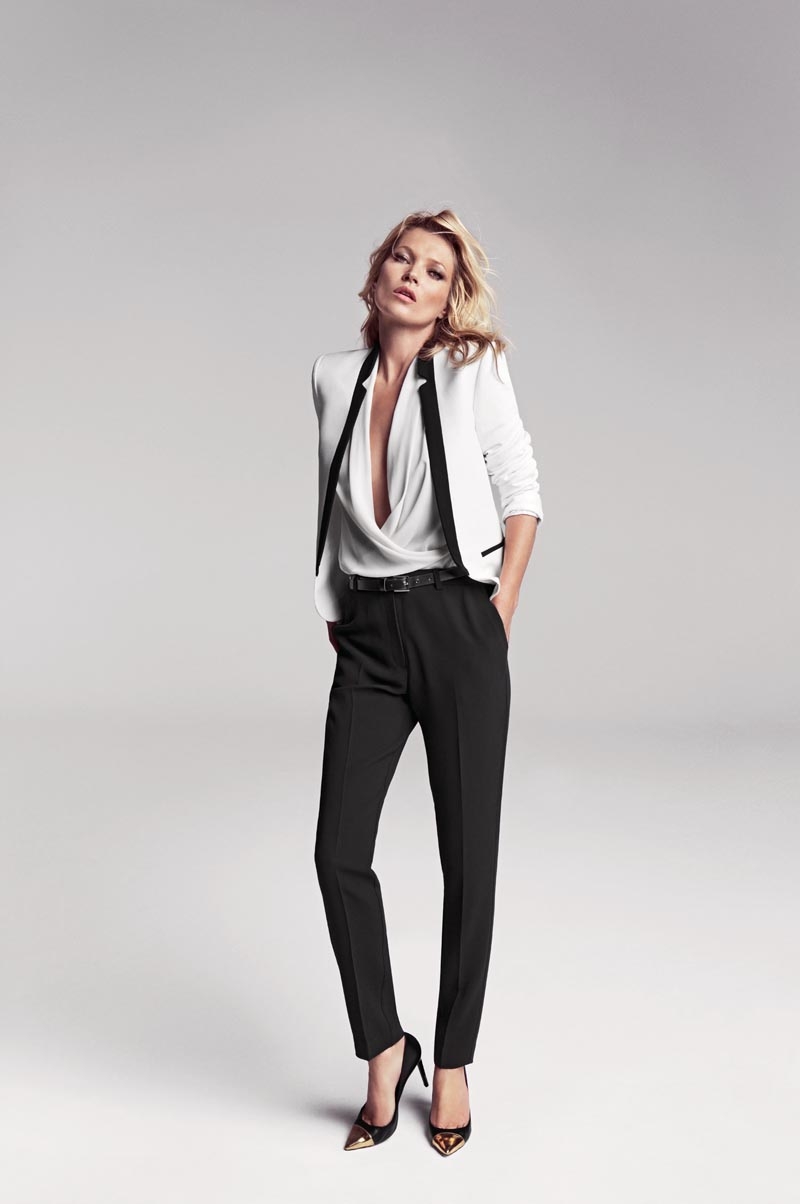
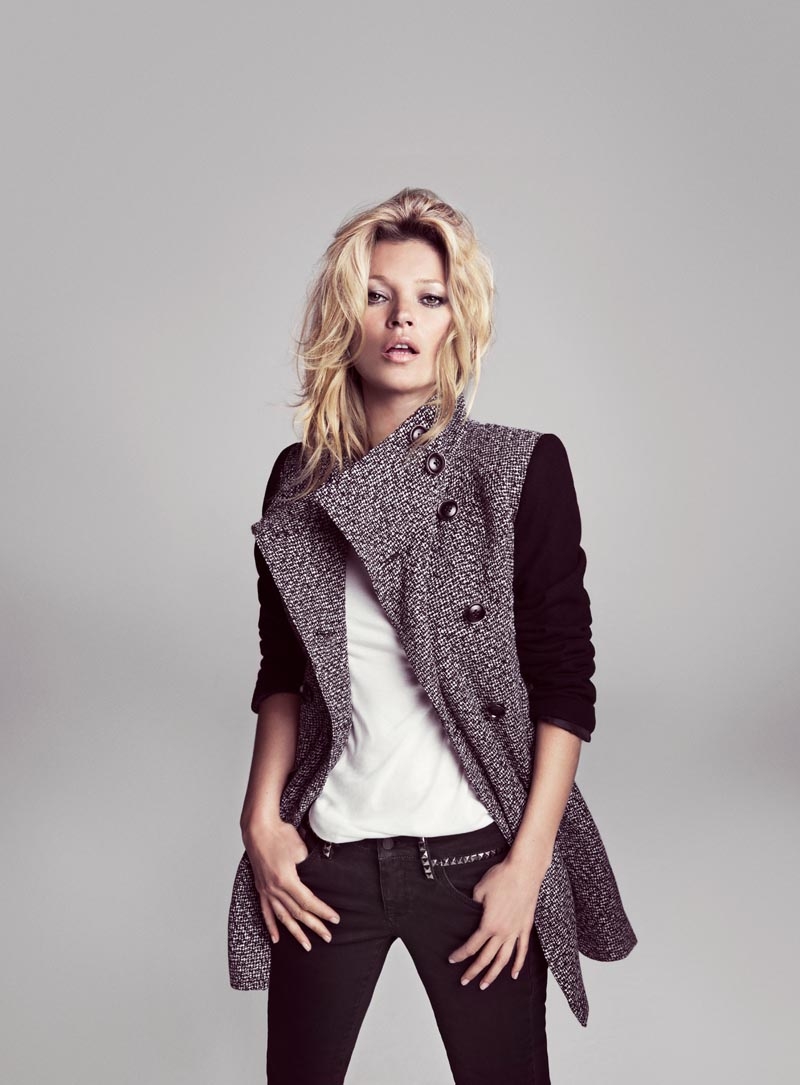
Contemporary write-ups of the campaign listed a familiar early-2010s Mango mix: tuxedo jackets and trousers, pointed court shoes, sheer pants, sparkling dresses, pencil skirts, wool coats, military blazers, and skinny jeans. The range matters. Winter campaigns for mass fashion often fail when they only show party clothes or only show coats. This one tries to cover the whole season—commute, dinner, holiday, weekend—using Moss as the continuous character who can wear all of it without changing her essential cool.
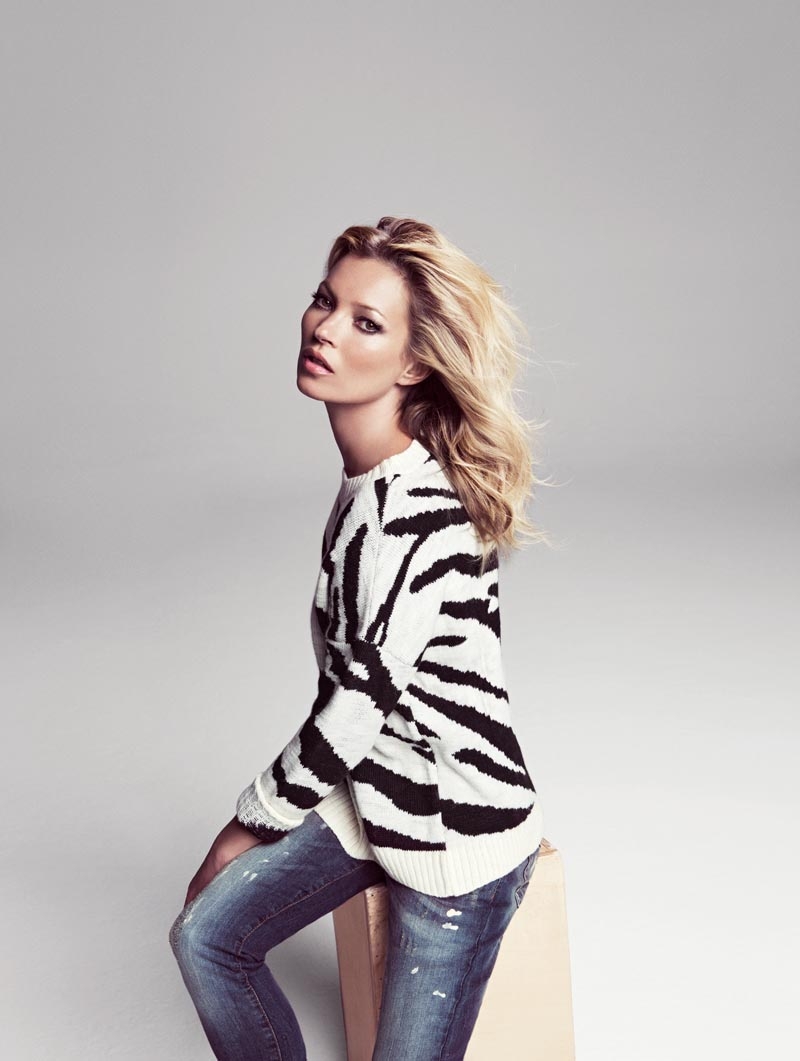
Look for the tonal shifts inside the set. Casual-chic frames lean on knits and denim; evening frames push sequins and tuxedo structure; transitional frames use coats and blazers as the bridge. That sequencing is classic catalogue logic dressed up as fashion photography. The customer is meant to recognize herself in at least one mood, then imagine buying into the others. Moss’s face is the loyalty program: if you trusted her in a knit last month, you might trust her in sequins this month.
High street, supermodel, and 2012 retail culture
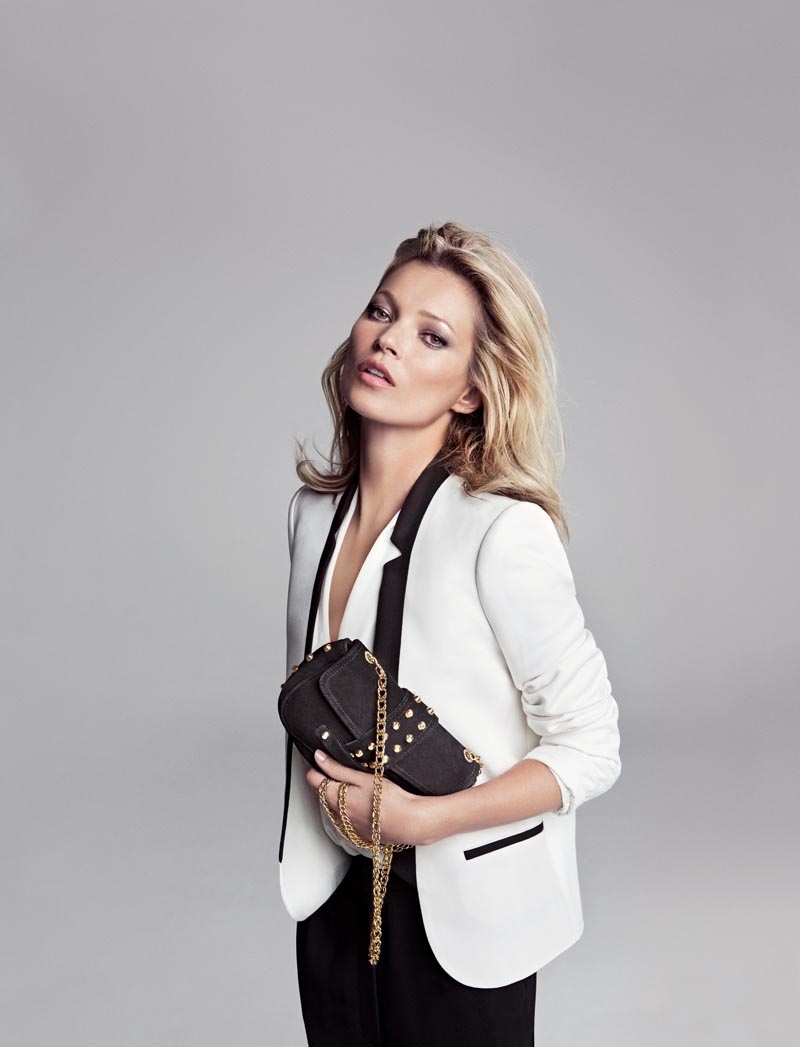
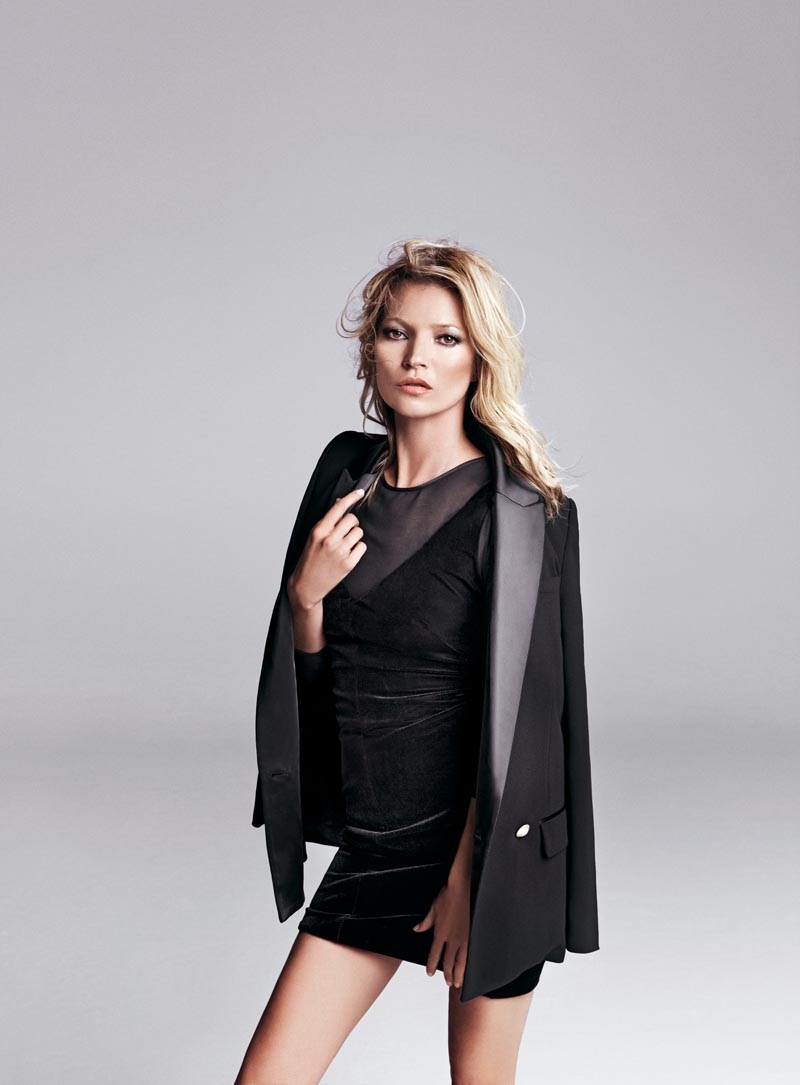
Mango’s Moss partnership belongs to a broader early-2010s habit: European high-street labels hiring global fashion names to raise perceived quality without raising prices to luxury levels. The campaign does not pretend Moss designed the collection. It pretends something subtler—that she would actually wear these pieces between other, more expensive jobs. Whether that fantasy was true mattered less than whether shoppers believed the clothes could borrow her cool for an afternoon in a real city, not only on a lightbox.
This was also Moss’s third consecutive season launching a Mango television and print push around the Autumn/Winter 2012 drop. Continuity mattered to the brand. Returning faces build recognition across store windows and magazine inserts; new faces reset the story every season and spend awareness budget teaching the public who the new girl is. By keeping Moss, Mango kept a single visual dialect—British cool filtered through Spanish retail—while refreshing the clothes underneath.
Behind-the-scenes film from the London shoot circulated with the print ads in 2012, reminding audiences that the campaign was also a moving-image product. Still frames had to work on posters; motion had to work online and in stores. Inez and Vinoodh’s clean studio grammar serves both. Nothing in the set depends on a joke that only plays in video, and nothing in the video depends on a prop missing from the stills. That dual fitness is why the campaign still reads cleanly as a gallery years later.
How to read the campaign images
Archive viewers often scroll fashion campaigns like mood boards. A slower pass is more useful. Start with silhouette: does the coat widen the shoulder, does the pencil skirt lock the hip, does the tuxedo jacket create a masculine line on a feminine frame? Then read fabric: matte wool versus reflective sequin tells you whether the image is selling day or night. Finally read Moss’s posture. When her shoulders drop and her chin lifts a fraction, the clothes look inherited rather than borrowed. That is the campaign’s main trick, and it is older than Mango—Moss has been performing “already owned” since the 1990s.
Also notice what is absent. There are no heavy seasonal props—no fake snow, no Christmas tree, no forced “winter story.” Winter is implied by fabric weight and evening sparkle, not by scenery. That restraint keeps the images usable beyond one holiday week and makes the campaign feel like fashion rather than a department-store circular, even though its commercial purpose is closer to the latter.
Moss as a seasonal constant
Fashion campaigns age faster than editorial covers because they are tied to sell-through seasons. Winter ’12 is over; the coats are no longer on racks. What remains is a document of how Mango wanted to look that year and how Moss’s image functioned as retail language. She is not playing a character. She is playing Kate Moss in Mango clothes—an identity already licensed by decades of magazine work, now rented to a high-street calendar.
Compare this campaign energy with magazine covers from the same era and the difference is obvious. Covers chase personality stories and interview hooks. Campaigns chase product recognition. Moss bridges both worlds because her face already carries a story; Mango only needs her to carry a jacket. That is why the Winter ’12 set still works as a historical gallery: you can study the clothes as 2012 retail fashion, and you can study Moss as a continuing brand asset who made high-street look like second nature.
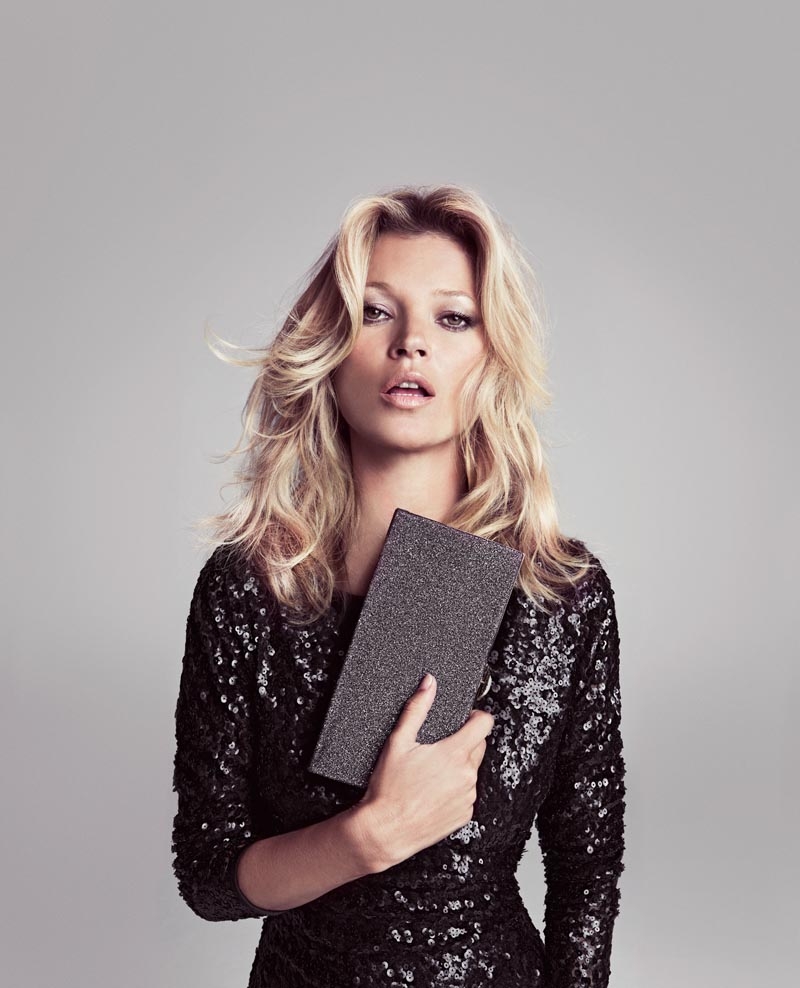
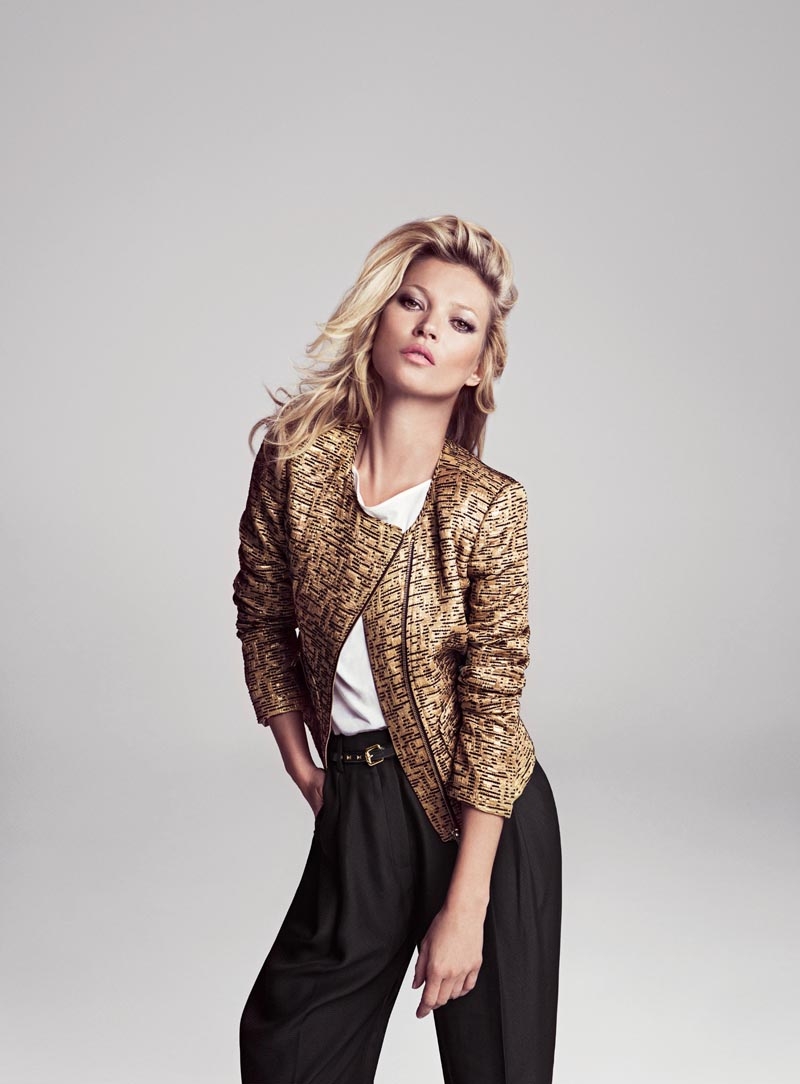
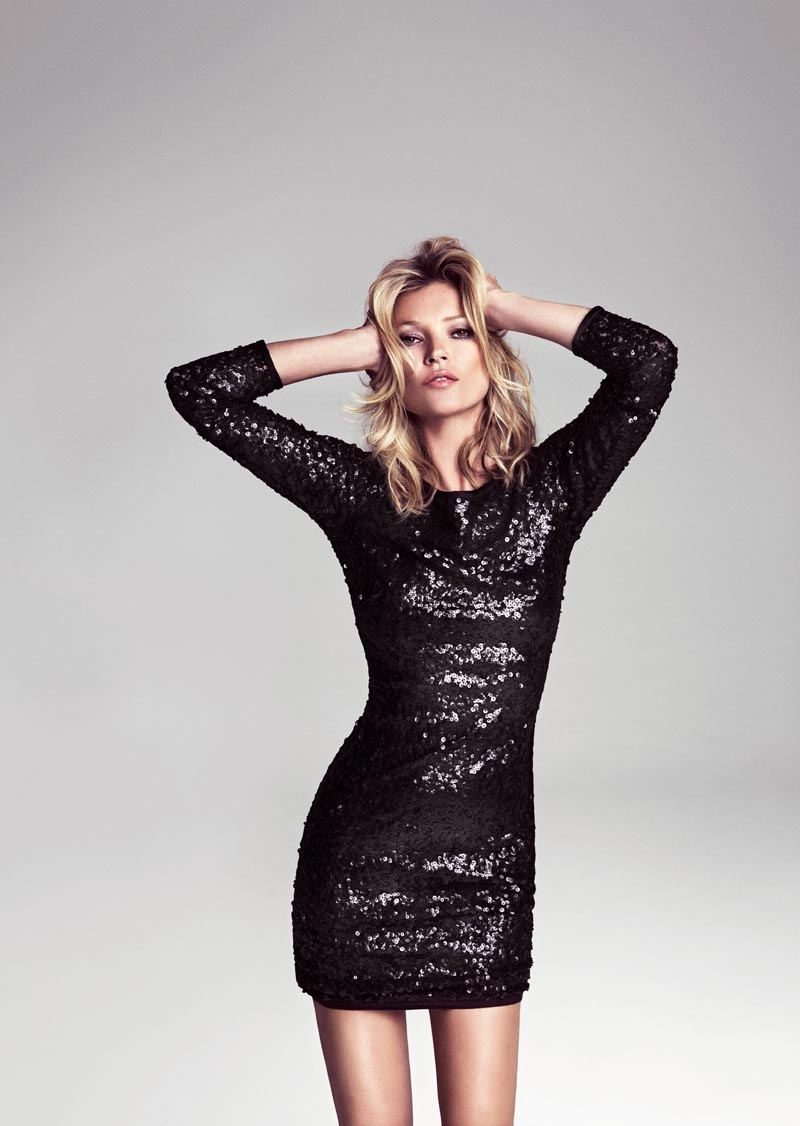
- Campaign, not cover: product clarity beats interview drama.
- Photographers: Inez van Lamsweerde and Vinoodh Matadin, London, late May 2012.
- Range: knits and denim through coats, blazers, sequins, and tuxedo tailoring.
- Brand bet: Moss’s cool as proof that high-street winter clothes can feel lived-in.
- Format: print stills plus behind-the-scenes film built for stores and screens.
If you are filing Moss campaign work from 2012, shelve Winter ’12 next to other Mango seasons rather than next to Vogue covers. The job here was retail theater: one face, many garments, a winter wardrobe sold as attitude.

Comments
Continue reading
Mango Winter 2012 Collection Lookbook: Coats, Knits, and Urban Cold-Weather Style
A historical look at Mango’s Winter 2012 lookbook—wool coats, leather, lace, and layered city polish sold for short days and heated rooms.
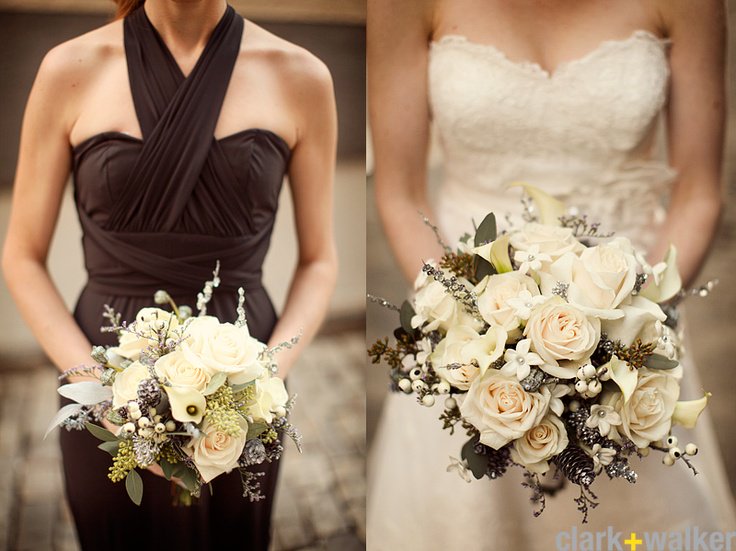
Winter Wedding Bouquets: Berries, Evergreens, and Cold-Season Texture
Inspiration for bridal bouquets that embrace winter—evergreens, berries, dried elements, feathers, and practical tips for cold venues and coats.
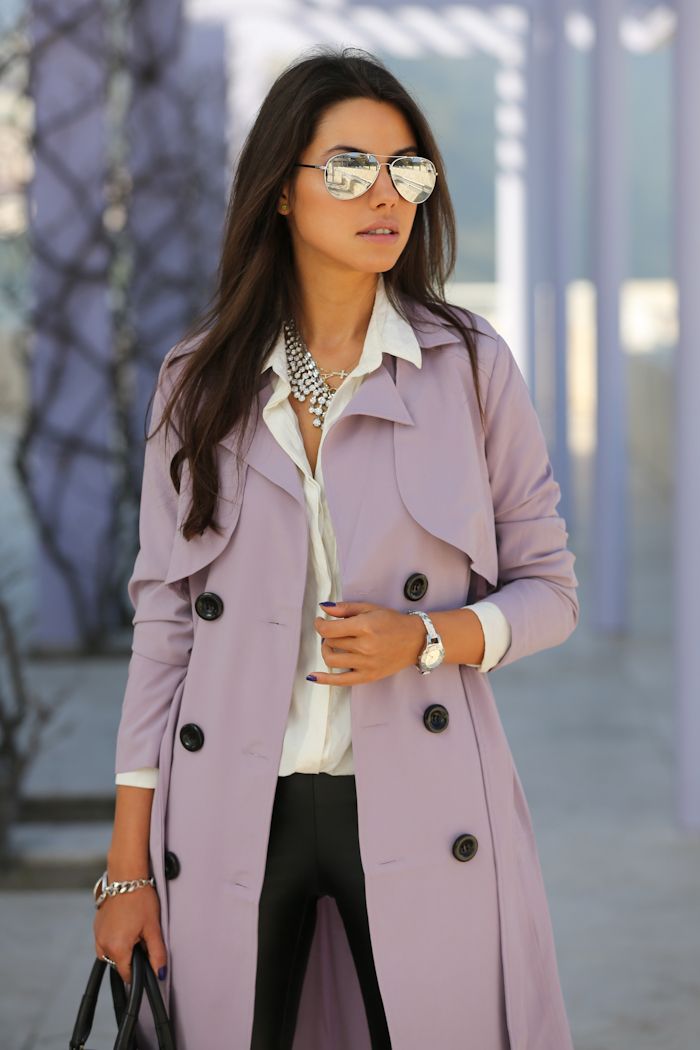
Winter Work Outfits That Stay Warm and Sharp
Layer blazers, knits, skirts, boots, and scarves for cold commutes and polished desks—practical winter office chic without the morning puzzle.