
Mango Winter 2012 Collection Lookbook: Coats, Knits, and Urban Cold-Weather Style
A historical look at Mango’s Winter 2012 lookbook—wool coats, leather, lace, and layered city polish sold for short days and heated rooms.
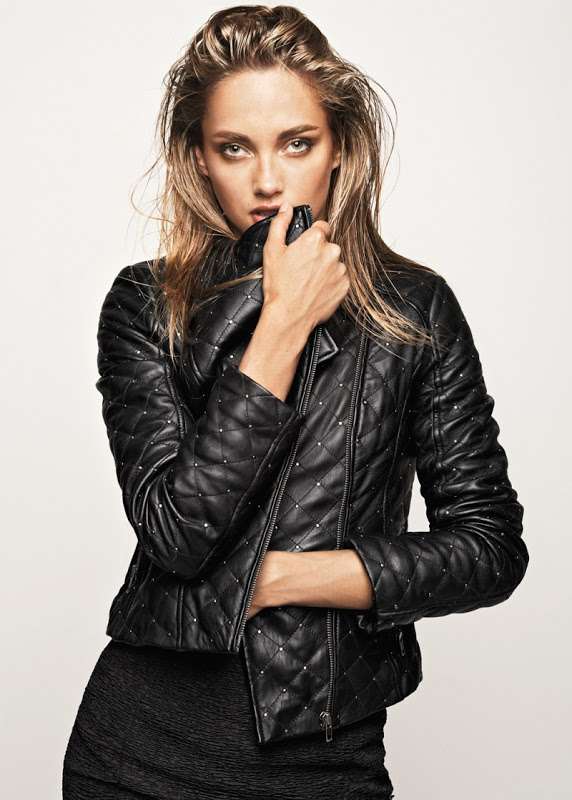
In autumn 2012, Spanish high-street label Mango rolled out its Winter 2012 collection as a cold-season wardrobe argument: coats with real weight, knits that read as layering, leather and lace for city nights, and accessories designed for wind rather than beach light. The lookbook images gathered here document that seasonal drop as retail fashion photography of its moment—studio clarity, wearable silhouettes, and a palette tuned to short days and heated rooms.
This is not a spring refresh photographed in heavier fabric. Winter 2012 sold density. Wool, fur accents, structured blazers, fitted trousers, ankle boots, scarves, and the glove-and-hat logic that only appears when the calendar turns toward frost fill the frames. The season’s campaign language—urban chic, feminine edge, seductive polish—sat on top of practical pieces shoppers could button against October rain. Compare that job with Mango’s Summer 2013 chapters, which opened necks, freed ankles into sandals, and pushed pale romantic sheers. Winter closes the body; summer opens it. Keeping those climates distinct is how these lookbooks still make sense as history.
What Winter 2012 looked like on the rack
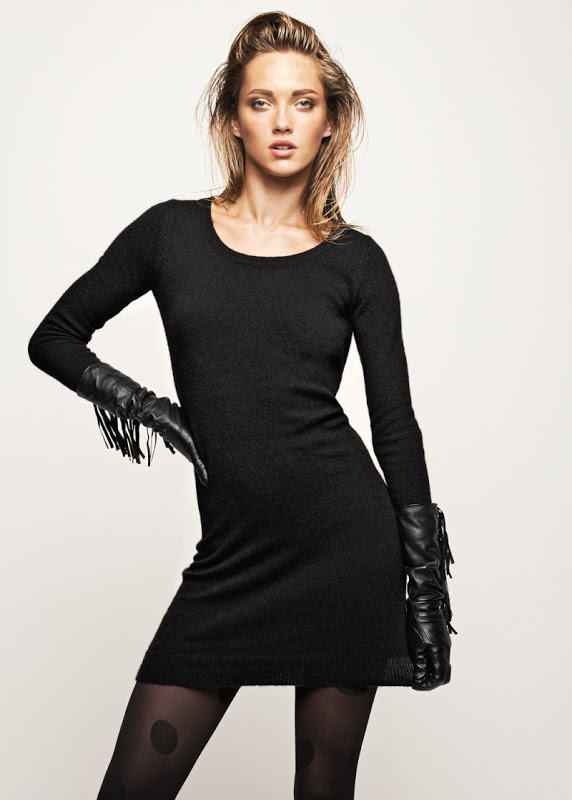
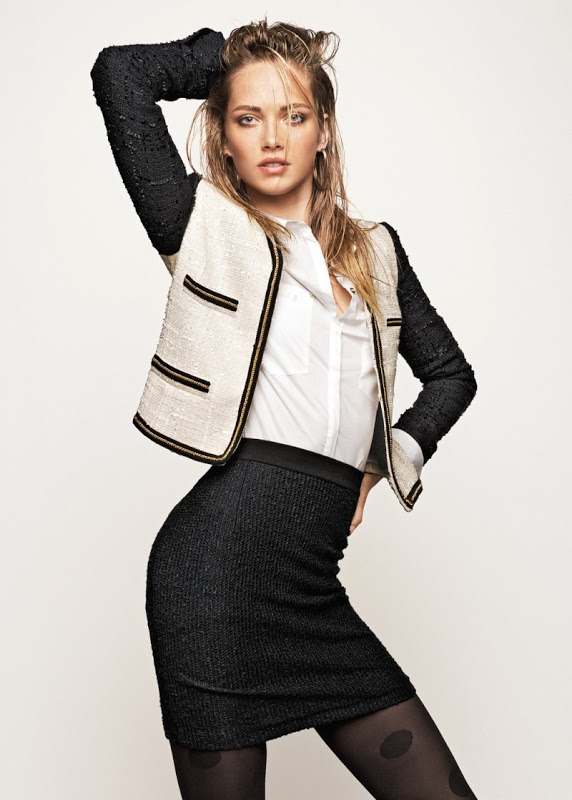
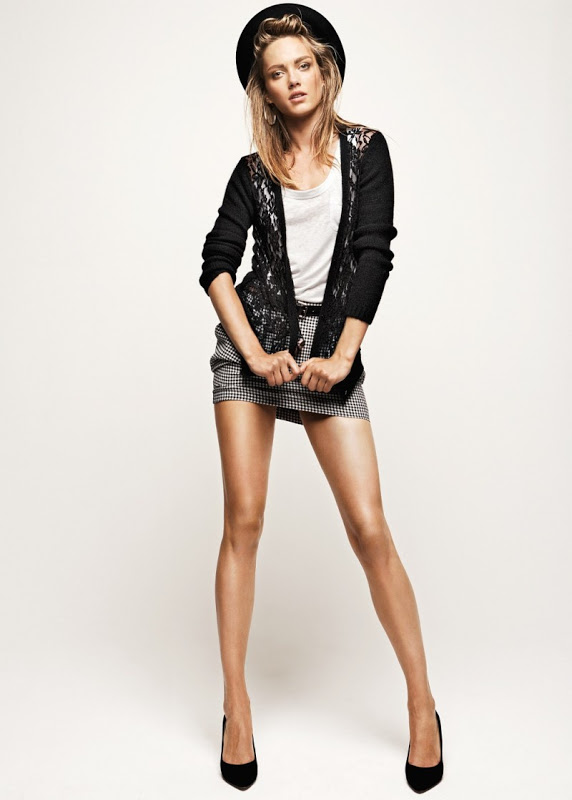
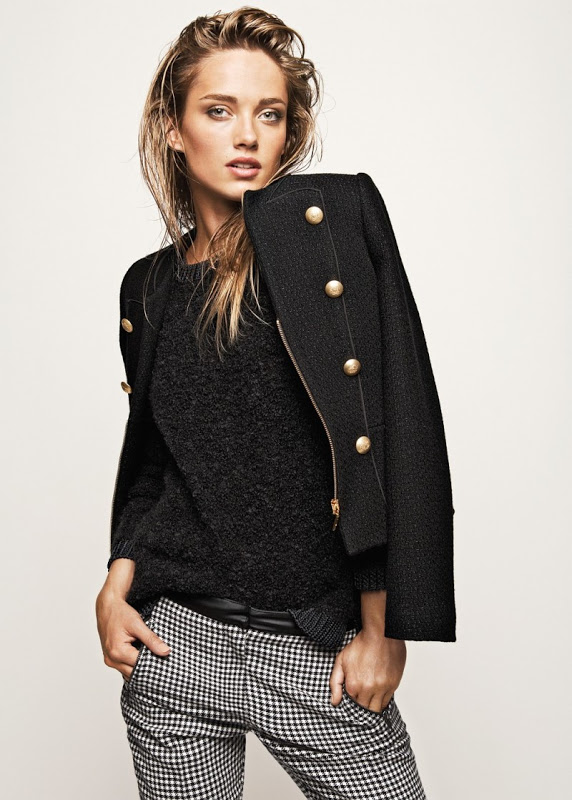
Contemporary coverage of Mango’s Winter 2012 push described a mix that felt deliberately indoor-outdoor: soft knits against edgy leather, lace against wool, animal print and mesh as accents inside a mostly wearable base. Blazers, fitted trousers, knit tops, mini dresses, leather jackets, formal suits, and overcoats formed the backbone. Belts, scarves, earmuffs, ankle boots, hats, socks, and fine jewelry filled the gaps between garments—the small items that make a winter lookbook feel finished rather than theoretical.
Colour worked in pops against neutrals. Stripes and fur details showed up as seasonal punctuation. Mesh and lace kept the collection from reading as purely utilitarian outerwear. That balance mattered for a high-street brand in 2012: customers needed a coat that survived a commute and a dress that survived a holiday party, preferably from the same store visit. Catalogue photography had to prove both temperatures without changing the model’s essential cool.
Models associated with the wider Winter 2012 visual machine—among them Karmen Pedaru in urban-chic studio sets, and Kate Moss in the season’s higher-profile advertising work by Inez & Vinoodh—helped Mango speak in more than one register. The lookbook job, though, stayed practical. These frames sell SKUs with clear sleeve lengths and boot heights more than they sell celebrity mythology.
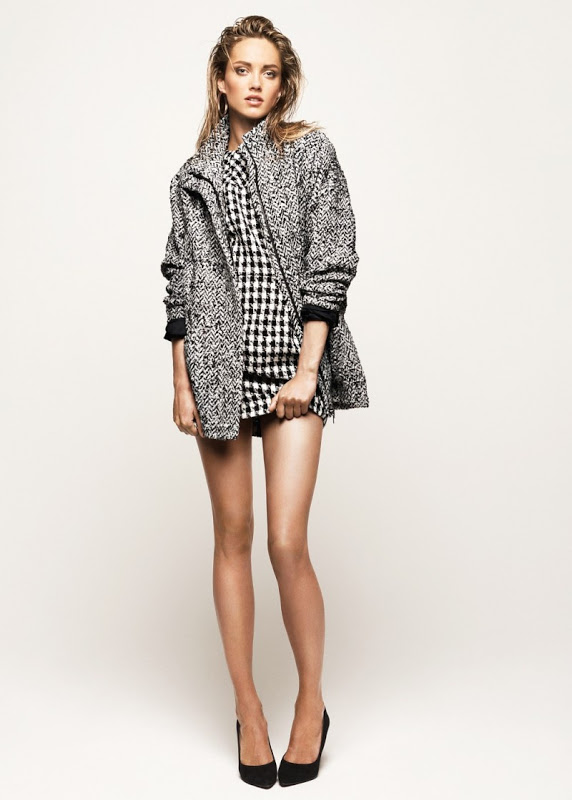
Cold-season silhouette logic
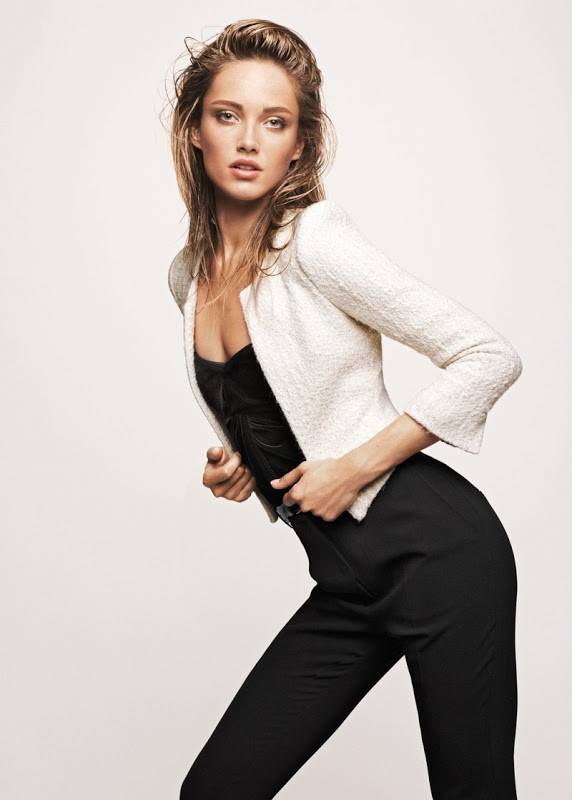
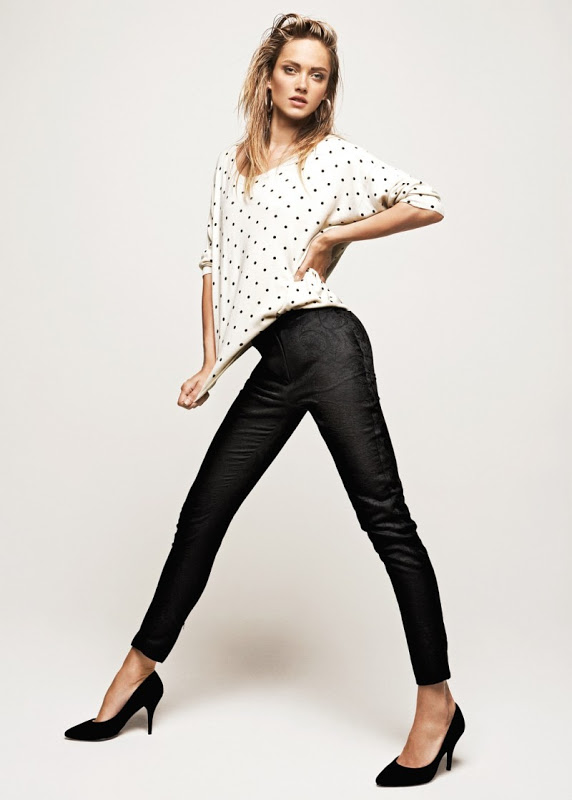
Winter lookbooks succeed when silhouette communicates temperature before any caption does. In these frames, shoulders widen under coats and blazers; legs narrow into fitted trousers or boots; hands disappear into pockets or gloves. The body is wrapped, then sharpened. A summer lookbook’s open necklines, bare ankles, and fabric that moves in air tell the opposite story. Winter 2012 is the closed sentence of Mango’s early-2010s seasonal pair; Summer 2013’s Romantic Essence chapter would write the open one with Toni Garrn in pale sheers and sandals.
Studio lighting stays bright and even—typical early-2010s high-street catalogue photography. Backgrounds stay quiet so texture can compete: the matte of wool, the sheen of leather, the soft bulk of knit, the pattern interruption of animal print. Nothing depends on fake snow or Christmas props. Winter is implied by garment weight and styling density, which is why the images still read as fashion rather than seasonal advertising ephemera that expires on January 2.
Posture reinforces climate. Models plant weight as if bracing for wind. Coats stay on in frames that could have shown only the dress underneath. Layering is visible as method, not accident. That is retail pedagogy: teach the customer how to wear the warm piece without looking swallowed by it.
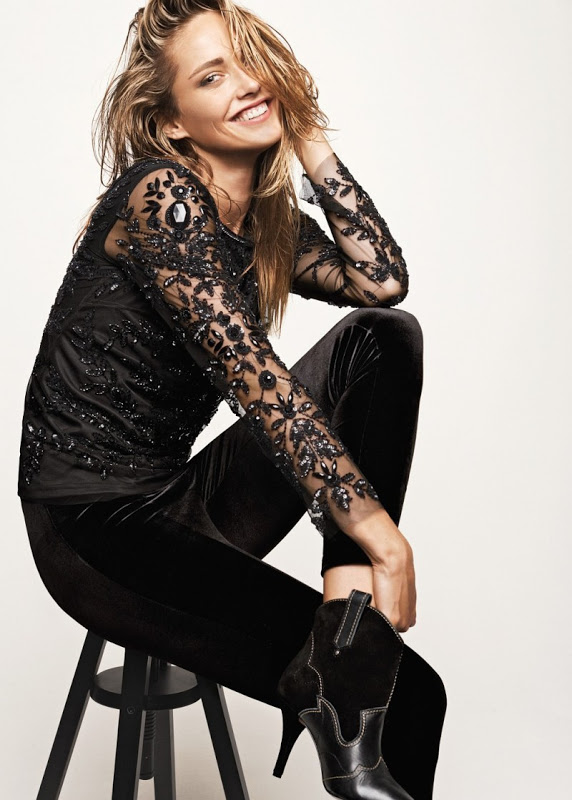
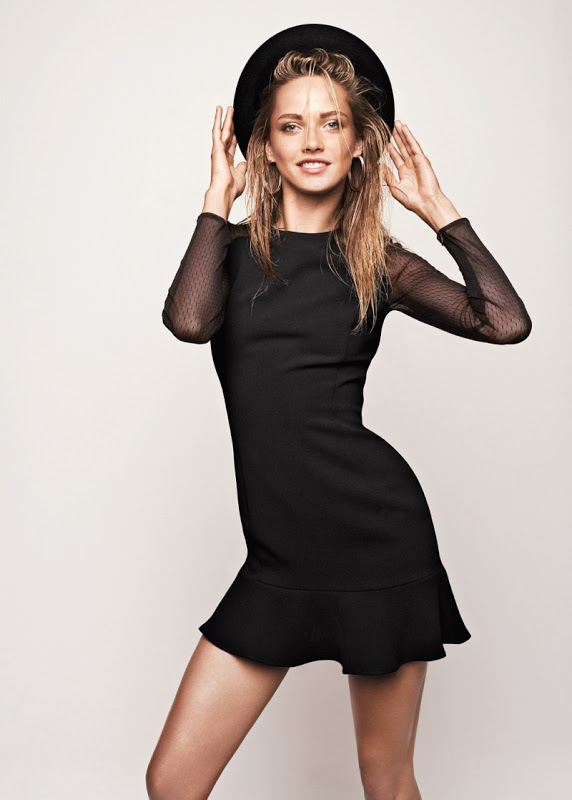
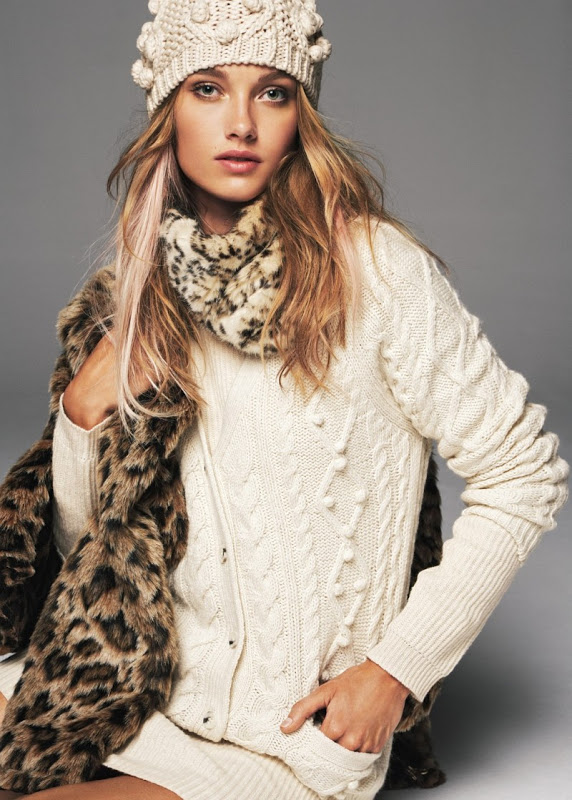
High-street winter campaigns in 2012
By 2012, European high-street brands treated seasonal lookbooks as continuous content machines. Mango’s Winter drop sat alongside supermodel advertising that same season while separate catalogue sets carried the broader product range into stores and websites. Campaigns sold attitude with a famous face; lookbooks sold product recognition with clear garment views. Both belonged to one retail calendar, but they did different work on the page.
That division explains the visual patience of this gallery. You can read a sleeve length, a boot shaft, a belt placement, a scarf knot. The photographs invite shopping imagination: which piece survives a tram ride, which piece only leaves the house after dark. For archive readers years later, that patience is useful. The images preserve what Mango wanted to move through winter registers—coats first, then the clothes worn underneath them, then the accessories that made the outfit look intentional in wind.
Early-2010s high street also loved texture stories. Leather against knit, lace against wool, fur as trim rather than full costume—these contrasts photographed well and gave customers permission to mix hardness and softness in one outfit. Winter 2012 leans into that permission repeatedly across the sequence.
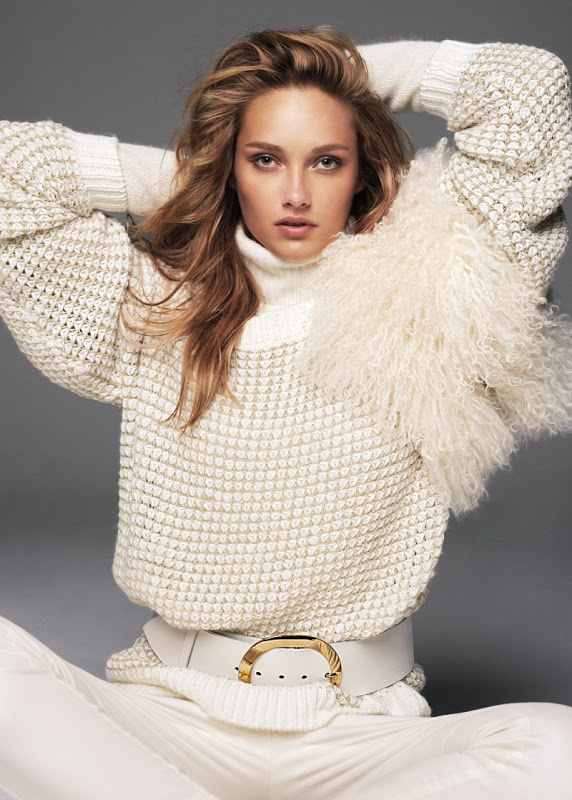
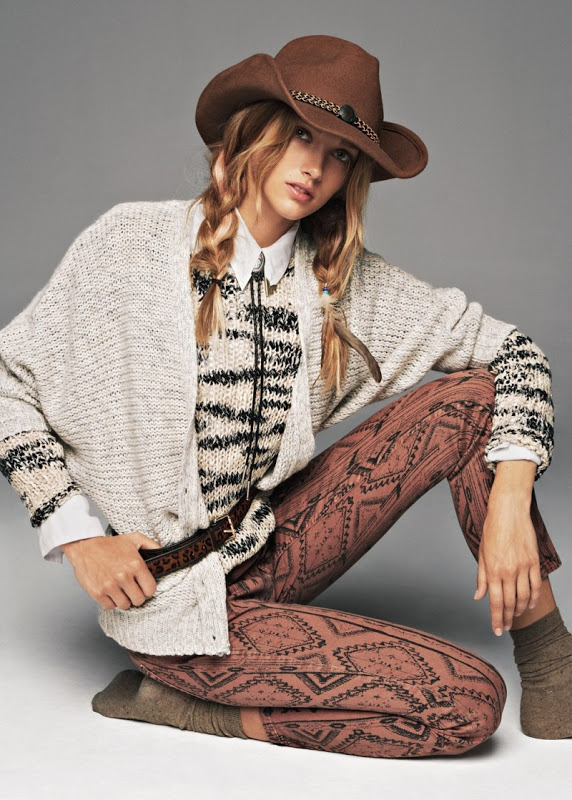
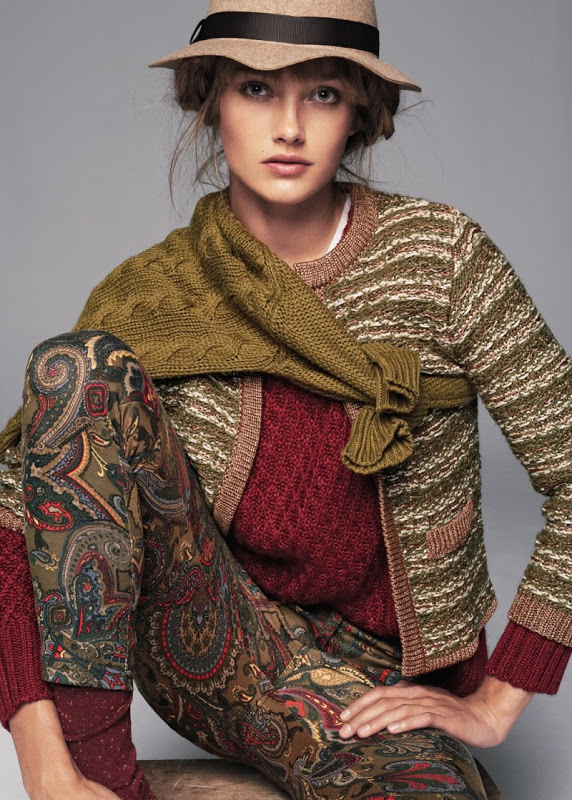
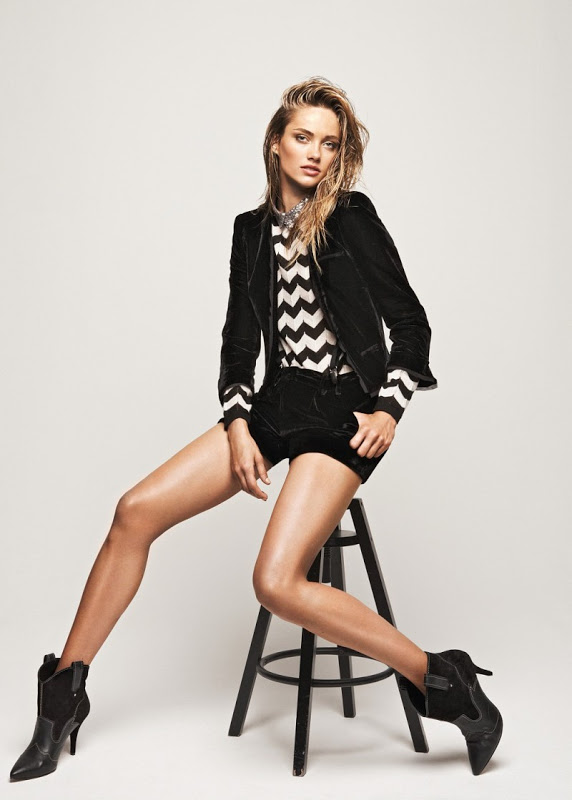
How to read the lookbook sequence
Scroll once for mood, then again for product. On the second pass, ask three questions of each frame. First: is this day cold-weather or evening cold-weather? Day frames lean on knits, trousers, and coats; evening frames push lace, shorter hems, and sharper shoes. Second: where is the warmth coming from—fabric bulk, layering, or accessories? Third: what would still make sense without studio light—on a tram, in a lobby, at a December dinner?
Also watch accessories as seasonal signals. Scarves and hats are not decoration here; they are climate tools turned into style. Ankle boots lock the silhouette to pavement rather than sand. Jewellery stays smaller so coats and collars can dominate. That hierarchy is winter retail logic in miniature, and it is the opposite of Summer 2013’s bangles-and-sandals finishing kit.
A useful third pass is purely textural. Name the dominant material in each image before you name the garment category. If you keep saying “coat,” you are reading silhouette. If you start saying “wool,” “leather,” “knit,” “lace,” you are reading what Mango actually wanted fingers to imagine in a fitting room.
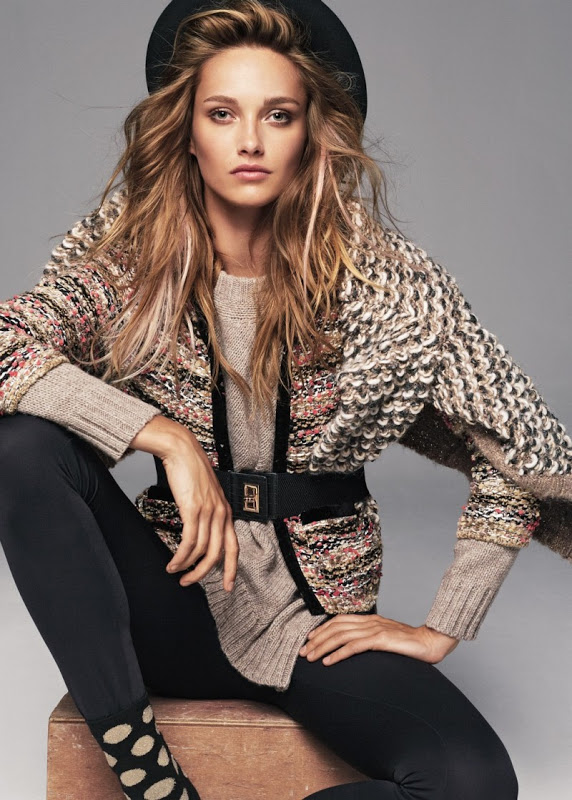
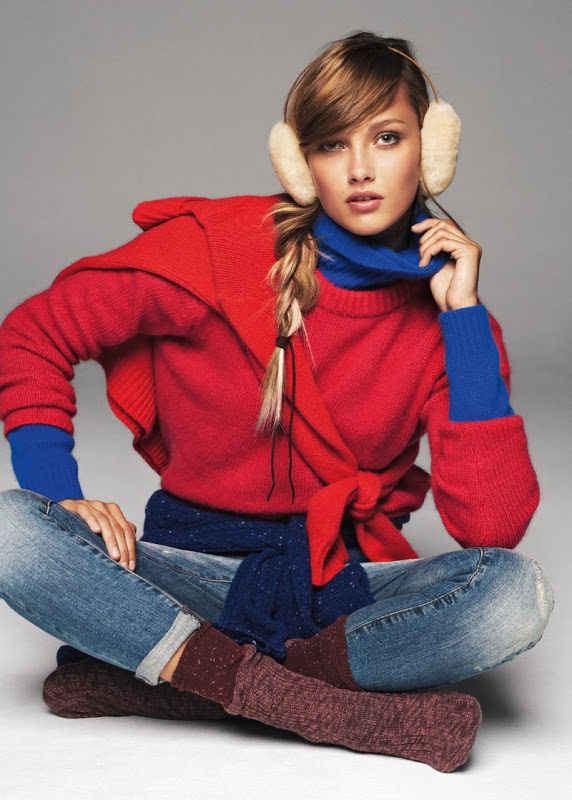
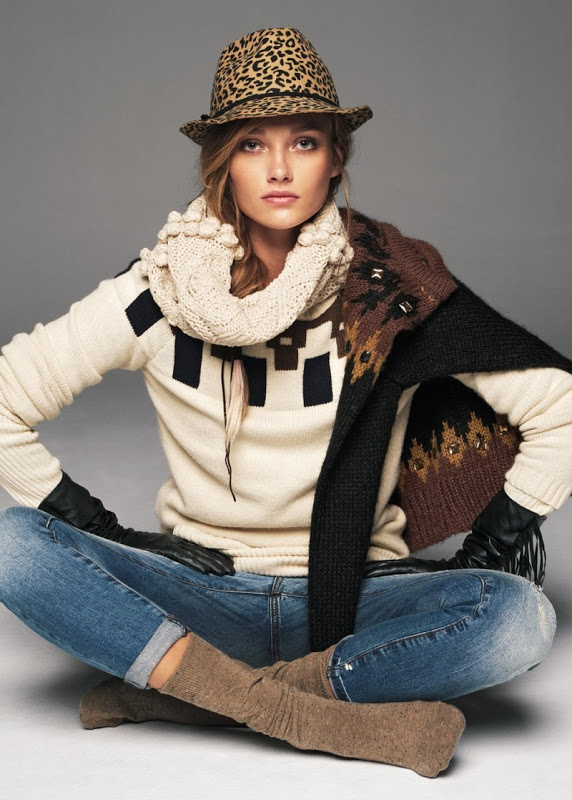
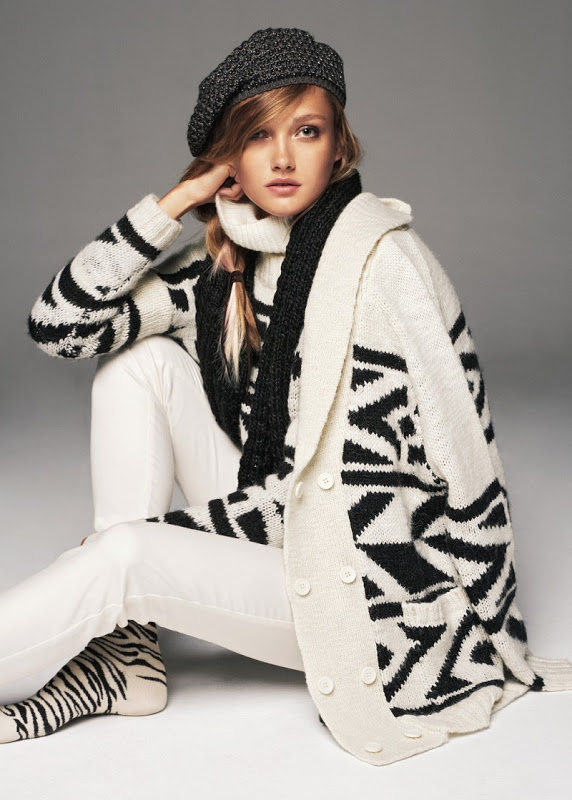
Day looks, night looks, and the coat as protagonist
Many winter campaigns fail by showing only party clothes or only parkas. This lookbook tries to cover the commute-to-dinner range. Day frames favor knit-and-trouser logic under outerwear. Night frames let lace, shorter hems, and sharper footwear take more of the frame while coats still appear as arrival armor. The coat is often the protagonist even when a dress is the emotional hook—because in real winter cities, the coat is what strangers see first.
That sequencing is classic catalogue logic dressed as fashion photography. The customer is meant to recognize herself in at least one mood, then imagine buying into the others. Continuity of styling—hair, makeup, studio grammar—keeps the moods inside one brand voice so the wardrobe feels like a system rather than a random rack.
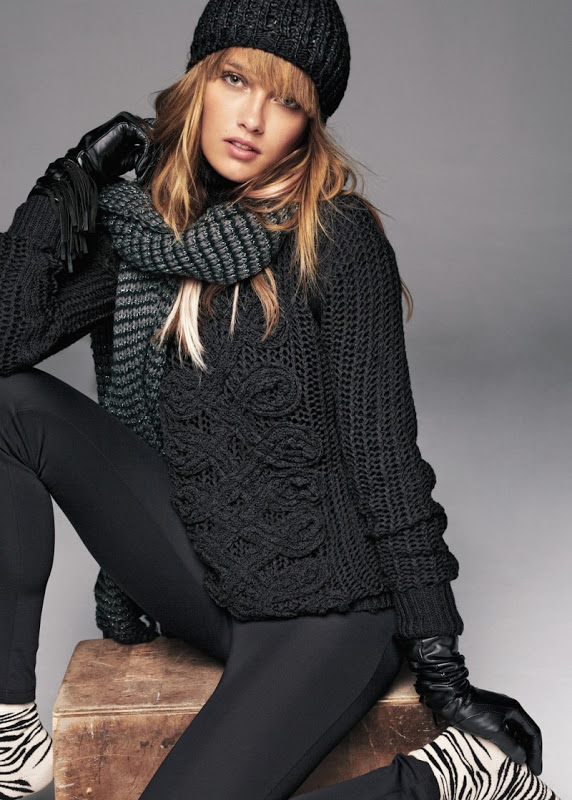
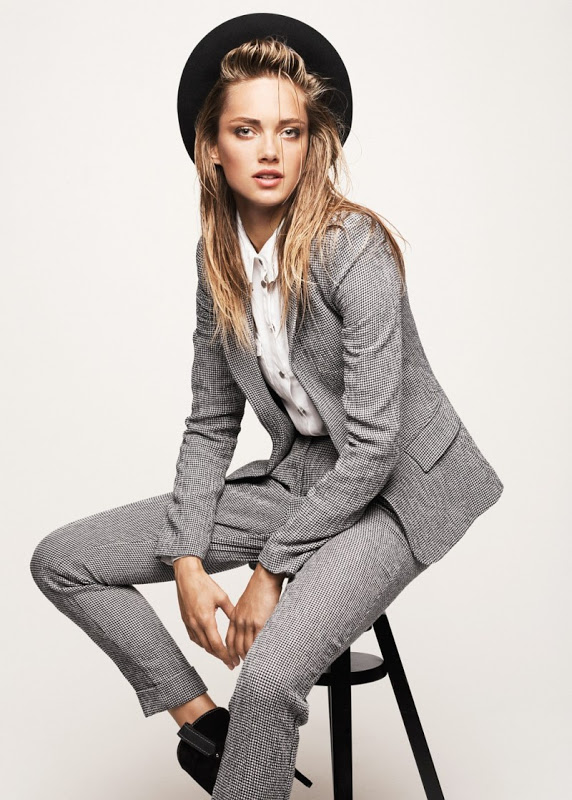
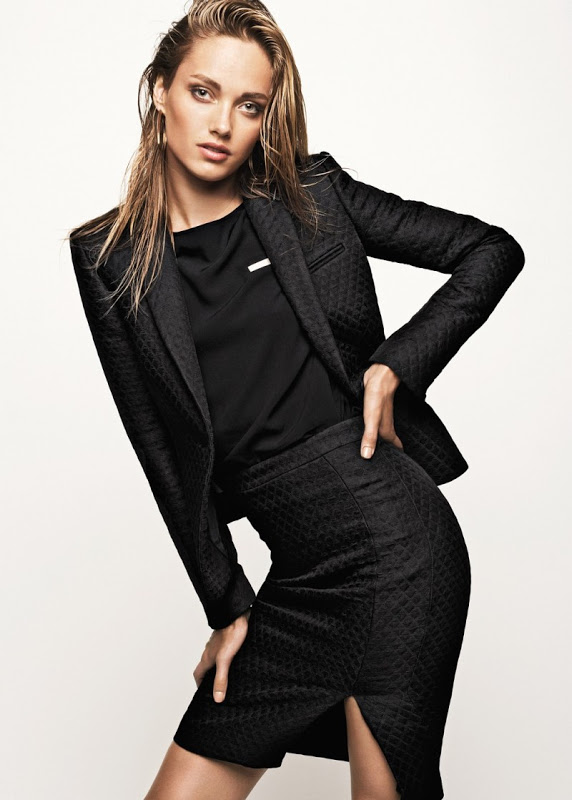
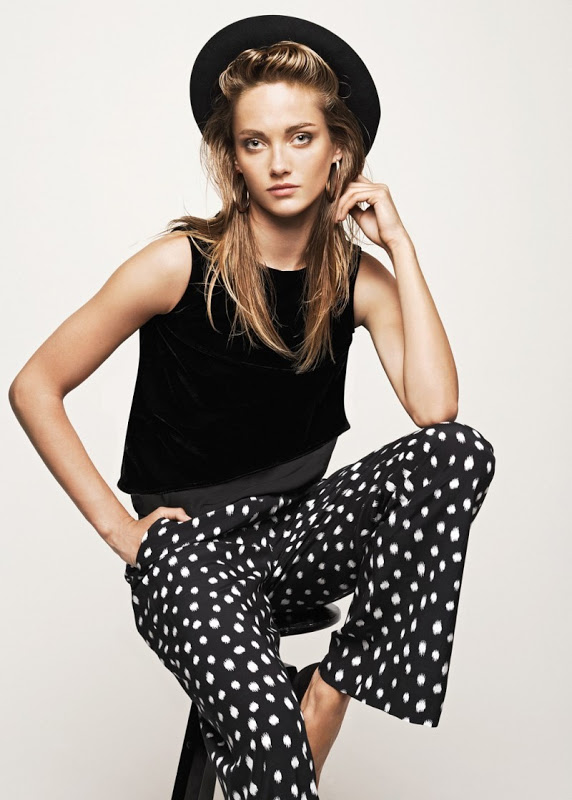
Filing Winter 2012 beside Summer 2013
Fashion seasons expire; lookbooks remain as evidence of what a brand thought customers would buy under grey skies. Mango’s Winter 2012 set records an early-2010s high-street wager: that shoppers wanted edge without abandoning warmth, lace without abandoning boots, and colour pops without abandoning a wearable neutral base. It is a colder story than the pale romantic summer lookbooks that followed—different fabrics, different postures, different reasons to dress.
- Climate cue: coats, boots, scarves, and layered knits.
- Texture cue: wool, leather, fur accents, lace as evening density.
- Studio cue: closed silhouettes, quiet backgrounds, product clarity.
- Season pair: read against Summer 2013 sheers and sandals, not as interchangeable “old Mango.”
When you compare a Winter 2012 overcoat frame with a Summer 2013 sheer blouse, the seasons stop being abstract. One image asks how warm you need to be; the other asks how light you can look. This gallery answers the first question in Mango’s 2012 voice.

Comments
Continue reading
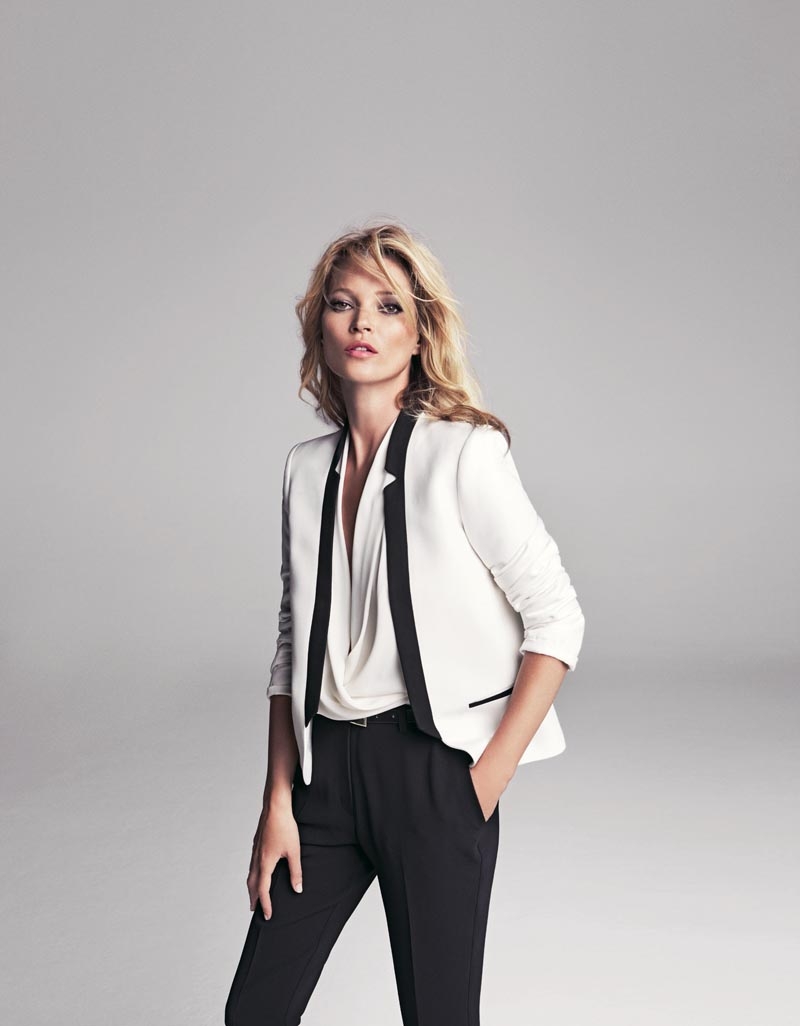
Kate Moss for Mango Winter ’12 by Inez & Vinoodh
Kate Moss fronts Mango’s Winter 2012 campaign in London studio images by Inez van Lamsweerde and Vinoodh Matadin—knits to sequins, high-street cool as seasonal retail theater.
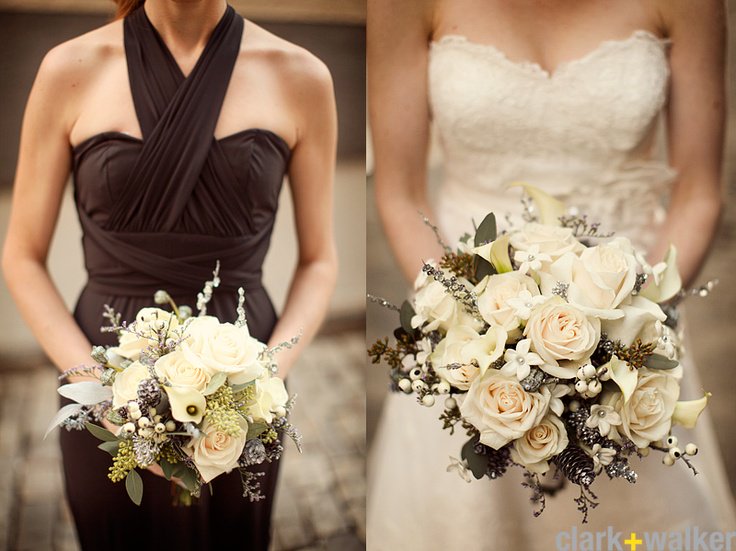
Winter Wedding Bouquets: Berries, Evergreens, and Cold-Season Texture
Inspiration for bridal bouquets that embrace winter—evergreens, berries, dried elements, feathers, and practical tips for cold venues and coats.
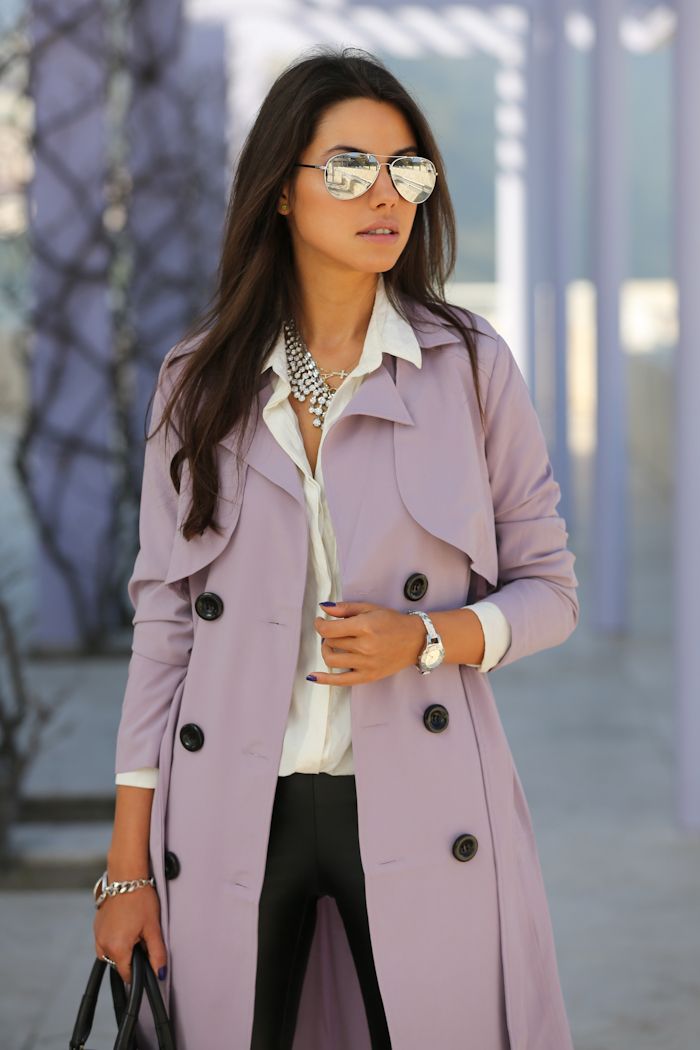
Winter Work Outfits That Stay Warm and Sharp
Layer blazers, knits, skirts, boots, and scarves for cold commutes and polished desks—practical winter office chic without the morning puzzle.