
Armchair Designs That Actually Work at Home
A practical guide to distinctive armchair silhouettes—fit, clearance, fabric, and visual weight—so statement chairs work in real rooms, not only in studio photos.
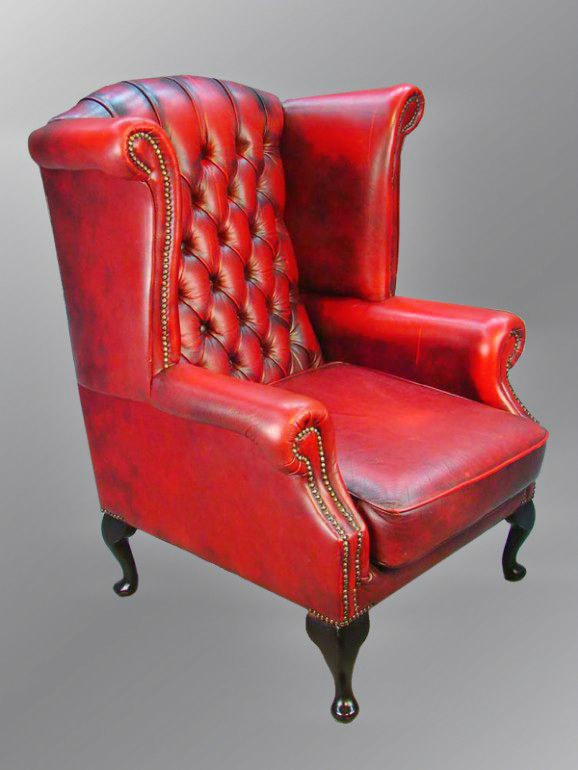
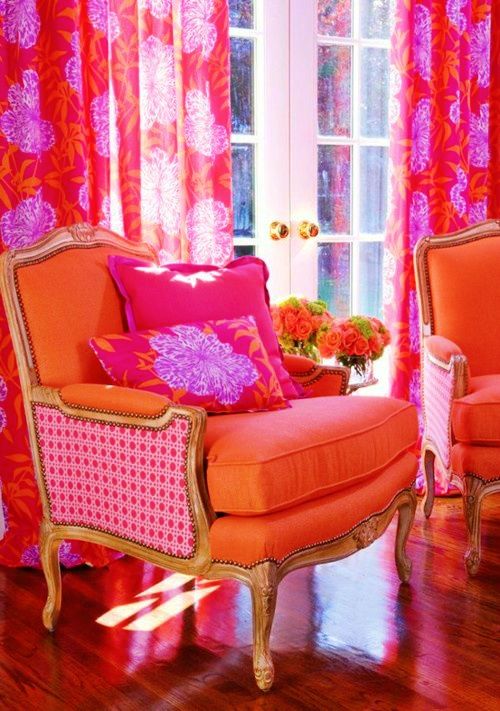
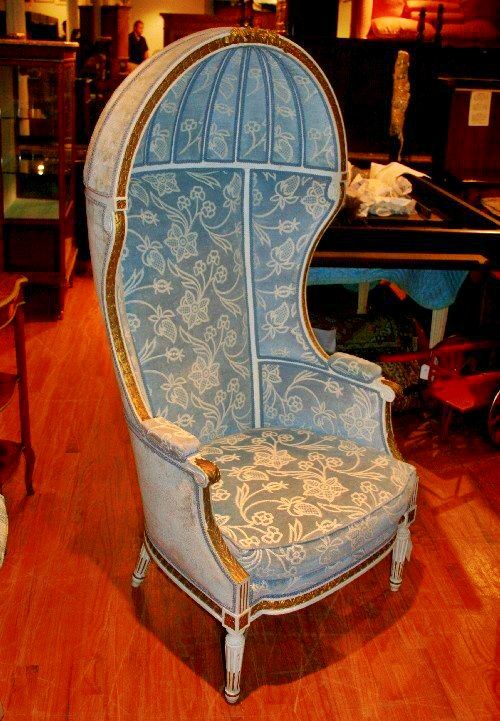
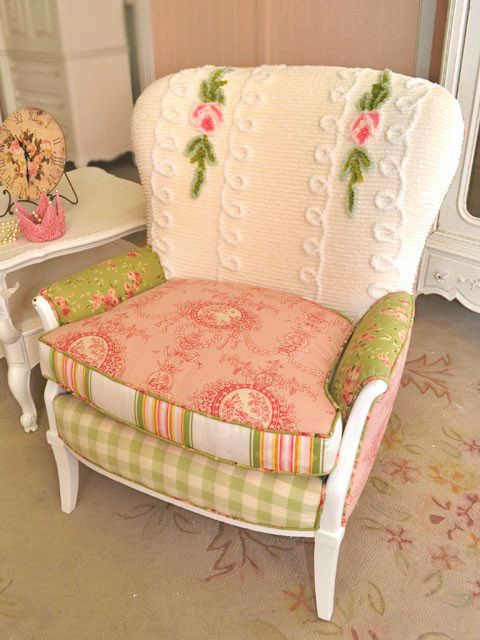
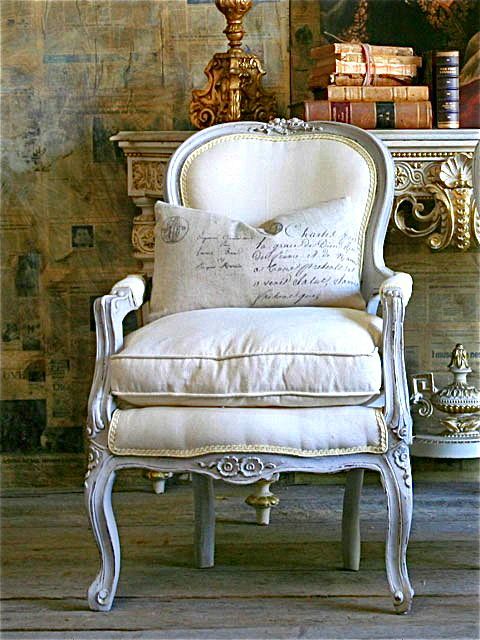
An armchair earns its place when it does two jobs at once: it looks finished in the room, and it lets someone sit for an hour without bargaining with their spine. The designs gathered here lean toward distinctive silhouettes—sculptural shells, statement upholstery, playful proportions, and classic lounge shapes updated with stronger color or cleaner lines. Use the gallery as a practical reference board, not as a shopping cart of hard sells. Measure your space, decide how the chair will be used, then match form to that use.
Armchairs fail most often for boring reasons: too wide for the wall, too deep for shorter legs, arms that block a side table, fabrics that pill in a family room, or a “hero” color that fights every other textile. A perfect armchair on a white studio floor can become a bad roommate in a real living room. The pictures below stay useful when you look past glamour and ask fit, comfort, and maintenance questions beside each silhouette.
Start with the job, not the photo
Before you fall for a curve or a print, name the chair’s primary job. Primary reading seat beside a lamp? Conversation partner opposite a sofa? Bedroom landing spot for putting on shoes? Occasional guest chair that must stay light enough to move? Each job changes seat height, depth, arm height, and fabric priority.
Reading chairs need lumbar support, a back high enough for shoulders, and a side table that clears the arm. Conversation chairs can be slightly more upright and visually lighter so they do not dominate the sofa. Bedroom chairs can be smaller and softer, but they still need a stable base—nobody wants a tipping vanity seat. Guest chairs should recover their shape after weekend use and preferably wear a fabric that cleans without drama.
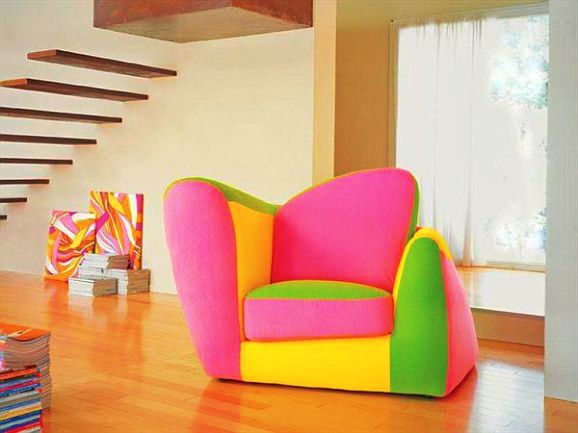
Also decide whether the armchair is a pair or a singleton. Pairs create symmetry and hotel-lobby calm; a singleton becomes a sculptural accent. Many of the more expressive designs in this set work best alone. If you force two identical statement chairs into a small room, the room starts to look like a showroom aisle.
Proportion, clearance, and visual weight
Measure the intended footprint including walking clearance. Leave enough room to enter and exit the seat without shinning a coffee table. Deep lounge chairs need more front clearance than upright club chairs. Swivel bases need a full rotation circle free of rug edges that catch casters or feet.
Visual weight is separate from physical weight. A pale, open-legged chair can disappear into a bright room; a dark, skirted, fully upholstered body will anchor a corner like a small sofa. If your room already has a heavy sofa and a dense rug, choose an armchair with visible legs or a lighter shell so the floor plan can breathe. If the room feels sparse, a fuller armchair can supply the missing mass.
Seat height and depth deserve a tape measure and, whenever possible, a sit test. A fashionably low lounge look can strand older guests. A fashionably deep seat can leave shorter sitters perched on the front edge. Arms should help you stand; if they are too low or too wide, they become obstacles. These are not fussy details—they are why some “gorgeous” chairs never get used.
Materials that survive real rooms
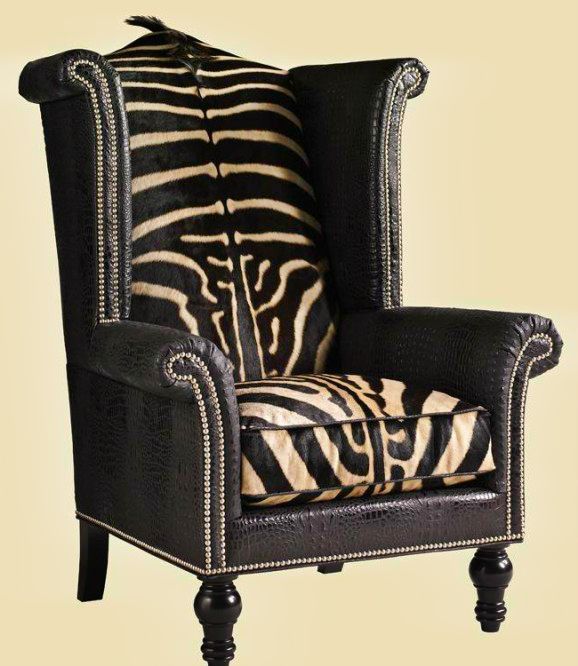
Upholstery choice should follow traffic. Performance weaves and tightly woven textiles suit family rooms and pet households better than delicate bouclés that snag. Leather and quality faux leather wipe clean and patina differently; both show scratches in honest ways. Velvet photographs beautifully and feels luxurious, but it tracks pressure marks and needs mindful placement away from direct harsh sun if colorfastness is uncertain.
Frames matter as much as fabric. Hardwood and well-engineered plywood hold upholstery longer than mystery particle cores. Webbing and springs should feel supportive, not hammock-soft, unless you specifically want a sink-in lounge and plan cushions accordingly. Removable seat cushions and washable covers are quiet luxuries that extend a chair’s life without changing its silhouette.
Wood and metal accents change maintenance. Lacquered arms show fingerprints; raw or oiled wood wants occasional care; powder-coated metal legs shrug off scuffs better than soft painted finishes. If the chair will live near a sunny window, ask how fabrics and dyes behave under UV. A perfect armchair that fades in one season was never perfect.
Style languages you can mix safely
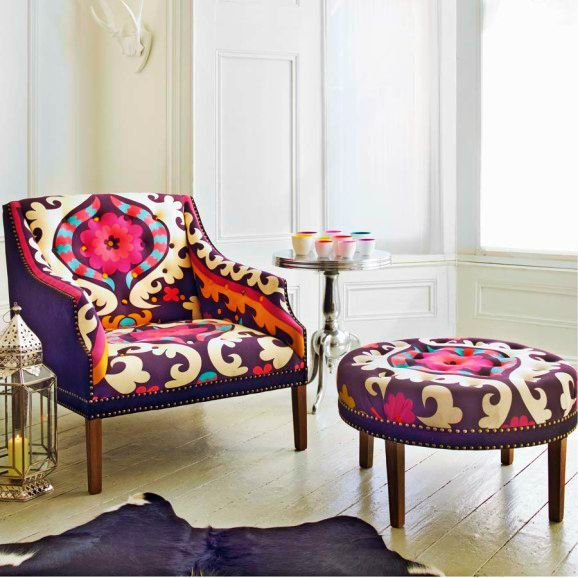
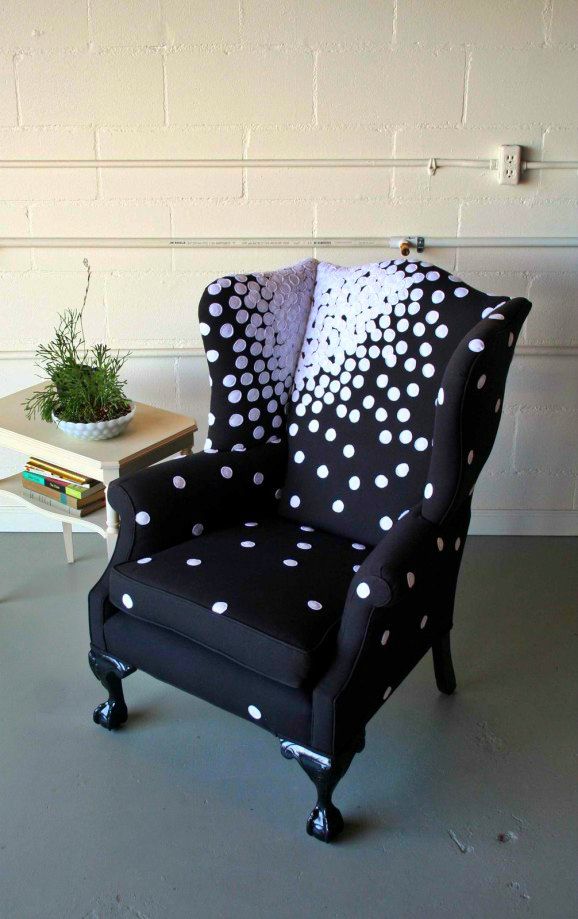
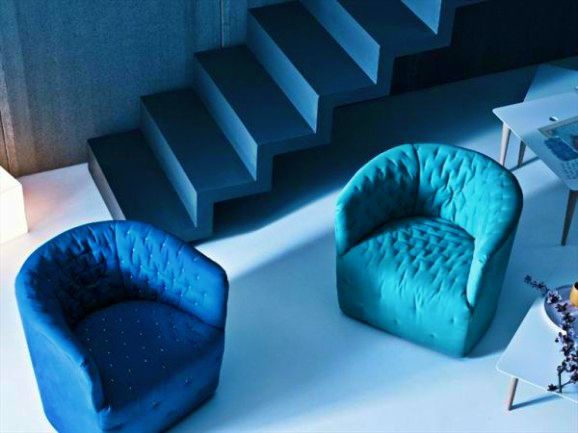
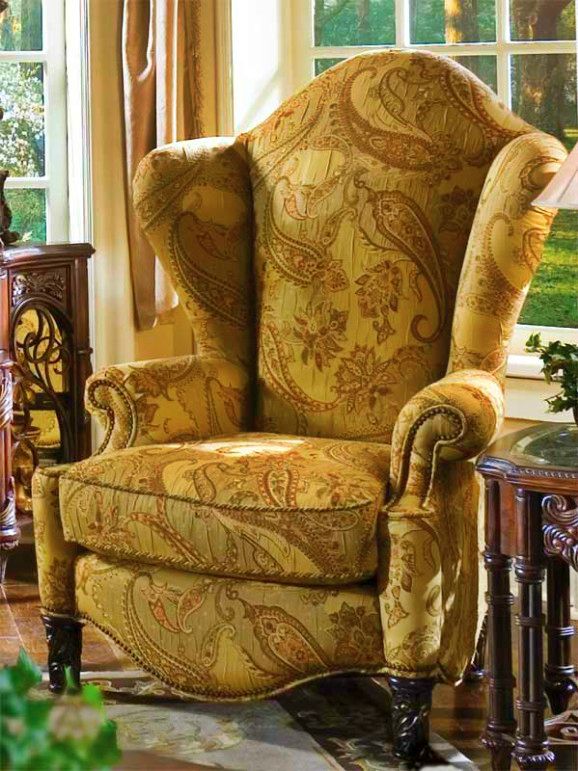
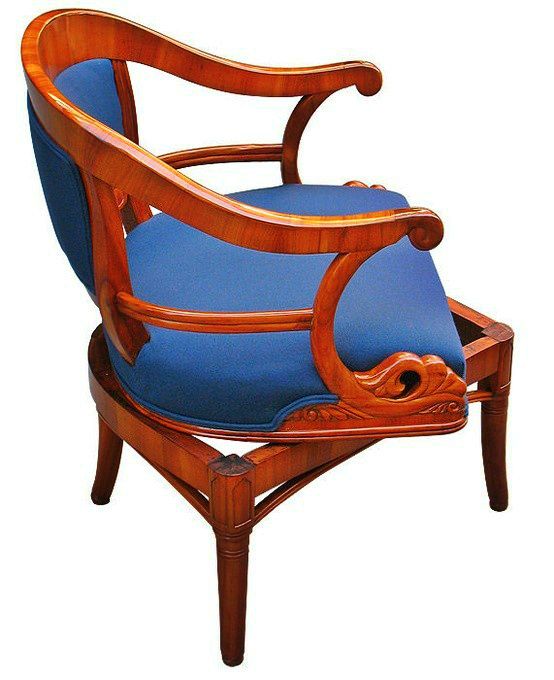
Within this gallery you will see several recurring languages: mid-century taper and exposed wood; soft contemporary curves; high-back traditional forms in unexpected fabrics; playful or oversized statement pieces; and minimal shells that behave almost like sculpture. Mixing works when one language leads. Let the armchair be the accent if the sofa is quiet. Let the armchair stay quiet if the rug and art are loud.
Color strategy is simpler than trend lists suggest. If you want longevity, put saturated color on a classic silhouette, or put a neutral on a daring silhouette—not both at maximum volume unless the room is intentionally theatrical. Patterned upholstery hides wear and adds energy; solid upholstery calms a busy room and shows construction lines more clearly.
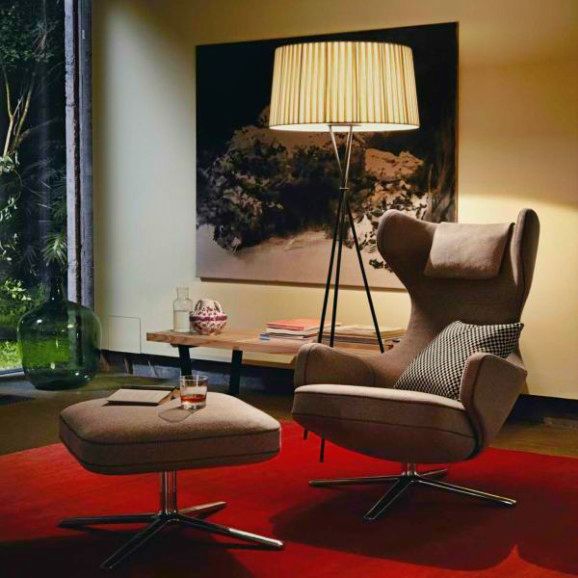
Lighting completes the chair. A floor lamp behind or beside an armchair creates a reading pool and makes the furniture look intentional at night. Avoid placing a glossy chair where a harsh overhead spotlight will turn it into a glare object. Soft side light flatters fabric texture and invites use.

A short decision checklist
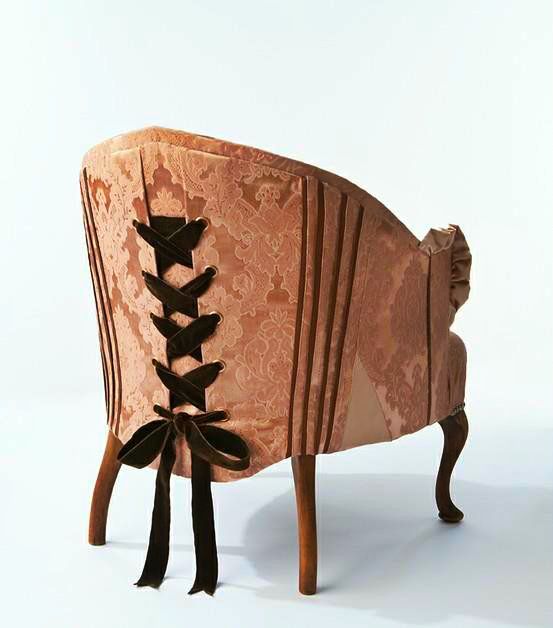
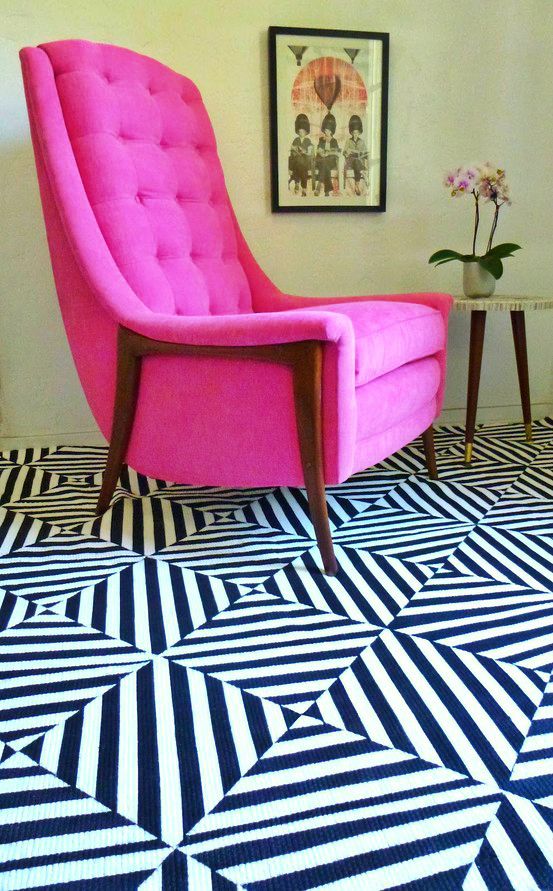
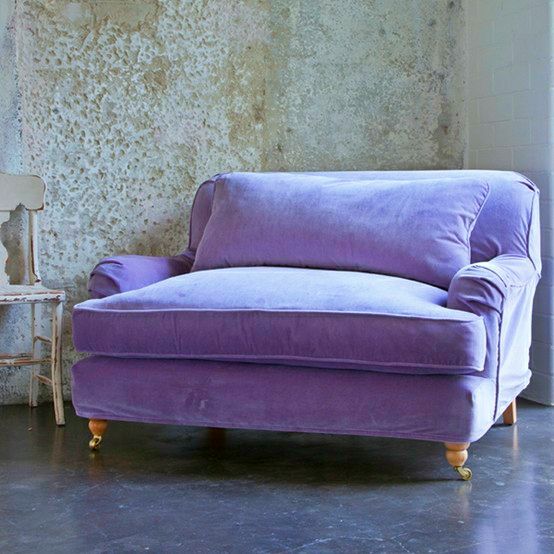
When you compare the remaining designs, keep a short list nearby:
- Primary use: reading, talking, guest, bedroom, or accent-only
- Footprint and walking clearance measured in the actual room
- Seat height and depth checked against the people who will sit most
- Fabric matched to pets, kids, sun, and cleaning habits
- Visual weight balanced against sofa, rug, and curtains
- One accent strategy: bold shape or bold color, rarely both at full power
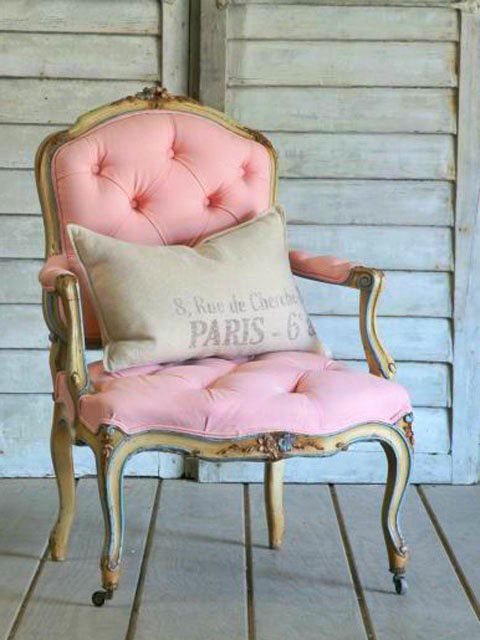
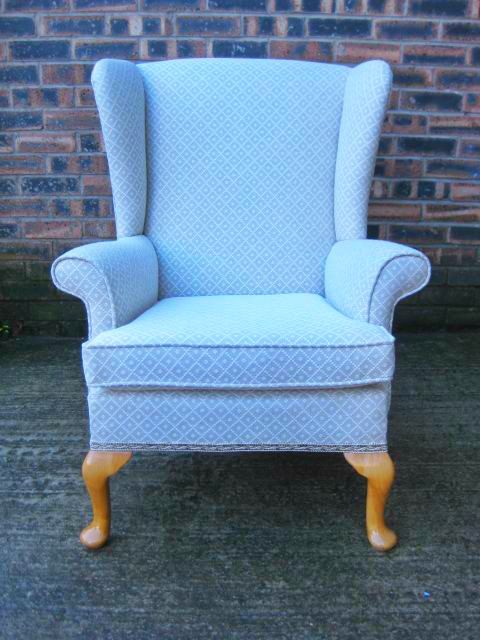
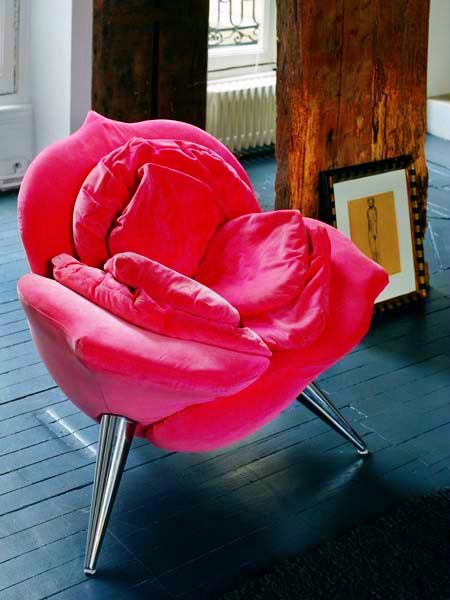
Pick the chair you would still choose after imagining a rainy Tuesday, a laptop, and a slightly tired body—not only the chair that wins a scroll. If it still looks right under that test, it is close enough to perfect for a real home.

Comments
Continue reading

Garden Decoration Beyond Beds: Lace, Mosaiculture, and Upcycled Yard Art
From dressed topiary and floral cyclists to license-plate dragonflies and lace between trees—garden decorations that give a yard a voice.
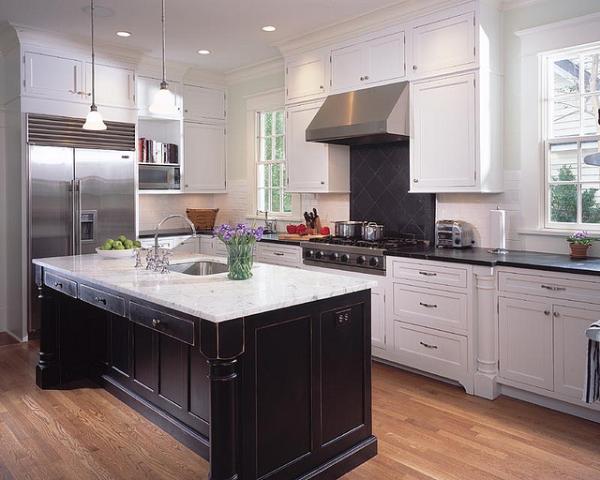
Kitchen Design Ideas: Layout, Storage, Light, and Finishes That Work
Practical kitchen design ideas—work zones, cabinetry, lighting, and durable finishes—so inspiration translates into rooms that cook and gather well.
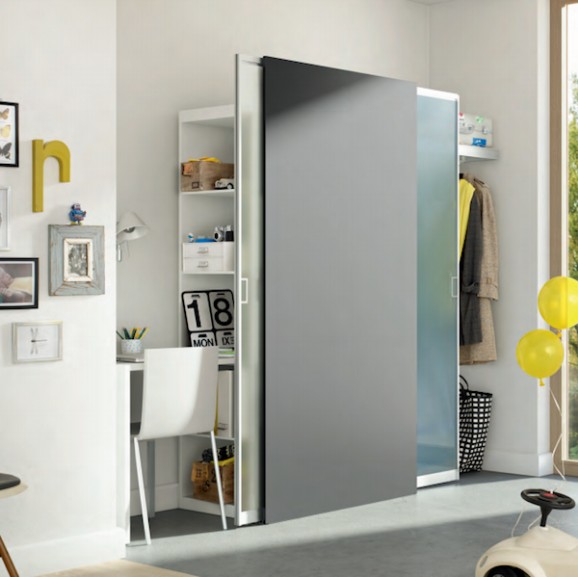
25 Cool Room Partition Ideas That Actually Divide Space
From frosted sliders and pallet screens to book towers and branch walls—twenty-five ways to carve rooms without building solid walls.