
When Do Mosquitoes Go Away?
A seasonal guide to when mosquito activity usually fades—by climate, frost, and yard conditions—plus simple habits for the shoulder weeks.
Mosquitoes do not vanish on a calendar date. They ease off when nights turn cool, water sources freeze or dry, and their life cycle slows. If you are wondering when the buzzing and bites will finally quiet down, the honest answer depends on where you live, how warm the season stays, and what kind of standing water sits near your home.
This is a seasonal awareness guide—not a medical diagnosis guide and not a sales pitch for pest products. Knowing the pattern helps you plan evenings outdoors, travel, and simple yard habits without treating every warm week like a crisis.
Why mosquitoes seem to “go away”
Adult mosquitoes are cold-blooded insects. As temperatures drop, many species become less active, stop breeding as readily, and eventually die off for the season in temperate climates. Eggs, larvae, or resting adults of some species can overwinter in protected places and restart the population when spring warms up again.
What people notice as “mosquito season ending” is usually a combination of:
- Consistently cooler nights
- Fewer warm, still evenings
- Less accessible standing water for larvae
- Shorter days and seasonal shifts in outdoor human activity
A single cold snap may quiet them for a few days; a lasting cool-down changes the whole neighborhood’s soundtrack.
A rough seasonal map (temperate regions)
In much of the mainland United States and similar temperate zones, mosquito pressure typically rises in late spring, peaks in warm summer months, and declines in fall. Exact timing varies by latitude and elevation.
Late spring: Populations rebuild as temperatures climb and rain creates breeding sites. Early evenings start to feel bitey again.
Summer: Warm nights and humid stretches keep many species active, especially near wetlands, poorly drained yards, and containers that hold water.
Early to mid-fall: As overnight lows settle into the 50s°F (around 10°C) and below more often, activity usually drops. Many people notice fewer bites on the porch even before the first frost.
First hard frost and sustained cold: For many common backyard species in colder states, this is the practical end of outdoor mosquito season. Mild coastal climates and southern regions can see activity linger much longer—sometimes through winter on warm days.
Treat these as patterns, not promises. A warm October can feel like August again for a week.
Climate and microclimate matter more than the month
Two houses in the same town can have different mosquito timelines. A yard with shaded gutters, birdbaths, clogged drains, or a nearby marsh will stay active longer than a dry, well-drained lot. Urban heat islands keep nights warmer. After heavy rain, temporary pools reboot breeding even late in the season.
Travel changes the question entirely. Tropical and subtropical destinations may have year-round mosquito presence with wet-season peaks. Mountain towns may enjoy short seasons. Always check local conditions for the place you will actually be—not the average for your home state.
Common species, different habits
Not every mosquito behaves the same way. Some prefer dusk; others bite during the day in shade. Some breed in clean containers; others favor stagnant ponds. A few species can overwinter as adults in sheds and basements and appear on an oddly warm winter afternoon.
You do not need to identify every insect in your yard to notice the seasonal curve. If bites cluster at dusk near water, you are likely dealing with classic warm-season patterns. If activity continues deep into a mild winter, your local climate simply does not shut the season down the way inland northern areas do.
Practical habits while season winds down
As evenings cool, you can usually reclaim the patio earlier—but a few habits still help during the shoulder weeks:
- Empty saucers, toys, buckets, and tarps after rain
- Refresh birdbaths often or use designs that discourage stagnant water
- Keep gutters clear so water does not pool
- Repair window screens before you start leaving windows open on mild nights
- Wear longer sleeves at dusk if you are still getting bites
Community-level water management (storm drains, public ponds) shapes neighborhood pressure more than any single household ritual. Focusing on what you control—containers and screens—is usually enough for day-to-day comfort.
What “gone for the year” usually feels like
Most people mark the end of mosquito season by experience, not entomology: you can sit outside after sunset without constant swatting; morning dew no longer comes with a cloud of insects near the shrubs; kids’ evening sports need fewer bug sprays. That lived signal often arrives before the official first frost on the calendar.
Conversely, a warm spell after a quiet stretch can bring a brief encore. That does not mean summer restarted for good—it means a few adults were still around or newly emerged from leftover water. Empty the containers again and wait for the cool pattern to reassert itself.
When to think beyond annoyance
Mosquitoes are mainly a comfort issue for many households. In some regions, public health agencies also track mosquito-borne illnesses and issue seasonal guidance. If your local health department posts advisories, treat those as the authoritative source for your area. Personal symptoms after a bite that worry you belong in a conversation with a clinician—not in a guess from a lifestyle article.
Repellents, clothing, and screens are standard comfort tools when insects are active. Product choices are personal; the seasonal question (“when do they ease off?”) is separate from shopping for treatments.
Planning around the fade-out
If you schedule outdoor dinners, camping, or backyard events, late spring through early fall is the higher-awareness window in temperate places. Shoulder seasons—cool spring and cooling fall—are often the sweet spot: pleasant air, fewer insects. Deep winter outdoor plans in cold climates rarely need mosquito planning at all, aside from the rare thaw.
Gardeners sometimes notice that cleaning up water-holding debris in fall does double duty: fewer late-season bites now, and fewer early breeding sites next spring. That is ordinary yard care, not a special ritual.
So when do mosquitoes go away? In cold-winter regions, they largely fade once nights stay cool and breeding water disappears or freezes—often from mid-fall through the first hard freezes. In mild and tropical climates, they may only quiet during drier or cooler stretches, then return. Watch your overnight temperatures and your own yard’s water, and you will feel the season turn more accurately than any single national date can tell you.

Comments
Continue reading
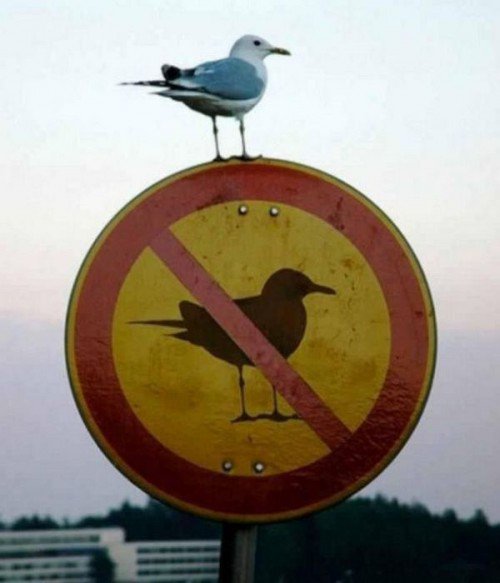
Funny Animal Signs That Warn People (While Animals Ignore Them)
From a seagull on a no-birds disc to classic zoo and park ironies—why animal warning signs get funny, and what the rules are still for.

How to Find Local Amenities on Vacation: Mechanics, Haircuts & More
Locate trustworthy local services and everyday spots while traveling or settling in—using publications, reviews, map apps, neighbor tips, and low-pressure exploration.

Kristen Stewart for V Magazine, Spring Preview 2013
V81’s Wild at Heart cover story—Kristen Stewart shot by Inez & Vinoodh, styled by Joe McKenna, in pale minimal spring glamour.