
Virgin Gorda Travel Guide
Plan a British Virgin Islands trip around The Baths, Devil’s Bay, Gorda Peak, Copper Mine, and Spanish Town—with practical tips on timing, gear, and getting around.
Virgin Gorda sits in the British Virgin Islands as a quieter, more open island than many Caribbean stopovers. Its reputation rests on granite boulder beaches, clear water, and protected parks rather than a dense resort strip. If you are planning a first visit, think in terms of beaches, short hikes, and simple logistics—ferries, taxis or a rental car, and early starts at the busiest sites.
This guide covers the island’s main places to go, how to move around them, and practical notes drawn from the landscape itself. Accommodation choices range from villas and inns to yacht-accessible stays; check current rates directly with properties or booking platforms rather than relying on outdated price lists.
Getting oriented
Most visitors arrive by ferry or water taxi from Tortola, or via connections through St. Thomas. Spanish Town (also called the Valley) is the practical hub: yacht harbour, shops, and easy taxi access south to The Baths. The island’s spine rises inland toward Gorda Peak; the North Sound and quieter northern beaches feel more remote and often involve longer transfers or boat access depending on where you stay.
English is the everyday language, and the US dollar is widely used. Distances are short on a map, but winding roads and heat make timing matter. Build buffer time between ferry arrivals and park visits, especially if you want The Baths before midday crowds.
The Baths, Devil’s Bay, and nearby shores
The Baths National Park is Virgin Gorda’s signature landscape: massive granite boulders, shaded grottoes, tide pools, and a beach that photographs like nowhere else in the BVI. The formations are ancient volcanic geology, not a recent rockfall. Expect scrambling, wet stone, and narrow passages; water shoes or grippy sneakers beat flip-flops.
A trail links The Baths area with Devil’s Bay, a more secluded coral-sand beach reached on foot through coastal scrub and boulder corridors. Spring Bay sits nearby with white sand and good snorkeling conditions when the water is calm. Trunk Bay, often reached by boat, offers a wider sandy stretch with a quieter feel. Savannah Bay, north of the yacht harbour area, curves with bright water and a more open beach profile.
Visit The Baths early morning or later afternoon when possible. Cruise and day-trip traffic peaks mid-morning to early afternoon. National park rules and modest entry fees apply—confirm current hours and charges on arrival. Facilities near the main access typically include changing areas and basic services; still pack water, reef-conscious sunscreen, and a dry bag for phones.
Gorda Peak National Park
Gorda Peak is the island’s high point, with trails through protected vegetation and a summit viewpoint over the Virgin Islands archipelago. Drive toward trail access north of the Valley; signs mark the park entrance. Hikes are generally in the half-hour to hour range depending on which trailhead you use and how often you stop. An observation tower at the top improves the panorama on clear days.
Bring water, wear closed shoes, and expect humidity even under canopy. Picnic tables appear along some routes—useful if you want a simple lunch without rushing back to town. The reward is orientation: once you see how the coves and offshore islets arrange themselves, the rest of the island’s geography makes more sense.
Copper Mine and Little Fort
Copper Mine National Park preserves ruins of a nineteenth-century copper works on the southeastern coast, linked to Cornish mining expertise of that era. The site is atmospheric rather than interpretive-heavy: stone ruins, Atlantic wind, and a rugged shoreline different from the calm Caribbean-facing beaches. It pairs well with a Baths morning if you want contrast—swimming first, industrial history and cliffs later.
Little Fort National Park covers a former Spanish fort site with rocky terrain and vegetation. Trails here are more challenging than a flat beach walk; treat it as a short hike with uneven footing rather than a casual stroll in sandals.
Spanish Town and local stops
Spanish Town is the island’s everyday center—second-largest town in the BVI by some measures, and the place you will likely shop for basics, arrange taxis, or catch harbour energy. A Fisherman’s Jamboree-style festival has traditionally celebrated the island’s fishing culture in March; confirm dates if you are timing a trip around events.
Small galleries and boutiques near the yacht harbour and main strip sell jewelry, local crafts, and maritime finds. Hours and stock change with season and yacht traffic, so treat shopping as a browse rather than a fixed itinerary.
Beaches beyond the famous rocks
If The Baths feel crowded, shift to Spring Bay, Savannah Bay, or boat-access beaches when conditions allow. Snorkeling is a major draw around the boulder coast and protected bays—look for calm water and respect marine park norms. Always check local advice after rough weather; visibility and surge change quickly.
North Sound offers a different mood: sheltered water, yacht culture, and resorts or villas that may be reached primarily by boat. Plan transfers in advance if your lodging is not road-accessible from Spanish Town.
Food and evenings
Dining on Virgin Gorda runs from casual cafés to more polished Caribbean rooms. Names that travelers often encounter include spots serving roti and conch fritters, barbecue overlooks with views, Caribbean plates, and Italian-Caribbean hybrids near the rock-and-harbour landscape. Bath & Turtle at the Yacht Harbour is a long-standing pub-style gathering place with live music on some evenings—schedules shift, so ask locally.
Reservations help in high season. Menus lean on seafood and island staples; expect tourist pricing in harbour zones. Drink water steadily through beach days—shade is limited on open sand.
Practical planning notes
- Season: Winter into spring is the classic dry, busy window; summer and autumn bring more humidity and a higher chance of tropical weather systems—monitor forecasts closely.
- Transport: Taxis are straightforward for The Baths and Copper Mine day segments; rental cars help if you want beach-hopping freedom. Drive defensively on hills and blind curves.
- Gear: Water shoes for boulder trails, snorkel mask if you prefer your own, hat, and cash for small fees and tips.
- Pacing: One full day can cover The Baths plus Copper Mine; add Gorda Peak and a second beach if you have two or three days.
- Lodging: Beachfront villas, inns, and yacht-oriented stays all exist—compare locations (Valley vs North Sound) before you book, and verify ferry or water-taxi connections for your exact address.
A simple sample day
Morning ferry or early start from your lodging. Taxi to The Baths; swim and walk through to Devil’s Bay before the heaviest crowds. Lunch near Spanish Town or a packed picnic. Afternoon at Copper Mine for cliffs and ruins, or Gorda Peak if you want elevation and views. Evening harbour-side for a casual meal and an early night if tomorrow means more water.
Virgin Gorda rewards unhurried plans. The island’s best hours are often the ones spent between boulders and calm water—not racing a checklist. Leave room for a second swim when the light softens and the paths empty out.

Comments
Continue reading
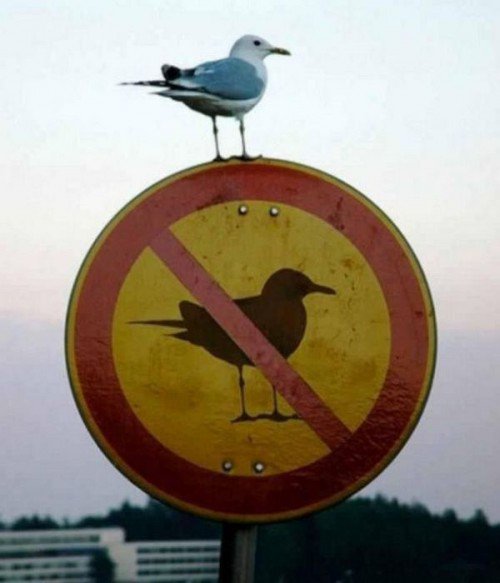
Funny Animal Signs That Warn People (While Animals Ignore Them)
From a seagull on a no-birds disc to classic zoo and park ironies—why animal warning signs get funny, and what the rules are still for.

How to Find Local Amenities on Vacation: Mechanics, Haircuts & More
Locate trustworthy local services and everyday spots while traveling or settling in—using publications, reviews, map apps, neighbor tips, and low-pressure exploration.

Kristen Stewart for V Magazine, Spring Preview 2013
V81’s Wild at Heart cover story—Kristen Stewart shot by Inez & Vinoodh, styled by Joe McKenna, in pale minimal spring glamour.