
Vintage Animal Photography: Pets, Props, and Early Camera Patience
From formal studio pets to comic postcards and early wildlife plates—how older photographs made animals central subjects, not background noise.
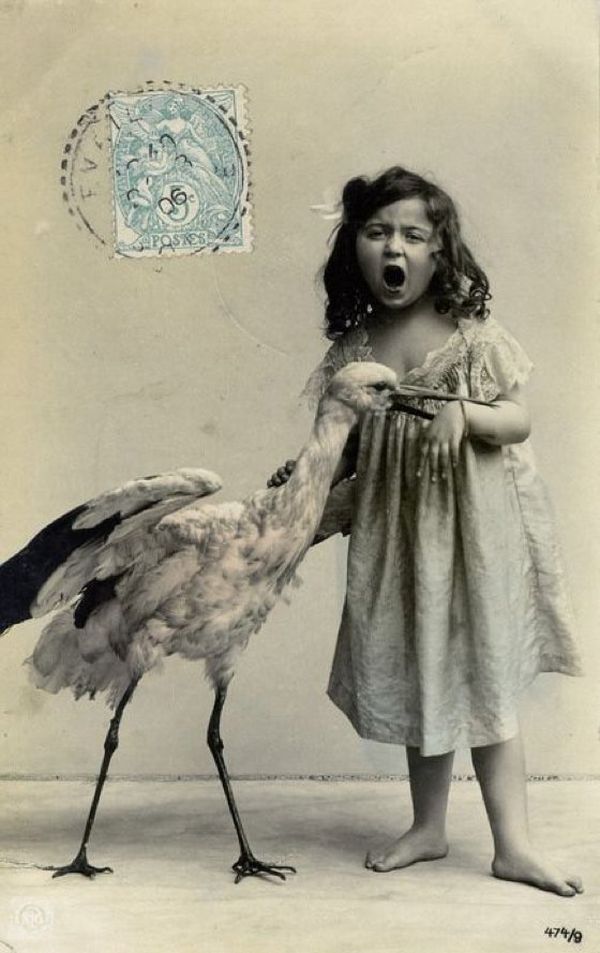
Long before pet influencers and ultra-sharp wildlife lenses, photographers posed animals with the same seriousness—and the same humor—they brought to human portraits. Vintage animal photography sits at a strange, charming intersection of studio craft, scientific curiosity, and domestic affection. Dogs wear hats. Cats occupy chairs like tiny landlords. Horses stand as regal as any sitter in a painted portrait. The images feel odd to modern eyes precisely because they treat animals as collaborators in a formal visual culture, not as background props.
This gallery gathers that mood: early and mid-century photographs where creatures are staged, costumed, or simply held still long enough for slow emulsions to record them. Looking closely teaches more than nostalgia. It shows how photography learned to handle motion, how families wanted animals inside the album, and how popular print culture loved a good animal gag worth mailing as a postcard.
Why early cameras loved—and struggled with—animals
Nineteenth- and early twentieth-century cameras demanded patience. Long exposures punished anything that twitched. That technical limit shaped the pictures. Calm dogs, sleeping cats, taxidermy used in scientific sets, and animals braced by invisible hands appear again and again. When shutter speeds improved, photographers gained mischief: mid-leap dogs, birds mid-wing, children mid-chase with puppies. The vintage look we admire today is partly chemistry and partly choreography—the negotiation between a living subject and a machine that once hated motion.
Studios borrowed portrait conventions wholesale. Painted backdrops, carved chairs, classical columns, and dramatic side light turned a terrier into a gentleman and a rabbit into a still-life. Retouching softened fur the way it softened human skin. Cabinet cards and cartes de visite of pets circulated among families who could not yet shoot casually at home. Owning an animal portrait signaled care and status as clearly as a framed wedding picture. The animal was not an accident in the corner of a group shot; it was booked as the sitter.
Pets in the family album
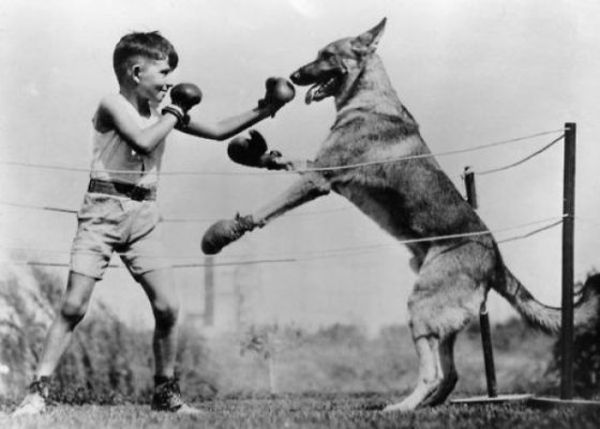
Domestic animal photography grew with middle-class pet keeping. Dogs especially became members of the visual family—seated beside children, perched on laps, or centered alone as if the household’s fourth personality. Cats arrived more slowly into formal portraits, partly because they refuse direction, yet the surviving images are among the most expressive: half-lidded stares, dramatic side profiles, a paw on a book as if interrupted mid-read.
These pictures are social documents. Collars, ribbons, and miniature coats show fashion extending to animals. Rural families photographed working dogs with less costume and more pride in usefulness—herding posture, muddy paws left honest. Urban studios preferred the cute and the comic, sometimes renting props the way they rented painted balustrades. Either way, the animal’s presence in the frame says the household wanted that relationship remembered on paper that would outlast the pet’s life.
Compare a child’s birthday portrait with a dog portrait from the same decade and you often see identical lighting diagrams: key light high and soft, catchlights aimed for liveliness, background held quiet so the face—human or muzzle—carries the story. Photographers who excelled with children often excelled with animals for the same reason: they waited.
Costume, comedy, and the anthropomorphic joke
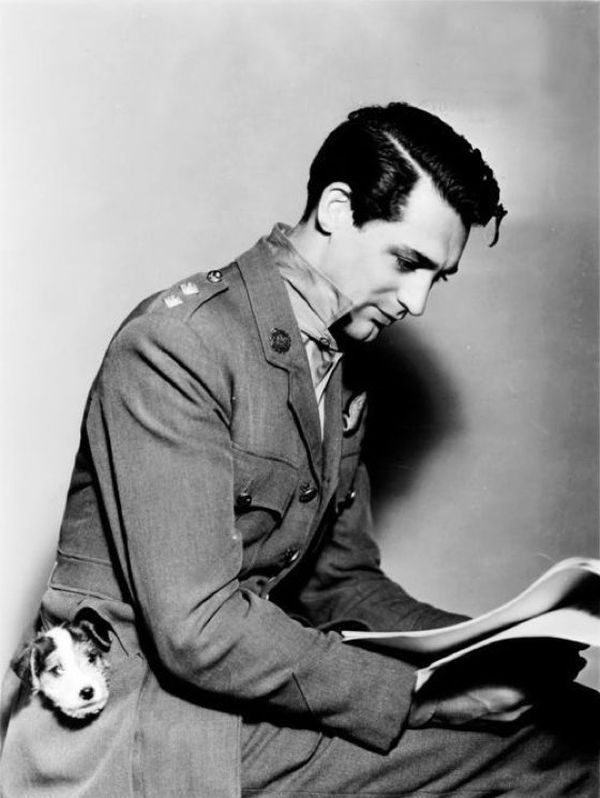
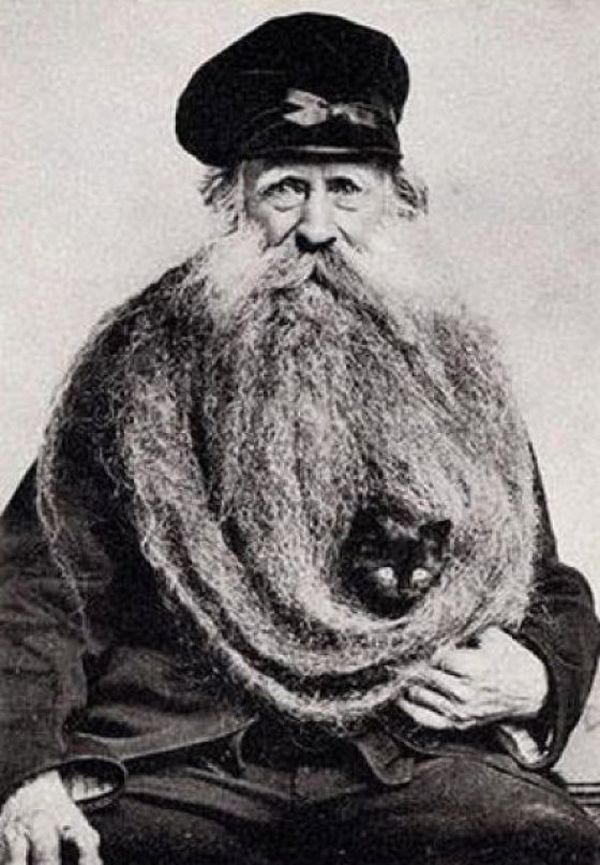
A large strain of vintage animal photography is deliberately funny. Tiny spectacles, hats, pipes, and human furniture create anthropomorphic scenes that sold well as postcards and magazine fillers. Modern viewers sometimes flinch at the silliness; period audiences often loved it. The joke worked because the animal remained unmistakably an animal—ears wrong for the hat, posture wrong for the chair, dignity intact despite the prop.
Not every costume image is cruel theater. Many were quick studio novelties made with cooperative dogs and patient cats during an era when entertainment photography and portrait photography shared the same storefront. Others crossed into spectacle for side shows or promotional cards. Reading them today means holding two thoughts at once: appreciation for photographic inventiveness, and awareness that animal comfort standards have changed. The best comic plates still succeed because timing and composition are sharp, not because the gag is endless.
Look for the tell of a good comic plate: the animal’s eyes are alive, the set is simple, and the humor lands in one glance. Overworked scenes with too many props usually age worse than a single well-chosen hat.
Wildlife, farms, and the documentary eye
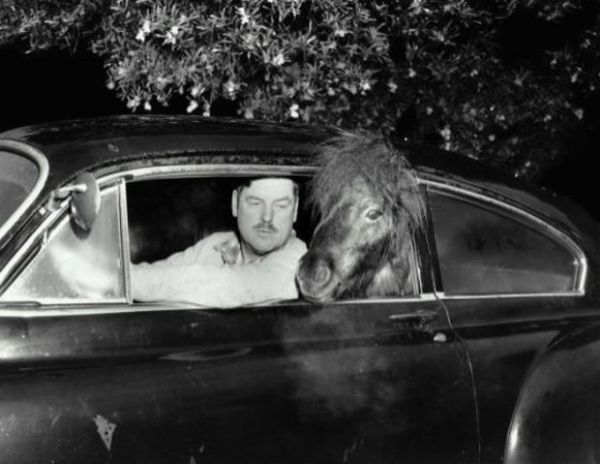
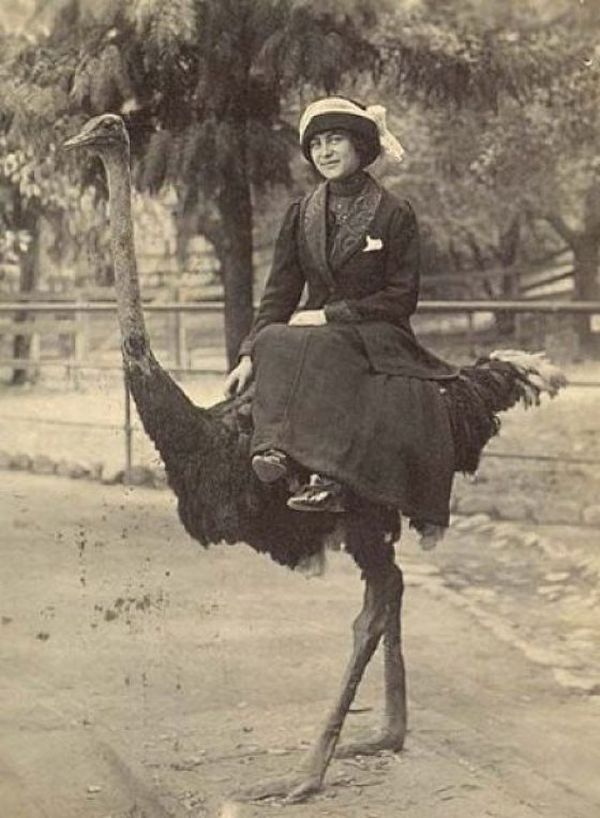
Outside the studio, vintage animal photography includes farm surveys, zoo pictures, hunting-camp trophies, and early nature studies. Soft focus and limited telephoto options made true wildlife work difficult; many “wild” images were animals in reserves, menageries, or rural yards. Still, they taught viewers distant species and preserved breeds that later changed or vanished. A soft-edged zebra in a zoo enclosure may look quaint now, but for a 1910 reader it could be the first zebra they had ever seen.
Scientific and educational presses used animal plates heavily. Clear profile shots, skeletal comparisons, and habitat dioramas with real or mounted creatures filled encyclopedias and classroom charts. Those images feel colder than pet portraits, but they share the same era’s faith that photography could catalog the living world more reliably than memory or engraving alone. The documentary eye and the sentimental eye were not enemies; they often lived in the same photographer’s week—Monday a farm survey, Saturday a studio spaniel.
What to notice when you look
Hand-tinting often warms ears, ribbons, and backgrounds; slight color shifts are part of the object’s history, not a flaw to “correct” into modern neutrality. Soft edges can mean shallow lenses or a moving subject, not poor taste. Props tell class stories: wicker chairs and oriental rugs for parlor pets, bare barn boards for working animals. Compare the animal’s eye line to a human portrait—many photographers used the same height and catchlight habits, which is why these pictures feel oddly intimate.
If you collect prints or scan family negatives, handle them as photographs first: note process (albumen, silver gelatin, postcard stock), date clues in clothing and furniture, and any studio imprint on the mount. Resist the urge to over-sharpen digital copies; grain and softness are part of how animals were seen then. A heavy sharpening pass can make fur look metallic and erase the very atmosphere that makes the plate worth keeping.
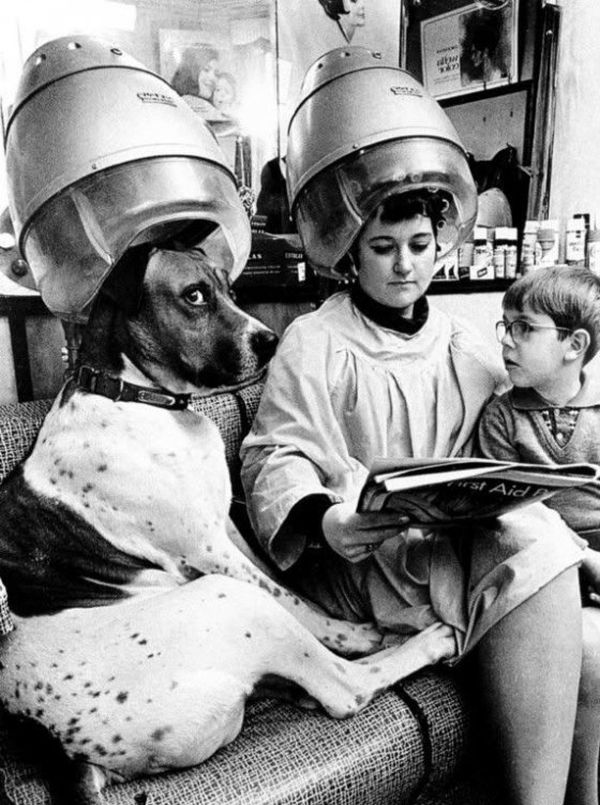
When an image includes both child and animal, study who was prioritized. Sometimes the dog is tack-sharp and the child slightly soft—evidence of where the photographer’s focus landed after a long wait. Those “mistakes” are historical information.
From postcard racks to the feed in your pocket
Contemporary pet photography inherits poses, prop humor, and the idea that an animal deserves a dedicated sitting. Wildlife photography inherits the hunger to bring distant creatures close. Phone cameras removed the old patience tax, yet the most shared animal photos still use vintage tricks: eye-level camera height, clean backgrounds, a single prop joke, and the courage to let an animal occupy the full frame.
Vintage plates remind us that both impulses—sentiment and spectacle—are old. They also remind us that technical limits once forced a slower, more ceremonial relationship between photographer and animal—a stillness modern burst modes rarely require. Looking at these pictures is not only charming; it is a short course in attention.
Scroll the frames for delight, then stay for craft: light on fur, patience in posing, and the stubborn decision to put a non-human subject at the center of a formal picture. That decision is why these strange, tender, occasionally ridiculous images refuse to age out of interest—and why a well-made animal portrait still stops a thumb mid-scroll the same way a cabinet card once stopped a parlor guest.

Comments
Continue reading
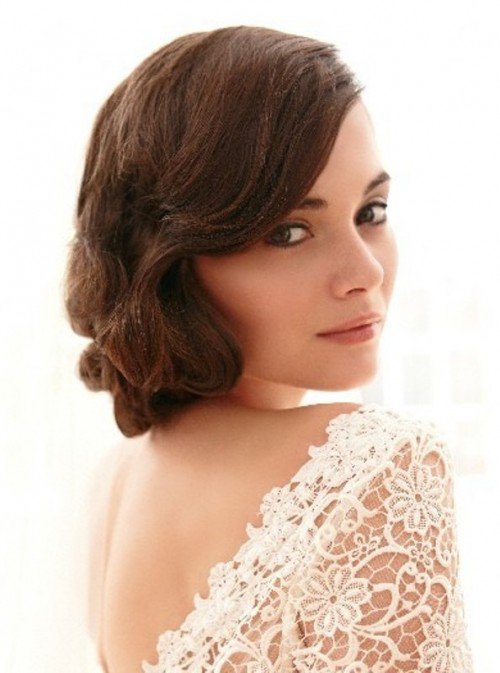
15 Vintage Wedding Hairstyles: Finger Waves, Bouffants, and Birdcage Veils
Fifteen vintage bridal hair looks—from 1920s finger-wave faux bobs to 1960s bouffants, victory rolls, and Hollywood waves with birdcage veils.
Vintage Hairstyles by Decade—Waves, Rolls, Flips, and Wearable Volume
A practical tour of 1920s waves through seventies feathers: silhouettes, tools, and how to wear period hair without a full costume.
Anna Campbell’s 2013 Gossamer Made-to-Measure Bridal Collection
A historical look at Anna Campbell’s 2013 Gossamer made-to-measure wedding gowns—French-romance fit, crystal shoulders, bone color, and the Australian atelier moment.