
Engagement & Wedding Rings: Choosing a Sparkling Pair
A practical guide to engagement and wedding rings—metal, stone, settings, stacking the pair, budget, and care so sparkle survives everyday wear.
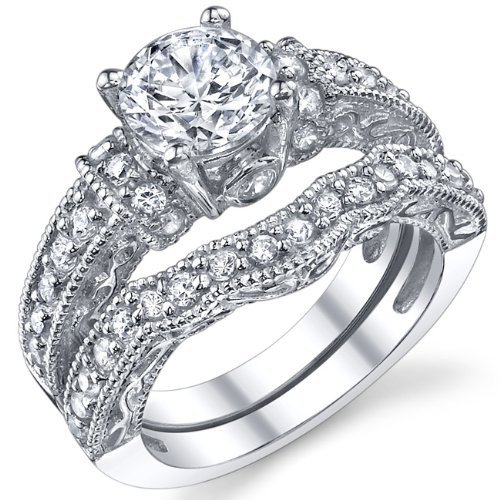
Engagement and wedding rings are small objects asked to carry a large story. They mark a promise, survive daily wear, and sit in the same visual field as every handshake, keyboard, and dinner plate for years. A sparkling collection is less about collecting sparkle for its own sake and more about choosing metal, stone, setting, and silhouette that still feel honest after the proposal photos are filed away.
This guide walks through how to look at rings as a set—engagement piece and wedding band together—so the pair reads as one composition rather than two unrelated purchases. Use it whether you are buying a classic solitaire, a vintage-inspired halo, or a quieter band-first look.
Start with how the hand will live
Before stone shape or carat talk, notice the life the ring will inhabit. Someone who gardens, climbs, or works with tools needs a lower profile and a secure setting. Someone who wears gloves daily needs comfort fit and smooth edges. Someone who already loves a chunky watch may want a slimmer engagement profile so the wrist and hand do not compete.
Try rings on at different times of day. Fingers swell with heat, travel, and salt. A snug evening fit can become painful by afternoon in summer. Jewelers can resize many bands later, but extreme upsizing and downsizing stress certain settings—especially channel and eternity styles—so aim close the first time.
Photograph your hand in daylight with candidate rings. Phone photos reveal proportions that store mirrors flatter. If a stone looks elegant in the tray and oversized on your knuckle, trust the knuckle.
Metal choices that age with you
Yellow gold reads warm and traditional; rose gold softens toward romantic; white gold and platinum cool the look and play well with colorless diamonds. Platinum is denser and often preferred for high-wear engagement settings; white gold may need rhodium refresh over years to keep its bright tone. Mixed-metal stacks are fashionable when intentional—one warm band beside a cool engagement ring can look designed rather than accidental if both finishes are quality.
Allergies matter. Nickel sensitivity pushes many buyers toward platinum or carefully alloyed gold. Ask what is in the mix. A beautiful ring that itches is not a beautiful daily companion.
Finish is part of character. High polish photographs brilliantly and shows every scratch; brushed or satin finishes hide micro-wear and suit informal wardrobes. Some couples choose polish for the engagement ring and a softer finish for the wedding band so the set has texture without looking mismatched.
Stone shape, setting, and the sparkle you actually want
Round brilliant cuts maximize traditional fire. Oval, cushion, emerald, pear, and marquise shapes change finger length illusion and how light returns to the eye. Emerald cuts emphasize clarity; brilliant cuts forgive minor inclusions more readily in white stones. Colored gems—sapphire, ruby, emerald, morganite—shift the emotional temperature of the set and can honor heritage or a favorite hue.
Settings control both security and silhouette:
- Prong settings lift the stone into light and are easier to clean; higher prongs catch on knits.
- Bezel settings wrap the girdle for active lifestyles and a modern outline.
- Halo settings enlarge visual presence with smaller surrounding stones; they need careful cleaning between melee.
- Cathedral and tension-style looks change how the head sits above the band—try them seated at a desk to feel clearance.
Lab-grown and mined diamonds can be optically similar at the same quality grades; what differs is origin story, budget, and personal ethics. Treat certificate details—cut, color, clarity, carat—as a shared language with the jeweler, not as a scoreboard. A well-cut smaller stone often out-sparkles a poorly cut larger one under restaurant light.
Designing engagement ring and wedding band as a pair
The wedding band should negotiate the engagement ring’s head, not fight it. Contoured or curved bands nest under raised settings. Straight bands sit cleanly against low-profile or bezel designs. Eternity bands look continuous but can be harder to resize; half-eternity styles offer sparkle with more flexibility.
If both partners wear bands, decide whether matching is symbolic or optional. Same metal family usually photographs as a set even when widths differ. Width itself is a comfort decision: very wide bands feel warmer on the finger and may need a slightly larger size.
Stacking culture—engagement ring plus wedding band plus an anniversary or heirloom band—works when heights and metals are planned. Try the full stack before engraving dates into anything permanent. Leave a little visual air between busy pavé surfaces so the hand does not become a single glittering block.
Budget without apologizing
A ring budget is a household decision, not a public contest. Allocate for the metal and setting quality that protect the stone, then for the stone that satisfies your eye, then for future maintenance—prongs, polishing, insurance. Vintage and estate pieces can deliver character and value if a trusted jeweler inspects integrity. Custom design makes sense when you have a clear sketch and a maker whose previous work matches the finish level you want.
Payment plans and “forever” marketing language are sales tools. Your criteria should be fit, craft, and whether you still like the ring when the store music stops. Bring a size reference if shopping as a surprise; borrow a well-fitting ring from the same finger or use a discreet sizer, and confirm return or exchange policy before the proposal timeline locks you in.
Care, insurance, and the long middle of the marriage
Clean gently: warm water, mild soap, soft brush; avoid harsh household chemicals and remove rings for heavy gym sessions when possible. Have prongs checked on a schedule your jeweler recommends—often annually for active wearers. Store chains and rings separately so harder stones do not abrade softer metals or gemstones.
Photograph the set for insurance, keep certificates, and know your policy’s deductible. Engraving inside the band can hold initials or a date; keep text short so comfort is preserved.
Styles trend. What lasts is proportion on your hand and the habit of noticing the ring during ordinary days—not only on anniversaries. If tastes change, bands can be remade, stones reset, and heirlooms reinterpreted. The collection on this page is a reminder that sparkle is a spectrum: quiet metal, bright stone, vintage filigree, or modern geometry can all belong to the same promise if the wearer recognizes themselves in the reflection.
When you finally choose, wear the pair through a full ordinary week before you declare the search over. Make coffee, type, wash hands, pull a sweater. If the set still feels like your hand—not like a costume for a single photograph—you have found the sparkle that matters.

Comments
Continue reading

Beach Engagement Photo Session Ideas: Wardrobe, Poses, and Light
Plan a shoreline engagement shoot—location choice, what to wear, natural poses, props, weather, and a simple run-of-show.
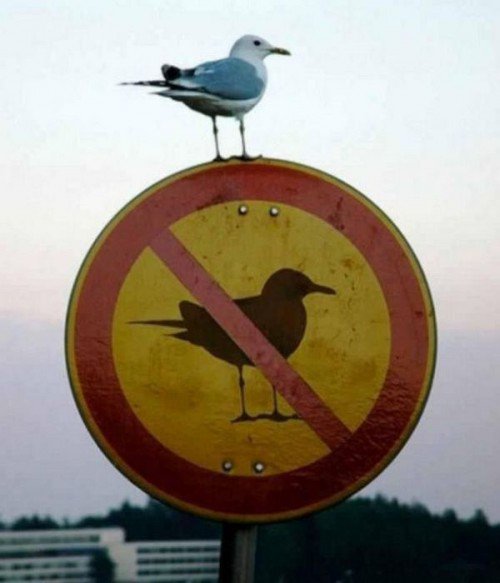
Funny Animal Signs That Warn People (While Animals Ignore Them)
From a seagull on a no-birds disc to classic zoo and park ironies—why animal warning signs get funny, and what the rules are still for.
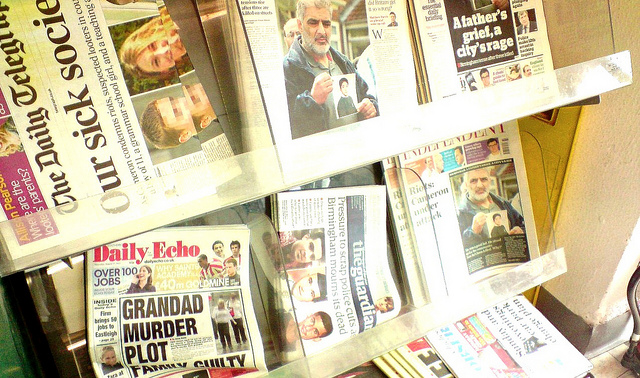
How to Find Local Amenities on Vacation: Mechanics, Haircuts & More
Locate trustworthy local services and everyday spots while traveling or settling in—using publications, reviews, map apps, neighbor tips, and low-pressure exploration.