
Vanessa Hudgens for Untitled Magazine’s Cinema Issue, 2012
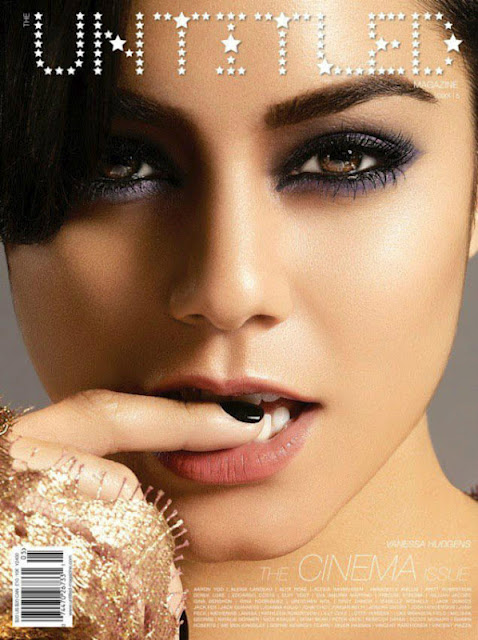
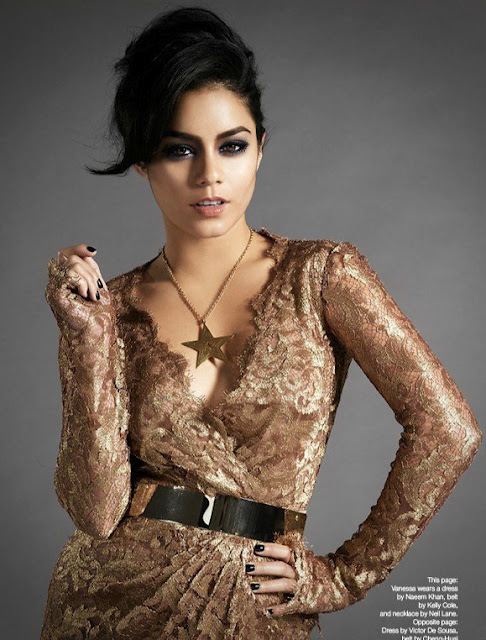
Actress Vanessa Hudgens on the cover of The Untitled Magazine’s Cinema Issue—Indira Cesarine’s Milk Studios fashion editorial marking a post–High School Musical chapter.
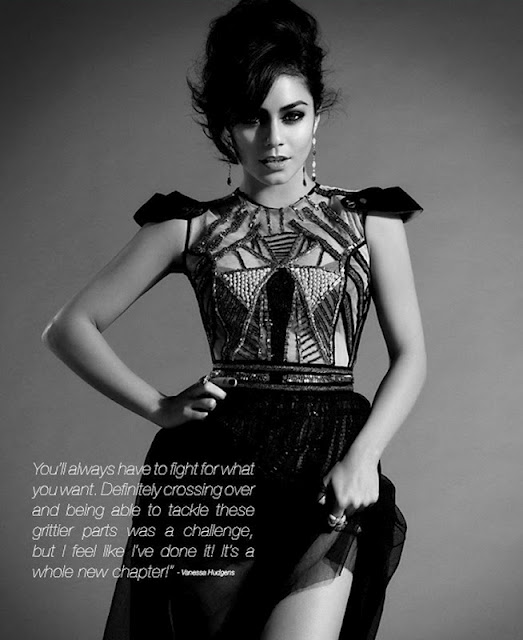
In September 2012, Vanessa Hudgens landed the cover of The Untitled Magazine’s Cinema Issue—a glossy, 240-page print edition dedicated to actors in motion. The shoot was not a red-carpet recap or a teen-magazine Q&A. It was a fashion editorial staged like a film still: careful light, deliberate wardrobe, and a cover subject mid-career pivot. Hudgens, then best known to a global audience as Gabriella Montez from Disney’s High School Musical, was using magazine work to announce a sharper, more adult on-screen identity.
The photographs were made on August 1, 2012, at Milk Studios in Los Angeles. Editor-in-chief Indira Cesarine directed and shot the session herself. Fashion editor Brendan Cannon styled the looks; Stephen Dimmick handled makeup; Patricia Morales did hair. That credit list matters because it places the story inside indie fashion media rather than mass celebrity weeklies. Untitled was building a cinema-themed portfolio across Los Angeles, London, and New York—Hudgens as cover star, with additional interviews and portraits of working actors throughout the issue.
What the images communicate is control. Hudgens appears composed rather than cute, sculptural rather than sunny. Necklines, jewelry, and silhouette choices push away from the pastel teen-star wardrobe that had defined her public image for years. The makeup leans graphic; the hair reads intentional rather than casually tousled. In other words, the editorial treats her as a fashion subject with range, not as a franchise mascot on loan.
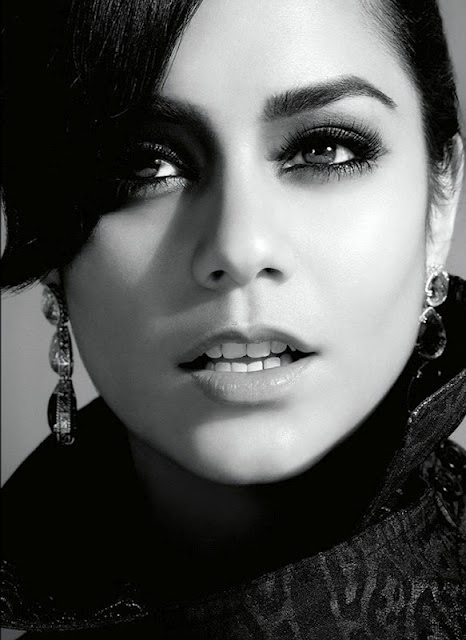
Why this cover mattered in 2012
By 2012, Hudgens had already released two studio albums with Hollywood Records and collected the usual awards-circuit attention that followed Disney Channel success. The harder question for any young performer in that position is the next chapter: how to be taken seriously without erasing the work that made you famous. Magazine covers are one of the oldest tools for that negotiation. They freeze a new persona long enough for audiences—and casting directors—to adjust.
The Cinema Issue framed Hudgens around a slate of denser film roles then arriving or imminent, including Harmony Korine’s Spring Breakers, plus projects such as The Frozen Ground and Gimme Shelter. The interview, conducted by Cesarine for the print edition, treated that transition as the story’s spine. Fashion here was not decoration; it was visual proof that the actress could carry a mood darker and more stylized than musical-theater brightness.
Industry timing amplified the cover. Late-summer studio days for a September newsstand drop are classic magazine math: photograph while projects are still discussed as “next,” publish when curiosity peaks. Readers who only knew Hudgens from sing-along premieres suddenly met portrait language closer to independent-film campaigns. That shock of contrast—Disney memory versus Cinema Issue gloss—was part of the editorial’s power.
Reading the editorial as fashion, not gossip
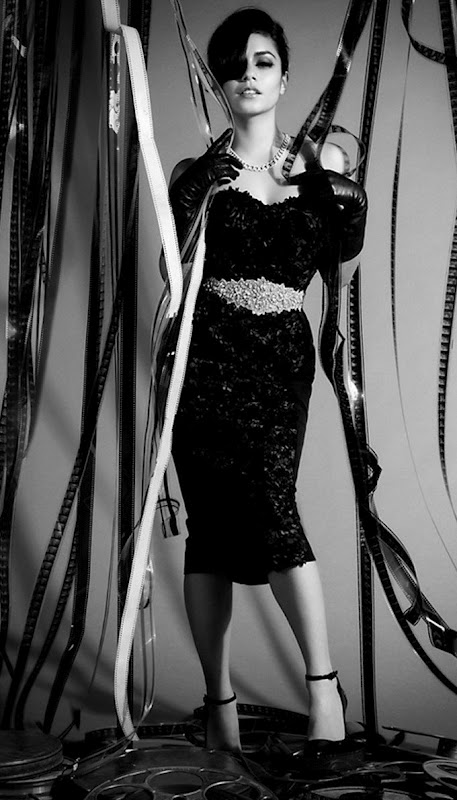
Celebrity coverage often collapses into relationship footnotes and award tallies. A stronger way to look at this set is as costume design for a public role. Cannon’s styling builds contrast: structured pieces against softer fabrics, statement accessories against clean makeup fields, poses that feel directed rather than candid. Cesarine’s medium-format approach favors texture and stillness—magazine pages that reward a slow look rather than a scroll-past thumbnail.
Notice how little the pictures rely on location tourism. There is no beach-house lifestyle spread, no “day in my closet” montage. The studio becomes a neutral stage. That choice keeps attention on face, posture, and clothes—the triad of classic cover storytelling. For a performer trying to reintroduce herself, a spare set can be more persuasive than an overbuilt concept.
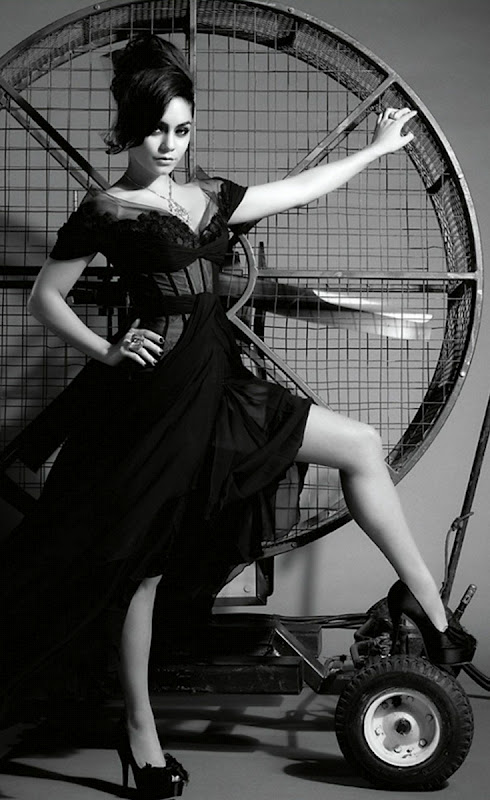
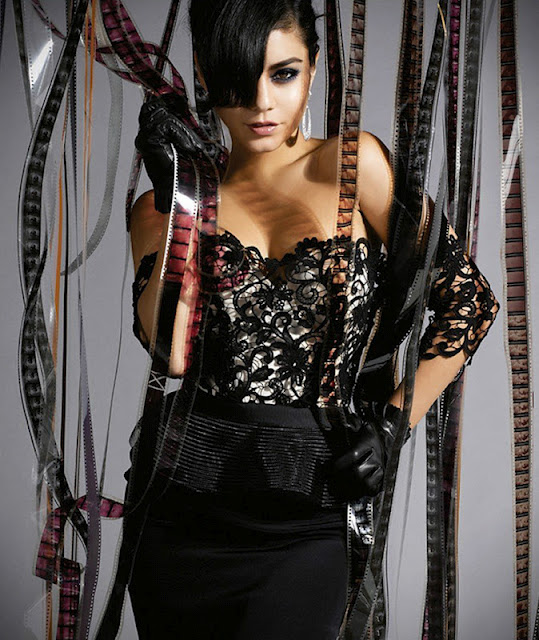
Wardrobe rhythm across the sequence also tells a story. Some frames favor sculptural necklines and hard jewelry; others soften the line without returning to teen pastel. Hair and makeup stay in conversation with those choices—graphic when the clothes are architectural, slightly warmer when the silhouette opens up. The through-line is intention. Nothing looks accidental, which is exactly the message a pivot cover needs to send.
The issue’s larger architecture reinforced the message. Alongside Hudgens, Untitled packed Ones to Watch profiles, additional actor interviews, and fashion editorials by photographers working across the industry. Hudgens was the face on the newsstand, but she was also one node in a wider argument: cinema culture and fashion media overlapping in the early 2010s print boom, when thick special issues still felt like events you could hold.
Where the High School Musical years fit
It would be dishonest to pretend Gabriella Montez never happened. That role made Hudgens a household name, taught her how to hold a camera’s attention, and left a permanent search association. The smarter editorial move is not denial; it is reframing. The 2012 cover does not mock the earlier work. It simply refuses to stay trapped inside it. Grown-up fashion vocabulary—stronger makeup graphics, more architectural hair, less “teen idol” softness—signals continuity of craft with a change of register.
Fans who grew up with the musicals often followed Hudgens into later projects precisely because magazine moments like this made the leap feel intentional. For fashion readers who never watched the Disney films, the pictures still function: a young actress photographed with conviction. Both audiences get something usable. That dual address is why cover stories remain useful even in a social-media age that prefers candid phone clips.
How to look at the set today
Seen more than a decade later, the Untitled Cinema Issue images read as a time capsule of early-2010s celebrity fashion: high-gloss skin, decisive styling, studio drama without heavy digital polish. They also document a familiar industry pattern—Disney-to-adult transitions negotiated through press and wardrobe as much as through scripts. Hudgens would continue to move across film, music-adjacent projects, and later producing work; this cover sits near the start of that longer arc.
If you are studying the pictures for fashion rather than nostalgia, try three simple questions. What silhouette repeats across frames? Where does the jewelry sit relative to the neckline? How much of the attitude comes from hair and makeup versus garment cut? Those answers usually reveal more than any caption about premieres or tabloid side plots.
Print magazines still mattered in 2012 as physical objects—a Cinema Issue thick enough to feel like a small book. Hudgens’s cover was designed for that object: large, clear, and bold enough to survive a crowded shelf. Looking at the photographs in sequence remains the best way to meet the story the team intended—actress as fashion subject, career chapter as visual design, and a September newsstand arguing that the next role had already begun.

Comments
Continue reading
Funny Animal Signs That Warn People (While Animals Ignore Them)
From a seagull on a no-birds disc to classic zoo and park ironies—why animal warning signs get funny, and what the rules are still for.
How to Find Local Amenities on Vacation: Mechanics, Haircuts & More
Locate trustworthy local services and everyday spots while traveling or settling in—using publications, reviews, map apps, neighbor tips, and low-pressure exploration.
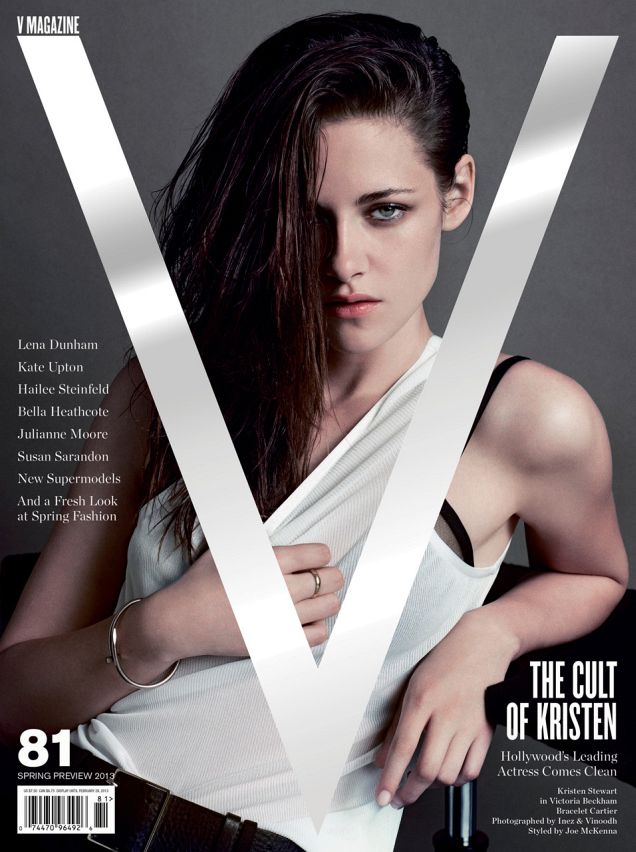
Kristen Stewart for V Magazine, Spring Preview 2013
V81’s Wild at Heart cover story—Kristen Stewart shot by Inez & Vinoodh, styled by Joe McKenna, in pale minimal spring glamour.