
Fabio Giavara’s Black-and-White Underground Stories
From Gorgonzola to Milan’s trains and stations, Fabio Giavara turns ordinary transit moments into stark black-and-white stories of waiting and geometry.
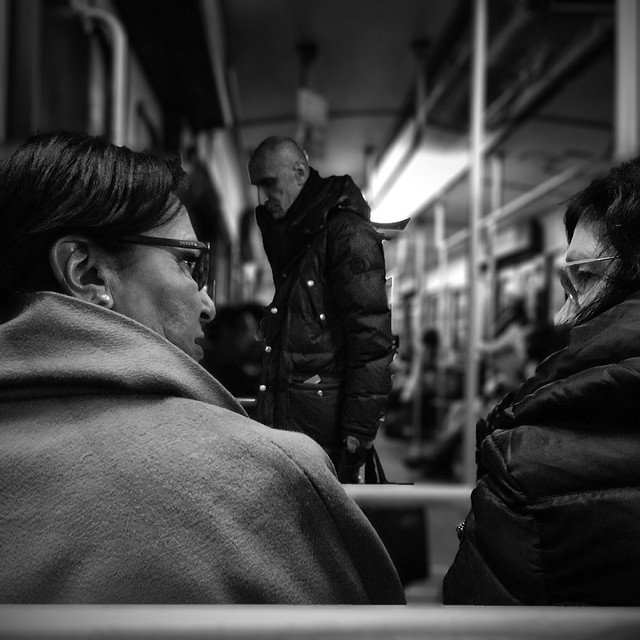
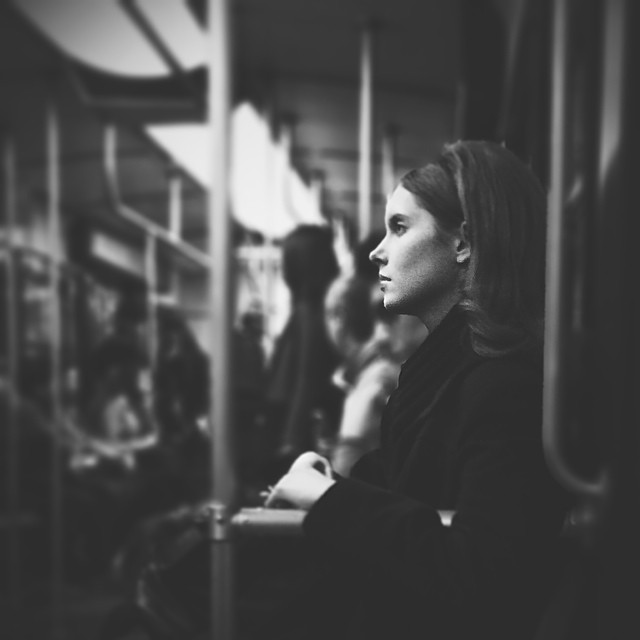
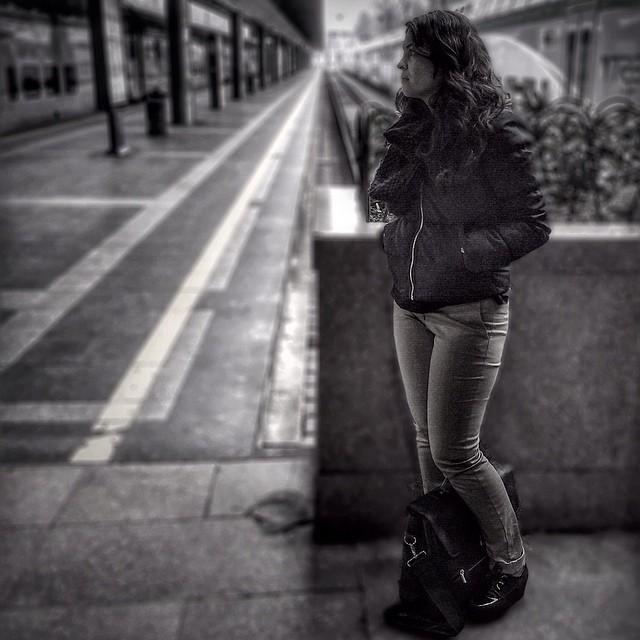
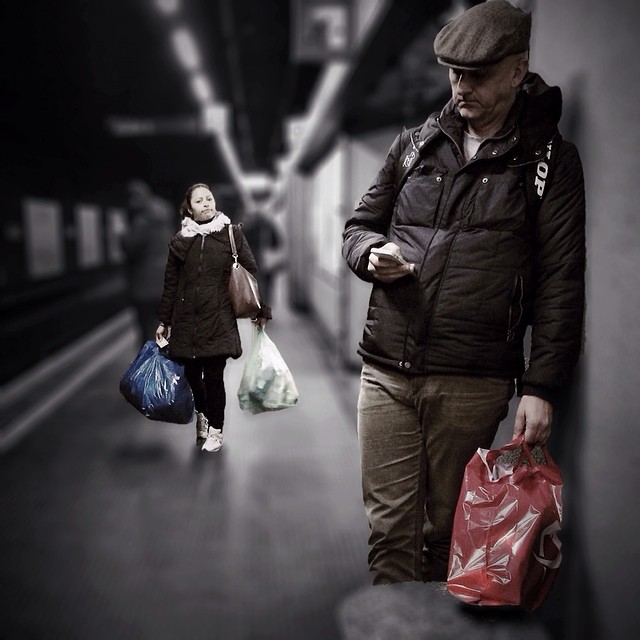
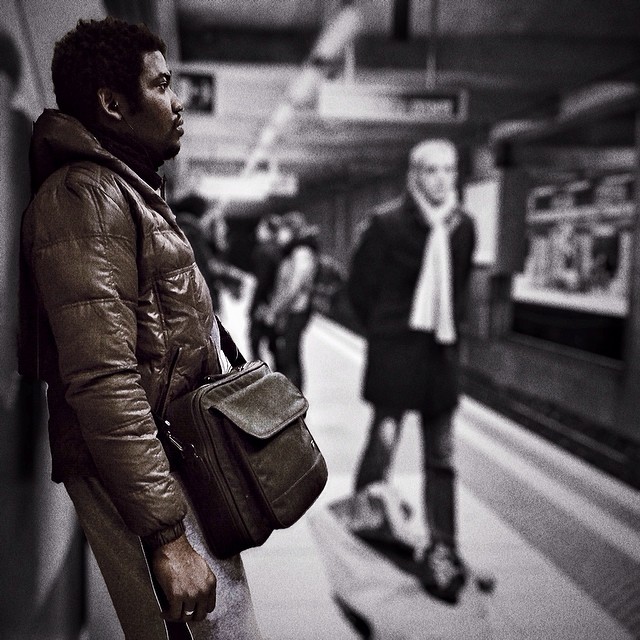
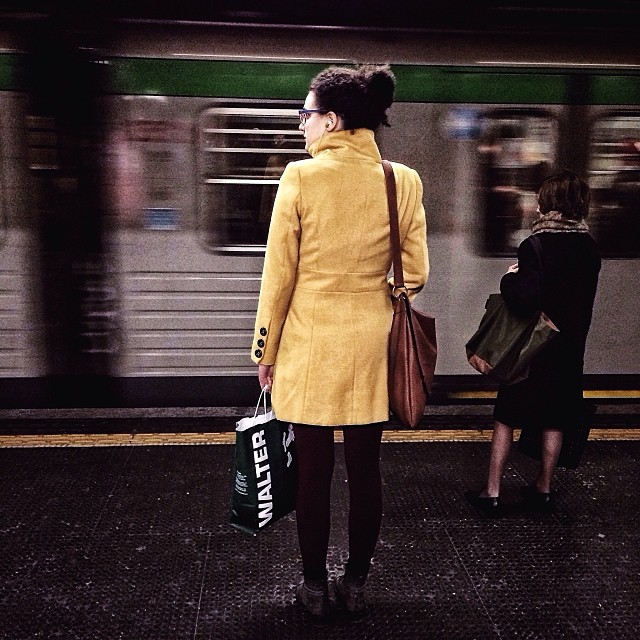
Gorgonzola, Italy–based photographer Fabio Giavara finds drama where most people only check the timetable. Platforms, carriages, the pause before doors close—his underground stories are transit narratives, not crime noir. He photographs while moving through the Milan metropolitan rhythm of commute and return: strangers waiting, reading, leaning, looking away. Black and white is not a nostalgic costume. It strips color noise so gesture, geometry, and light carry the plot.
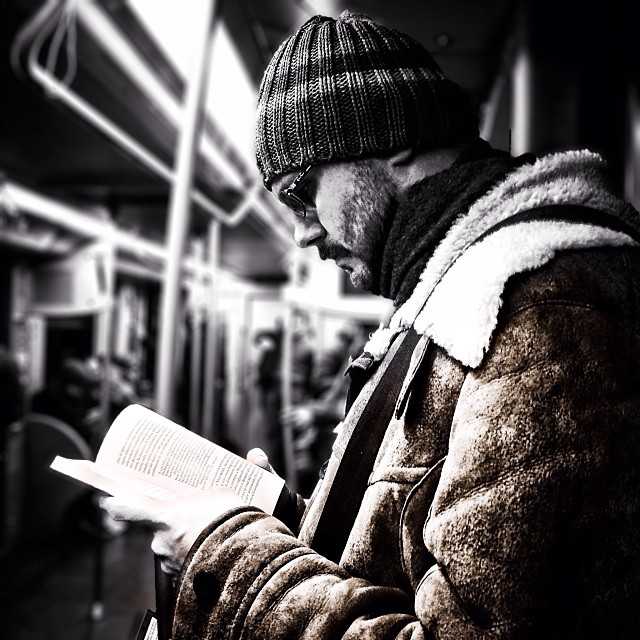
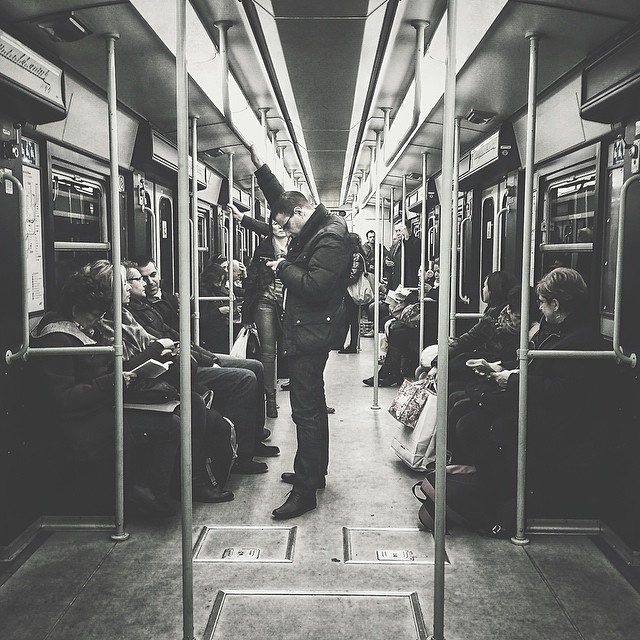
Giavara has spoken about shooting people with a sense of urban geometry. Someone standing mid-carriage with a book can become the lead without posing. A careful edit then tightens contrast until the ordinary hardens into something that feels inevitable, as if the frame had always been waiting under the fluorescent tubes. The selection here favors that quiet intensity—everyday happenings rendered with uncommon framing.
The commute as studio
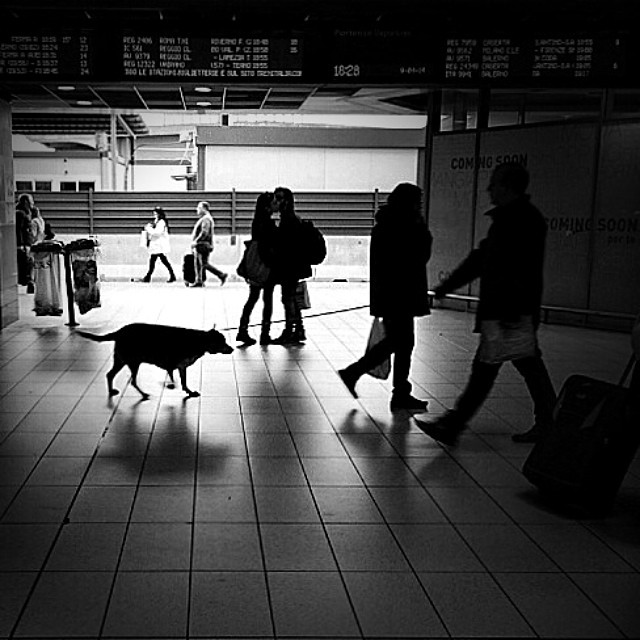
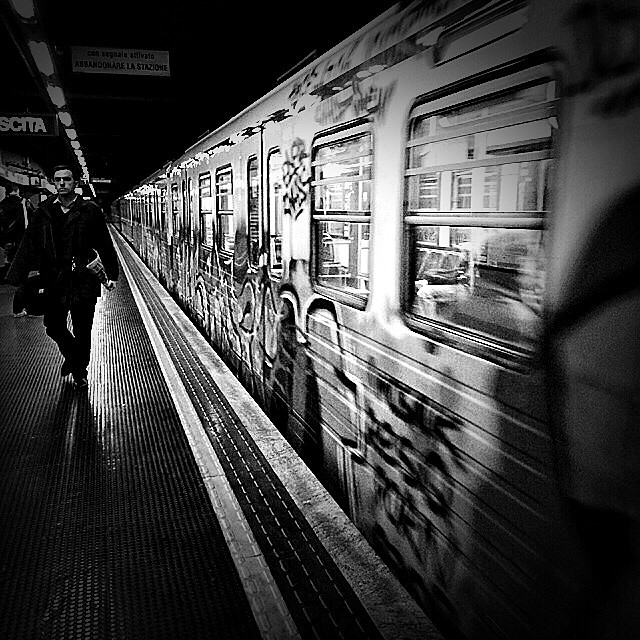
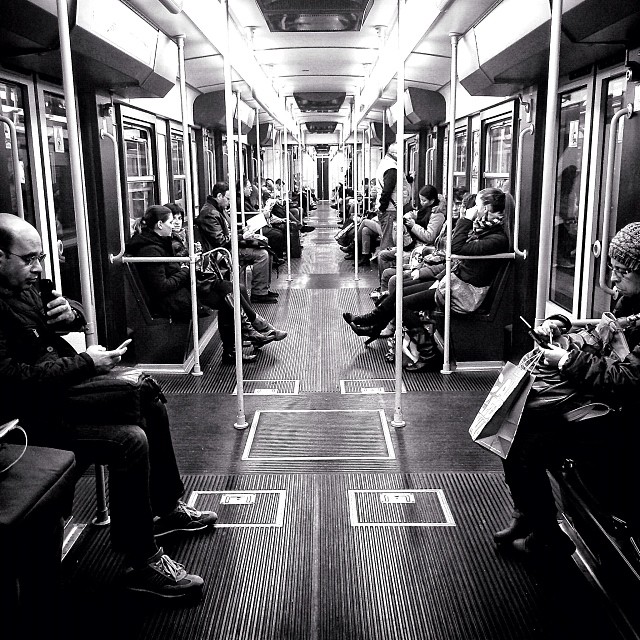
Studio portraitists control backdrop and wardrobe. Giavara works inside shared infrastructure. Stations and trains supply repeating architecture: benches in rows, handrails as verticals, windows as bright rectangles, tiled floors as grids. People interrupt those grids with soft shapes—coats, bags, bent necks, the slight sway of a standing rider. The tension between hard structure and human slack is the series’ pulse.
Because he shoots while traveling, timing is ethical as well as aesthetic. These are strangers in public, not hired models. The strongest frames keep distance: faces may be partial, backs turned, attention elsewhere. Story arrives through posture and placement, not through invasion. That restraint is why the work reads as observation rather than surveillance theater. You feel present on the platform without feeling you have stolen someone’s privacy.
Milan’s transit system is both subject and collaborator. Peak hours pack the rectangle with overlapping shoulders; off-peak hours leave long empty benches that look like stage sets. Giavara’s eye stays useful in both weathers. Crowds become rhythm; emptiness becomes a single note held longer than comfort expects.
Why black and white fits the underground
Subway and train light is already half-monochrome—cool bulbs, grey platforms, metal sheen. Color can yank the eye toward advertising panels and branded luggage. Monochrome pushes attention toward silhouette edges, the gleam on a handrail, the dark cave of a tunnel mouth against a lit platform. Shadows become characters. Highlights become stage lamps.
Giavara’s edits often lean dramatic without tipping into pure abstraction. You still recognize a coat, a newspaper, a pair of shoes planted for balance as the car moves. The “deep meaningful” quality people sense in these frames is not mystical caption writing. It is the recognition that solitude and proximity coexist in transit. Crowds can feel lonely. Empty platforms can feel loud. Black and white clarifies that emotional weather the way rain clarifies pavement color.
Partially color-blind observers sometimes fall in love with monochrome for practical reasons; whatever Giavara’s personal path into the palette, the public result is consistent: grey-scale as a storytelling dialect for underground life.
Mobile tools, classical instincts
Giavara’s practice has been associated with mobile photography—phone cameras carried every day, apps for capture and black-and-white finishing—yet the instincts he names lean classical: street lineages that prize decisive timing and the poetry of ordinary life. Doisneau and Cartier-Bresson are the kind of names that surface when he talks about foundations. The phone is simply the camera that is always there when the train arrives. What matters is readiness, not gear romance.
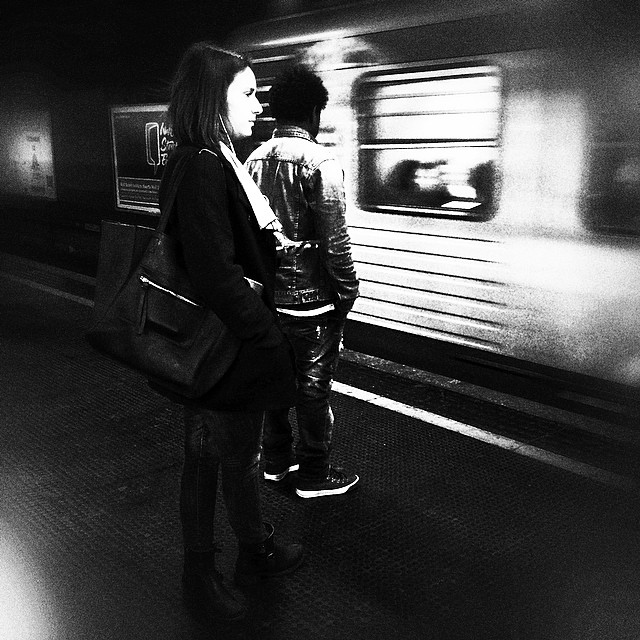
Working light and fast suits underground conditions. Shutters need to catch motion blur or freeze it deliberately; focus has to survive jostle and dim corners. A phone in a coat pocket is less conspicuous than a DSLR raised at chest height, which can change how subjects behave the moment they notice glass aimed at them. Discretion becomes part of craft. The resulting images feel overheard rather than staged.
Mobile communities and contests amplified this kind of work in the early 2010s, when phone cameras crossed a quality threshold and black-and-white apps made finishing portable. Giavara’s frames belong to that wave without being reducible to an app preset. Geometry and patience still do the heavy lifting.
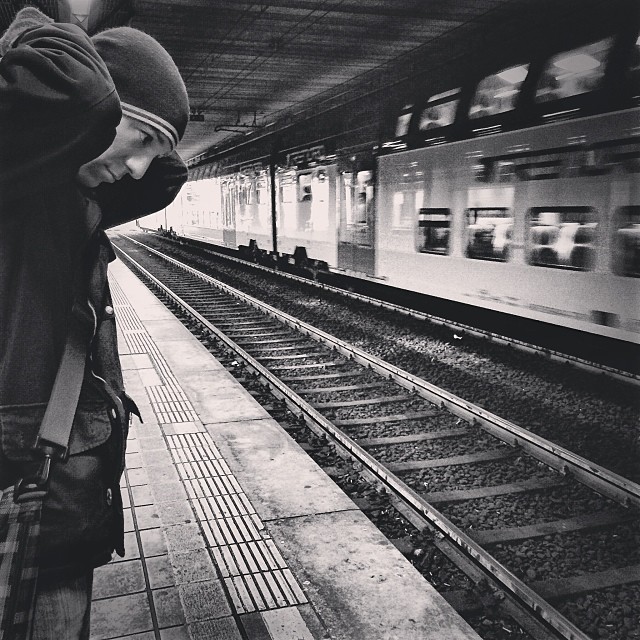
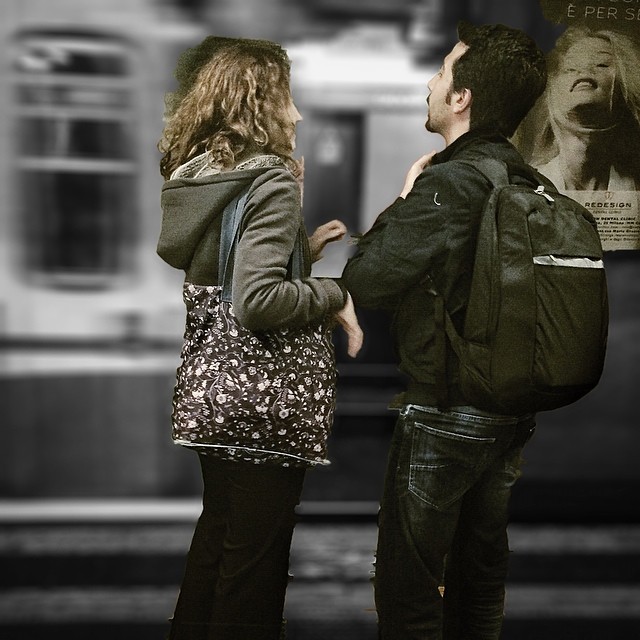
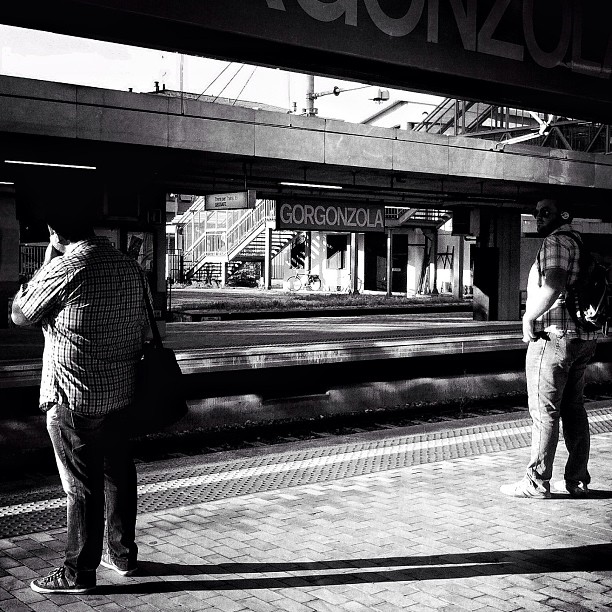
Reading the selected frames
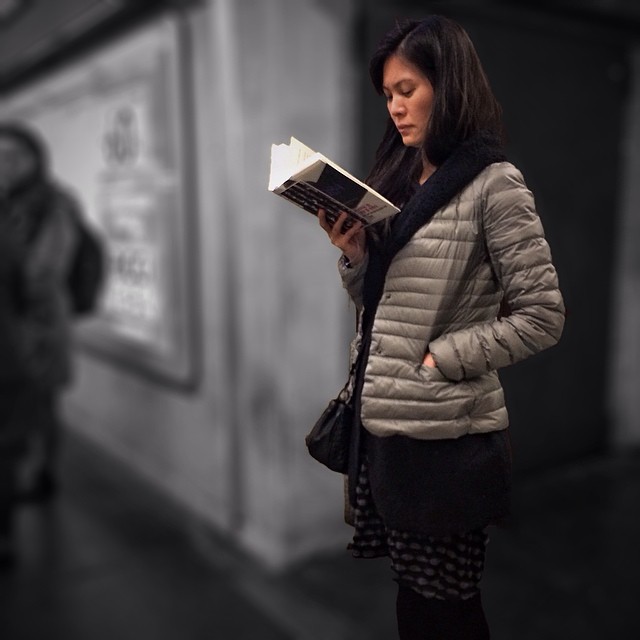
Move through this set the way you move through a platform: pause, then continue. In some images a single figure owns the rectangle, centered or off-center like a punctuation mark. In others, multiple bodies create a rhythm—repeating coats, staggered distances, mirrored leans against glass. Look for leading lines: tracks, edges of seats, the perspective of a corridor. Ask what the brightest area is doing. Giavara often lets light act as a spotlight, turning a reader or a waiting passenger into the scene’s quiet protagonist.
Also notice what is not shown. Underground stories rarely need destination signs or timetable boards to feel specific. The atmosphere of Milanese transit—efficient, crowded at peaks, strangely intimate in off hours—arrives through texture and posture. The “story” is the one you invent gently for the stranger: late for work, early for nothing, escaping into a page, counting stops without looking up. Resist turning every figure into melodrama. The photographs already hold enough mystery.
Glass appears often as a secondary character—reflections, smudges, the soft barrier between car and tunnel. Through glass, life can seem to flow faster or slower depending on focus. That optical layer is part of why these frames feel cinematic without needing cinematic subjects.
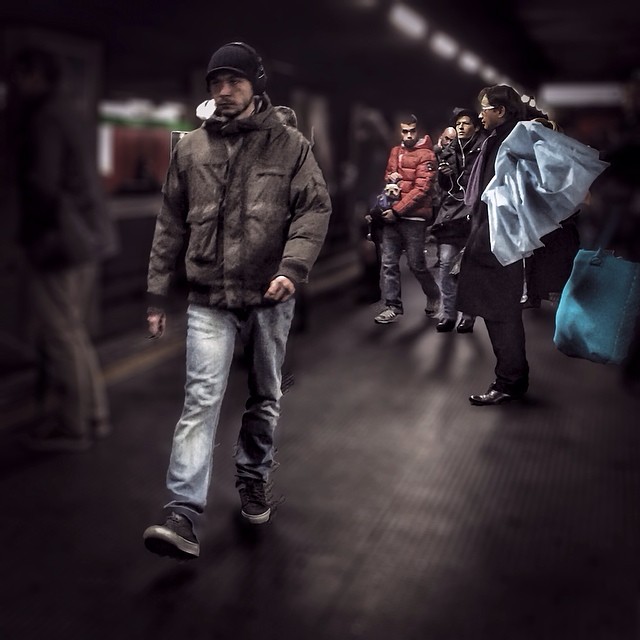
Everyday happenings, uncommon framing
Giavara’s interest in making the common uncommon (and sometimes the reverse) fits this gallery tightly. Nothing exotic is required—no festivals, no celebrities, no staged drama. The uncommonness is compositional: a crop that isolates a gesture, a contrast curve that turns fluorescent banality into chiaroscuro, a moment when someone looks exactly like they are thinking something private in public.
That is the underground story in miniature. Cities run on these half-seconds. Photographers who wait only for fireworks miss them. Photographers who ride the same lines until the lines teach them patterns catch them. Giavara’s selection rewards that patience: each frame is a small proof that the commute still contains theater if you refuse to sleepwalk through it.
His work has also lived well in the places it depicts—image walls and public displays in transit-adjacent contexts make a poetic loop: photographs of waiting returned to spaces of waiting. Whether or not you encounter the prints underground, the loop clarifies the project’s honesty. This is not tourism photography of Italy. It is a local eye on the systems locals use.
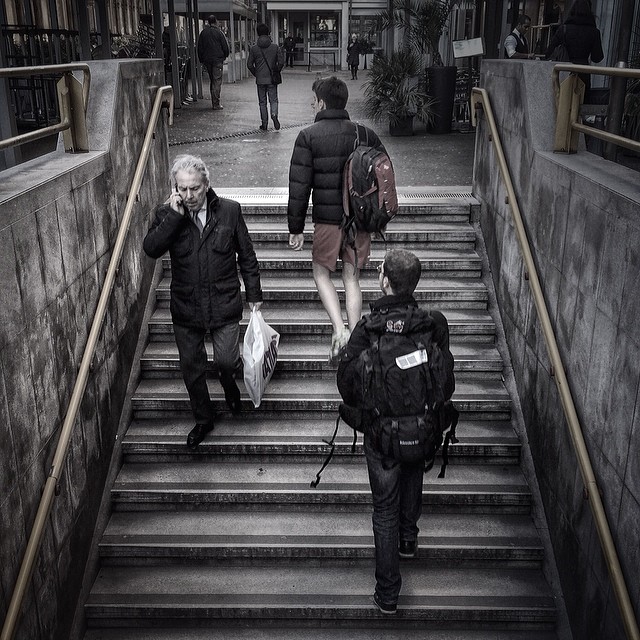
- Watch for geometry first, then the human interruption.
- Let monochrome slow you—edges and light matter more than color cues.
- Invent only gentle stories; the photographs already hold enough mystery.
- Notice how often stillness sits inside motion: waiting while the system moves.
- Return to one frame twice; the second look usually finds a secondary line or reflection.
If your own ride home feels identical every evening, try looking once the way these frames look—then see whether the carriage still feels blank.

Comments
Continue reading
Black and White Photography of Beauty and Solitude
Monochrome frames that treat solitude as presence—not pity—through light, space, and the quiet beauty of being alone.
Black and White Boudoir Photoshoot Ideas: Light, Consent, and Tasteful Framing
Respectful monochrome boudoir ideas—consent and comfort, wardrobe and fabric, posing without stiffness, privacy-minded crops, and a practical session checklist.
Black and White Photography by Guy Cohen
Jerusalem photographer Guy Cohen’s high-contrast black-and-white work—shadows, light, and surreal street atmospheres from his early-2010s portfolio.