
Travel Wish List: Finland’s Light, Design, and Winter Rooms
Helsinki Cathedral and Espoo, Moomin daydreams, Olavinlinna on the lakes, snow villages and igloos, aurora odds, and the sauna-to-ice logic of a Finnish winter.
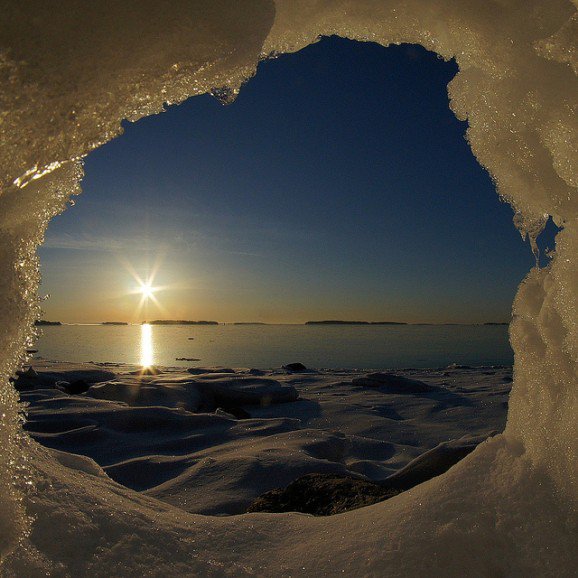
Finland’s pull is not a single landmark. It is latitude made visible: long summer evenings that refuse to end, winter darkness cut by aurora and candlelight, and a design culture that treats wood, glass, and silence as materials. A wish list for Finland should hold Helsinki’s white cathedral and Espoo’s modern edge, a Moomin-house daydream, a lakeside castle in Savonlinna, and the winter architectures of snow hotels and ice villages—without turning the country into a one-note “Northern Lights package.”
Come for light. Stay for how Finns build comfort inside extreme seasons: sauna heat, cold plunges, clean public spaces, and interiors that feel calm even when the weather does not.
Helsinki and Espoo: capital light and design suburbs
Helsinki Cathedral (Helsingin tuomiokirkko) dominates Senate Square with pale neoclassical steps and green domes—the postcard that still works because the square gives it air. Visit in different weather: snow turns the steps into a stage; summer evenings stretch golden across the façades. The cathedral is not Finland’s only architecture story, but it is the clearest urban symbol for first-timers.
Nearby, the city’s harbors, islands, and Design District shops explain why “Finnish design” became a global shorthand: functional furniture, glassware, textiles, and a preference for clarity over ornament. Walk between market halls and contemporary museums; notice how much of the city faces water.
Espoo, Helsinki’s large neighbor, is where tech campuses, forests, and shoreline trails sit closer together than visitors expect. It is less postcard-famous than the capital center, which makes it useful on a wish list: a reminder that Finnish everyday life often happens in greenbelt suburbs with excellent transit and quiet lakes a short bus ride from offices.
Villa Kivi in Helsinki is a writers’ house by the sea—a wooden villa that hosts literary life rather than ticketed spectacle. Even if you only note it from outside or through a scheduled visit when available, it stands for a Finnish idea of culture: small institutions, water nearby, and rooms meant for reading.
Storybook Finland: Moomin and castle stone
The Moominhouse—whether you meet it as theme-park architecture in Naantali’s Moominworld or as Tove Jansson’s illustrated blue tower in books—belongs on a Finland wish list because it is cultural infrastructure, not kitsch alone. Jansson’s stories of family, nature, and gentle weirdness shaped how many people first imagined Nordic summers: islands, tents, and characters who respect the weather. If you travel with children, Moominworld is an obvious day; if you travel without, read a Moomin novel on a ferry and watch the archipelago do the illustrating.
Olavinlinna Castle in Savonlinna sits on a rocky island in the lake district—a medieval fortress of gray stone surrounded by water that freezes hard in winter and hosts an opera festival in summer. The contrast is the point: Finland’s lake country is not only cottages and saunas; it also holds military history and summer culture that draws people inland from the capital. Savonlinna is a wish-list stop for anyone who wants lakes without giving up stone walls and towers.
Winter as architecture: igloos, snow villages, and firelight
Lapland’s igloo hotels and glass-igloo resorts turned Arctic nights into a lodging category: sleep under the sky (or under thick ice walls) and hope the aurora cooperates. They are popular, seasonal, and often expensive—plan early if that is your dream. The wish-list value is the idea itself: buildings made for watching weather, not ignoring it.
An igloo village or snow village adds carved corridors, ice chapels, and temporary rooms that exist only for one cold season. The “passage of fire” style installations—warm light set against blue ice—show how Finns and visitors stage contrast: heat and cold, flame and frost, soft blankets inside hard walls. These places are temporary museums of winter craft as much as hotels. Dress for real cold; photography gloves matter; respect that staff rebuild everything when spring arrives.
Frozen lakes at sunset turn the landscape into metal and rose. A winter stream half-locked in ice, an island bridge dusted with snow, trees bent under weight—these are not side notes to the aurora. They are Finland’s daily winter grammar. Bring spikes or proper boots; blue hour lasts, and so does the chill.
Northern Lights—and what to do when they hide
The Northern Lights (aurora borealis) are the headline for Lapland trips, and they are genuinely worth wanting. They are also unreliable on any given night. A sane wish list treats aurora as a probability, not a guarantee: choose a dark-sky base, check forecasts, stay multiple nights, and have daylight plans that do not feel like consolation prizes—sledding, quiet forest walks, reindeer farm visits where ethical and local, museums in Rovaniemi, or simply learning to love the blue midday light of midwinter.
Cloud cover cancels shows. Moonlight changes them. Cold batteries die. The travelers who enjoy Lapland most are the ones who came for winter itself and treat green sky as a bonus.
Winter swim and the sauna logic
Winter swimming—a hole in the ice, a short plunge, then sauna—looks extreme from abroad and ordinary in Finnish clubs. You do not have to join a competition; many public saunas and ice holes welcome careful visitors with local rules. The sequence matters: heat, cold, heat again. It is less about toughness than about resetting the nervous system. If medical conditions make plunging unwise, sit in the sauna and watch; the culture still includes you.
Sauna is the national room. Smoke saunas, wood-fired lakeside cabins, and urban public saunas all count. On a wish list, put “one proper sauna evening” near the top—higher than any souvenir shop. It explains more about Finnish social life than another cathedral photograph.
How to choose your season
Summer Finland is islands, midnight light, berry stands, and lake cottages. Winter Finland is snow architecture, possible aurora, and a slower outdoor pace. Autumn brings colors in the forests (ruska); spring is melt and bright long days returning. None of these is the “correct” Finland. The design-minded traveler might prefer Helsinki in May or September; the light-chaser might gamble on Lapland in January; the castle-and-opera traveler aims at Savonlinna in festival season.
Practical notes without the sales pitch: trains and buses work well in the south; Lapland distances favor flights or long drives; English is widely spoken; costs run high by southern European standards, so cooking some meals and using public saunas helps. Book glass igloos early; book nothing if you prefer flexible cabin stays and clear nights checked night by night.
Would you rather watch Helsinki’s cathedral steps under midnight sun, or wait in a snow village corridor for a sky that may or may not open? Finland’s wish list is large enough for both answers—just not always on the same ticket.

Comments
Continue reading
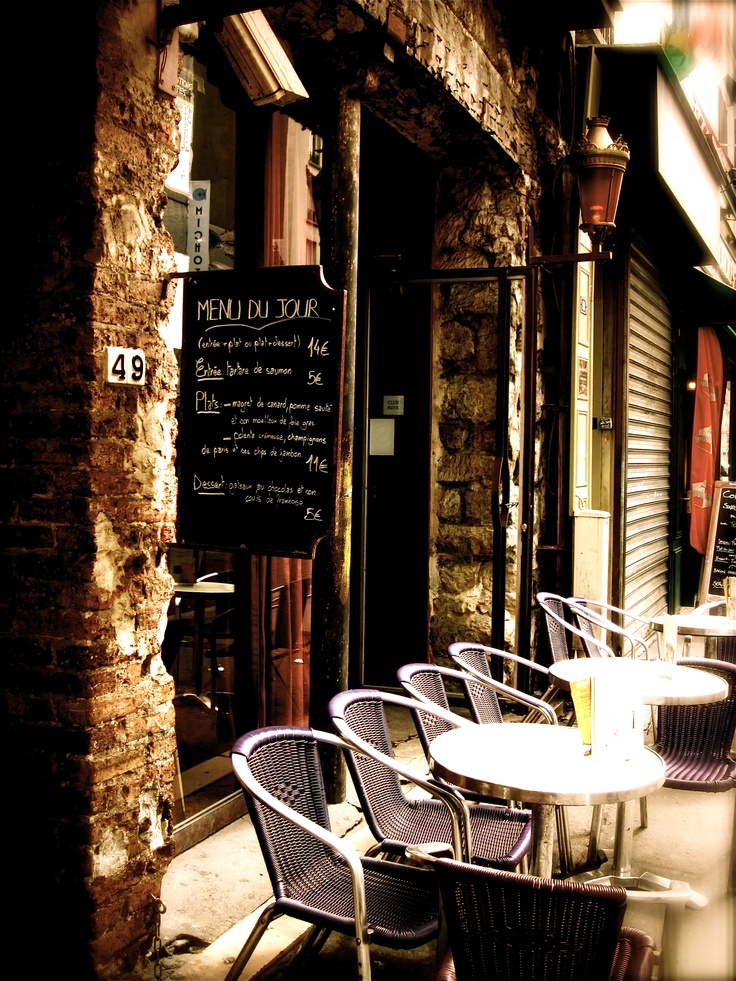
Travel Wish List: Paris for Streets, Culture, and Romance
Seine walks, museum days without burnout, and neighborhood rhythms—why Paris stays on the urban-romance wish list.
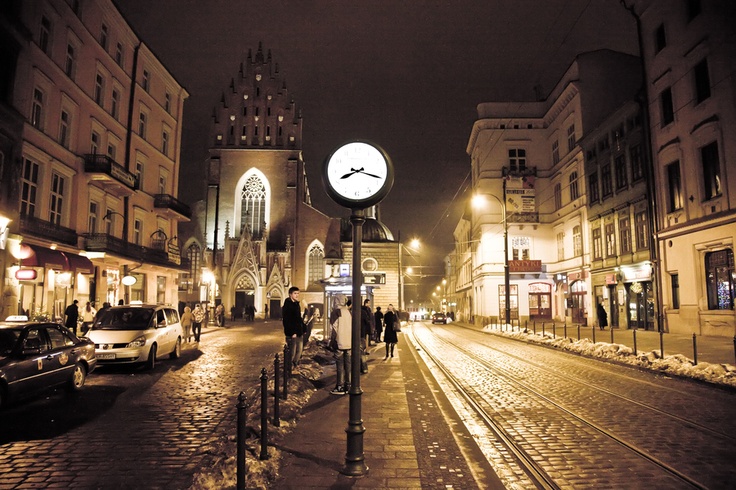
Travel Wish List: Kraków’s Square, Wawel, and Old-Town Lanes
Rynek Główny, Wawel Hill, Kazimierz, Planty walks, and dusk on the Cloth Hall—Kraków as a walkable history city, not a spa or volcano itinerary.
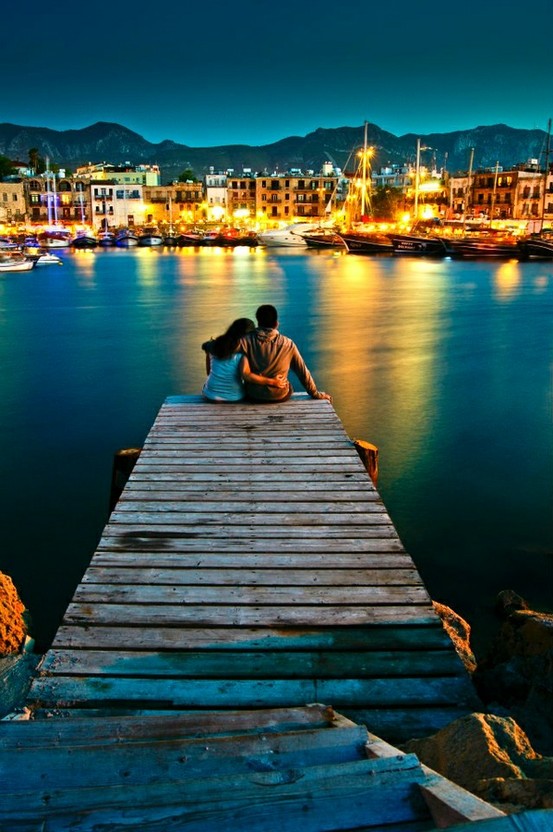
Travel Wish List #3: Harbors, Temples, and Alpine Lakes
Fifteen places that interrupt ordinary weeks—Kyrenia, Paris, Rameswaram, Hallstatt, Valparaíso, and more—framed as a visual wish list, not a booking funnel.