
How to Choose a Men’s Wedding Band: Six Metals Compared
Gold, platinum, palladium, tungsten, titanium, and silver—what each men’s wedding band metal offers for durability, look, budget, and daily wear.
Wedding planning tends to pull attention toward venues, suits, and guest lists. The wedding band is smaller in size but longer in daily life: many men wear it every day for decades. Choosing well means matching metal, finish, and profile to how you work with your hands, what your skin tolerates, and what you want the ring to say quietly when you glance down.
Traditional plain gold still has a place, but the market for men’s bands has widened. Platinum, palladium, tungsten, titanium, and silver each behave differently under wear, heat, and impact. Below is a practical guide to six common options—not a store ranking—so you can compare durability, look, budget, and maintenance before you buy.
Gold
Gold remains the classic choice for a reason: warm color, familiar symbolism, and a long history of wedding use. Pure gold is soft, so bands meant for daily wear are alloys. Fourteen-karat and eighteen-karat gold strike a useful balance between richness of color and hardness. Yellow gold reads traditional; white gold looks cooler and often pairs with silver-toned watches; rose gold brings a softer, pinkish tone that some couples prefer for matching sets.
Gold can scratch and dent over years of desk work, gym sessions, or manual labor, but a jeweler can often polish or resize it—advantages not every modern metal shares. White gold may need rhodium plating refreshed periodically to keep a bright white surface. If you want heirloom flexibility (resizing for weight change, resetting a stone later), gold and platinum usually cooperate better than extremely hard sintered metals.
Ask about karat stamp, comfort-fit interiors, and whether the band’s width suits your finger length. Wider bands look bold but can feel hotter in summer and catch on gloves more easily.
Platinum
Platinum sits at the premium end for men’s wedding bands. It is dense, naturally white, and hypoallergenic for many wearers who react to nickel in some gold alloys. It resists tarnish and develops a soft patina rather than a brassy fade. Scratches tend to displace metal rather than remove it, which is why platinum can look “lived in” while still feeling substantial.
The trade-offs are weight and price. A platinum band feels heavier than the same design in titanium or tungsten, which some men love and others find tiring. Cost is typically higher than gold of similar design complexity. If budget allows and you want a metal that reads quietly luxurious without relying on plating, platinum is hard to beat for long-term everyday wear.
Because platinum holds up well, it suits people who dislike frequent jewelry maintenance. Still plan occasional professional cleanings so soap film and grit do not dull the surface.
Palladium
Palladium is a platinum-group metal that offers a similar naturally white look at a usually lower price than platinum. It is lightweight compared with platinum, which helps if you want precious-metal status without the heft. Like platinum, it is often a good option for sensitive skin when alloys are kept clean of problematic metals—confirm composition with the jeweler.
Palladium works for clean modern bands and for designs with engraving or modest stone accents. Availability can vary by region and year; not every local shop stocks as many palladium styles as gold or tungsten. If you find a design you like, verify resizing policies. Some palladium bands can be resized; others are harder depending on construction.
Think of palladium as the middle path when you want platinum’s color family but need the budget and weight closer to other everyday metals.
Tungsten
Tungsten carbide became popular for men’s bands because it shrugs off the fine scratches that quickly mark softer metals. It keeps a polished or brushed look for a long time and often costs less than precious metals in similar widths. Inlays—wood, carbon fiber, color accents, or patterned metals—give tungsten a contemporary catalog feel without requiring a large precious-metal spend.
Know the engineering limits. Many tungsten rings cannot be resized; finger size must be accurate at purchase. They are brittle under sharp impact: instead of bending, they can crack. That property is sometimes cited in emergency contexts because certain rings can be removed by cracking rather than cutting, but you should still treat any ring injury as a medical situation and follow professional guidance—not internet myths.
Tungsten is excellent for someone who wants low cosmetic maintenance and a modern weighty feel. It is a weaker choice if you expect to resize later or want a traditional precious-metal heirloom.
Titanium
Titanium is light, strong for its weight, and generally affordable next to platinum or high-karat gold. It resists corrosion and suits active lifestyles where a heavy band feels intrusive. Many titanium rings take well to brushed finishes, two-tone effects, and inlays similar to those used with tungsten.
Like tungsten, titanium is often difficult or impossible to resize, so sizing appointments matter. It can scratch more visibly than tungsten carbide, though scratches are usually superficial. Color is naturally gray; any “black” or bright hue is typically a coating that may wear at high-contact edges over years.
Choose titanium when comfort and price lead the decision and you are confident in your ring size. If you want something that can grow and shrink with life changes, lean back toward gold or platinum.
Silver
Silver delivers a bright white look at a friendly price and works for men who want a wedding band without a large jewelry budget. It is soft compared with the metals above, so it scratches and dents more readily. It also tarnishes, especially with sweat, lotions, and sulfur in the air, so expect occasional polishing or a protective routine.
Silver can be a smart choice for someone who rarely wears jewelry, wants a temporary or secondary band for travel, or prefers to invest elsewhere in the wedding and upgrade metal later. It is less ideal as the only daily ring for heavy manual work unless you accept a quickly “broken in” surface as part of the look.
If you go silver, ask about sterling purity stamps and whether a rhodium flash or protective coating is applied. Coatings help initially; they are not permanent armor.
How to choose among the six
Start with your hands’ real life. Desk work and careful habits open the door to softer precious metals. Construction, mechanics, climbing, or constant tool use push many men toward harder, lower-maintenance options—or toward a silicone stand-in during work hours and a finer band evenings and weekends.
Next, match the metal to your other jewelry and watch tones so the set does not fight itself. Then decide whether resizing and heirloom repair matter more than scratch resistance. Finally, try widths on your finger in person: photos flatten proportion, and a 8 mm band can overwhelm a shorter finger even when it looks perfect online.
Engraving, finish (high polish, matte, hammered), and comfort-fit interiors personalize any of these metals. What lasts is not the trend name on the product page but the quiet daily fit between the band, your skin, and the way you use your hands.

Comments
Continue reading

Funny Animal Signs That Warn People (While Animals Ignore Them)
From a seagull on a no-birds disc to classic zoo and park ironies—why animal warning signs get funny, and what the rules are still for.
How to Find Local Amenities on Vacation: Mechanics, Haircuts & More
Locate trustworthy local services and everyday spots while traveling or settling in—using publications, reviews, map apps, neighbor tips, and low-pressure exploration.
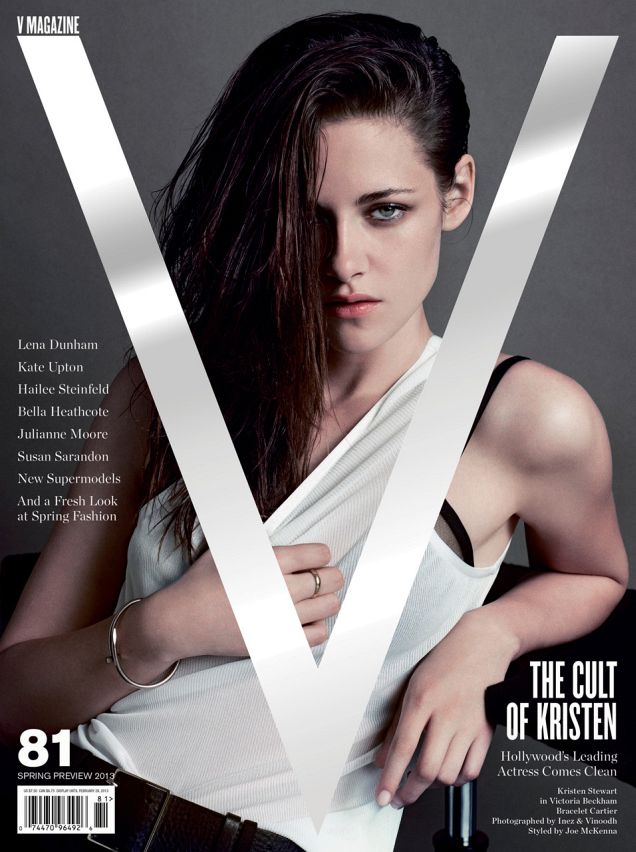
Kristen Stewart for V Magazine, Spring Preview 2013
V81’s Wild at Heart cover story—Kristen Stewart shot by Inez & Vinoodh, styled by Joe McKenna, in pale minimal spring glamour.