
10 Alanis Morissette Songs That Map the ’90s Emotional Catalog
From You Oughta Know to Perfect—ten essential Alanis tracks spanning Jagged Little Pill rage, gratitude, soundtrack hauntings, and hard-won clarity.
Alanis Morissette did not invent confessional rock, but in the mid-1990s she made it feel like a public weather system. Jagged Little Pill turned private fury, sarcasm, and hard-won clarity into choruses you could shout in a car with the windows down. The catalog after that kept asking the same restless questions—how do you stay soft without becoming a doormat, how do you grow without sanding off the edges that made you honest?
This is a listener’s top ten drawn from the songs that defined that emotional map: radio anthems, soundtrack curveballs, and later-career reckoning. No fake chart math—just the tracks that still sound like someone telling the truth at full volume.
1. Ironic
“Ironic” is the pop-culture doorway for a reason. The jangle is bright; the verses are little short stories about plans going sideways. People still argue about whether the examples are technically irony. That debate misses the song’s real job. It captures the 1990s shrug of surviving absurd bad luck and naming it out loud instead of swallowing it. Morissette’s vocal rides the line between wry and wounded—the smile in the melody never fully cancels the bruise.
Play it when you need the era’s signature mix: catchy enough for a sing-along, sharp enough that it never feels like empty sugar.
2. Thank U
If “Ironic” catalogs mishaps, “Thank U” catalogs aftermath. Built on a looping, almost mantra-like gratitude, it is the sound of someone who has burned through anger and landed in a stranger place: appreciation that includes the hard teachers. The production opens up; the vocal softens without losing intensity. It belongs to the late-’90s turn when Morissette’s writing leaned spiritual without abandoning the diary.
This is not polite thank-you-card pop. It is emotional inventory set to a pulse you can sway to—still alt-rock in attitude, even when the arrangement feels wider and warmer.
3. You Oughta Know
Here is the lightning strike. “You Oughta Know” made mainstream radio carry language and jealousy that soft-rock formats usually sanded down. The bass line prowls; the vocal performance is famous because it does not perform politeness. It performs consequence. For a generation of listeners, it was permission to be furious in public without apologizing for the volume.
As songcraft, it is tightly wound: verse pressure, chorus release, a bridge that feels like the argument you rehearse at 2 a.m. It remains the purest document of Morissette’s early ’90s emotional voltage.
4. Uninvited
“Uninvited,” written for the City of Angels soundtrack, strips away some of the band crunch and replaces it with piano, atmosphere, and a vocal that sounds half-summoned. The lyric circles desire and boundary—“you’re uninvited”—with a gothic calm that still unsettles. It proved she could haunt a room without a distorted guitar solo.
In any Alanis survey, this track is the night-mode counterpart to the daylight rage of “You Oughta Know.” Same emotional intelligence; different weather.
5. Hand in My Pocket
Optimism with side-eye. “Hand in My Pocket” lists contradictions—broke but happy, sane but overwhelmed—over a groove that refuses to drag. It is the album’s pocket philosophy: you can hold opposing feelings and still keep walking. The harmonica-tinged bounce made it a radio staple; the writing made it durable.
Listen for how casually she stacks paradoxes. That stacking is the ’90s alt-rock emotional catalog in miniature: feelings are not tidy, so the song will not pretend they are.
6. Head Over Feet
After so much rupture, “Head Over Feet” lets affection arrive without irony armor. The melody is open; the lyric admits surprise at being treated well. In the Morissette cosmos, that softness is earned, not naive. It is the track people reach for when they want the healing chapter without skipping the fact that healing was hard-won.
As a craft note, the song trusts repetition and plain speech. No thesaurus flex—just the dizzy relief of reciprocity.
7. All I Really Want
The album opener still sounds like a manifesto. “All I Really Want” arrives restless, talking-singing through a wish list that is spiritual, political, and personal at once. It tells you immediately what kind of narrator you are dealing with: hungry for clarity, allergic to small talk, unwilling to shrink.
If you are introducing someone to Morissette beyond the singles, start here. It frames the entire emotional project—wanting more honesty from the world and from the self.
8. You Learn
“You Learn” is the thesis statement many fans quote without noticing. Mistakes become curriculum; bruises become notes in the margins. The chorus is built for communal singing because the idea is communal: everyone is enrolled in the same messy school. Musically it sits in that sweet spot of mid-tempo rock that carries a slogan without becoming a lecture.
Place it after the angrier tracks and it reads as integration. Place it alone and it still works as a pocket pep talk that never turns saccharine.
9. Hands Clean
Jumping to the early 2000s, “Hands Clean” shows a writer willing to revisit power, secrecy, and complicity with cooler precision. The groove is sleeker; the storytelling is pointed. Where early hits often felt like immediate eruption, this one feels like a deposition—still emotional, more controlled, no less unsettling.
It earns its place because the Morissette story is not only Jagged Little Pill. Growth meant new textures and harder questions about who gets to rewrite history.
10. Perfect
“Perfect” is the quiet knife. Aimed at parental pressure and the performance of being enough, it hurts because the vocal stays almost gentle while the lyric does not. In a discography famous for blast-furnace choruses, this track proves restraint can cut deeper. It belongs with the emotional catalog’s family-of-origin rooms—the ones you enter carefully.
End a listening session here and the room feels smaller, more honest. That is Alanis at her most intimate: not only the roar of the mid-’90s, but the still voice underneath it naming what the roar was protecting.
Nearby in heavy rotation for many listeners sits later work like “Guardian,” a protective anthem from the 2010s that extends the same caretaking instinct. The ten above, though, chart the core path: irony and fury, gratitude and appetite, the long education of a heart that refused to go quiet.

Comments
Continue reading

Funny Animal Signs That Warn People (While Animals Ignore Them)
From a seagull on a no-birds disc to classic zoo and park ironies—why animal warning signs get funny, and what the rules are still for.
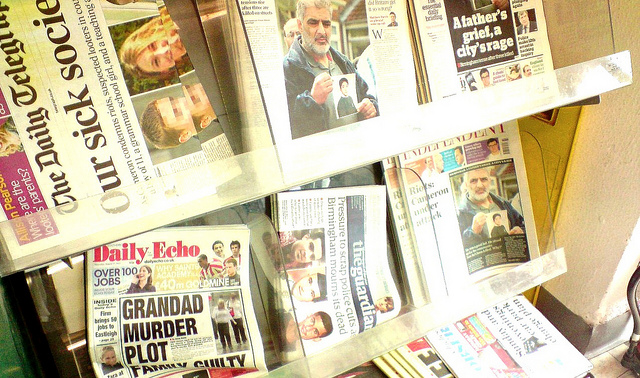
How to Find Local Amenities on Vacation: Mechanics, Haircuts & More
Locate trustworthy local services and everyday spots while traveling or settling in—using publications, reviews, map apps, neighbor tips, and low-pressure exploration.
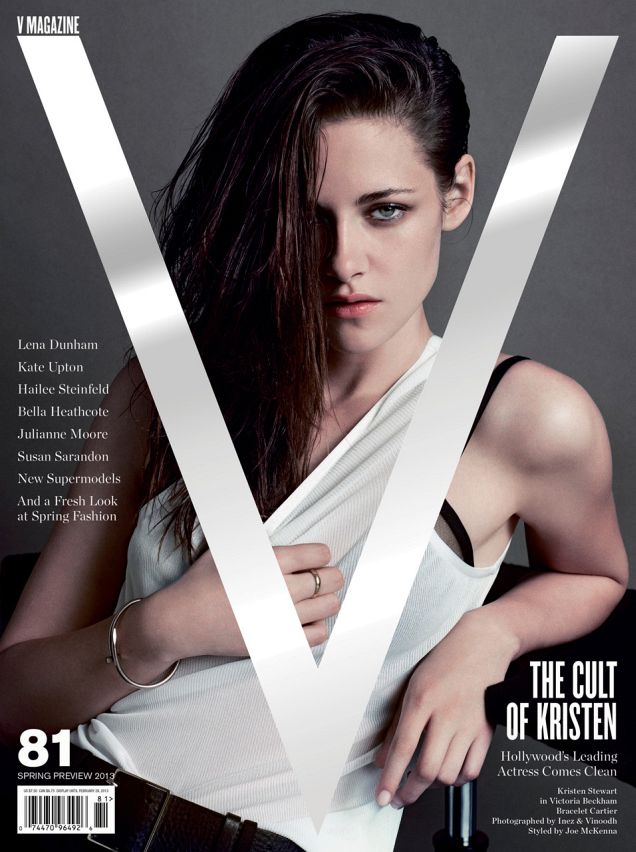
Kristen Stewart for V Magazine, Spring Preview 2013
V81’s Wild at Heart cover story—Kristen Stewart shot by Inez & Vinoodh, styled by Joe McKenna, in pale minimal spring glamour.