
Miniature Melbourne: Nathan Kaso’s Tilt-Shift Festival Year
Ten months, Eureka Skydeck height, and a year’s festivals—Nathan Kaso’s 2013 tilt-shift time-lapse shrinks Melbourne into an affectionate toy city.
What if Melbourne spent a year shrinking itself for fun? Nathan Kaso’s Miniature Melbourne answers with a grin. The 2013 tilt-shift time-lapse—about ten months in the making, drawing on festivals and outdoor life across 2011–2012—turns trams, runners, markets, and river traffic into toys that somehow still pay rent. Shot largely from high ground (HuffPost and others noted heavy use of the Eureka Skydeck atop Melbourne’s tallest tower), then nudged in post toward that famous shallow-focus “model village” look, the film is less a solemn city symphony than a playful dare: take a serious metropolis and make it adorable without making it dumb.
Tilt-shift is the star effect, but stamina is the real plot. Anyone can fake miniature on a single afternoon plaza. Keeping the joke alive across seasons, events, and weather takes the kind of calendar obsession city lovers already practice—only with a tripod and a ruthless select folder. Colossal called it Melbourne having too much fun. That reading fits. The city already markets laneways, coffee, and outdoor culture; Kaso simply presses the toy button until the marketing becomes cinema.
How the toy trick works (and why Melbourne suits it)
True tilt-shift optics swing and tilt a lens to bend the plane of focus; popular “tilt-shift videos” often simulate the look later by blurring upper and lower frame bands so the middle stays sharp. Either way, the brain reads selective focus plus elevated viewpoint as scale-model photography. Cars become Hot Wheels. Crowds become ant farms with better coffee. Kaso has described applying the effect in post (Photoshop among the tools), then assembling sequences with LRTimelapse and After Effects before cutting in Premiere Pro—a stills-to-motion pipeline familiar to serious interval shooters who already live in Lightroom folders and deflicker plugins.
Melbourne cooperates because it already looks a bit like a well-designed set from above: the Yarra’s bends, the grid’s polite logic, tram lines as slot-car tracks, parkland patches as felt. Festivals add color props—tents, stages, temporary crowds that bloom and vanish. A city that hosts outdoor culture year-round gives the miniature illusion moving parts. Without events, tilt-shift can feel like a static diorama. With them, the diorama throws a party and cleans up by morning.
Height is non-negotiable. From street level, tilt-shift often looks like a gimmick smear on tourists’ shoes. From a skydeck or hill, perspective compression plus fake shallow depth sells the lie hard enough that adults chuckle out loud. Eureka’s vantage is almost unfair: enough altitude to shrink blocks, enough familiarity that locals still recognize their town grinning up at them. Recognition is the safety rail. Lose it and you have Generic Tiny Anywhere.
Ten months of festivals as narrative fuel
Kaso’s own synopsis—echoed across Colossal, Geeks Are Sexy, Only Melbourne, and festival catalogs such as Cinema City—stresses the long make and the 2011–2012 event calendar. That is the difference between a technique demo and a hometown film. You are not only watching focus falloff; you are watching Melbourne’s social weather: gatherings that define the city’s outdoor personality. Time-lapse turns those gatherings into blooms. Tilt-shift turns the blooms into charming catastrophes of scale, as if a child shook a snow globe full of laneway kids, sports fans, and people who refuse to stay indoors when the weather is merely “fine.”
Music by Tom Day keeps the tone light without tipping into novelty-bin chaos. Playful images need a bed that smiles but does not wink every bar. When the score trusts the pictures, the miniature effect feels affectionate. When a track mugs for comedy, the city becomes a punchline. Miniature Melbourne stays on the affectionate side—important for a piece that could otherwise read as mocking the very crowds it celebrates.
Calling Melbourne “home town” in the project framing also matters. Outsider tilt-shift tourism often chases cuteness and misses character. A local knows which festivals actually mark the year, which river angles are clichés, which tram corridors still surprise after the hundredth commute. Ten months is long enough for that knowledge to steer the shot list away from pure postcard sampling and toward a year’s emotional weather report in toy form.
Play as a serious production plan
Do not confuse whimsy with casualness. High vantage access, weather windows, card logistics, and consistent framing across months are adult problems. Skydeck shoots imply tickets, time limits, glass reflections, and other visitors bumping your tripod while asking what you are doing. Outdoor festivals imply security lines, stage roofs landing in your sweet focus band, and the ethical headache of pointing a long lens at crowds who did not consent to become figurines. The finished four-plus minutes hide those frictions the way all good shorts do.
Post-production is where the miniature contract is signed. Overblur and the frame looks injured. Underblur and you have ordinary time-lapse with a soft vignette pretending to be clever. The sweet spot leaves enough mid-ground information that streets remain readable as Melbourne—Flinders curves, park ovals, familiar bridge geometry—not Generic Tiny Town. Color also plays: saturated festival hues help the toy reading; crush them toward muted “serious documentary” and the illusion weakens because toys are supposed to be bright.
Interval choice still rules motion quality. Too coarse and trams stutter like broken toys—ironically undermining the miniature charm you paid months to build. Too fine and you drown in frames without gaining life. Festival scenes with erratic crowd motion especially punish lazy intervals; people do not flow like highways. Kaso’s smooth playback implies the boring virtue of enough frames and careful selects.
Long projects also teach rejection. Plenty of nights will look perfect until the tilt-shift pass reveals a composition that cannot survive selective focus. Plenty of events will be logistically perfect and aesthetically dull from above. The ten-month span is partly a filter: keep what still feels like play after the hundredth review.
A tiny checklist if you want your own toy city
- Gain real height before you fake focus. Hills, decks, parking towers—earn the scale first.
- Shoot events if you can; moving props sell the diorama better than empty plazas.
- Keep one recognizable skyline or bridge element sharp so place survives the gag.
- Apply tilt-shift after you nail exposure and deflicker; effect last, craft first.
- Edit shorter than your ego wants. Miniature charm fades when the joke overstays.
Watch Miniature Melbourne once for the cuteness hit—trams like toys, parks like carpet, crowds like busy granules of caffeine and goodwill. Watch it again for the calendar underneath: a city that keeps inventing reasons to go outside, documented by someone patient enough to shrink a year into a handful of smiling minutes. The tilt is a trick. The affection is not.

Comments
Continue reading

Funny Animal Signs That Warn People (While Animals Ignore Them)
From a seagull on a no-birds disc to classic zoo and park ironies—why animal warning signs get funny, and what the rules are still for.
How to Find Local Amenities on Vacation: Mechanics, Haircuts & More
Locate trustworthy local services and everyday spots while traveling or settling in—using publications, reviews, map apps, neighbor tips, and low-pressure exploration.
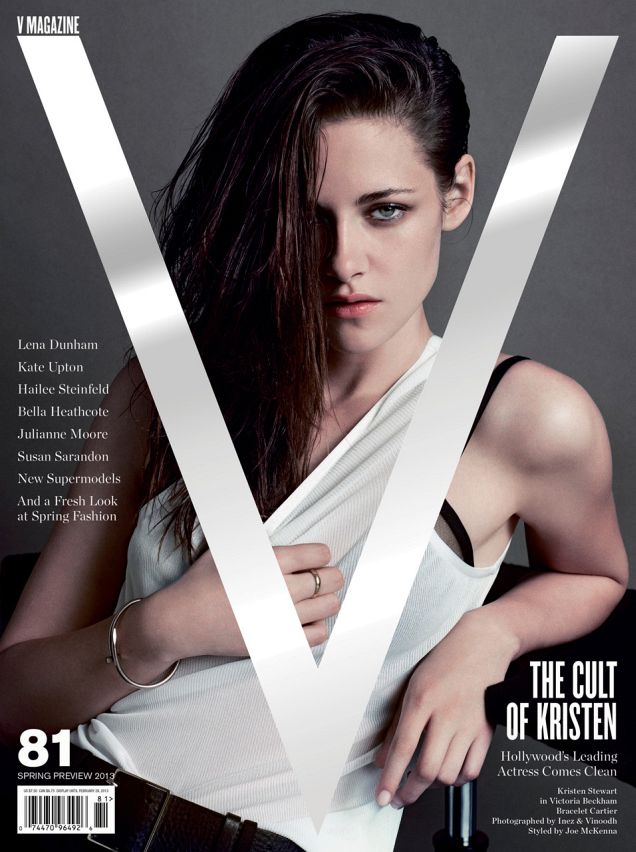
Kristen Stewart for V Magazine, Spring Preview 2013
V81’s Wild at Heart cover story—Kristen Stewart shot by Inez & Vinoodh, styled by Joe McKenna, in pale minimal spring glamour.