
Midnight Barcelona: Pau García Laita’s After-Hours City Film
Thirty-four cold nights and 20,000+ stills—Pau García Laita’s 2013 Midnight Barcelona turns fountains, underpasses, and neon into a sleepless futuristic mood piece.
After midnight Barcelona does not empty; it changes key. Shop shutters come down, terraces thin, and the remaining light gets choosier—neon in a side street, a fountain cycling colors on Montjuïc, office floors still awake for no good reason, underpasses along Passeig de Colom swallowing traffic into orange tunnels. Pau García Laita’s Midnight Barcelona, posted in 2013 and quickly marked a Vimeo Staff Pick, was built for that key change. More than 20,000 stills across 34 cold nights and roughly five months of work became a fast, modern, slightly futuristic night portrait—less postcard Mediterranean, more electric afterimage.
The mood is the point. Daytime Barcelona is famous for stone, sea, and Gaudí curves. Night Barcelona in Laita’s hands becomes circuitry and long exposure: light trails, saturated façades, motion that feels half-dream. Viewers were told to lean back and plan a vacation; fair enough. The better invitation is to sit in the dark with the city and notice how differently it breathes once the sun quits arguing.
Thirty-four nights as a method
Night work is a different craft from golden-hour tourism. Cold stiffens fingers and batteries. Crowds thin, which helps compositions and hurts safety planning. Exposures lengthen, so wind and foot traffic threaten sharpness. Laita has described the project as a personal attempt to learn time-lapse technique that grew into a full-scale city film. That origin shows. You can feel a filmmaker falling in love with what the intervalometer reveals after dinner: colors that daylight never permits, streets that suddenly look designed for cinema.
Kit notes circulating with the piece mention a Canon 550D and a pragmatic lens set—Sigma 10–20mm, a Canon 18–135mm, a Samyang 8mm fisheye, a nifty fifty. This is not an unreachable cinema package. It is a committed stills kit pushed into motion through patience. Wide and fisheye choices suit Barcelona’s tight Gothic lanes and sudden plaza openings; longer zooms isolate glowing signs and distant tower crowns. The gear list matters less than the schedule: thirty-four dedicated nights means accepting that many will be failures and going out anyway.
Five months of intense work also means editing as discovery. You do not know, on night three, which underpass will become a signature shot. You find it by returning. Homage to BCN and other local write-ups singled out the Magic Fountain sequences, office-building glow, and the Passeig de Colom underpass—moments where infrastructure becomes theater. Midnight cinema is often just infrastructure lit with enough care to look mythic.
Futurism without leaving the old city
Laita’s stated intention was a modern, futuristic portrait using long exposures and colorful images. Barcelona can support that without CGI. LED, sodium, fountain choreography, and wet pavement already remix the historic grid. Time-lapse simply stacks the remix until the city looks like it is thinking ahead of itself. The Gothic Quarter’s narrowness becomes light tunnels. Waterfront avenues become runway stripes. Montjuïc’s fountain turns into a pulsing instrument.
That futurism sits beside deep age, which is why the film feels specific rather than generic “night city.” You never fully escape stone texture, hill silhouette, or the sense that these streets have hosted centuries of evenings. The acceleration does not erase history; it puts neon on top of it. Many skyline reels could be any financial district. Midnight Barcelona keeps enough local furniture—fountain ritual, Mediterranean humid glow, particular underpass geometry—to stay named.
Color grading in this genre is storytelling. Cool shadows against warm shop light, magenta fountain washes against deep sky, the greenish cast of certain streetlamps—these are emotional cues. Push too far and you get sci-fi wallpaper. Hold the city’s real palette and you get mood: festive, lonely, glamorous, a little sleepless. Laita’s cut leans glamorous-sleepless, which matches how Barcelona nights actually feel to anyone who has walked home too late and loved it.
Sound as night weather
The widely paired track, “Starscapes” by The American Dollar, does what ambient-post-rock often does for city films: it refuses lyrics that would pin meaning too early. The images already speak in exposure and interval. A bed of sustained tone lets fountain pulses and traffic blooms act as percussion. Swap in a tourist anthem and the spell thins. Keep the suite abstract and midnight stays midnight.
Music also covers the odd truth of night time-lapse: much of the “action” is lights changing state rather than people performing. Without a score, long holds on façades can feel static. With the right score, a building exhaling office light becomes a scene. That is craft, not cheating—the same way a still photograph uses print contrast to guide the eye.
How to chase a city’s after-hours face
Pick a thesis hour. “Night” is vague; “after the terraces thin” is shootable. Scout in dusk, shoot in dark, leave before the city fully reboots into cleaning crews and delivery vans—or stay for that reboot if your thesis includes it. Barcelona’s nights have chapters; choose one.
Protect highlights on signs and fountains. Night cities lie to your meter. Expose for the brightest practical light you care about, then lift shadows later if needed. Bracket only if your interval workflow can absorb it without flicker nightmares. Keep a consistent white-balance strategy across a night so cuts do not scream.
Move between intimate streets and elevated overlooks. Pure overlooks lose the smell of the place; pure streets lose geography. Laita’s stronger remembered shots do both jobs across the runtime: you know where you are, and you feel close enough to hear heels on stone even when you cannot.
Work cold nights like a professional. Spare batteries in an inside pocket. Lens cloths for sea air. A friend or a plan for getting gear home. Romantic mood on screen is often just logistics that refused to quit.
On a clear night along Passeig de Colom, traffic still threads the underpass and the waterfront air carries salt and scooter noise. Pause there without a camera and you can almost see Laita’s intervals stacking themselves—one more passerby, one more taillight, one more shift in the fountain’s remote color brain. Midnight Barcelona does not invent that hour. It simply refuses to let it stay invisible.

Comments
Continue reading

Funny Animal Signs That Warn People (While Animals Ignore Them)
From a seagull on a no-birds disc to classic zoo and park ironies—why animal warning signs get funny, and what the rules are still for.
How to Find Local Amenities on Vacation: Mechanics, Haircuts & More
Locate trustworthy local services and everyday spots while traveling or settling in—using publications, reviews, map apps, neighbor tips, and low-pressure exploration.
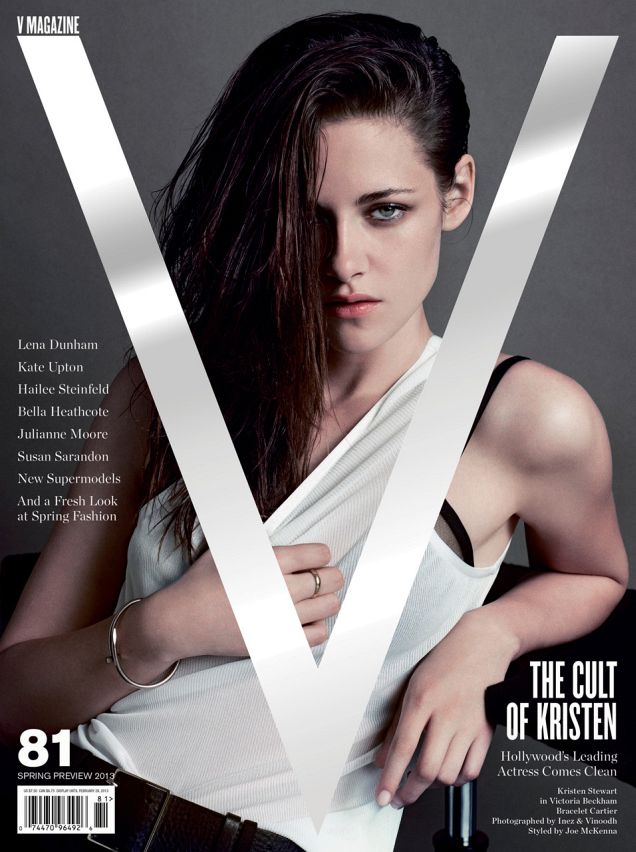
Kristen Stewart for V Magazine, Spring Preview 2013
V81’s Wild at Heart cover story—Kristen Stewart shot by Inez & Vinoodh, styled by Joe McKenna, in pale minimal spring glamour.