
Plant Baskets: A Practical Container Guide
How to choose and use plant baskets—materials, sizing, liners, watering, and styling—without affiliate rankings or brand scorecards.
A plant basket is more than a place to hide a plastic nursery pot. Chosen well, it finishes a room the way a lampshade finishes a bulb: same plant, clearer intention. Chosen poorly, it stains, tips, or forces roots into a shape they cannot forgive. This guide focuses on how baskets work as containers and display—materials, sizing, watering reality, and styling—so you can pick and use one without a ranked shopping list of brands.
Think of the basket as a sleeve. The plant still needs a waterproof inner pot or liner. The sleeve handles looks, lift points, and how the green reads against your floor, shelf, or windowsill.
Why baskets belong in indoor gardens
Hard ceramic cachepots are permanent and heavy. Baskets are lighter, warmer in texture, and easier to swap when seasons or moods change. Natural fibers—jute, seagrass, rattan, cotton rope—soften modern rooms that would otherwise look like a showroom of glazed cylinders. They also photograph and gift well: a plant already dressed feels finished.
Baskets earn their keep in three common situations. First, tall floor plants that need visual weight at the base without a bulky ceramic. Second, medium shelf plants that look unfinished in thin black nursery pots. Third, hanging or wall displays where rope, twine, or ceramic cups turn vertical space into a small garden. In each case, the basket is architecture for foliage.
Materials and what they actually do
Seagrass and rattan. These read natural and beach-house calm. They often arrive slightly green or pale and deepen with age and light. They look generous around broad-leaf plants—Chinese evergreen, cast-iron plant, bird of paradise when young—but they are not structural steel. Treat them as decorative shells: keep the wet pot inside a liner, and do not yank them across floors by one handle if the weave feels soft.
Jute and rope. Rope baskets often include handles and can fold flat when empty, which matters in small apartments. The texture pairs well with architectural plants—snake plant, aloe, spiky succulents—because the fiber’s irregularity contrasts with clean leaf lines. Watch for dye smell when new; air them out. Keep moisture off the fiber whenever you can.
Cotton rope. Soft, washable in many cases, and friendly to kids’ rooms or beach-house whites. Cotton can slump if overloaded or soaked. Use it where you can lift the inner pot out to water in a sink, then return the plant only after dripping stops.
Ceramic hanging cups with twine. These behave more like wall planters than baskets, but they serve the same display urge: get plants off the floor. No drain hole means you water lightly and choose plants that forgive occasional dryness—small succulents, or short-term herb displays you monitor closely. Scratches in glaze are cosmetic; waterlogging is not.
Plastic and resin “basket look” options exist too. They survive outdoor porches better than untreated fiber, but they rarely have the same tactile charm indoors. If you need weather resistance, prioritize function and use natural fiber where the climate is controlled.
Size: match the pot, not the wish
Measure the nursery pot’s diameter and height, then choose a basket that accepts that pot with a little breathing room—usually a half inch to an inch of play so you can lift it out. Too tight and you crack the weave or scrape leaves every time you water. Too loose and the pot rattles, tips, or looks like a hat on a child.
Height matters for proportions. A short basket under a tall fiddle-leaf fig can look elegant if the basket is wide enough to ground the trunk. A tall basket around a tiny succulent looks like a plant fell down a well. As a rough visual rule, the basket’s visible band should feel like a shoe for the plant’s “leg,” not a barrel that swallows the foliage.
For hanging sets, think in multiples. Three small cups at staggered heights read as a composition. One lonely cup high on a wall can look like an afterthought unless the plant is dramatic enough to carry the blank space.
Water, liners, and the life of the fiber
Natural baskets and standing water are enemies. Always use one of these setups:
- Keep the plant in its plastic nursery pot and set that pot inside the basket on a saucer.
- Or slip a rigid cachepot or waterproof liner into the basket, then set the grow pot inside that.
- If you plant directly into a lined basket, puncture drainage in the liner, elevate the root ball slightly on gravel or packing peanuts so water can pool below roots, and accept that you are managing a more fragile system.
Water in a sink or tub when possible: lift the inner pot out, soak, drain thoroughly, wipe the pot dry, then return it. Weekly check-ins help—pull the plant, feel whether the basket bottom is damp, and let fiber dry completely. A saucer that matches the basket’s footprint saves floors and friendships.
Never cram a root-bound pot into a smaller basket “to look tidy.” You will bruise roots and distort the weave. Upsize the basket or root-prune and repot properly instead.
Styling without turning the room into a nursery aisle
One job per corner usually looks better than five competing baskets. Let the plant be the color; let the basket be the texture. Seagrass beside white walls and pale wood feels calm. Dark rope beside walnut furniture feels grounded. Patterned or gingham weaves can echo textiles—throws, rugs—so the plant seems intentional rather than temporary.
Seasonal swaps are easy precisely because baskets are sleeves. A poinsettia in winter, a flamingo flower in spring, a leafy tropical in summer can share one handsome outer basket if the inner pots fit. That flexibility is the real upgrade over buying a new ceramic every holiday.
For gifts, pair a resilient plant with a basket that already looks finished: snake plant, ZZ plant (Zanzibar gem), pothos, spider plant, or a compact peace lily if the recipient has bright, indirect light. Include a note about the liner and watering, because many plant deaths begin with a decorative basket used as a sealed bowl.
Plants that behave well in basket displays
Easy foliage that tolerates indoor life pairs best with fiber sleeves:
- Snake plant — vertical lines, low water drama, strong silhouette in rope or seagrass.
- ZZ plant — glossy leaflets, slow growth, forgiving if you miss a week.
- Pothos / devil’s ivy — trails over basket rims; hard to kill; good for shelves.
- Spider plant — arching leaves and plantlets; fine in hanging contexts if watered thoughtfully.
- Chinese evergreen — patterned leaves; prefers stable moisture without soggy fiber.
- Peace lily — statement leaves; needs consistent water and a truly dry-ready liner routine.
- Jade and small succulents — better in ceramic hangers or shallow baskets you water sparingly.
- African violets — windowsill scale; choose a basket that does not dwarf the bloom.
Skip the fantasy of stuffing a huge fiddle-leaf into a floppy cotton bin “because it looked good online.” Structure first, then romance.
A practical checklist before you buy
- What pot diameter and height must fit today—and in six months if the plant grows?
- Will you water in place or lift the pot out every time?
- Is the basket fiber, washable cotton, ceramic, or outdoor-safe resin?
- Do you need handles for moving heavy plants toward better light?
- Does the texture match the room, or only match a trend photo?
- Do you have a saucer and liner plan before the plant comes home?
If you can answer those without guessing, you do not need a top-five medal chart. You need a basket that fits the pot, respects water, and makes the plant look like it belongs where you put it. Start there, keep the fiber dry, and let the leaves do the rest.

Comments
Continue reading
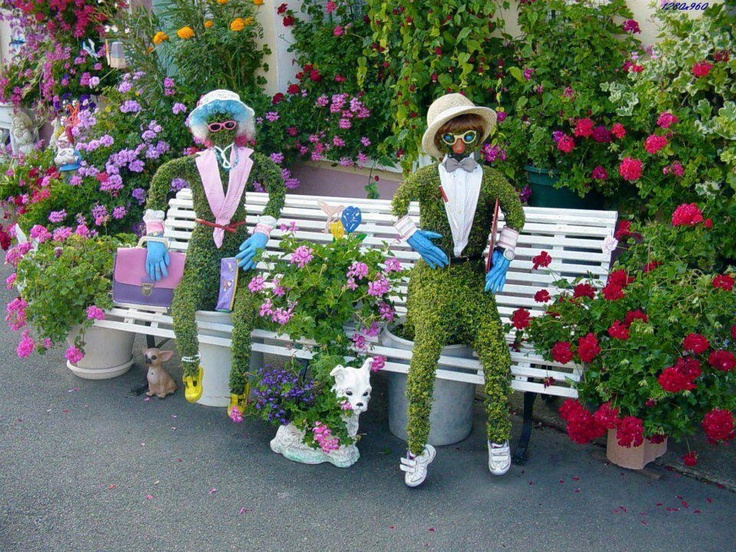
Garden Decoration Beyond Beds: Lace, Mosaiculture, and Upcycled Yard Art
From dressed topiary and floral cyclists to license-plate dragonflies and lace between trees—garden decorations that give a yard a voice.
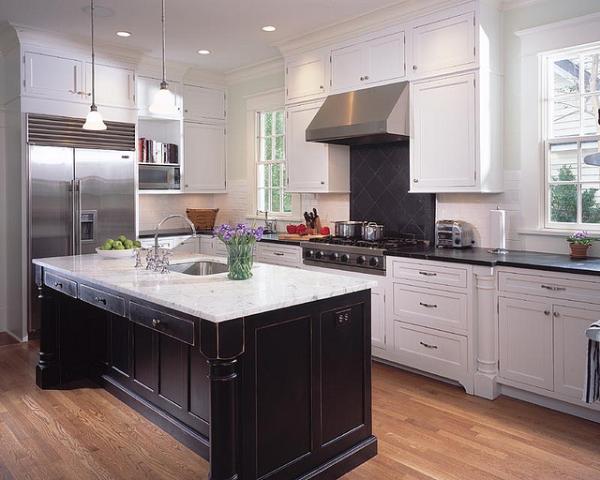
Kitchen Design Ideas: Layout, Storage, Light, and Finishes That Work
Practical kitchen design ideas—work zones, cabinetry, lighting, and durable finishes—so inspiration translates into rooms that cook and gather well.
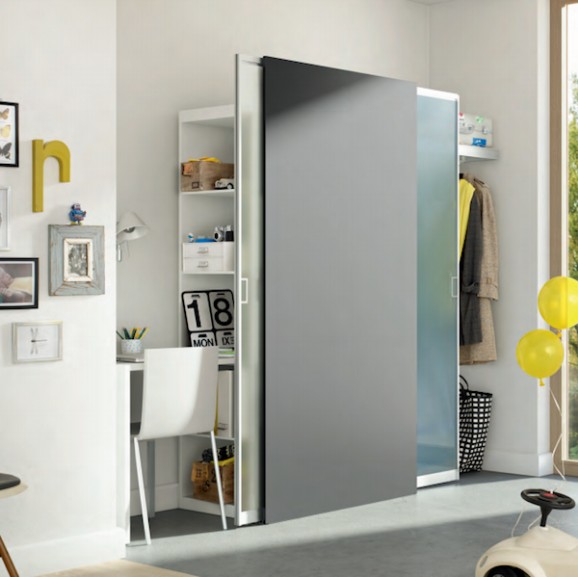
25 Cool Room Partition Ideas That Actually Divide Space
From frosted sliders and pallet screens to book towers and branch walls—twenty-five ways to carve rooms without building solid walls.