
How a Pool Can Help or Hurt Property Value
A grounded look at swimming pools and real estate: climate, buyer taste, costs, insurance, and questions to ask—without invented ROI guarantees.
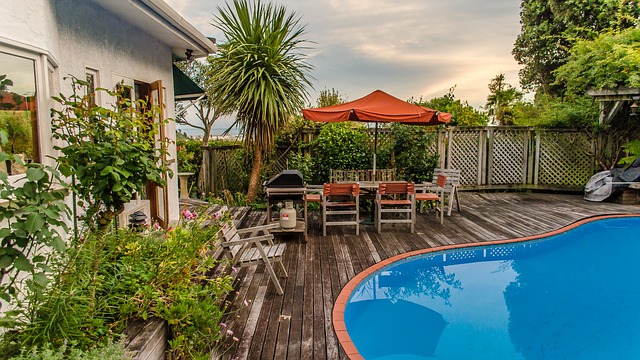
A swimming pool can make a backyard feel like a private resort—or like a second job you did not apply for. Whether it helps or hurts property value depends less on the sparkle of the water and more on climate, local buyer taste, maintenance reality, and how the pool sits in the overall outdoor living plan. There is no universal premium and no guaranteed appreciation path. There is a set of practical questions worth asking before you dig, buy, or list.
Think of a pool as a location-sensitive amenity. In a hot, sunny market with long swim seasons, many buyers treat water as lifestyle infrastructure. In a short-season or cold climate, the same hole in the ground can look like liability, insurance paperwork, and a fence you must maintain. A classic exaggeration makes the point: a pool in a place where outdoor swimming is rare will not behave like a pool in a desert suburb. Always check with a local real-estate agent who sells your specific neighborhood—not a national headline.
When a pool tends to support value
Climate and use days. More reliable warm weather usually means more people can picture themselves using the pool. That does not invent a fixed dollar bump; it widens the share of buyers who will count the feature as a plus instead of a shrug.
Neighborhood norms. If comparable homes nearby already have pools, buyers may expect water. If almost nobody has one, you may be solving a problem only you have—or creating a feature that feels out of step with the street.
Design that reads as outdoor living. A pool that connects to a deck, shade, and a simple dining or lounge zone often photographs and shows better than an isolated rectangle with no place to sit. The image above is a useful mental model: water plus deck plus table under an umbrella reads as a usable room, not only a tank.
Long personal use horizon. If you plan to enjoy the pool for many years, the lifestyle return can matter more than resale math. That is a living decision, not an investment slogan. Enjoyment is real; it is just not the same thing as a promised market gain.
Quality and presentation. Clean water, intact coping, working equipment, and safe fencing help a pool show as cared-for. Neglected plaster, green water, or broken pumps teach buyers to subtract repair risk from their offer—sometimes harshly.
When a pool can drag on value or marketability
You rarely recover install cost dollar-for-dollar. Building a pool is a lifestyle spend. Listing higher by the full construction invoice is not how most markets work. Appraisers and buyers look at comps, condition, and demand—not your contractor’s final bill. Exact outcomes vary by area and timing; treat any viral “pools always add X%” claim with skepticism.
Smaller buyer pool (ironically). Some households do not want maintenance, chemical routines, or child-safety stress. Others dislike the look. A feature that delights one family can remove another from your showing list.
Insurance and liability framing. Insurers often treat pools as higher risk—sometimes discussed under “attractive nuisance” ideas around children and unauthorized access. Premiums and requirements differ by carrier and property. Budget time to ask your insurer concrete questions before you assume numbers from a blog.
Taxes and carrying costs. In many places, assessed value can rise after a major outdoor improvement, which may mean higher property taxes. Utilities, chemicals, cleaning, repairs, and seasonal opening/closing add annual cost even when the market is friendly.
Yard trade-offs. A pool consumes flat usable lawn. Families who want play space, gardens, or pets may see the trade as a loss. Lot size and layout matter as much as the water itself.
Buyer’s view: house with a pool vs without
If you are shopping, do not only ask “is a pool good?” Ask:
- How many months will we realistically swim here?
- What do recent nearby sales suggest about pool vs non-pool homes? (Your agent should pull comps, not guess.)
- What is the equipment age—pump, filter, heater, salt system or chlorinator?
- Are barrier fences, gates, and alarms up to local code?
- Does the inspection include a specialist pool inspection?
- Can we afford maintenance if we will not do the work ourselves?
A beautiful listing photo can hide a resurfacing need. Price negotiations often turn on condition more than on the mere presence of water.
Seller’s view: how to present water without overclaiming
If you already own a pool and plan to sell:
- Service it early so showings look intentional.
- Document recent equipment work with receipts when you have them.
- Stage the deck as living space—seating, shade, clear walkways—so buyers imagine weekends, not chores.
- Be ready for buyers who want a credit for updates; that is negotiation, not insult.
- Avoid advertising invented ROI. “Well maintained, recently serviced, great for summer entertaining” is more credible than “adds $40,000 automatically.”
Pricing should follow local comparables. Your attachment to summer evenings is understandable; the market still sets the range.
Climate, culture, and honesty about “lavish”
Pools can look luxurious in marketing copy. On the ground, luxury is relative. In some Sun Belt suburbs a pool is almost table stakes. In cooler or denser cities it may read as niche. Tourism-heavy or vacation-rental areas may value water differently than primary-residence streets with short summers. Culture matters too: communities that socialize outdoors will weigh the amenity differently from communities that do not.
Indoor pools and shared community pools change the equation again. An indoor build can expand use days and also expand cost and humidity management. A neighborhood pool amenity can satisfy swim desire without putting equipment risk on one parcel. Neither is automatically better for resale everywhere; both are context calls.
A decision frame that stays grounded
Use three columns on a single page:
- Lifestyle. Will your household use this enough to justify the weekly attention?
- Carrying cost. Insurance, tax tendency, utilities, service, repairs—rough ranges from local pros, not national myths.
- Exit. When you sell, is your micro-market generally friendly, neutral, or cool toward pools?
If lifestyle is a strong yes and exit looks friendly, a pool can be a coherent choice. If lifestyle is weak and exit looks cool, you may be happier with a great patio and a gym membership. If the answers conflict, talk to a local agent and, for new builds, a reputable pool contractor about design choices that age well (simple shapes, durable finishes, sensible equipment access).
Before you sign a build contract or stretch a budget for the listing with the kidney-shaped lagoon, walk two nearby open houses—one with a pool, one without—and notice which backyard you mentally edit into your life. That quiet preference, checked against local comps, is a better guide than any promised windfall.

Comments
Continue reading

Funny Animal Signs That Warn People (While Animals Ignore Them)
From a seagull on a no-birds disc to classic zoo and park ironies—why animal warning signs get funny, and what the rules are still for.

How to Find Local Amenities on Vacation: Mechanics, Haircuts & More
Locate trustworthy local services and everyday spots while traveling or settling in—using publications, reviews, map apps, neighbor tips, and low-pressure exploration.

Kristen Stewart for V Magazine, Spring Preview 2013
V81’s Wild at Heart cover story—Kristen Stewart shot by Inez & Vinoodh, styled by Joe McKenna, in pale minimal spring glamour.