
Free Your Soul Weekend: An Experiential Escape in 48 Hours
From train windows and coastal overlooks to golden-hour rooftops and easy nights with good company—how to shape a short trip around motion, presence, and Bukowski’s free-soul test.
The free soul is rare, but you know it when you see it – basically because you feel good, very good, when you are near or with them. Charles Bukowski – Tales of Ordinary Madness
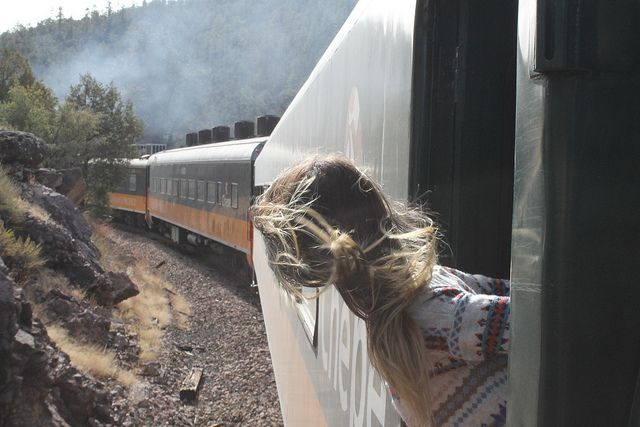
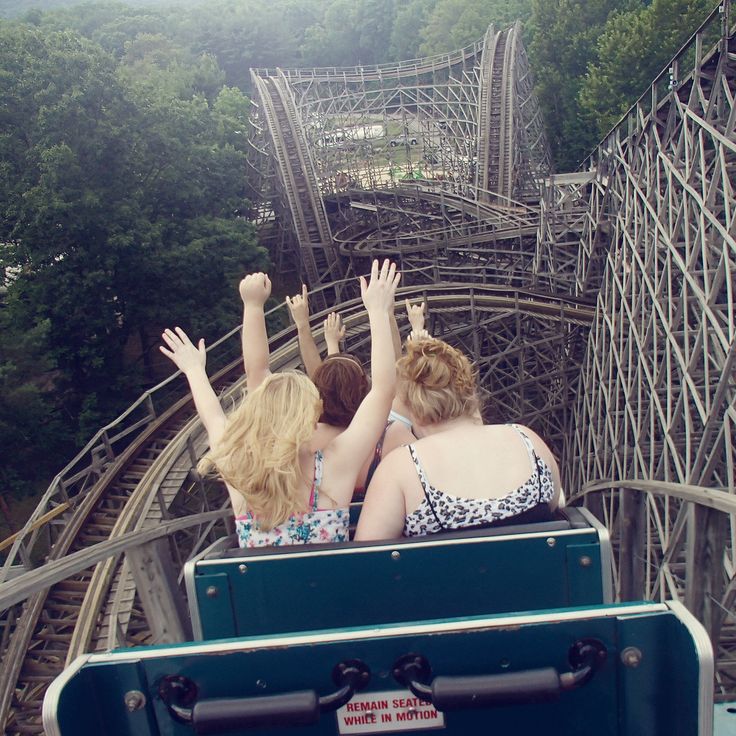
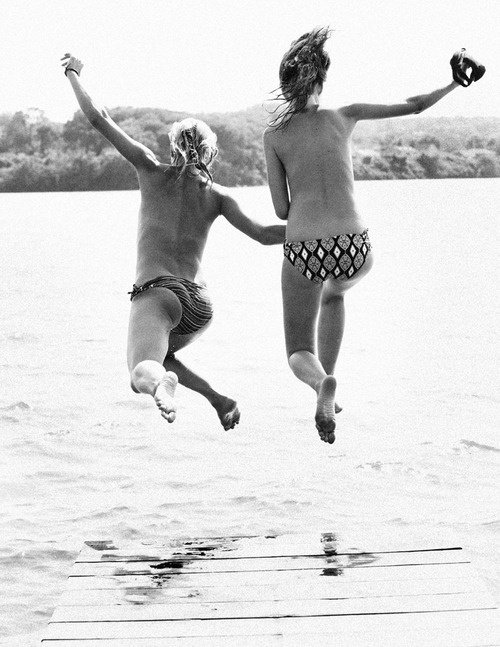
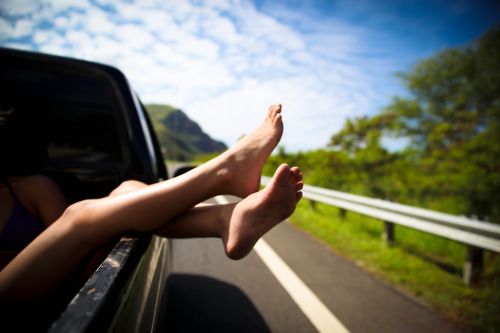
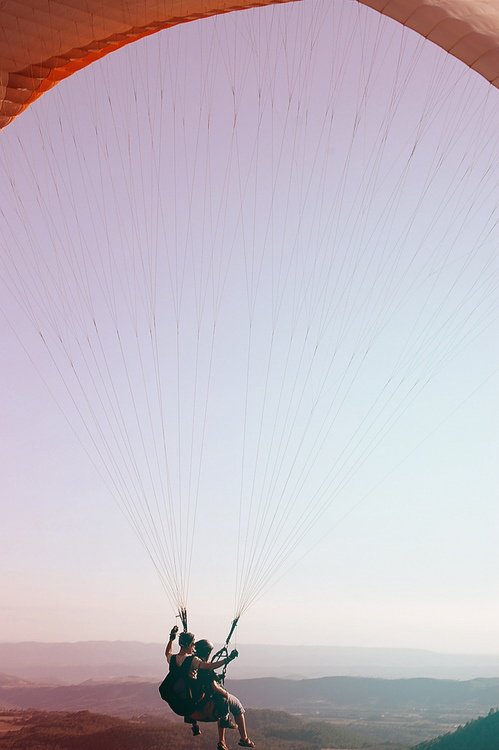
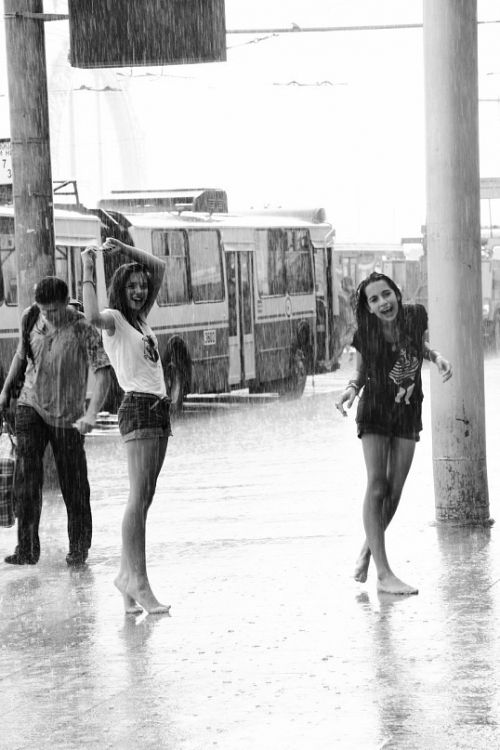
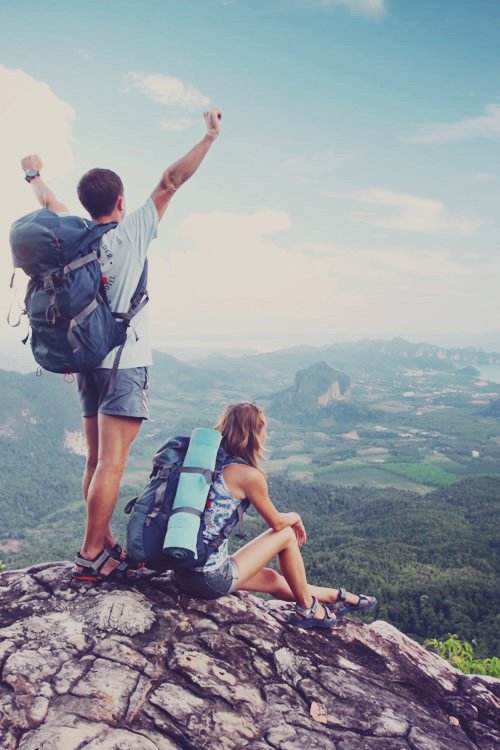
A free-your-soul weekend is not a branded retreat or a checklist of “must-see” pins. It is forty-eight hours arranged so your body remembers openness: wind off a train window in mountain country, arms wide on a coastal rock, a long golden-hour pause on a rooftop, a night spent laughing with someone who makes the room feel lighter. The photographs collected on this page chase that feeling—travel as release, friendship as weather, landscape as permission.
You do not need a remote island to try it. You need a few deliberate choices, one scenic transit leg, and the willingness to leave ordinary obligations slightly underfed until Monday.
Begin with motion, not a museum itinerary
The weekend starts when travel becomes sensation instead of logistics. A rail journey curving through hills, a coastal road with the window down, a ferry deck in cold air—any of these can reset the nervous system faster than a packed cultural plan. Choose one transit segment that is scenic on purpose. Sit by the glass. Put the phone face down for part of the ride. Watch landscape arrive in continuous frames rather than as a sequence of destination photos.
If you fly, reclaim the first hours on the ground as an arrival ritual. Drop bags. Walk without navigating to a ranked attraction. Eat something simple outdoors. Feel located before you feel productive. Many trips fail the soul test because they treat arrival as wasted time between airports and tickets. Arrival is the first medicine.
Motion also sets a tempo for the rest of the weekend. After a train or a long coastal drive, you are more likely to accept unhurried walks and less likely to punish yourself for skipping a minor attraction. That shift—from maximizing to inhabiting—is the real beginning.
Seek high places and quiet edges
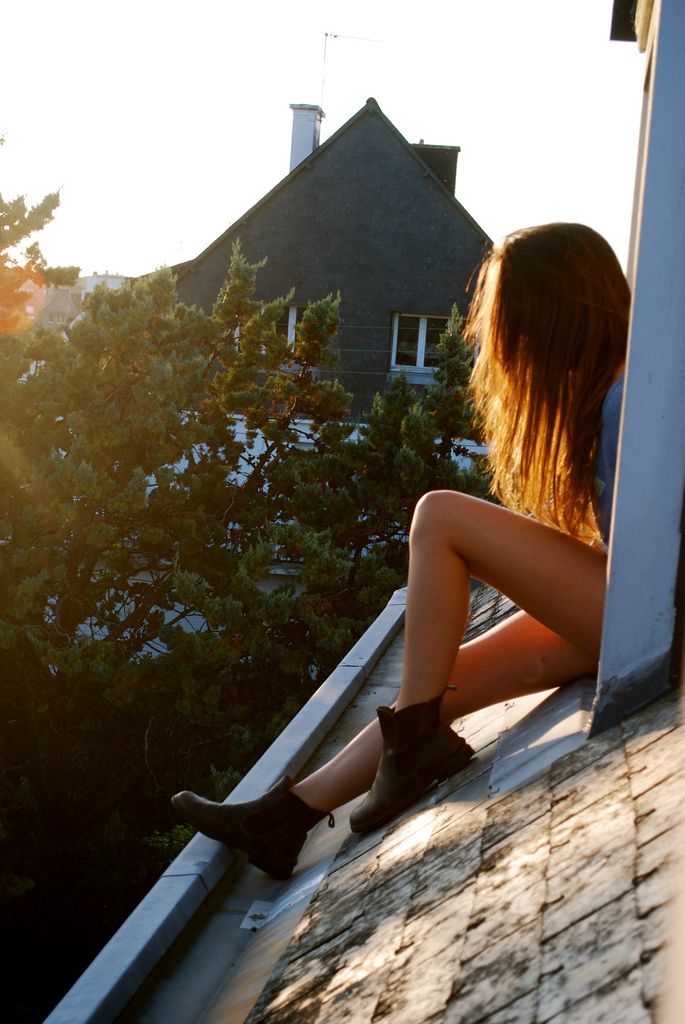
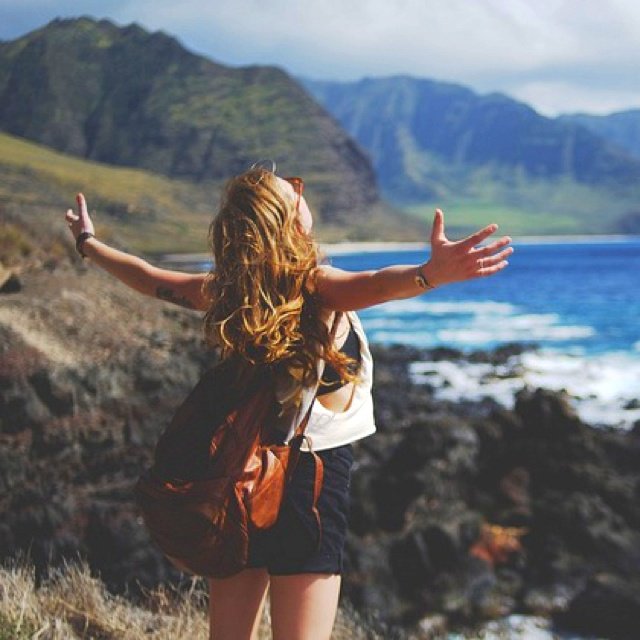
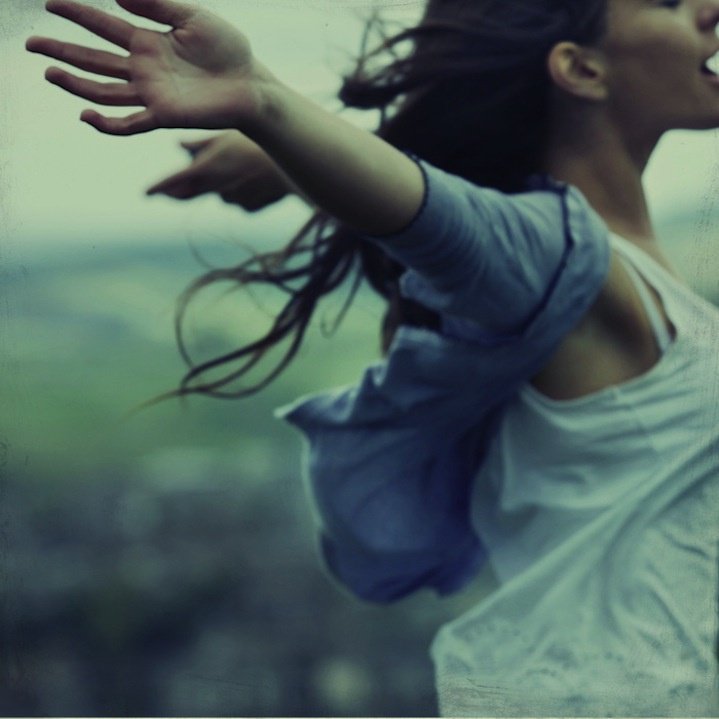
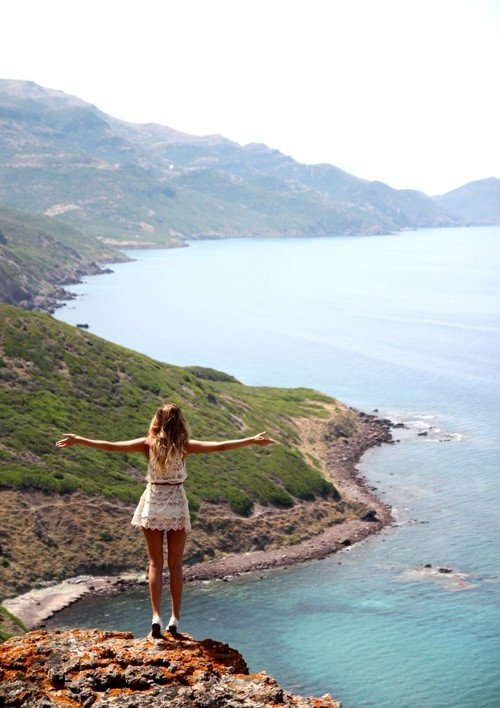
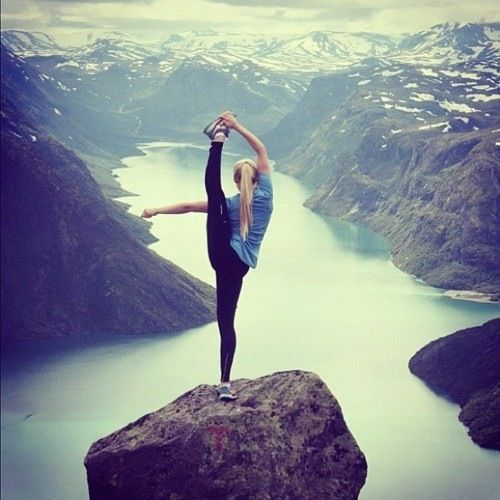
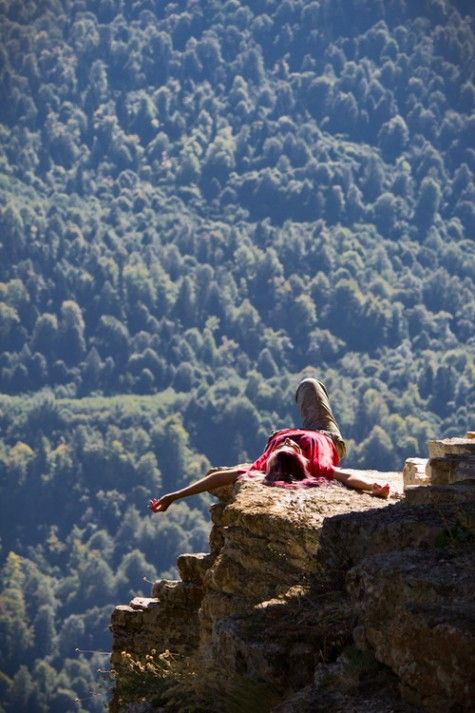
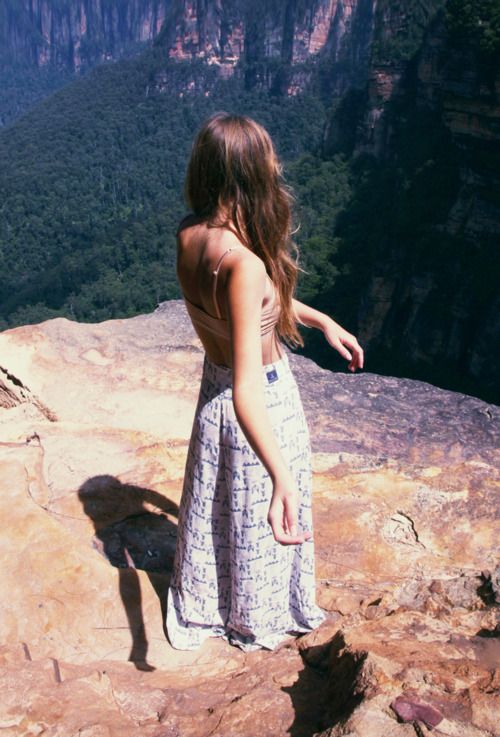
Freeing the soul often looks like changing altitude or standing at an edge. A rooftop at sunset, a cliff path above turquoise water, a hill that turns a town into a model set—these vantage points shrink the week you left behind. Schedule one elevated or coastal walk when light is kind: early morning or late afternoon. Go without a performance agenda. Stretch your arms if the place invites it. Stay long enough for the first rush of photographs to fade so you can actually see the water, the weather, and your own breathing.
Edges teach scale. From a cliff you feel small in a useful way; from a rooftop you feel temporarily outside the street-level hurry. Neither feeling requires a lecture. They arrive through eyes and wind. Build the weekend so at least one of those encounters is protected on the calendar the way a dinner reservation would be.
Safety remains part of freedom. Respect cliff edges, tides, weather windows, and local guidance. Presence is the goal, not a dare for the camera.

Keep company that feels like good weather
Bukowski’s line is useful travel advice: free souls are recognizable because proximity feels good. For a weekend, that might mean one friend who walks at your pace, a small group that laughs easily, or intentional solitude if silence is what frees you. Decline the companion who turns every vista into content strategy or competitive itinerary scoring. Protect the mood as carefully as you protect a train ticket.
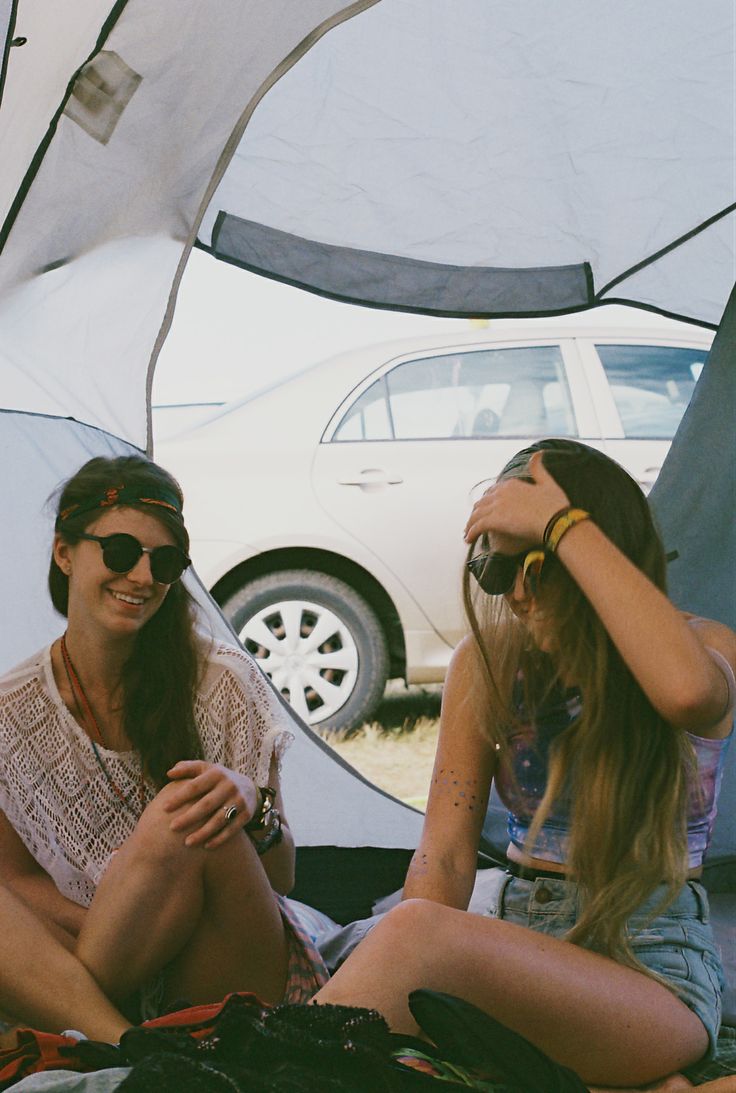
Nights can be social without becoming compulsory nightlife. A low-lit room, shared drinks, playful face paint, a couch corner where conversation runs longer than the playlist—these are soul fuel too. Candid flash photos of friends leaning together catch something daylight hikes cannot: belonging as electricity. If your weekend is solo, borrow the same principle from places and hosts—stay where kindness is ordinary, eat where the room feels human, leave spaces that drain you.
Test invitations with a simple question: will I feel better after two hours with this person or plan? If the honest answer is no, the free-soul weekend has already given you its first useful refusal.


Dress and pack for weather, water, and sudden yes
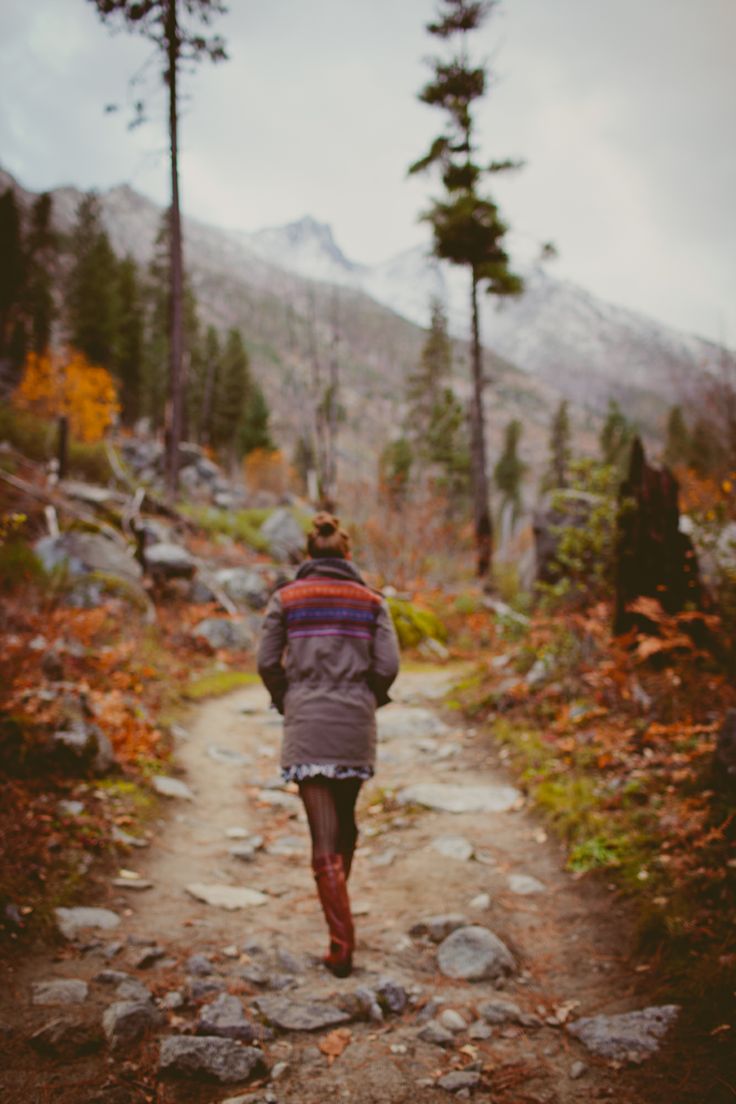
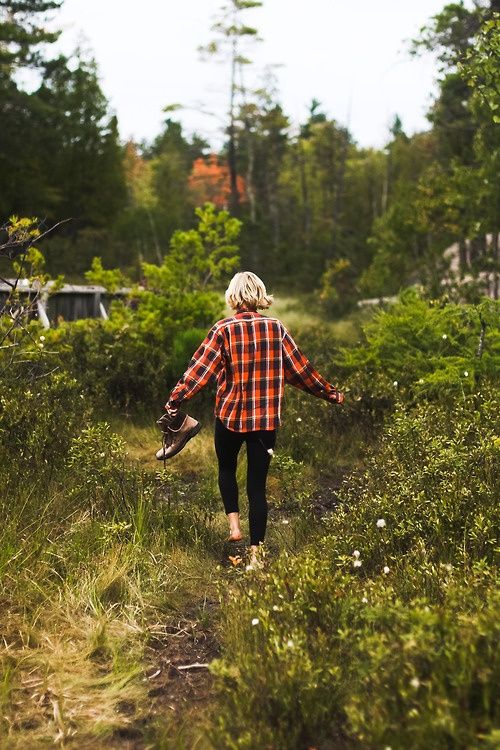
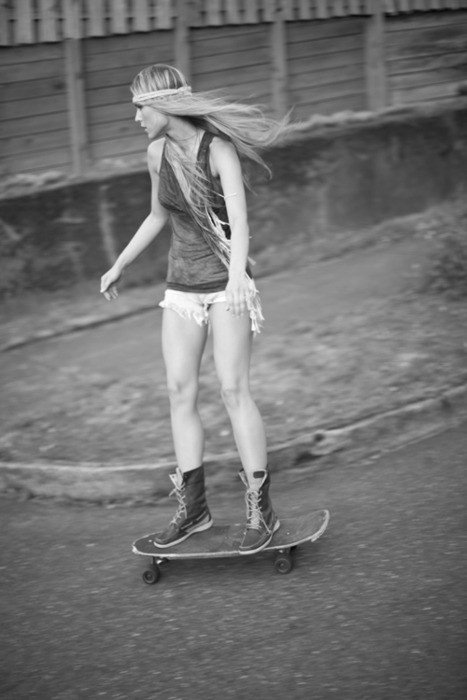
Experiential weekends favor clothes that survive wind, salt, and changed plans: a worn leather backpack, boots that grip rock, a light dress that packs small, layers you can peel when sun arrives. Packing light is not aesthetic purity; it is fewer decisions between you and the next shoreline.
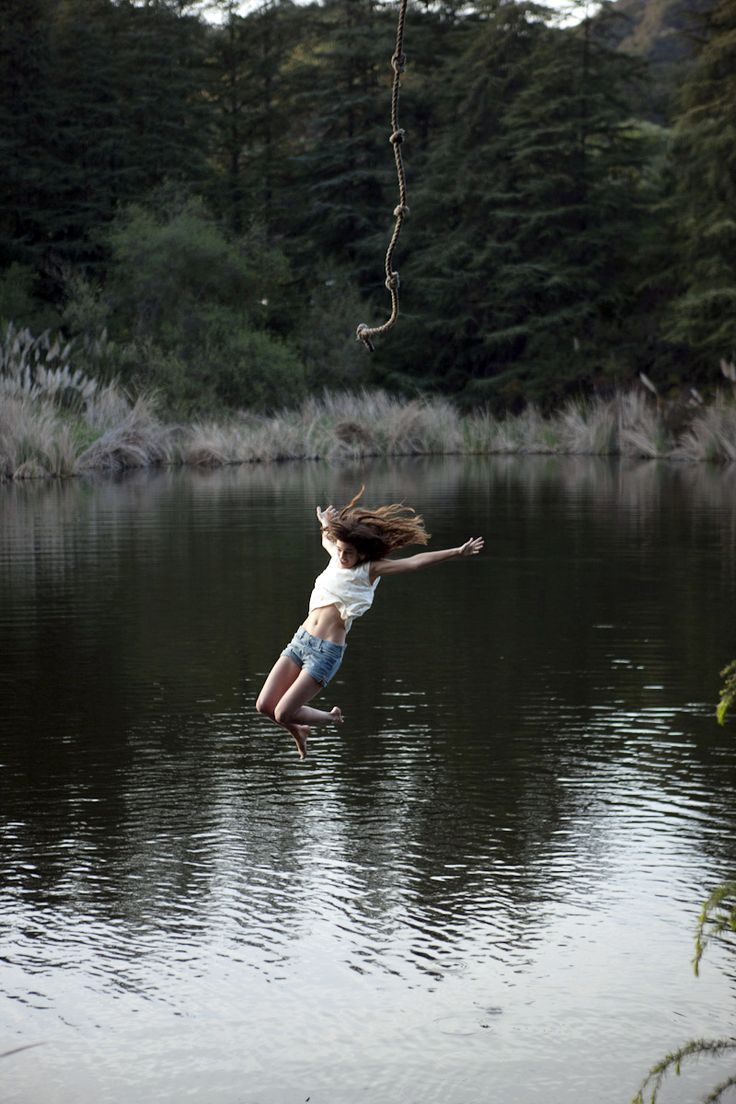
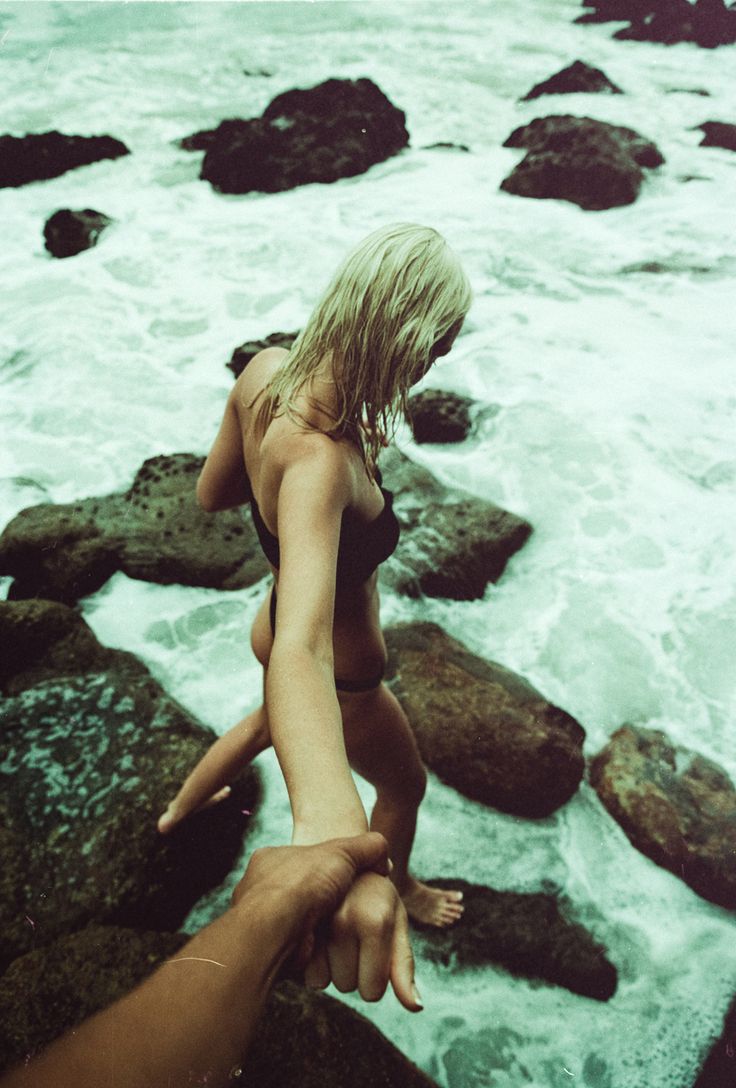
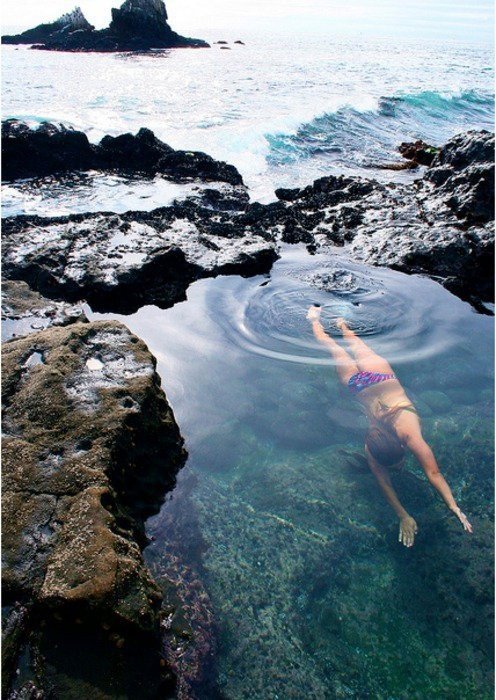
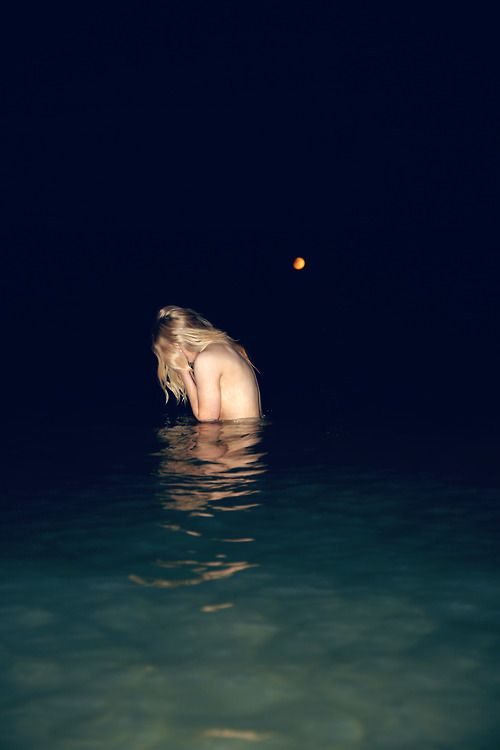
Swim if the place allows it. Stand in tide pools. Let hair tangle. The images in this set return again and again to bodies at ease in landscape—not posed for perfection, but oriented toward horizon lines and open water. That ease is practiced. It comes from choosing shoes you can walk in for hours and leaving the outfit that only works indoors.
Bring a small kit that removes friction: sunscreen, a refillable bottle, a light rain layer, offline maps, cash for a roadside stop. Friction is how ordinary errands invade a free weekend. Remove three frictions in advance and you buy hours of attention.
Leave half a day unscripted on purpose
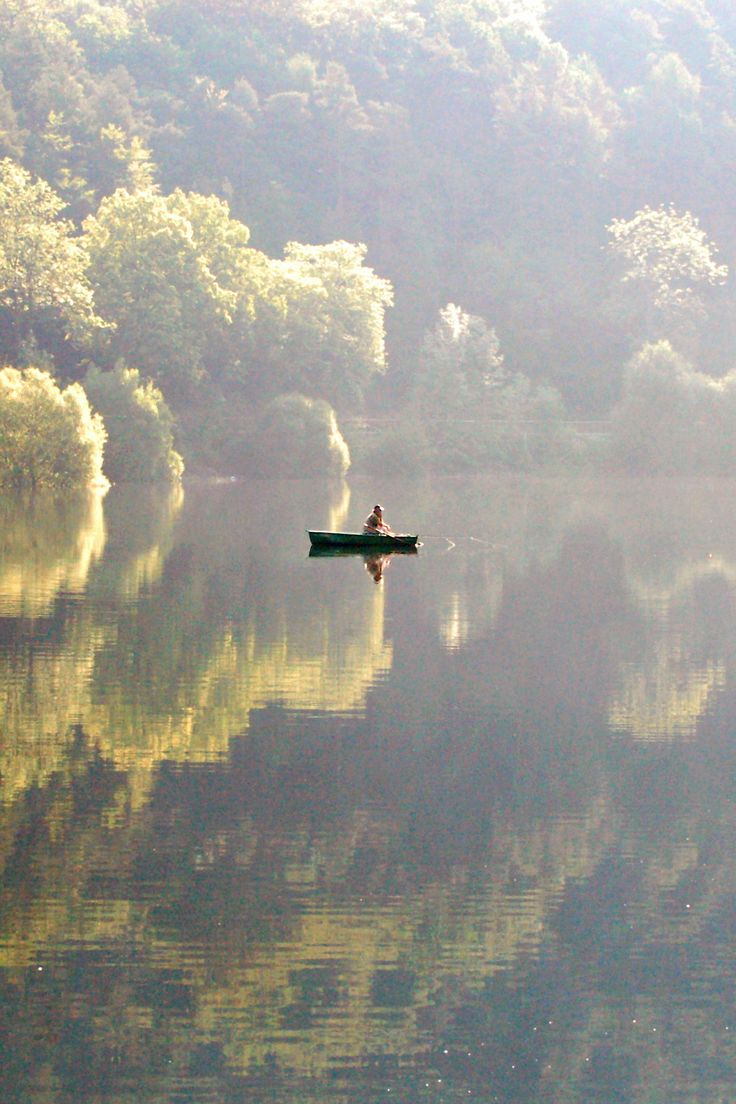
Overplanning is how a free weekend becomes another job. Anchor the trip with two or three non-negotiables—a train ride, a coastal walk, a dinner with people you love—then protect empty hours. Empty is where detours live: a side road, a long shower after salt air, a nap that repairs more than any attraction, a conversation that runs past the reservation time.
Use a simple experiential filter when choosing extras:
- Will this make my body feel different—wind, water, climb, dance, cold air?
- Will this deepen connection with a person or a place?
- Will I remember the feeling, not only the proof I was there?
If an activity fails all three, skip it without apology. The weekend is short. Every forced stop steals oxygen from the stops that matter.
Collect textures, not trophies
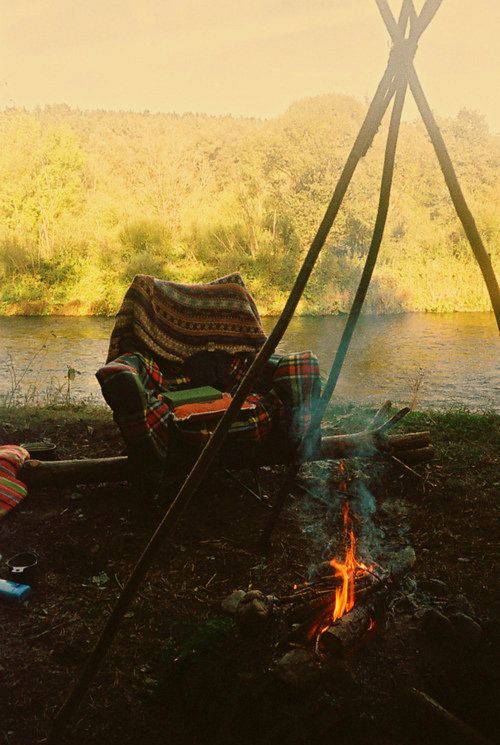
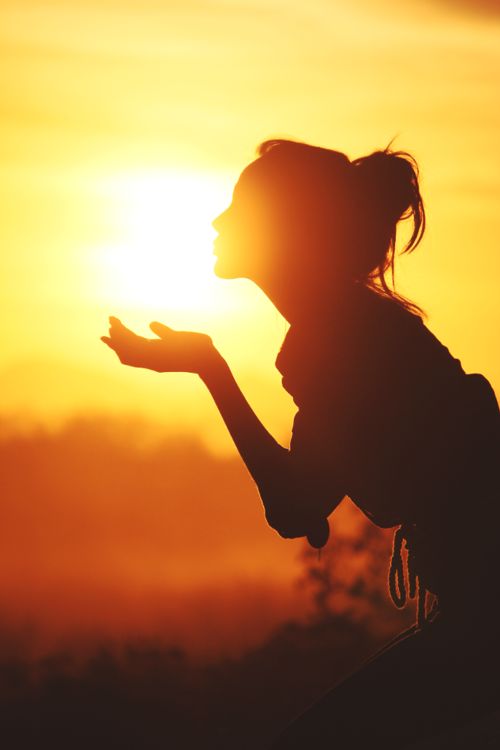
A soul-freeing weekend gathers sensory fragments: salt on skin, train-metal vibration, rooftop shingles warm under bare legs, the flash of a night out, the hush after laughing. Photograph them if you want—these frames were made for that instinct—but also write three lines about what felt rare. Bukowski’s measure still applies: you know the free soul by how good it feels to be near. Apply that test to places and habits too. Keep what feels good. Release what only looks good in someone else’s highlight reel.
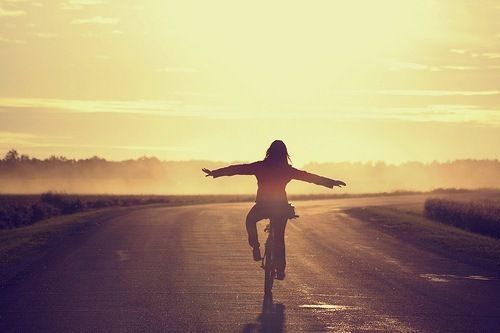
Trophies are countable. Textures are reusable. A particular quality of late light, a joke that still works on the ride home, the memory of standing with arms open above water—these return to you later at a desk or on a crowded commute. Design the weekend to manufacture textures.




Carry one portable piece into the ordinary week
When Monday returns, keep a single portable fragment of the weekend: a slower morning, a walk without headphones, a text to the person who felt like good weather, a standing date with open sky once a week. You cannot live permanently on cliff edges. You can refuse to forget what the edges taught.
The free soul is rare. A free weekend is how you practice recognizing it—in others, in places, and briefly in yourself—then leaving a breadcrumb trail back to that recognition when the calendar fills again.

Comments
Continue reading
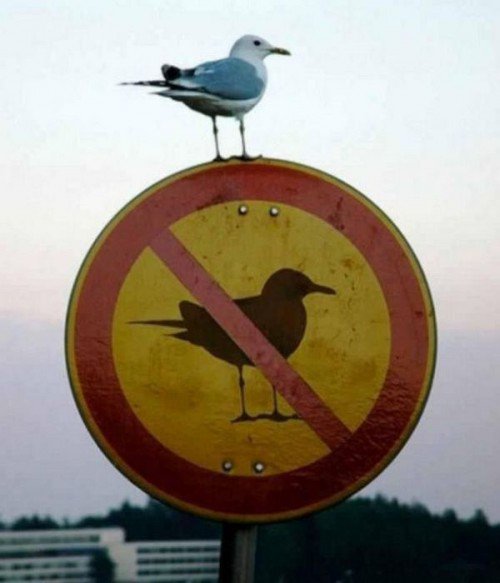
Funny Animal Signs That Warn People (While Animals Ignore Them)
From a seagull on a no-birds disc to classic zoo and park ironies—why animal warning signs get funny, and what the rules are still for.
How to Find Local Amenities on Vacation: Mechanics, Haircuts & More
Locate trustworthy local services and everyday spots while traveling or settling in—using publications, reviews, map apps, neighbor tips, and low-pressure exploration.

Kristen Stewart for V Magazine, Spring Preview 2013
V81’s Wild at Heart cover story—Kristen Stewart shot by Inez & Vinoodh, styled by Joe McKenna, in pale minimal spring glamour.