
The Female Back
When the backless dress leads, fashion photography often follows—a look at editorial frames that treat the open back as silhouette, structure, and light.
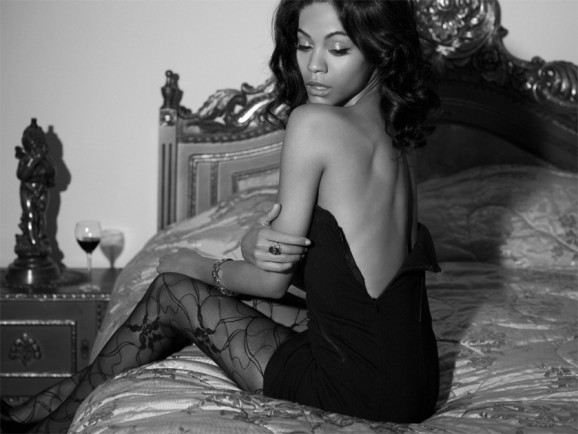
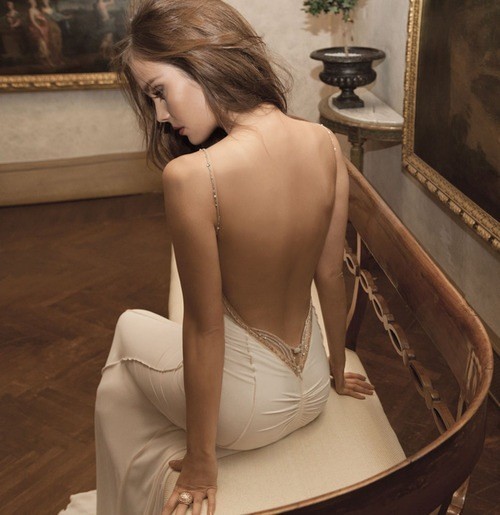
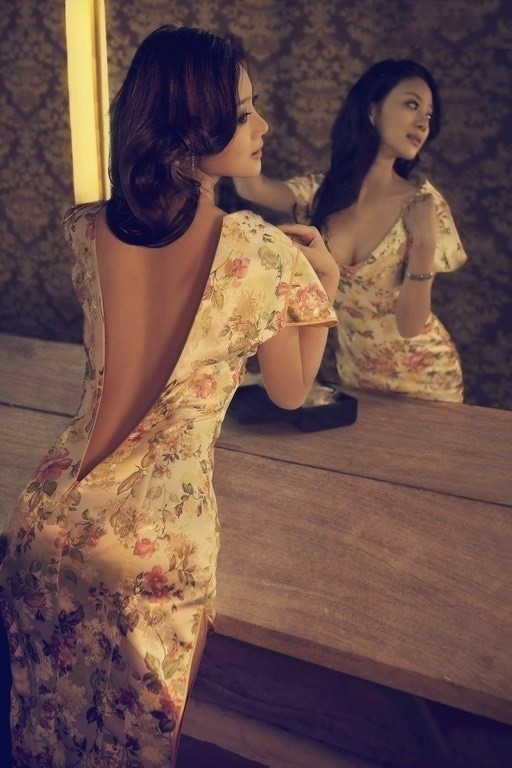
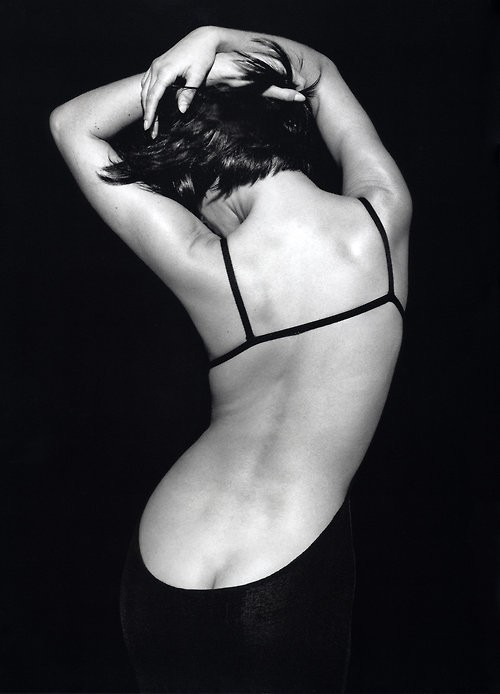
Fashion has seasons for hems, heels, and hair. It also has seasons for what it chooses to reveal. When the backless dress cycles back into view—open spine, thin straps, a neckline that happens behind you—photographers and stylists follow the fabric’s logic. The face can wait. The back becomes the headline: scapulae under light, the long vertical of the spine, the architecture of a garment that only finishes its sentence when the model turns away.
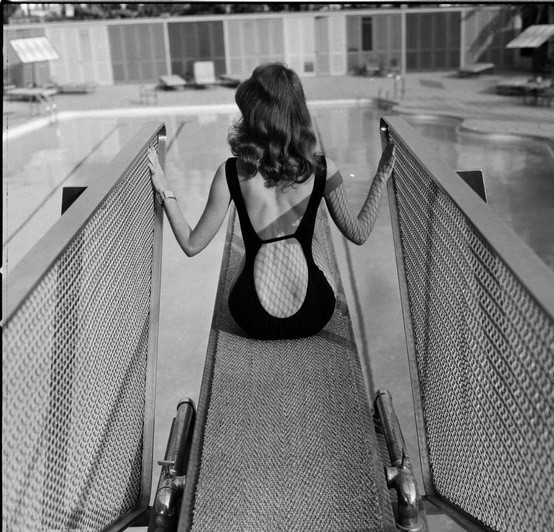
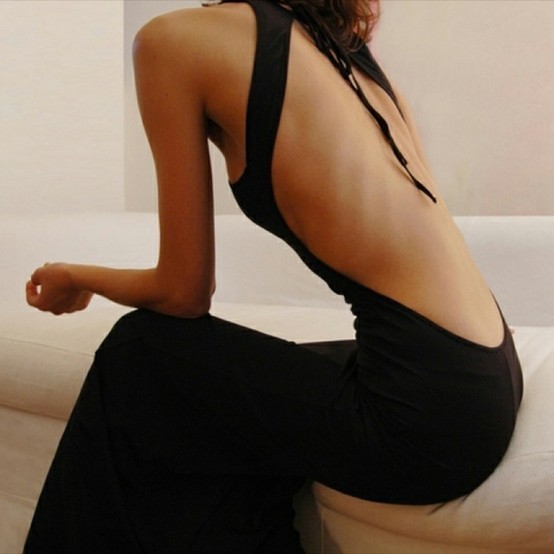
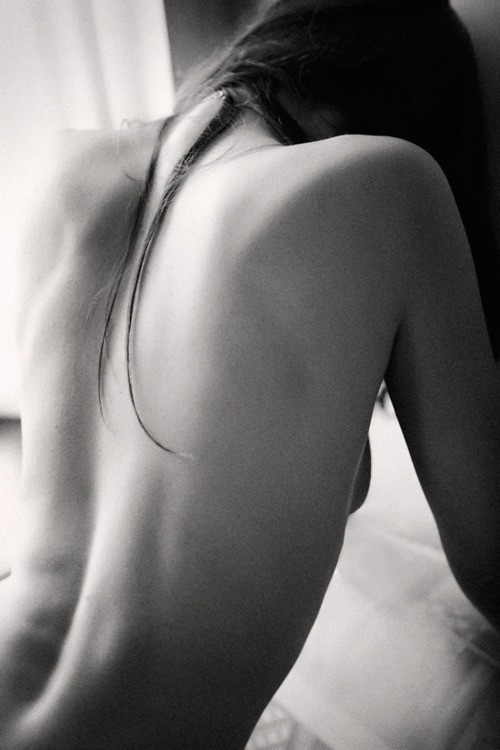
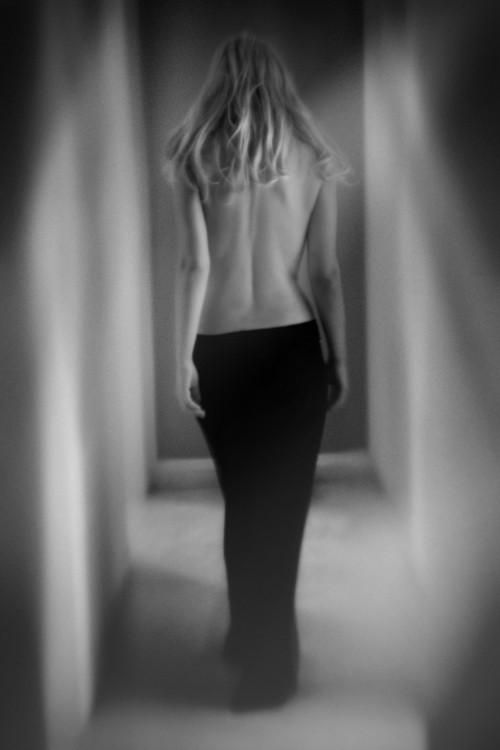
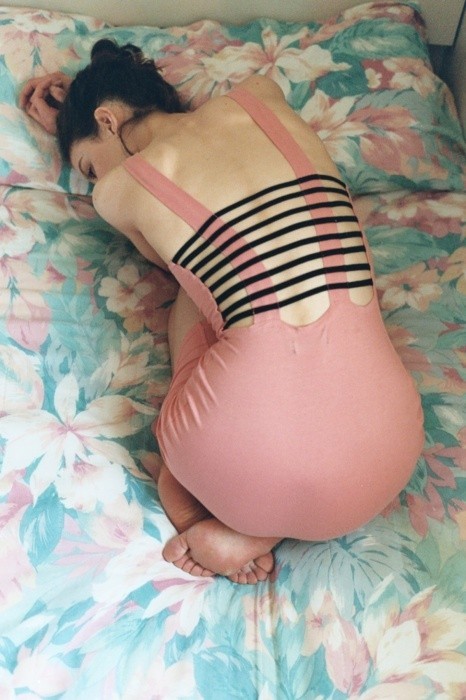
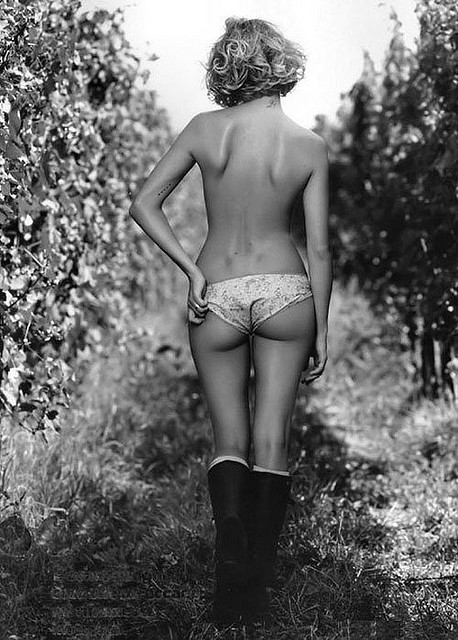
This set gathers photographs that treat the female back as a primary subject rather than a leftover angle. Some frames feel like editorial fashion; others feel closer to quiet portraiture. Across them, the shared move is compositional. Remove the usual social cues of eye contact and smile, and the body reads differently—less “who is she?” and more “how does form hold light?”
That shift is not a trick for shock. It is a long-running visual habit in fashion and fine photography: the turned figure, the open back of a dress, the shoulder blades as a second face. Looking carefully means noticing craft—pose, crop, fabric, shadow—without reducing the person to a surface for consumption. The images here ask for that kind of attention, the same attention a good lookbook demands when the product is silhouette rather than logo.
Why the back reads so strongly on camera
Front-facing portraits negotiate personality. The sitter looks outward; the viewer looks back; a social contract forms in a fraction of a second. A back view interrupts that contract. You still see a person, but you receive posture, bone structure, and clothing construction before you receive expression. Fashion editors have long used that interruption to sell silhouette. A backless gown is not only fabric missing; it is negative space designed to frame anatomy the way a neckline frames a face.
Photographers lean on a few reliable tools. Side light rakes across the trapezius and turns soft tissue into terrain. A centered spine becomes a vertical axis that organizes the frame the way a column organizes a façade. Hair worn up or swept aside is not merely styling—it is editorial clearance, a decision to keep the canvas open. Jewelry at the nape, a single clasp, a tattoo, a strap as thin as a drawn line: small accents become plot points because the rest of the stage is quiet.
In magazine history, the turned back also solves a practical problem. It can feel intimate without requiring the model to perform a smile that dates the picture to a specific beauty ideal. Trends in lipstick and brow shape change fast; the geometry of an open back ages more slowly. That is one reason these images keep circulating years after a given season’s campaign closed.
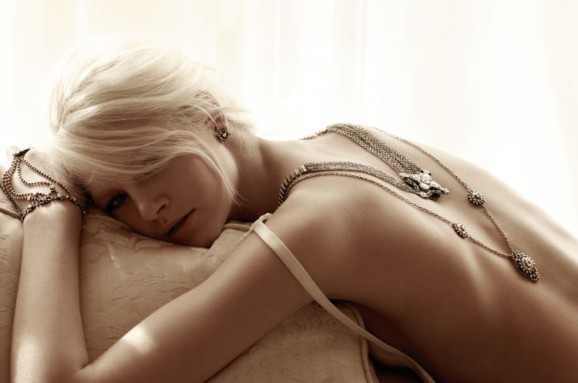
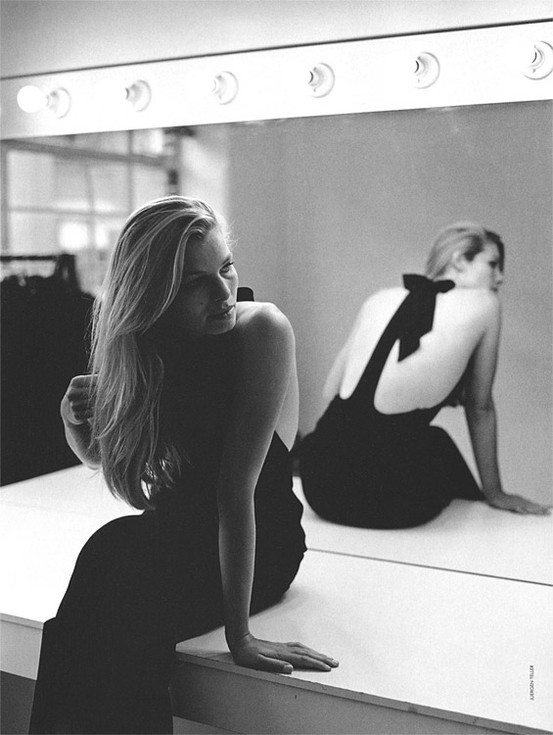
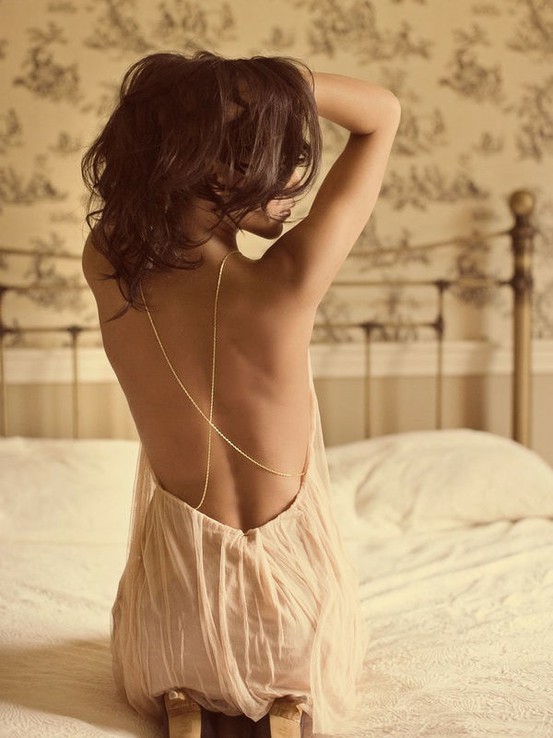
Garment as architecture
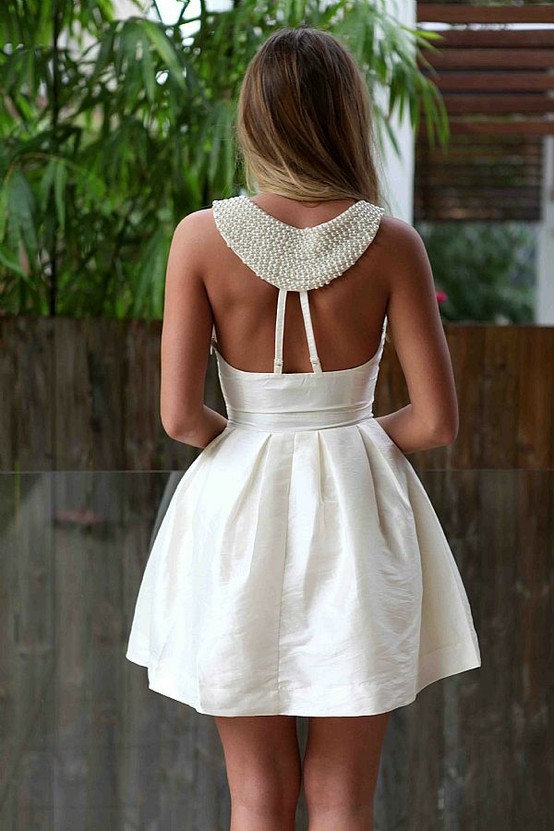
A backless dress is engineering as much as allure. Where does the structure live if the rear panel is gone? Designers answer with interior boning, strategic side seams, halter geometry, low zippers that become decorative zippers, or fabric that clings so precisely it needs almost no hardware. On camera, those solutions show. You can often read how the dress stays up by watching where tension gathers at the shoulders or ribs.
That readability is why fashion photography returns to the back again and again. It teaches the garment. A front view might flatter; a back view explains. Straps map load paths. A deep V maps courage and pattern-making skill at once. Even a simple tank, photographed from behind, can look newly intentional when the crop treats the shoulder line like a horizon.
Stylists know the supporting cast matters. A misplaced bra line ruins the thesis; seamless underwear or none at all becomes part of the construction story. Shoes may be invisible, yet they change weight distribution through the hips and therefore the curve of the lumbar line. What looks like a still photograph is often the end of a chain of fit decisions.
Models, photographers, and the ethics of looking
Collections like this often mix well-known fashion names with anonymous sittings. Credits blur; the internet flattens provenance. What should not flatten is respect. These are collaborations—someone stood in front of a lens, someone chose an aperture, someone fitted a dress. The dignified way to browse is to stay with craft: How is the pose weighted? Is the crop generous or aggressive? Does the lighting feel clinical, candle-warm, noon-hard? Does the image grant the subject composure, or does it chase only exposure?
A respectful frame can still be sensual. Sensuality in good fashion work usually comes from confidence of line and clarity of intent, not from treating the body as inventory. When you find yourself only scanning for skin, pause and re-inventory the photograph as design: negative space, tonal range, balance of head to hips, the path your eye travels from nape to waist. That habit keeps the gallery on the side of photography rather than spectacle.
It also helps to remember the labor invisible in a single still. Makeup that does not transfer onto fabric, hours of steaming, a photographer waiting for a cloud to soften a skylight, a model holding an uncomfortable twist because the strap falls perfectly only at that angle. Fashion images look effortless when the effort has been edited out. Restoring that awareness is part of respectful viewing.
Reading the set as a fashion moodboard
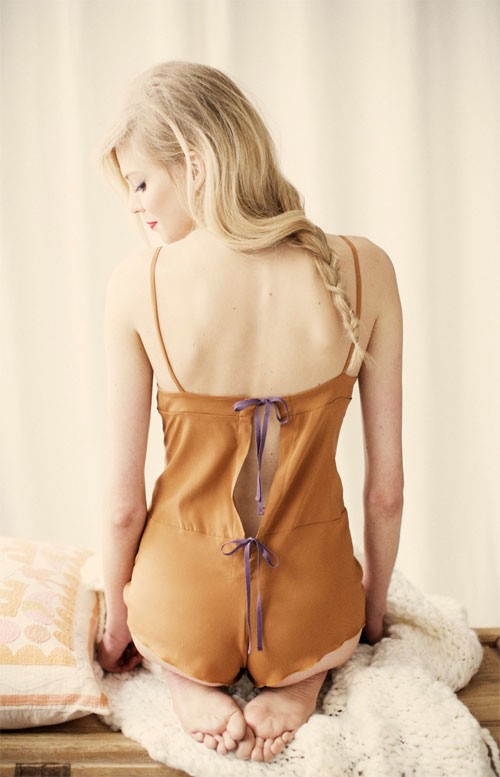
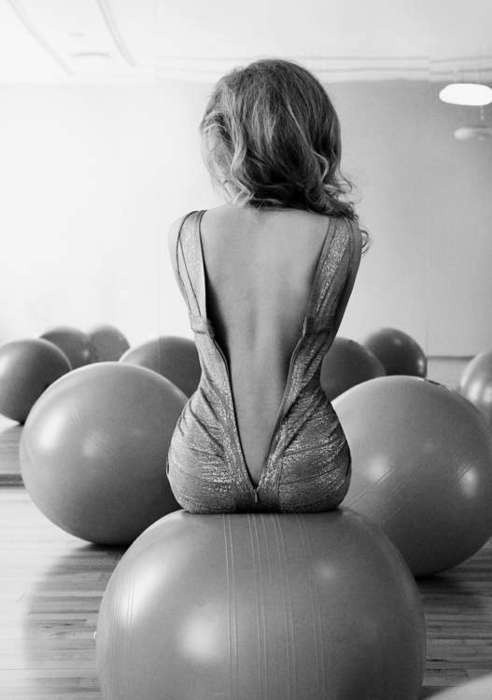
Move through the images as if you were building a storyboard for a lookbook. Group them mentally: studio seamless versus environmental; glossy versus matte skin finish; high-contrast black and white versus color that treats skin as a warm neutral. Notice which frames depend on a dramatic dress cut and which could work in a simple top because posture alone carries the page. That distinction separates “backless trend content” from broader photographic interest in dorsal form.
Also notice hands. When hands appear at the sides, on the hips, or lifting hair, they complete the kinetic sentence the back begins. Fashion photography is full-body punctuation. A relaxed hand can keep an open back from feeling stiff; a precise hand can turn the same back into couture geometry.
Color temperature tells another subplot. Cool daylight on pale fabric can look architectural; warmer tungsten or late sun can make the same cut feel cinematic. Neither is the correct answer. The useful skill is naming which mood a frame chose, then asking whether the dress cut supports that mood or fights it. When cut and climate agree, the photograph feels inevitable. When they disagree, you learn just as much—about mismatch as a styling risk.
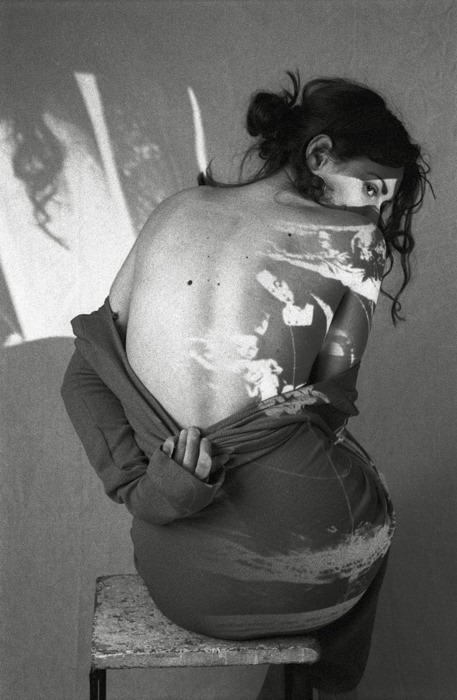
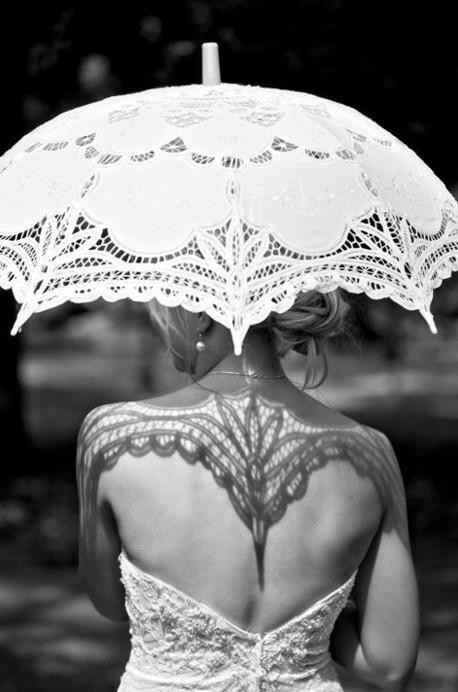
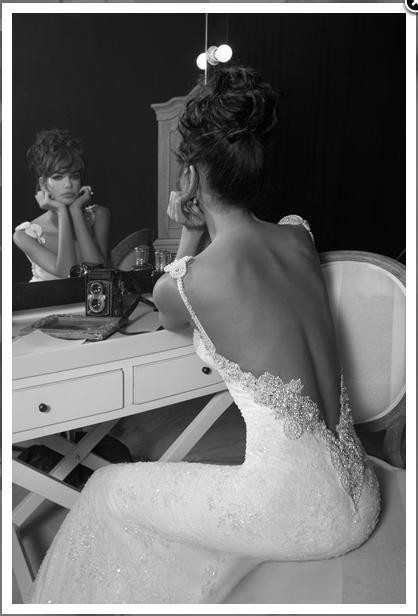
If you leave with one practical looking habit, make it this: the next time a backless dress appears in a magazine or on a rack, turn the hanger—or the mental model—around. Ask how the garment solves structure, where the light would want to fall, and what story the spine line tells before any face arrives. That is the fashion photographer’s question, and these frames keep answering it in different fabrics and different rooms.

Comments
Continue reading

Funny Animal Signs That Warn People (While Animals Ignore Them)
From a seagull on a no-birds disc to classic zoo and park ironies—why animal warning signs get funny, and what the rules are still for.

How to Find Local Amenities on Vacation: Mechanics, Haircuts & More
Locate trustworthy local services and everyday spots while traveling or settling in—using publications, reviews, map apps, neighbor tips, and low-pressure exploration.
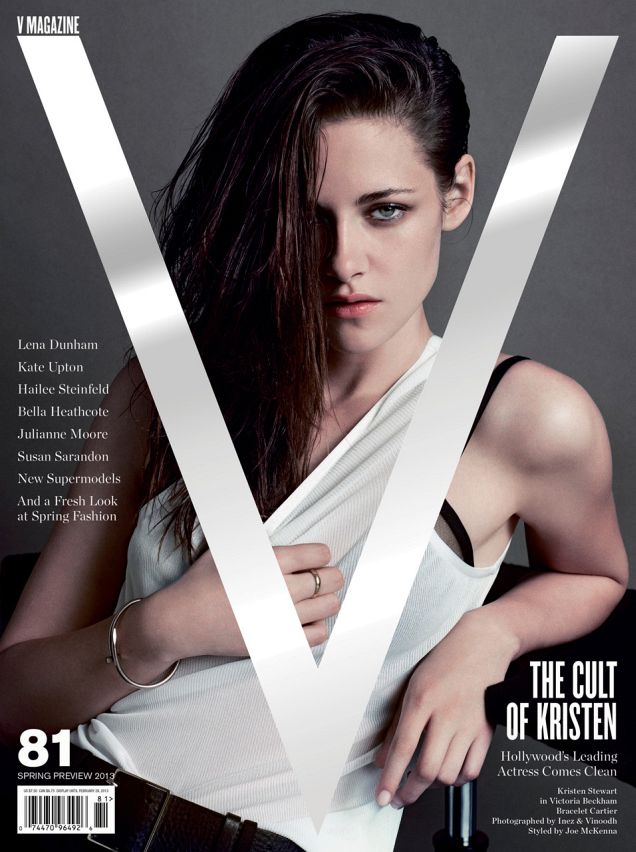
Kristen Stewart for V Magazine, Spring Preview 2013
V81’s Wild at Heart cover story—Kristen Stewart shot by Inez & Vinoodh, styled by Joe McKenna, in pale minimal spring glamour.