
Daisy the Kitten: Ben Torode’s Tokyo Home Portraits
Warm observational look at Ben Torode’s 2012 photos of Persian kitten Daisy in Tokyo—scale, soft light, and household objects, without the hype.
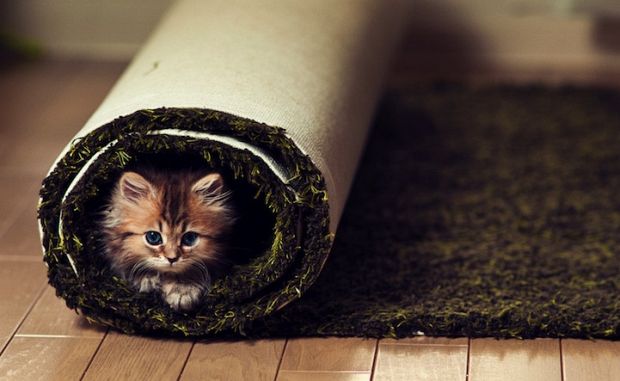
In September 2012, photographs of a blue-eyed Persian kitten named Daisy spread across design blogs, Flickr shares, and weekend roundups with unusual speed. The pictures came from a Tokyo apartment, not a rented studio. They were made by Ben Torode, an Australia-born translator living in Japan who photographed as a serious hobby. That context is part of why the set still feels warm: Daisy is not a brand mascot. She is a small animal in a real home, looked at with patience and a sharp sense of scale.
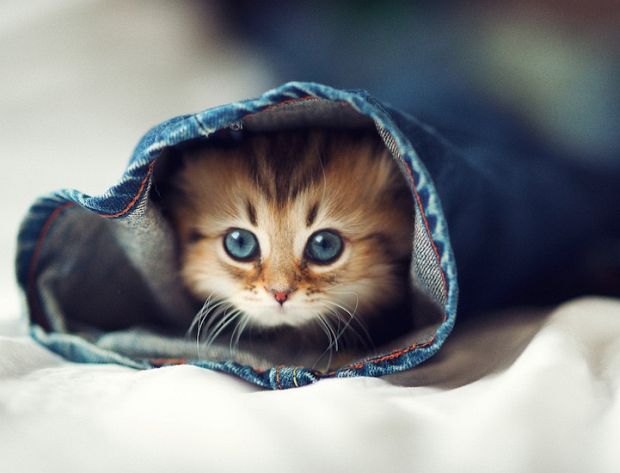
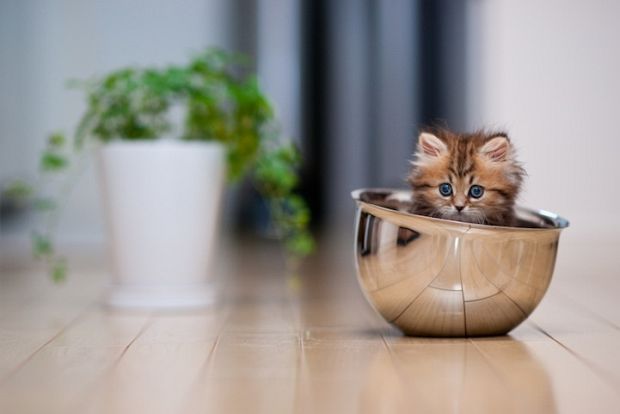
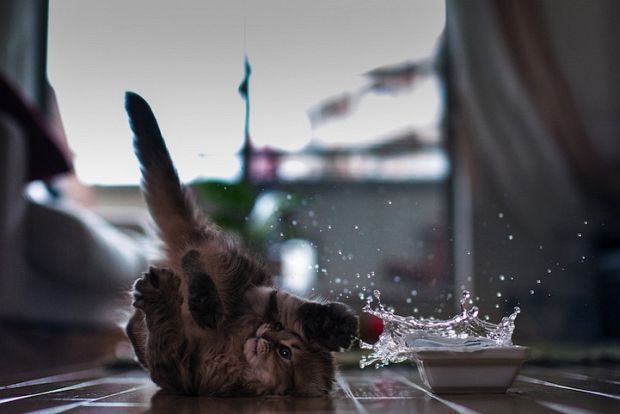
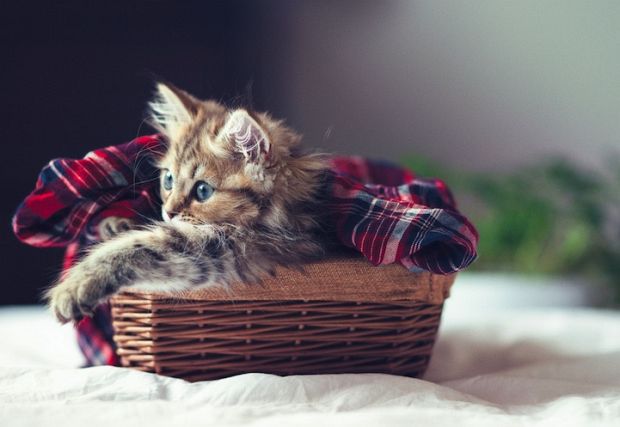
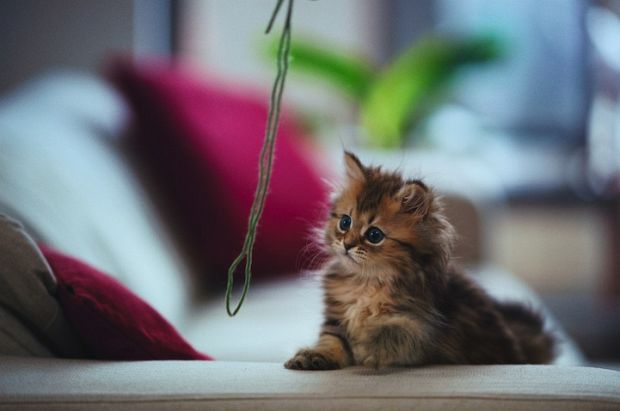
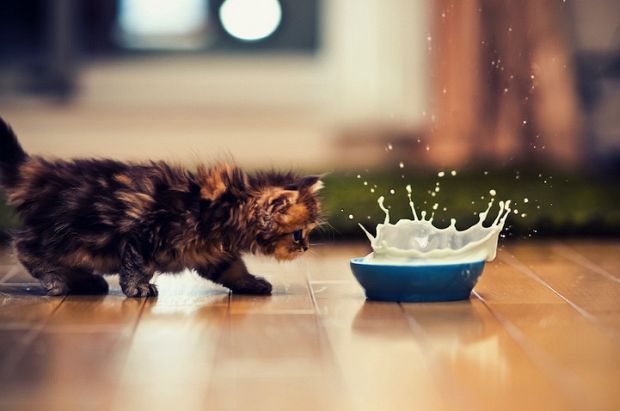
Torode and his wife found Daisy in a Tokyo pet shop and named her after his wife’s nickname. The public story that traveled with the images was affection first—love at first sight, a kitten who hated being alone, a hunter’s instinct aimed at laser dots—rather than a product launch. What made strangers stop scrolling was craft inside that affection. Torode repeatedly placed Daisy beside objects everyone already understands: a mixing bowl, a hat brim, a rolled carpet, a keyboard, a denim cuff, a miso bowl with a rim you can roughly measure in your head. “Tiny” stops being a caption and becomes something you can see.
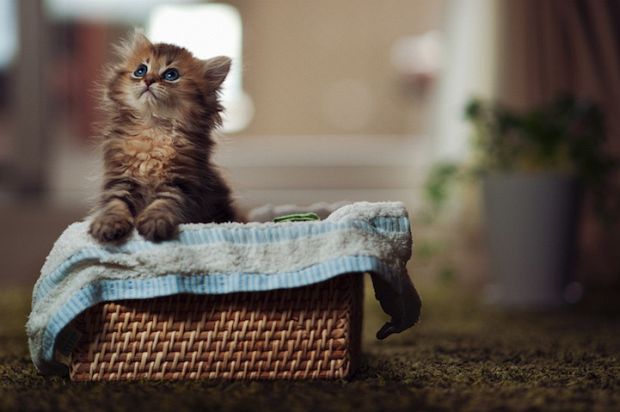
Household objects as honest rulers
Pet photography often asks viewers to take cuteness on faith. Torode’s stronger frames refuse that shortcut. A steel bowl, a sleeve opening, a stretch of yarn—these props are not novelty stickers. They are rulers. Once you recognize the object’s size, Daisy’s head, paws, and fluff become information. The humor stays gentle: a living creature nesting inside tools meant for cooking or clothes, still looking composed rather than frantic.
That composure carries half the charm. Daisy peeks, settles, and holds a stare that reads older than her age. Blue eyes against brown-and-cream fur give the portraits clear contrast, and Torode tends to keep backgrounds quiet enough that nothing competes with the face. You can feel the waiting behind the shutter. Kittens do not take direction like studio models. The photographer watches for a pause between play and sleep, then frames it before the moment dissolves into a blur of claws.
Scale jokes work best when they stay kind. Daisy never looks trapped or mocked. She looks hosted by the object—curious inside a brim, settled in a bowl curve, briefly monumental beside something ordinary. The pictures flatter her smallness without turning smallness into a punchline at her expense.
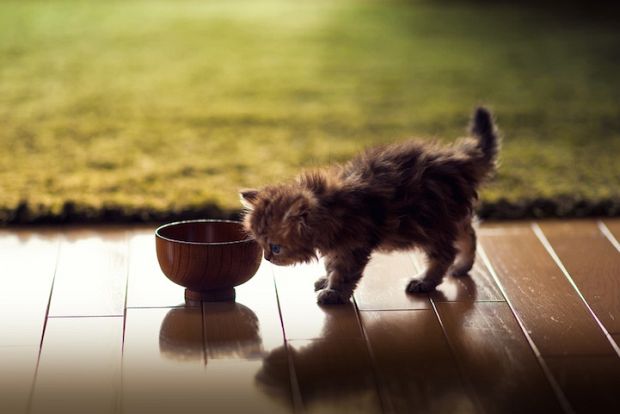
A hobby camera used with real attention
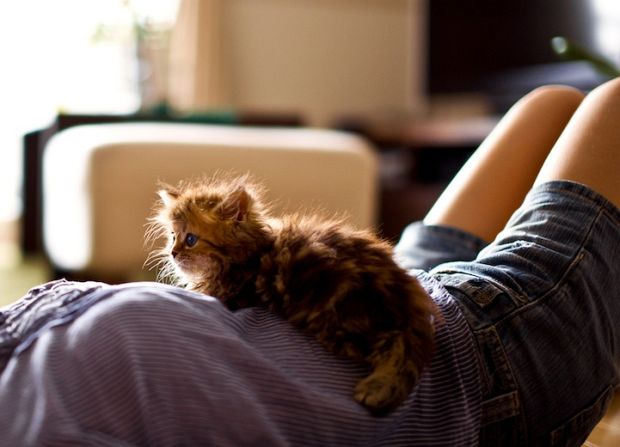
Contemporary coverage stressed that Torode was not a commercial pet photographer. He had been making pictures for pleasure for a few years before Daisy arrived, and some of that work later found its way into stock libraries—but the Daisy set that went viral reads as home practice first. Strengths show clearly: consistent indoor color, respect for fur texture, and a habit of getting low enough that Daisy feels monumental in the frame without being cruelly miniaturized. Limits show too. There is no styling truck, no assistant holding a reflector army, no rented white infinity cove. The world stays one life—Tokyo rooms, everyday props, repeated natural light.
Those limits become style. Because the rooms look lived-in, cuteness does not tip into plastic. Yarn, keyboards, jeans pockets, and bowls belong to ordinary days. Daisy enters those days as a small disruption of scale. Viewers who insisted they were “dog people” still paused, because the pictures do not argue breed superiority. They offer a clear observational joke: how can something this small look this sure of itself?
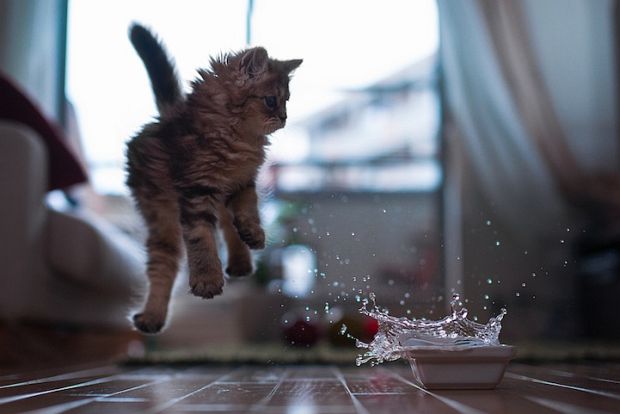
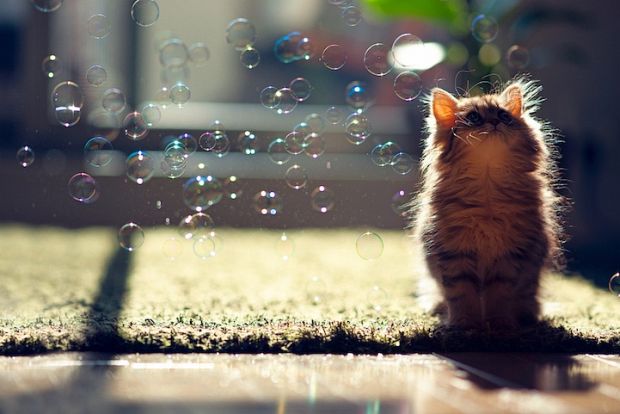
Light does quiet work throughout. Soft window illumination wraps fur instead of blasting it. Specular hotspots on eyes give life without turning the set into a flash catalog. Shadows stay gentle enough that whiskers remain readable. None of that requires a manifesto. It requires noticing what flatters a dark-nosed face against pale walls.

Reading the gallery as changing weather
Move through the images as mood shifts rather than as a product checklist. Some frames are almost formal portraits: face forward, eyes sharp, fur edged by soft light. Others are hide-and-seek—Daisy half inside a bowl or under a brim, only eyes and ears announcing presence. A third mood sits near play: yarn, keys, carpet rolls, still bodies as if a game paused for one breath. That variety keeps the set from flattening into identical “aww” cards stamped from one pose.
Notice how often Torode leaves negative space. Empty table surface, pale wall, the curve of a bowl rim—these quiet zones make Daisy’s fluff read denser. Crowded backgrounds would have turned her into texture. Here she remains a subject. The difference between a disposable pet meme and a lasting home portrait often sits in that decision: leave room around the animal.
Sequence also matters. A single hero shot can win a share. A run of related frames builds a small world—same kitten, same apartment grammar, new negotiations with objects. You start recognizing Daisy’s face the way you recognize a neighbor’s cat in the stairwell. Familiarity, not shock, is the engine.

What the pictures carefully refuse to claim
Animal features invite overreach. It is easy to invent a full personality essay, a breed buying guide, or a list of care tips from still photographs. These frames do not need that. They do not diagnose temperament, recommend Persian kittens to strangers, or turn Daisy into a veterinary case study. They show one kitten, at one young age, in one household, observed with affection and an eye for scale. Anything beyond that belongs to Daisy’s people, not to a caption writer guessing from a bowl pose.
That restraint is kinder than hype. “Cutest kitten” is a phrase the internet loves, and Torode’s set earned the reaction the honest way: by making viewers stop. The lasting value is smaller and better—proof that patient home photography can still outshine louder production when the subject is willing and the light is right.
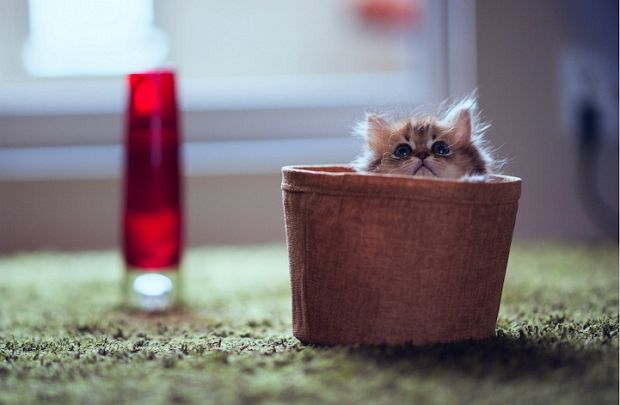
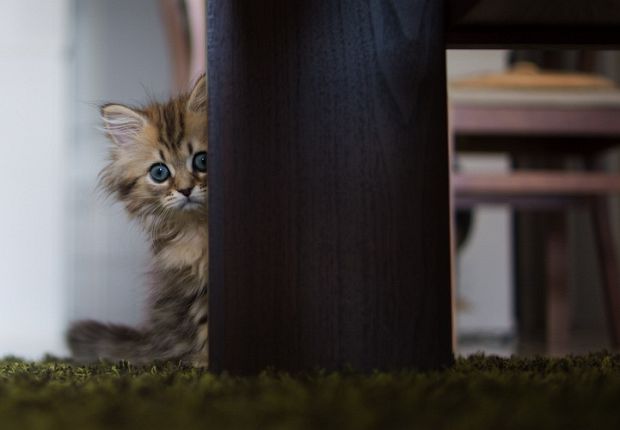
Years after the first wave of shares, the pictures remain easy to look at because they are specific. Tokyo apartment light. Persian kitten fluff. Household objects used as measuring tools. A photographer who waited instead of forcing a grin. You do not need a sequel campaign. You need the next frame in which Daisy chooses a bowl or a pocket and looks out as if the camera were simply another piece of furniture—while Ben Torode, somewhere just out of frame, stays ready for the half-second when scale and expression agree.

Comments
Continue reading
Funny Animal Signs That Warn People (While Animals Ignore Them)
From a seagull on a no-birds disc to classic zoo and park ironies—why animal warning signs get funny, and what the rules are still for.
How to Find Local Amenities on Vacation: Mechanics, Haircuts & More
Locate trustworthy local services and everyday spots while traveling or settling in—using publications, reviews, map apps, neighbor tips, and low-pressure exploration.

Kristen Stewart for V Magazine, Spring Preview 2013
V81’s Wild at Heart cover story—Kristen Stewart shot by Inez & Vinoodh, styled by Joe McKenna, in pale minimal spring glamour.