
Textured Oil Paintings of Iconic Movie Scenes
Turkish artist Murat Pulat rebuilds classic film stills in thick, pixel-like oil—gray memory, signature color, and how texture turns cinema into material.
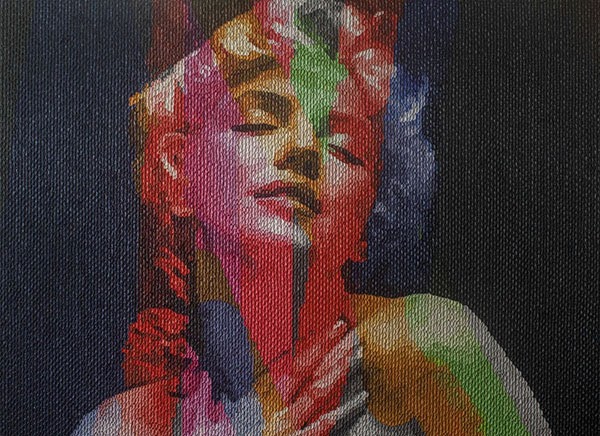
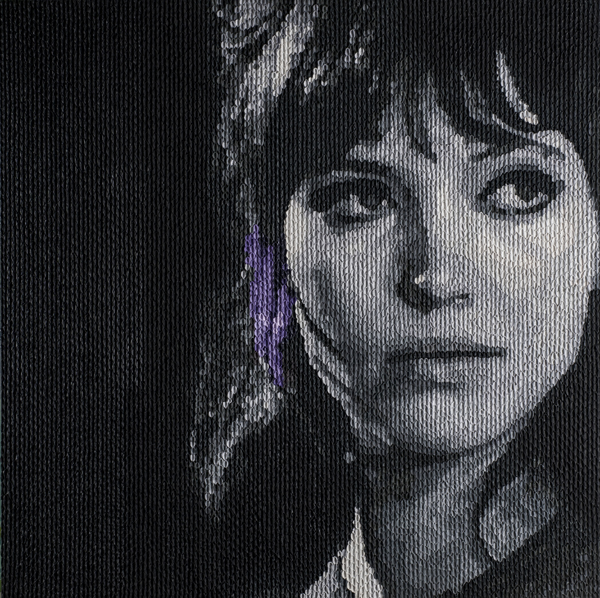
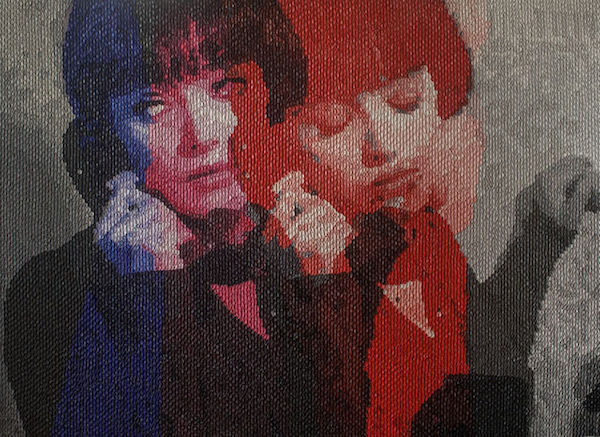
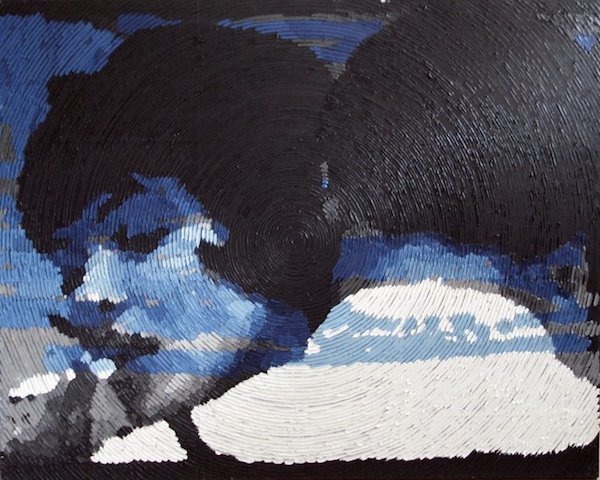
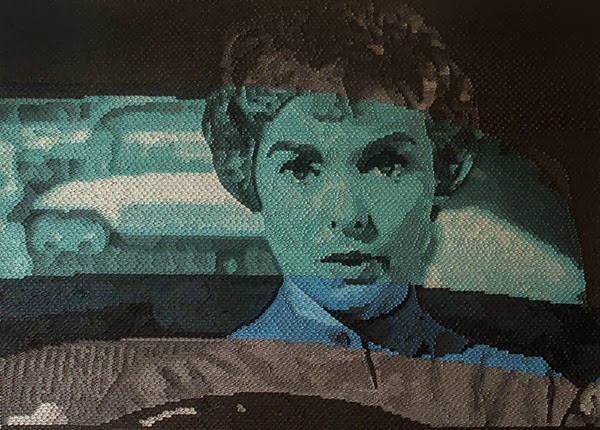
Turkish artist Murat Pulat rebuilds famous film stills as oil paintings you can almost touch. Thick coats of paint rise from the canvas in stippled, grainy clusters. From a few steps back, the scene snaps into recognition—a face, a car window, a silver-screen posture you have seen a hundred times. Step closer and the image breaks into tactile marks that behave like pixels made of pigment. Cinema becomes material again.
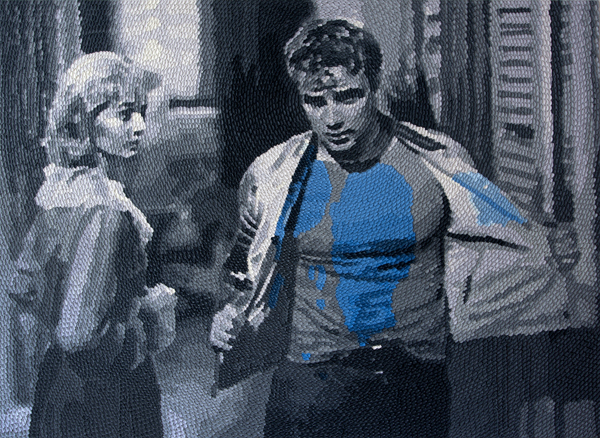
Pulat draws on Old Hollywood, French New Wave, and mid-century television—territory where black-and-white memory still dominates. He often begins in grays that honor that history, then introduces concentrated color as a signature interruption: a cool wash across a cheek, a blue flare in glass, a note that refuses pure nostalgia. The paintings look familiar and newly invented at the same time. More of his work has appeared through galleries and his studio presence at muratpulat.com.
In early 2014, a solo exhibition titled Image-Animal brought a group of these works to Leila Heller Gallery in Chelsea, New York (568 West 25th Street), with dates running through mid-February of that year. The show framed Pulat’s method for a New York audience: film memory translated into oil’s slow, physical language. The gallery context matters less now as a calendar event and more as a marker of how seriously these textured stills were meant to be read—as paintings first, fan images second.
Texture as the argument, not the garnish
Many painters of movie scenes chase likeness and stop there. Pulat’s stronger claim is material. The dotted, built-up surface does two jobs at once. It separates the work from photographic realism so you never mistake the canvas for a printed still. It also echoes the grain and pixel logic of how we actually encounter old films now—through scans, compressed streams, and screens that turn continuous tone into units.
That dual reference is why the paintings feel contemporary even when the source frame is decades old. They are not merely “films in oil.” They are arguments about what happens when a moving image stops and is rebuilt by hand. The hand does not smooth the stop; it exaggerates the stop into ridges and intervals. Looking becomes a physical negotiation with surface.
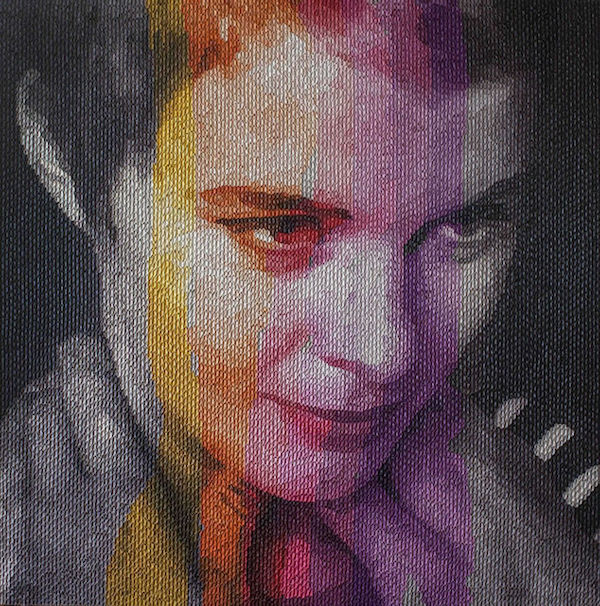
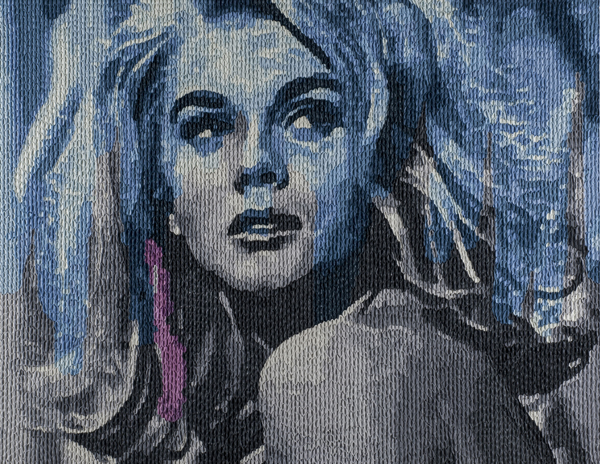
Stand at the distance where the image coheres, then walk in until it dissolves. That back-and-forth is part of the work’s choreography. Distant viewing gives you star power and narrative flash. Near viewing gives you labor: repeated marks, color decisions, the stubbornness of oil. Pulat keeps both experiences available. Neither cancels the other.
Gray memory, color as signature
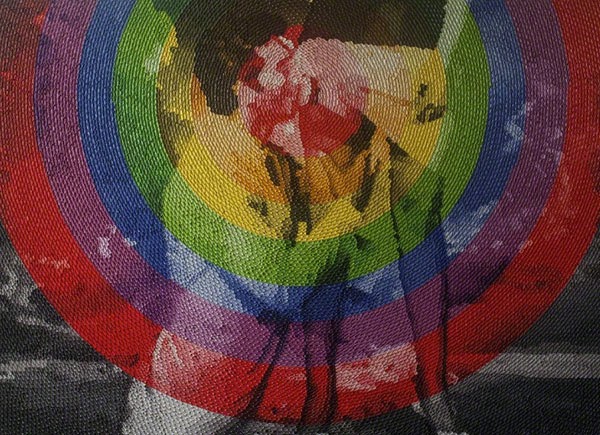
Black-and-white source material is a gift and a trap. Copy it too faithfully and you get polite homage. Ignore it and you lose the historical temperature that made the still iconic. Pulat’s gray foundations keep faith with the archive. Selective color then behaves like a director’s regrade—or like a memory that refuses to stay monochrome. A face warms. A window blooms. A costume detail escapes the silver range.
Those color decisions are where personality enters. They are not rainbow decoration. They are small permissions the painter grants himself after the still has been secured. Viewers who know the original scene feel the difference immediately: something is “wrong” in a way that feels authored. That authored wrongness is the painting’s claim to independence from the DVD menu.
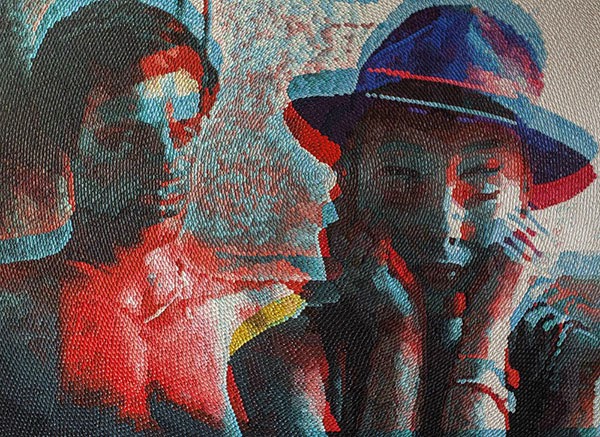
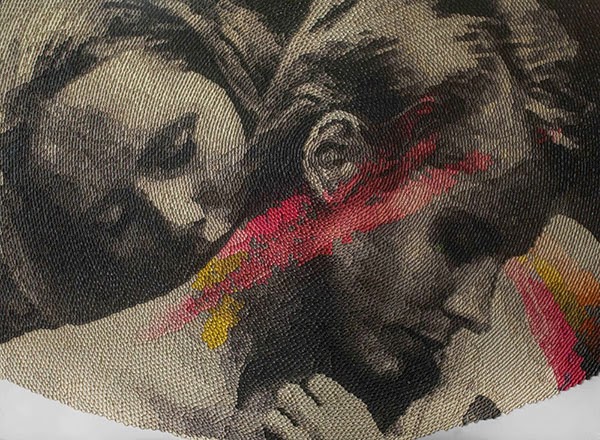
Icons without poster energy
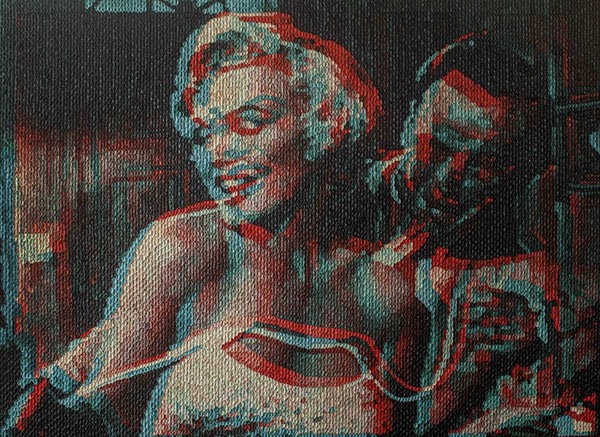
Marilyn Monroe, Audrey Hepburn, Mia Farrow, Janet Leigh behind a windshield—the cast list of culturally overloaded faces is dangerous territory. Poster logic wants glamour on demand. Pulat’s texture resists that slickness. Beauty still registers, but through interrupted surface. The icon arrives with interference, the way a late-night broadcast once arrived with snow at the edges.
That interference protects the paintings from becoming décor that merely name-drops cinema. You cannot skim them the way you skim a collage of famous stills. The surface insists on duration. Duration is rare in online film culture, where recognition is often instantaneous and disposable. These canvases slow recognition until it feels earned again.
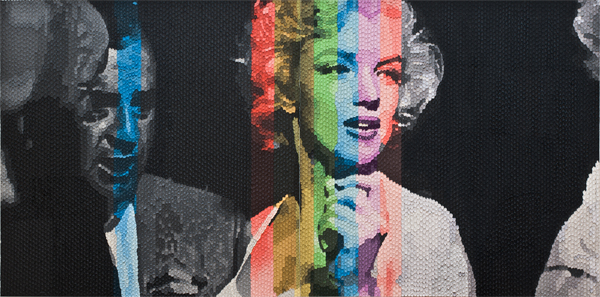
Painting between photography and the screen
Pulat’s practice sits at a junction many contemporary painters occupy: between photographic source, digital seeing, and traditional oil. The pixel-like mark is not a gimmick pasted on afterward; it is how form is constructed. Faces and interiors assemble from units. Unity appears only at the right distance. That is a digital habit taught by screens, executed here with a medium older than cinema.
The result is oddly tender toward the originals. Instead of mocking the still or drowning it in irony, the paintings honor the emotional charge that made the frame memorable—then insist that charge can survive translation. Survival, though, requires change. Thickness, color accents, and optical flicker are the price of admission into painting.
How to look at this gallery
Start with silhouette and posture before hunting for the exact film title. Ask what emotion the pose still carries when texture interrupts the likeness. Then notice where gray holds and where color breaks rank. Finally, pick one small region—an eye, a steering wheel, a collar—and study how many separate marks build the illusion of continuity. That local reading is where Pulat’s craft becomes clearest.
If you paint from film yourself, borrow the distance test. Work until the image reads from across the room, then refuse to polish away the units that make near viewing interesting. Likeness without surface is a poster. Surface without likeness is abstraction that forgot why the still mattered. The productive tension lives between those failures.
These works also suggest a way to collect cinema without collecting memorabilia. A textured oil still is not a prop replica or a lobby card. It is a second artwork that uses the first as vocabulary. In a culture flooded with screenshots, that second-ness feels almost radical: slower, heavier, and stubbornly analog even when it speaks the language of pixels.
Scroll the set again after you think you are finished. The paintings change when your eyes are tired; grain softens, faces reassemble, color accents shift in importance. That late second pass is a fair tribute to Murat Pulat’s project—film frames that refuse to stay flat, rebuilt until memory has weight you can almost run a fingertip across.

Comments
Continue reading
Still-Life Photography by Margareth Perfoncio
São Paulo photographer Margareth Perfoncio’s still lifes of food and flowers—Old Master light, dark wood, and tables that feel inevitable.

Meaningful Love Quotes for Inspiration (and Ink)
Meaningful love quotes that still feel true — short lines for tattoos, gifts, and everyday reminders, with placement and wording tips.
Christina Hess’s Animals From History: Costumed Pets as Playful Portraits
Illustrator Christina Hess reimagines historical icons as ornate animal portraits—Elvis Petme and friends—mixing puns, costume detail, and soft history lessons.