
Diadonna’s Food Photography: Swedish Tablescapes and Everyday Dishes
Sweden-based food stylist and photographer Diana Dontsova—known as Diadonna—turns family cooking into calm, appetizing photos of simple, healthy meals.
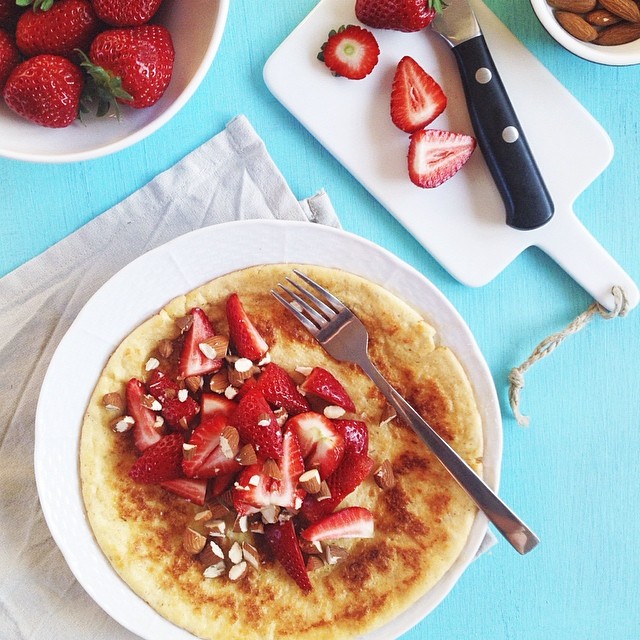
In a large Swedish household, the dinner table is rarely just a place to eat. It is where the day slows down, where bowls are passed, and where the look of a meal matters almost as much as the taste. That early rhythm still runs through the work of Diana Dontsova—better known online as Diadonna—a Sweden-based food stylist and photographer who turns everyday cooking into quiet, inviting pictures. She cooks for her own family of four, styles the plates with a light hand, and photographs simple, healthy dishes that feel ready to share rather than staged for a studio.
By the mid-2010s, Diadonna’s blog and Instagram feed had become a small window into that kitchen life: seasonal colors, linen and wood, recipes that favor balance over spectacle. The appeal is not fireworks. It is the sense that someone has already set the table for you.
From family table to food photography
Dontsova’s eye for the table comes from years of sitting at crowded ones. Growing up in a large family taught her that food is social architecture: the height of a bowl, the color of a salad next to bread, the way steam catches light when someone leans in for a second helping. When she began documenting her own cooking, she carried that instinct into the frame. A plate is never isolated. It sits in a room with daylight, a napkin, a glass, sometimes a child’s hand at the edge of the shot.
That domestic scale is part of why her early work felt different from glossy restaurant campaigns. Commercial food photography often sells abundance. Diadonna’s pictures sell belonging. A yogurt bowl looks like breakfast you might actually finish. A roasted vegetable tray looks like Tuesday night, not a magazine cover that requires three assistants. The styling is intentional, but it never shouts.
Working from Sweden also shaped the palette. Northern light is soft and cool; it flatters pale ceramics, fresh herbs, and pale wood. Shadows stay gentle. Highlights do not blow out butter or cheese into plastic sheen. Photographers chase that light because it makes food look edible instead of theatrical. Diadonna uses it the way a home cook uses salt—quietly, everywhere, and with confidence.
What her tablescapes actually do
Tablescapes in her feed are not formal place settings with name cards. They are compositions built from what a household already owns: mismatched plates that still harmonize, a cutting board used as a platter, a sprig of dill laid where a garnish would look forced if it were perfect. Negative space matters. She leaves room around the dish so the eye can rest, then returns to texture—crust, glaze, the grain of a wooden spoon.
Color is controlled without becoming monochrome. A green salad against a cream plate; berries against linen; toasted nuts against yogurt. The rule seems to be contrast for appetite, not contrast for drama. When everything in a frame competes, nothing looks delicious. When one element leads—perhaps a bright tomato sauce or a golden pastry—the rest of the table becomes support.
Props stay honest. You see real crumbs, a slightly imperfect pour, a spoon that has already been used. Those “flaws” are signals. They tell the viewer the food was made to be eaten, not only photographed. For home cooks scrolling for inspiration, that honesty lowers the barrier. You do not need a prop closet. You need daylight, a clean surface, and the patience to move a bowl two centimeters until the composition settles.
Simple food, careful styling
Diadonna’s recipes lean toward dishes you can cook after work: grain bowls, roasted vegetables, yogurt and fruit, gluten-free options alongside classics, sweets that do not require a pastry degree. The photography matches that promise. If the recipe is thirty minutes, the picture should not look like a twelve-hour production. Steam, soft focus at the edges, a shallow depth of field that keeps the nearest bite sharp—these are the tools she uses to keep the mood close.
Styling choices follow flavor logic. Herbs go where aroma would hit you first. Oil is dabbed, not flooded, so leaves still look crisp. Cheese is broken, not cubed into geometry. Bread is torn. These gestures photograph as appetite because they mirror how people actually serve food at home. Over-arranged food reads as advertising. Slightly lived-in food reads as invitation.
She also understands height. Flat food—soups, spreads, open sandwiches—needs vertical interest from a spoon, a glass, or stacked plates in the background. Tall food—cakes, stacked salads—needs a camera angle that does not crush volume. Diadonna’s frames usually find a middle distance: close enough to show texture, far enough to show context. That balance is harder than it looks. Too close and the dish becomes abstract. Too far and it becomes a room shot with food as an afterthought.
Why cuisine lovers kept returning
In the years when food Instagram was filling with neon smoothies and towering burger stacks, a quieter Scandinavian kitchen still had an audience. People were looking for meals they could imagine making for a family of four without a catering budget. Diadonna’s feed answered that search with consistency. You could scroll and predict a certain calm—and still find new recipes.
The dual role of stylist and photographer matters here. Many cooks photograph well but style stiffly. Many stylists arrange beautifully but leave the camera work to someone else. Doing both means the plate and the lens are negotiated by the same person. If a garnish blocks a highlight, she can move it before the shutter clicks. If the light is better from the left, the whole table can rotate. That feedback loop is why the pictures feel coherent rather than assembled from separate departments.
Her presence on a blog and on Instagram also taught a useful lesson about medium. A blog post can carry the recipe, the story, the shopping list. A square image carries the craving. Diadonna treated both as parts of one craft: feed people information, then feed them a reason to cook tonight. Cuisine lovers did not only save the photos; they tried the dishes. That loop—see, cook, share—is the real engine behind lasting food photography communities.
Lessons for anyone photographing dinner
You do not need a professional kitchen to borrow her approach. Start with window light, preferably from the side. Turn off the overheads that paint food yellow-green. Choose one hero dish and build the frame around it. Wipe the rim of the plate. Add one living element—herb, citrus leaf, a piece of fruit—and stop before the surface looks crowded.
Shoot a little higher than eye level for bowls, a little lower for stacked or layered dishes. Take more frames than you think you need; the best one is often the frame where someone has already reached for a fork. Edit lightly. Over-sharpening turns crumbs into gravel. Over-saturating turns vegetables into plastic toys. Keep whites white and greens green.
Most of all, cook something you would actually serve. The camera can flatter technique, but it cannot invent appetite that the cook does not feel. Diadonna’s work succeeds because the food comes first and the picture follows—an order worth protecting even when the goal is a better Instagram feed.
If you leave with one practical habit, make it this: set the table before you plate the food. When the napkin, board, and glass are already in place, the dish has a home the moment it leaves the pan—and the photograph inherits that sense of welcome.

Comments
Continue reading
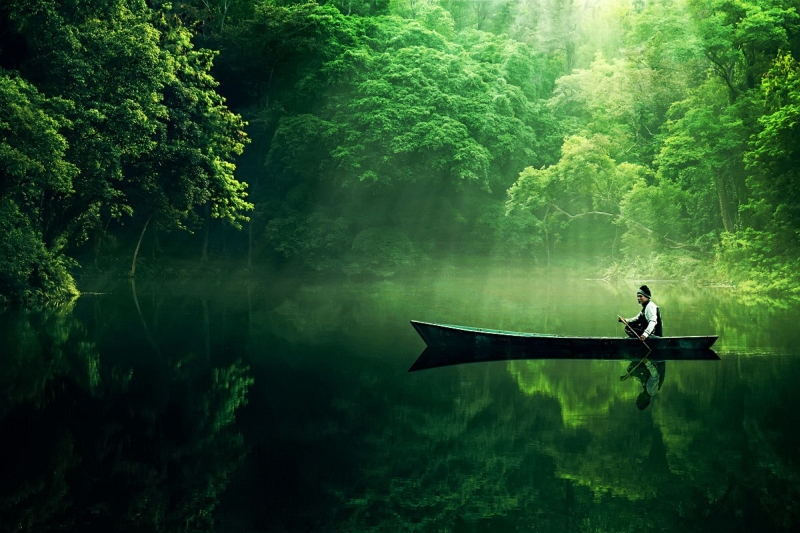
Dramatic Photo Art by Sukron Ma’mun (Ipoenk Graphic)
Cirebon, Indonesia photographer Sukron Ma’mun uses theatrical natural light to frame village life, play, and place in lyrical photo art.
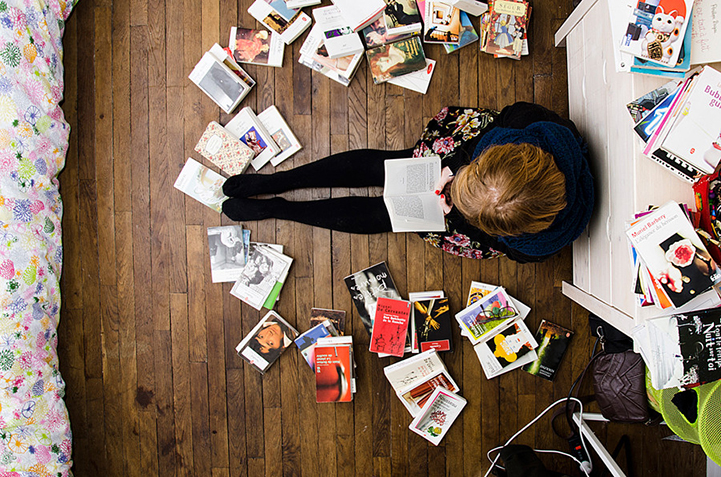
Bird’s-Eye Views: Florian Beaudenon’s Instant Life
Paris photographer Florian Beaudenon’s Instant Life series captures people in their rooms from above—intimate, collaborative overhead portraits of everyday joy.
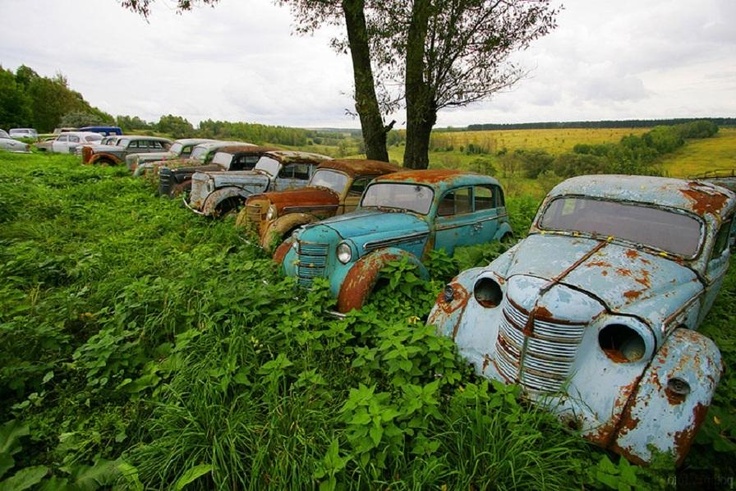
Abandoned Cars Reclaimed by Nature: Rust, Growth, and Quiet Ruin
When neglected vehicles are left outdoors long enough, rust, moss, and trees rewrite them into strange still lifes—sad, photogenic, and slowly returning to the ground.