
Issui Enomoto: Taxi in the Sea
Yokohama taxi driver and photographer Issui Enomoto layers night streets into Taxi in the Sea—multiple exposures shot between fares, finished at home.
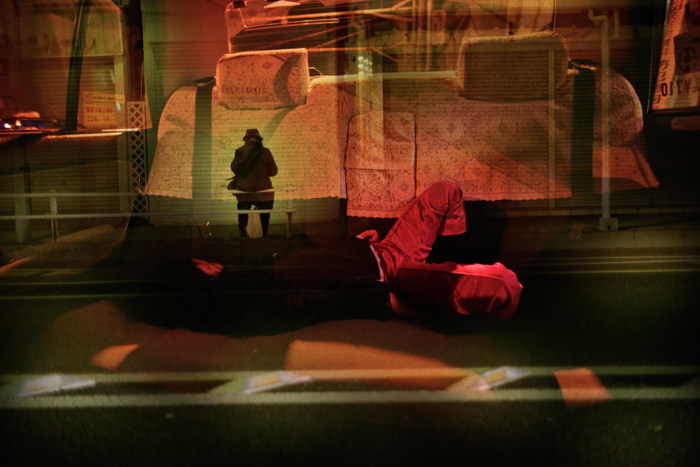
Issui Enomoto photographs Yokohama the way a night-shift taxi driver sees it: through glass, between fares, in fragments that refuse to sit still. Born in Tokyo in 1977 and based in Yokohama, Kanagawa, he is both a working cabbie and a freelance photographer. Most of his images begin inside the taxi during ordinary shifts. The camera rides with him. When something outside the windshield catches him—a waiting figure, a wet intersection, a run of neon—he shoots. Later, at home, he edits and finishes the work in his own way, printing entirely in his studio. Some of those prints were acquired by the Kiyosato Museum of Photographic Arts (K*MoPA) in 2012.
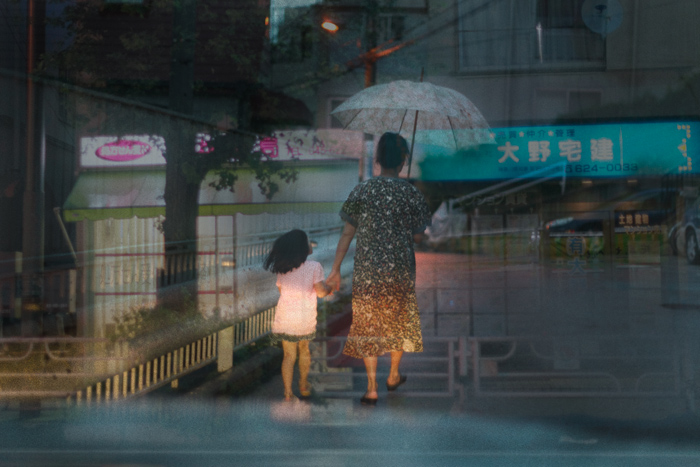
His signature series is Taxi in the Sea. Enomoto has described the taxi as a small boat—or, in other tellings, something closer to a submarine—moving through a deep urban sea of lights, bodies, and traffic. The metaphor is not decoration. It explains the pictures. Multiple exposures stack street lamps, pedestrians, dashboards, and reflections into single frames that feel submerged: soft, layered, slightly unreal, as if the city’s memory were being compressed into one instant.
A camera between passengers
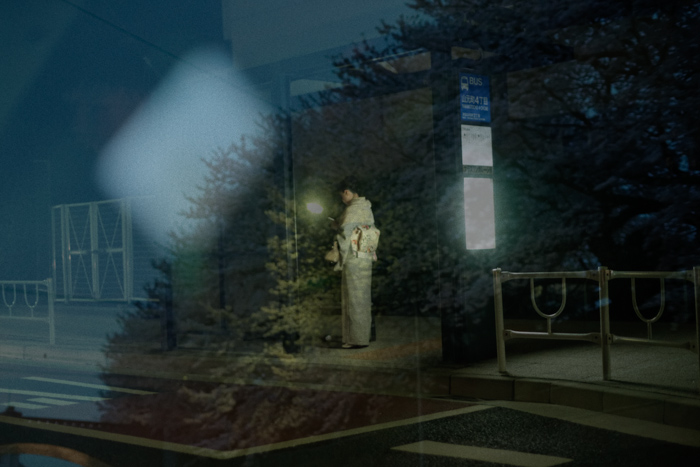
Enomoto does not have formal art-school training in the conventional sense. Photography started as a youthful hobby and kept pace with his working life. Driving for a living put him on a repeating circuit of Yokohama’s streets after dark—exactly the hours when colored lights bloom and when people wait in pockets of stillness between destinations. He has said he likes photographing passengers and commuters as they pass the car. Transient encounters are the foundation: a nap at the curb, a text message under a lamp, a bus stop that looks deserted until a second exposure fills it with motion.
That dual life matters to how the pictures read. These are not staged night-scapes made by a visitor with a tripod. They are records gathered while hunting for the next fare. Time pressure and chance are built into the method. When the series first circulated widely—after an early launch through Fraction Magazine Japan No. 11 around the start of 2013—viewers recognized something rare: a professional route turned into an observational studio.
Multiple exposure as city memory
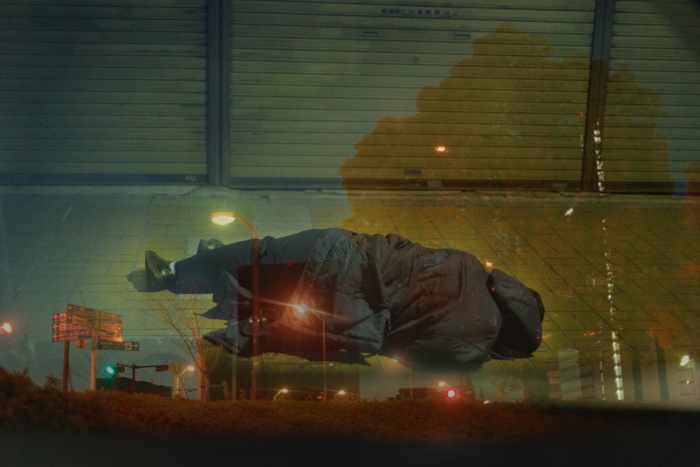
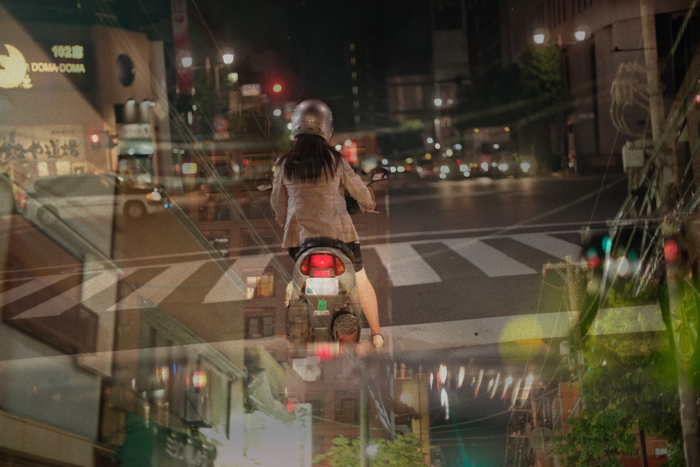
Enomoto’s technique layers exposures so that industrial speed and human pause occupy the same plane. A quiet sleeper can share a frame with a blurred train. An intersection can sit on top of a packed truck. Wet glass turns headlights into streaks. He has spoken of preserving moments that vanish with passing traffic—the city’s chaos held still without pretending the night ever stopped.
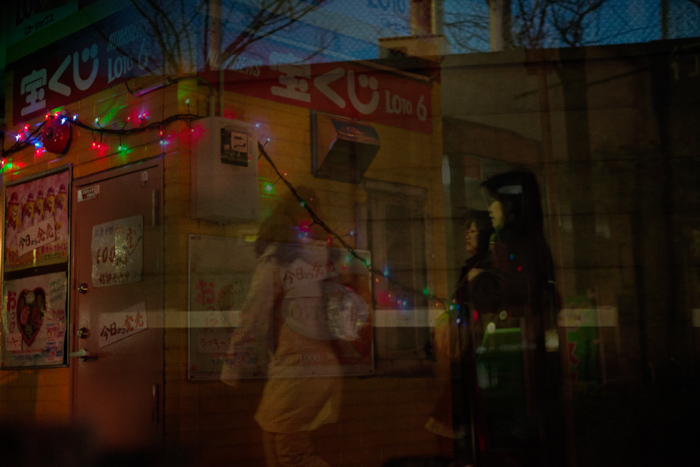
In interviews and gallery notes he also mentions an affinity for older wooden buildings that have given way to concrete mansions. Nostalgia is not sentimental paste; it is a second tempo inside the night work. The photographs often look dreamy or “underwater,” but they are built from concrete materials: asphalt, signage, jackets, bus shelters, the interior edge of a cab. Post-production is where the sea metaphor becomes visible. He edits by stacking shots, choosing which lights and figures should bleed into one another until the frame feels like a single memory rather than a single click.
Yokohama after dark
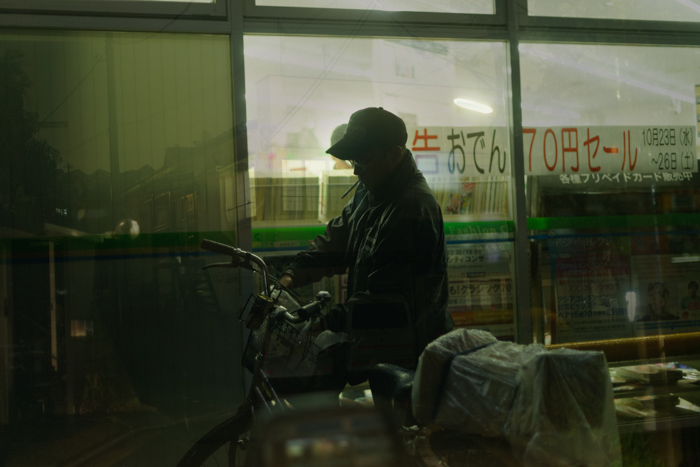
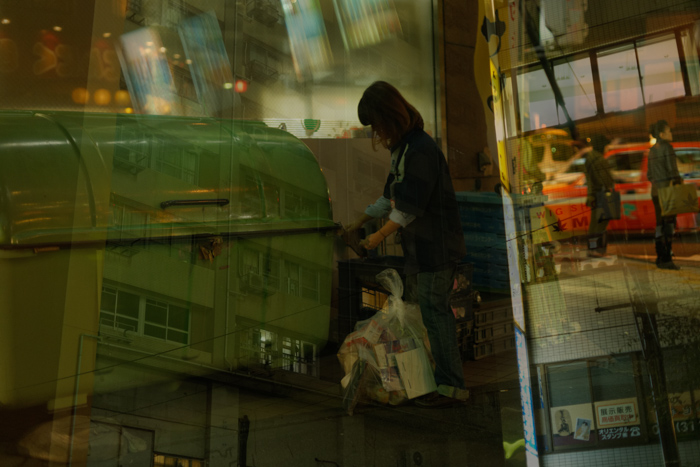
Yokohama is Japan’s second-largest city, a port metropolis whose nights are dense with transit, commerce, and residual neon. From a taxi seat, that density becomes a continuous scroll. Enomoto’s frames interrupt the scroll. Figures near the center often hold a relative stillness while the surroundings smear—an honest portrait of how attention works on a night shift. You notice the person waiting; everything else is weather and velocity.
International coverage followed the early Japanese magazine appearance. Features and galleries from outlets including My Modern Met, Italy’s La Repubblica, France’s Fubiz, Feature Shoot, CNN Style, and others helped carry Taxi in the Sea beyond local photo circles. In 2016 a short film also titled Taxi in the Sea, directed by Matthew Bate with Closer Productions in Australia, was built from Enomoto’s own footage and finished photographs—another reminder that the project is not a one-off viral set but a sustained body of work.
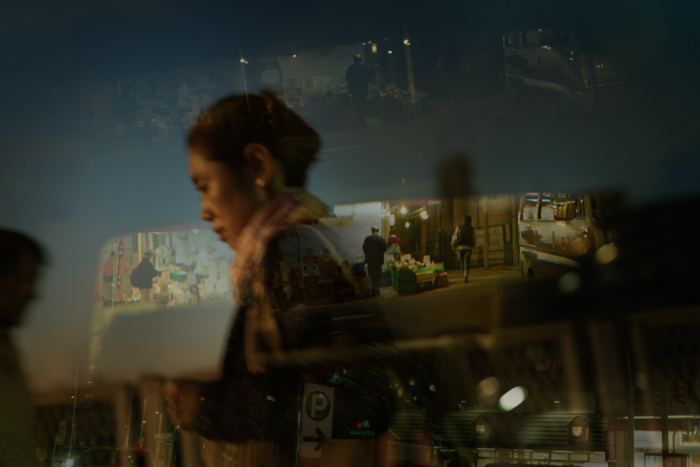
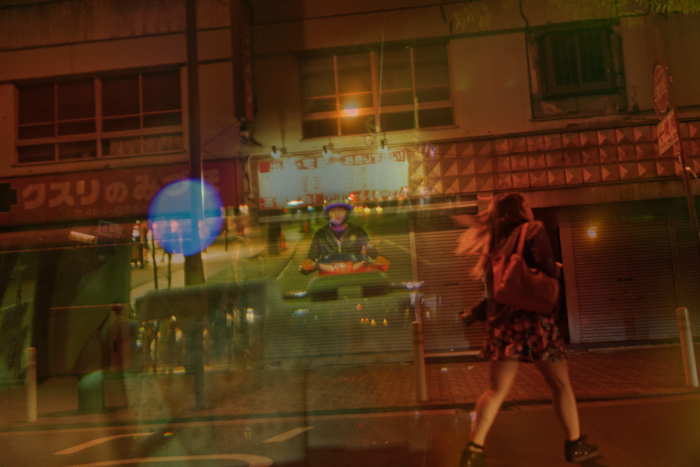
Reading the pictures on this page
The images kept with this article show the series’ recurring grammar: luminous haze, overlapping silhouettes, and street architecture that seems to float. Look for how glass participates—reflections turn the windshield into a second lens. Look for how human scale anchors the dream. Without a figure or a recognizable curb, the lights would dissolve into pure abstraction; with them, the photographs remain documentary even when they look painterly.
Enomoto continues both practices: driving and photographing. That continuity is part of the project’s honesty. The sea does not empty when the exhibition ends. Yokohama’s nights keep arriving, and the taxi keeps moving through them. Taxi in the Sea is less a finished catalog than a working method—an artist’s way of staying awake to the city that pays his living.
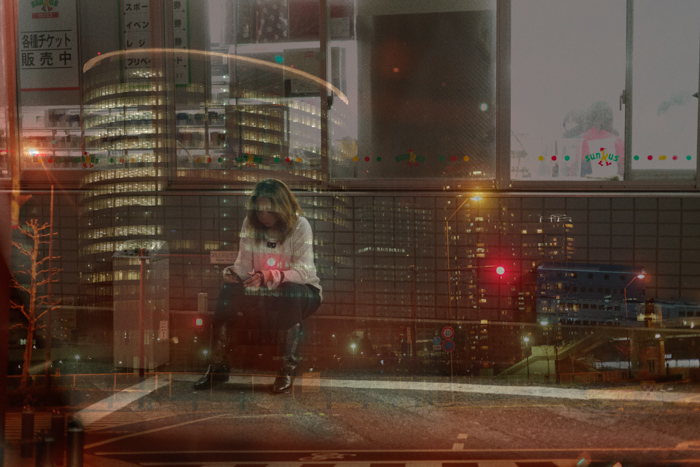
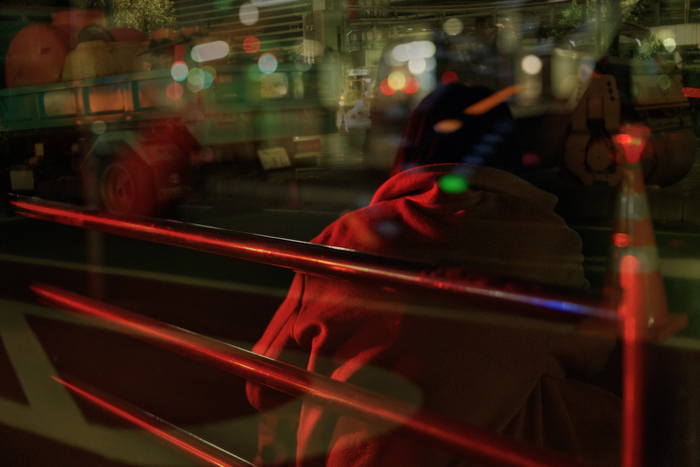
Why the series still feels current
Night photography often chases spectacle—skylines, fireworks, long-exposure traffic rivers. Enomoto’s contribution is quieter and stranger. He treats the cab as a vessel and the street as water, then lets multiple moments occupy one surface. In an era when phones make every idle minute a scrolling minute, his work also reads as an argument for looking out the window with intention. The camera does not replace the job; it rides alongside it.
If you want more of the project in Enomoto’s own framing, his site at issuienomoto.com remains the primary home for biography, prints, and series notes. The pictures here are a sample of the sea he keeps navigating—Yokohama at night, seen from inside a working taxi, finished at home until the city looks like weather and memory at once.
Leave the sequence the way a night shift ends: not with a slogan, but with the sense that the street is still moving somewhere beyond the last frame—and that Enomoto’s taxi is already out there again, camera riding shotgun through the sea.

Comments
Continue reading
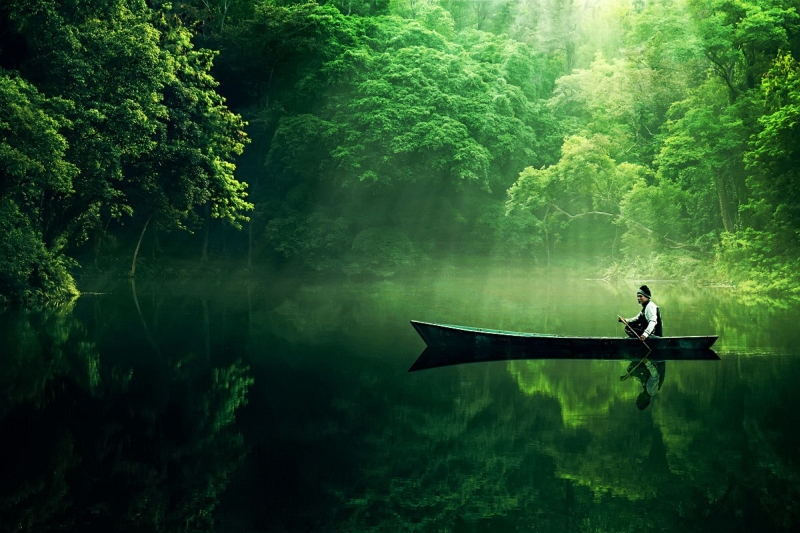
Dramatic Photo Art by Sukron Ma’mun (Ipoenk Graphic)
Cirebon, Indonesia photographer Sukron Ma’mun uses theatrical natural light to frame village life, play, and place in lyrical photo art.

Bird’s-Eye Views: Florian Beaudenon’s Instant Life
Paris photographer Florian Beaudenon’s Instant Life series captures people in their rooms from above—intimate, collaborative overhead portraits of everyday joy.
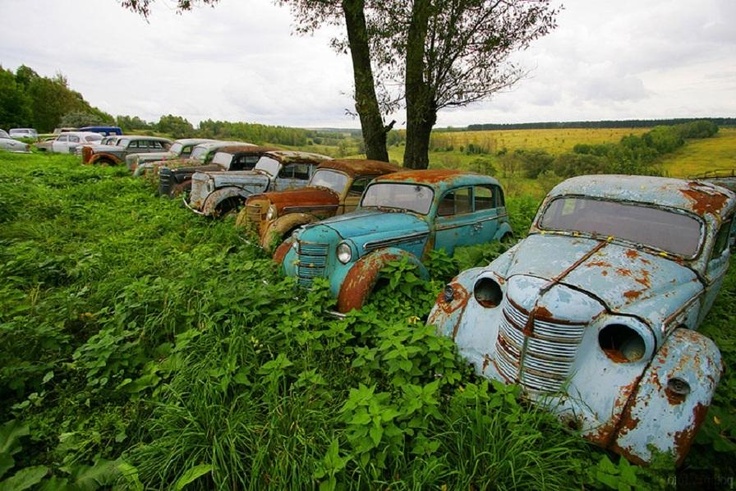
Abandoned Cars Reclaimed by Nature: Rust, Growth, and Quiet Ruin
When neglected vehicles are left outdoors long enough, rust, moss, and trees rewrite them into strange still lifes—sad, photogenic, and slowly returning to the ground.