
Memorable Marilyn Monroe Quotes and Sayings
A historical Marilyn Monroe quotes gallery — fame, image, and work in her own documented words, plus notes on common misattributions.
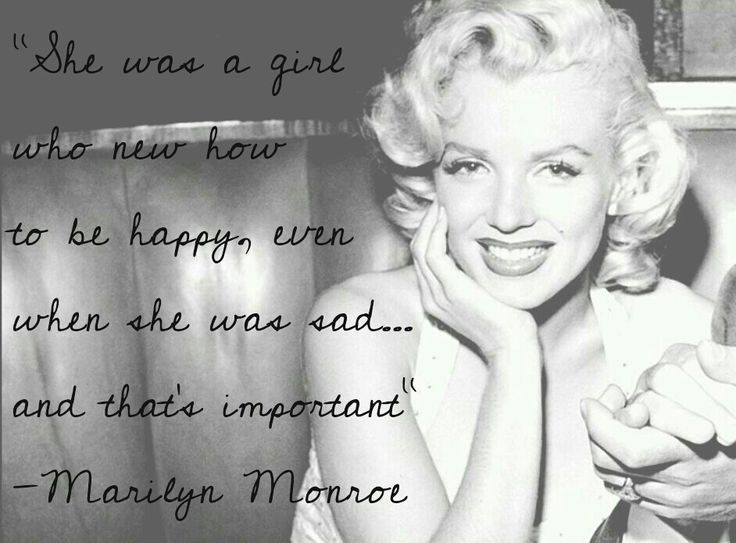
Fame is common. Legend is rarer. Decades after her death in 1962, Marilyn Monroe remains one of the most quoted figures in popular culture — for her films, her image, and a body of remarks that still sound sharper than the myths built around them.
This page is a quotes feature, not a biography and not a rumor roundup. The aim is simple: gather memorable Marilyn Monroe sayings that people still reach for, keep the historical tone of a quotes gallery, and note that not every line circulating online was ever hers.
Why her words still travel
Monroe’s public voice came through interviews, studio publicity, and later collections drawn from her own writings and reported conversations. What lasts is a mix of humor, self-awareness, and resistance to being flattened into a single role. She could sound playful in one line and precise in the next.
That combination explains why her quotes appear on posters, journals, wall decals, and tattoos. People are not only borrowing glamour. They are borrowing a stance: witty, vulnerable, and unwilling to apologize for wanting more than a cardboard role. A good Monroe line usually has a twist — a joke that turns serious, or a confession that refuses self-pity.
Reading her in chronological snippets also shows range. Early publicity quotes can sound sunny and career-minded. Later interview language often sounds more guarded about fame and more frank about work. Both belong in a historical quotes gallery if the source trail is decent.
On fame and being looked at
Some of Monroe’s most durable remarks concern celebrity itself — how it feels to be watched, claimed, and misunderstood by strangers who believe proximity is permission.
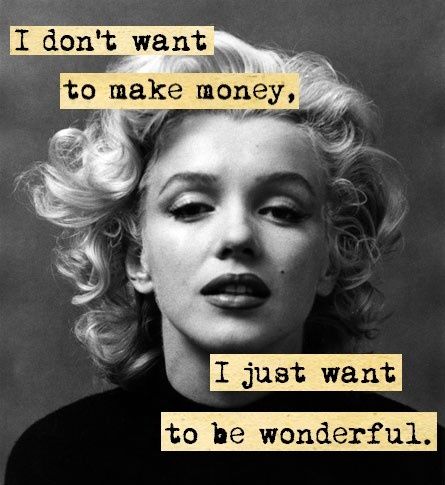
- “I am not interested in money. I just want to be wonderful.”
- “Fame is fickle and I know it. It has its compensations, but it also has its drawbacks and I’ve experienced them both.”
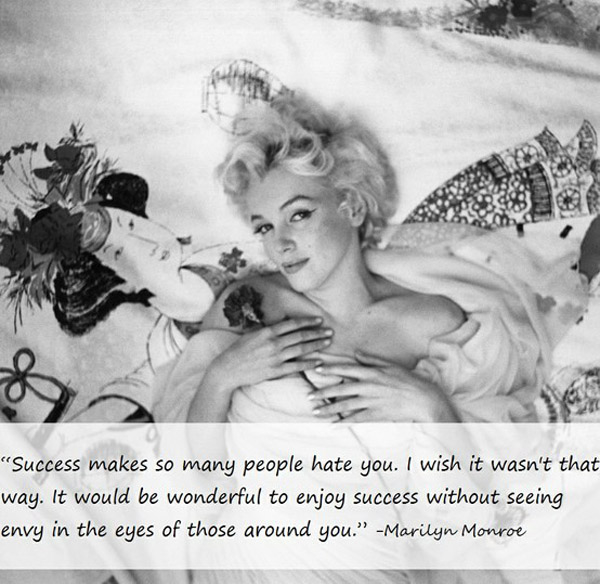
- “It stirs up envy, fame does. People…feel fame gives them some kind of privilege to walk up to you and say anything to you.”
- “Only the public can make a star. It’s the studios who try to make a system out of it.”
- “With fame, you know, you can read about yourself, somebody else’s ideas about you, but what’s important is how you feel about yourself.”
These lines matter because they refuse the fantasy that celebrity is pure pleasure. Monroe names the cost without abandoning the ambition. That balance — wanting the work and resenting the circus — is part of why the quotes still feel contemporary in an age of constant visibility.
On the “sex symbol” label
In her widely cited 1962 conversations with Life magazine associate editor Richard Meryman — published shortly before her death — Monroe spoke with unusual frankness about being turned into a symbol.
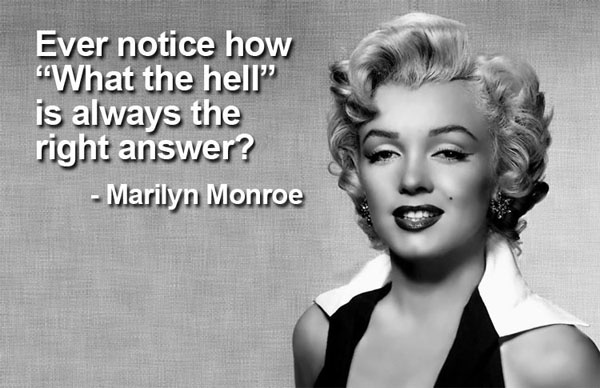
- “That’s the trouble, a sex symbol becomes a thing. I just hate to be a thing. But if I’m going to be a symbol of something I’d rather have it sex than some other things they’ve got symbols of!”
- “I don’t mind making jokes, but I don’t want to look like one.”
- “I don’t want to play sex roles any more. I’m tired of being known as the girl with the shape.”
- “Sex is part of nature. I go along with nature.”
Read together, these remarks show someone negotiating an image she helped create and also felt trapped by. That tension — not gossip about private life — is the historical interest. The Meryman interview remains one of the clearest windows into how she talked about fame when she controlled more of the wording.
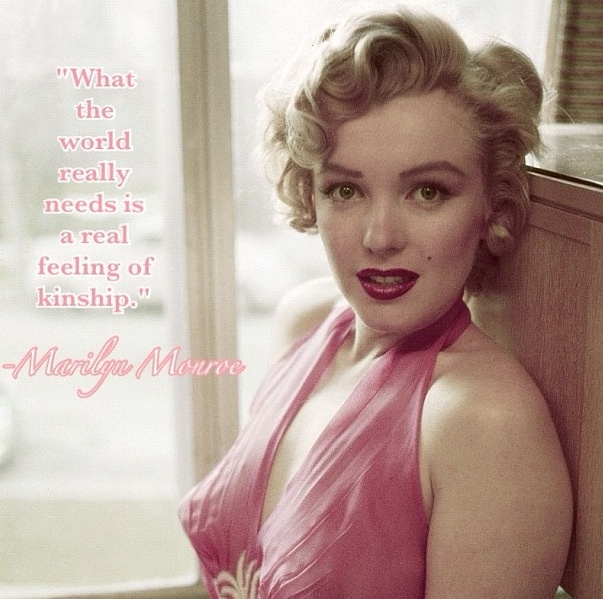
On self-image, work, and becoming someone
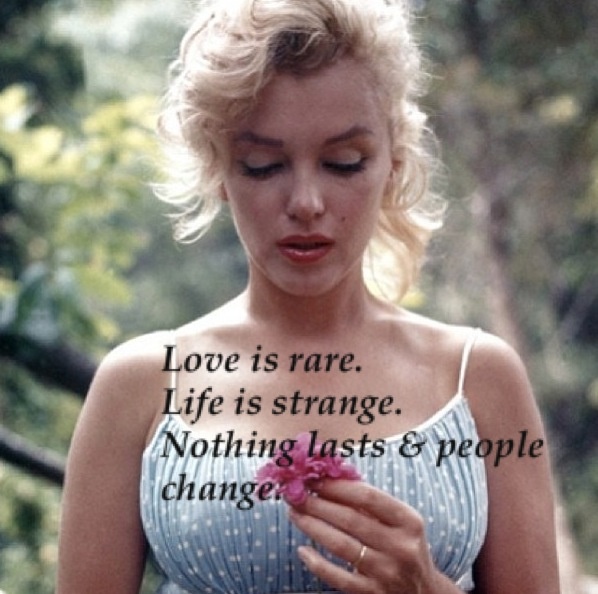
Monroe often spoke about beauty, confidence, and the unfinished project of becoming herself — themes that later readers treat as encouragement, though her wording was usually more specific than modern “inspirational” posters allow.
- “No one ever told me I was pretty when I was a little girl. All little girls should be told they are pretty, even if they aren’t.”
- “I’m going to be a great movie star some day.”
- “I want to find myself, way deep inside. And enjoy being myself. It isn’t easy.”
- “I’m not afraid to be afraid anymore.”
- “I want to grow old without facelifts. I want to have the courage to be loyal to the face I have made.”
- “If I’d observed all the rules, I’d never have got anywhere.”
These are the lines that most often migrate onto notebooks and wall prints. Used carefully, they still point back to craft and self-possession rather than empty confidence slogans.
Hollywood, acting, and the public
Other lines circulate because they capture the studio system with a shrug and a sting. They also remind readers that Monroe talked about labor — scripts, roles, and the public’s hunger — not only about dresses and premiere nights.
- “Hollywood is a place where they’ll pay you a thousand dollars for a kiss and fifty cents for your soul.”
- “I knew I belonged to the public and to the world, not because I was talented or even beautiful, but because I had never belonged to anything or anyone else.”
- “Everybody is always tugging at you. They’d all like a sort of chunk out of you… But you do want to stay intact — intact and on two feet.”
- “There was my name up in lights. I said, ‘God, somebody’s made a mistake.’ But there it was, in lights.”
- “It’s a make believe world, isn’t it?”
Quotes often pinned to her — and why caution helps
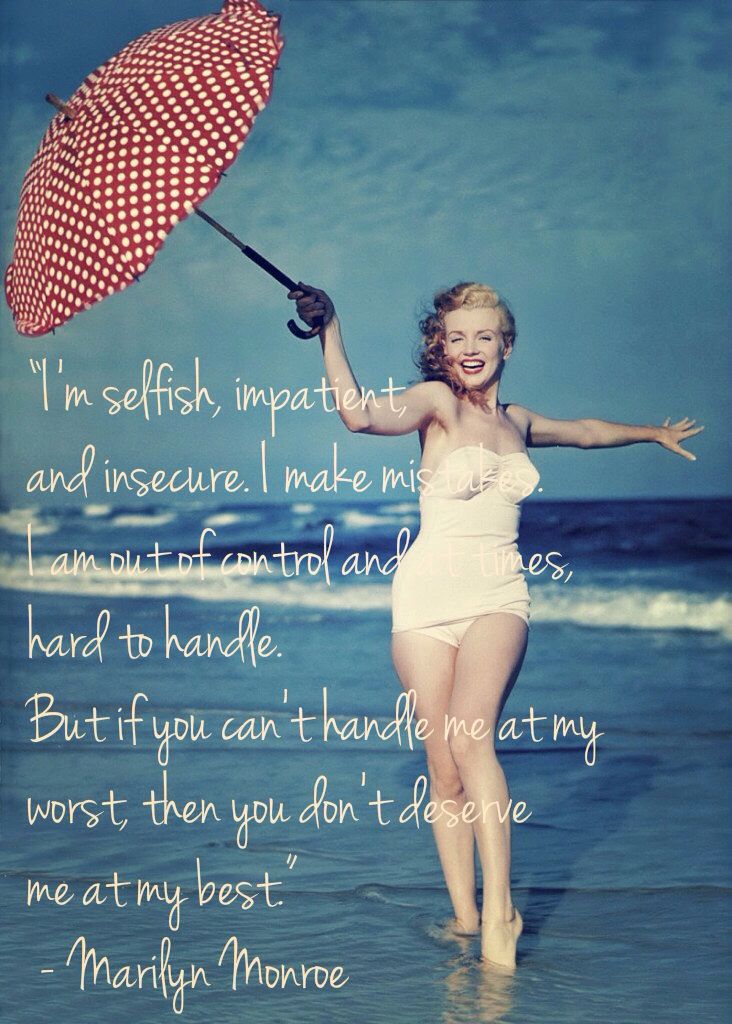
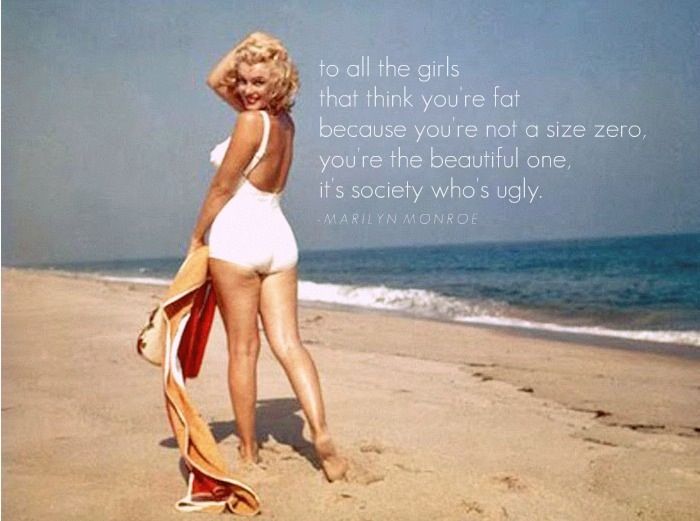
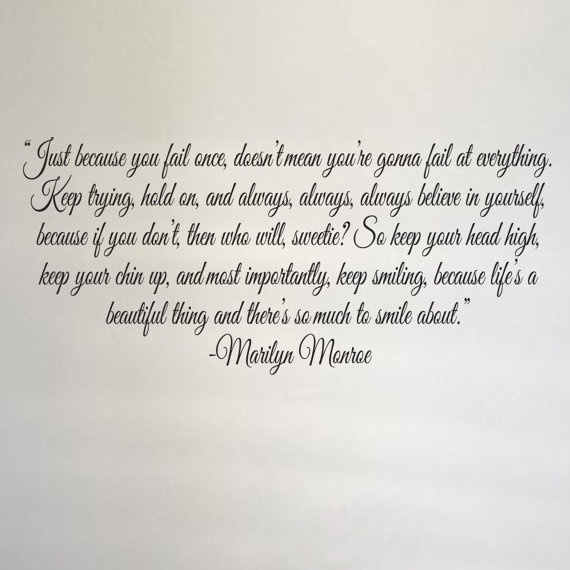
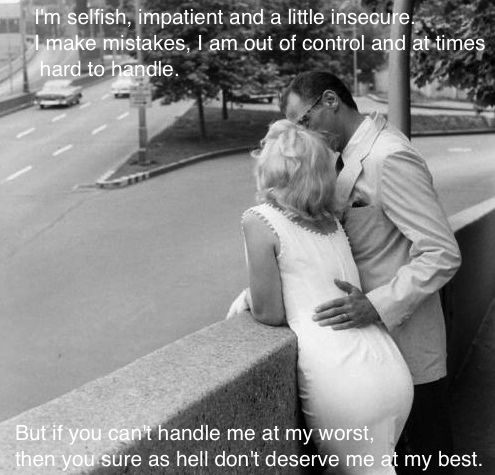
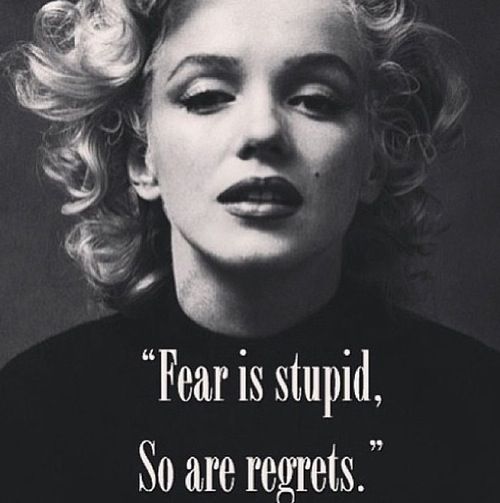
Monroe is also one of the most misquoted celebrities online. Lines that sound like modern self-help are frequently attached to her photograph with no interview trail. Two widely repeated examples that researchers and fact-checkers have flagged as misattributions include:
- “If you can’t handle me at my worst, then you sure as hell don’t deserve me at my best.”
- “Well-behaved women seldom make history.” (documented as Laurel Thatcher Ulrich’s line, not Monroe’s)
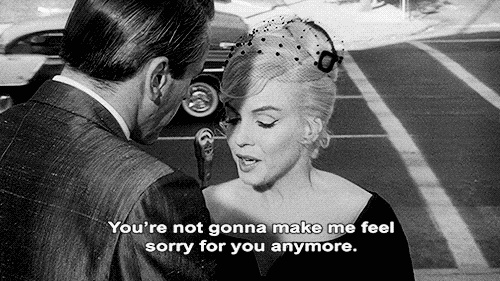
A quotes page that wants to stay useful should keep the difference visible. Documented interview language tends to be more particular, more conversational, and less like a caption generator. If you plan to use a line for a tattoo, print, or classroom poster, prefer versions tied to named interviews, published collections with sources, or verified archival material. When in doubt, leave the pretty but sourceless caption off the wall.
How people still use the lines
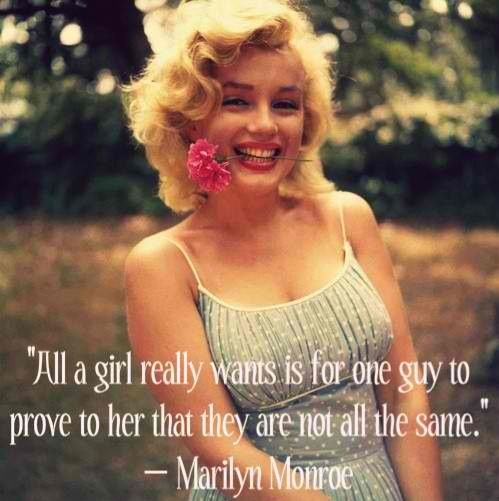
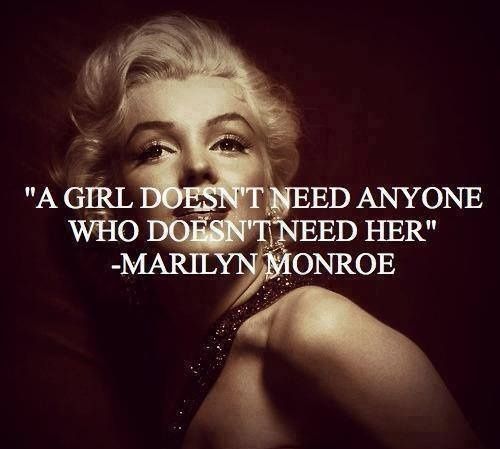
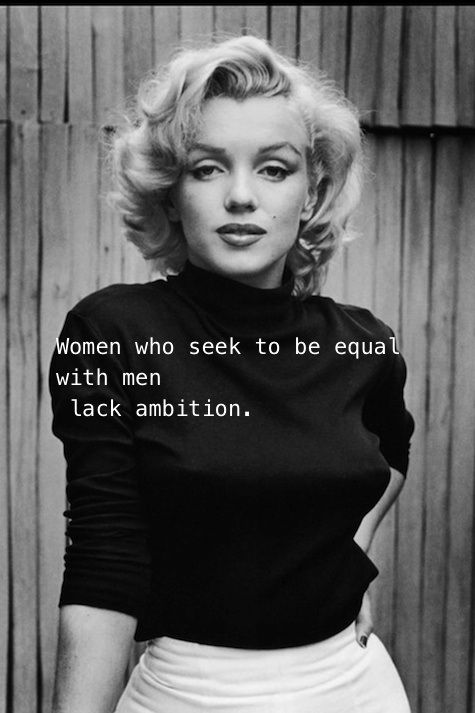
Beyond scholarship, Monroe quotes remain cultural material. Readers use them as wall art, journal headers, and occasionally as tattoo text. If that is your aim, shorter, sourced lines usually work better than long paragraph paste-ups: they letter cleanly and are easier to verify.
Good candidates for compact use include the “wonderful,” “rules,” “intact,” and “sex symbol becomes a thing” remarks — provided you are comfortable with the historical context and not treating them as lifestyle slogans emptied of meaning. Pairing a short line with a portrait image is common; pairing it with invented personal drama is unnecessary.
Which of her lines still sounds like a person to you, and which only sounds like a caption? That small test is often enough to separate a memorable Marilyn Monroe quote from a slogan someone else invented later.

Comments
Continue reading
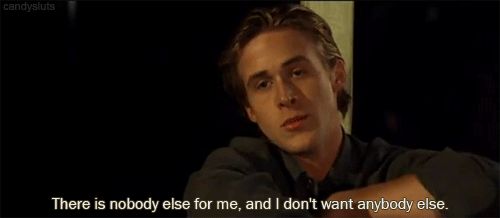
27 Notable Movie Lines From Romance Films Worth Saving
From The Notebook to Eternal Sunshine—twenty-seven romance film lines that still travel, each paired with its still and a short note on why it sticks.
Inspirational Quotes to Brighten a Hard Day
A calmer way to use motivational quotes when you feel stuck—themes that help, how to read so lines stick, what to skip, and a gallery for steadier hours.
Motivational Workout Quotes Part 2: Continuous Effort
A steadier sequel to Part 1—how continuous effort, floor days, and systems beat hype when motivation fades mid-program.