
Most Stunning Photos of the Northern Lights
Aurora galleries from Arild Heitmann, David Marx, Christian Bothner, and more—credited northern-lights photography with looking notes for the long night.
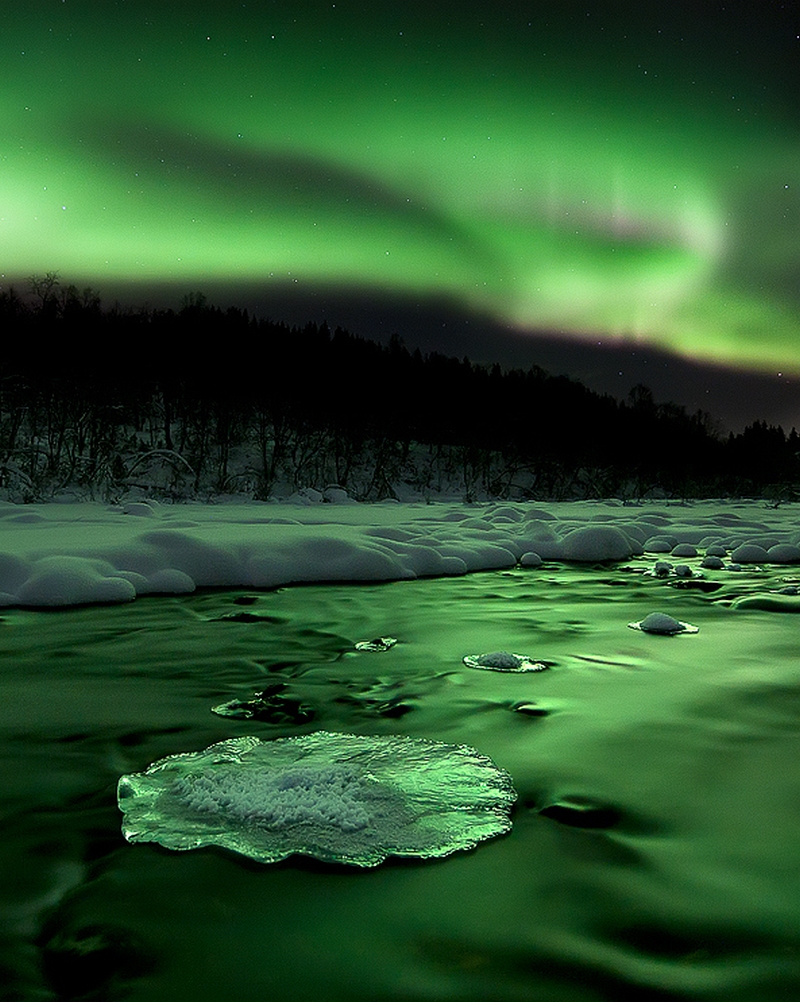
Most of us will not stand under a full aurora every winter. Photography borrows that chance: green rivers over frozen ground, purple curtains above treelines, and skies that behave like living weather. The northern lights—aurora borealis—remain one of travel’s most stubborn wishes. Until you can chase them yourself, these captures offer a careful substitute: nature’s spectacle seen through many patient lenses.
This gallery gathers aurora photographs credited to photographers including Arild Heitmann, Arnbjorn Eythorsson, Christian Bothner, David Marx, James Appleton, Raymo Photography, Régis Matthey, Robert Novak, Steve Shuey, Stian Rekdal, and Þorsteinn H Ingibergsson. Names matter here. Aurora images circulate endlessly; credit keeps the work attached to the people who waited in cold for it.
What the camera is actually collecting
To the naked eye, aurora often looks softer and grayer than the greens and magentas that dominate long exposures. That gap is not a lie; it is a translation. Sensors gather light over time. The sky writes in faint strokes; the camera thickens the ink. Good aurora photography admits the translation while still respecting place—ice, river, forest, cabin, or open snowfield that proves you were somewhere real.
Composition decides whether a frame feels like a souvenir or a landscape. Stronger images give the aurora a partner: a reflective water surface (“Emerald River”), a ragged treeline, a building that anchors scale. Without a foreground, green sky can float as wallpaper. With one, the light becomes an event happening over a world you could stand in. Titles help too: a named night or a named river turns spectacle back into memory with an address.
Color temperature also tells a story. Cool blue snow under warm-ish green curtains creates depth. Overcooked neon can flatten that depth into poster art. The best frames in a mixed gallery usually keep some darkness. Black sky is not empty; it is the stage. Stars, when sharp, add scale; when slightly streaked, they confess the exposure’s length. Either choice can be right if it matches the photographer’s intent rather than an accidental bump of the tripod.
Noise, frost on lenses, and fogged viewfinders are the unglamorous companions of aurora work. What looks effortless online often includes discarded frames where the band moved, the focus slipped, or a car’s headlights ruined the dark. The keepers in this gallery are the survivors of that patience.
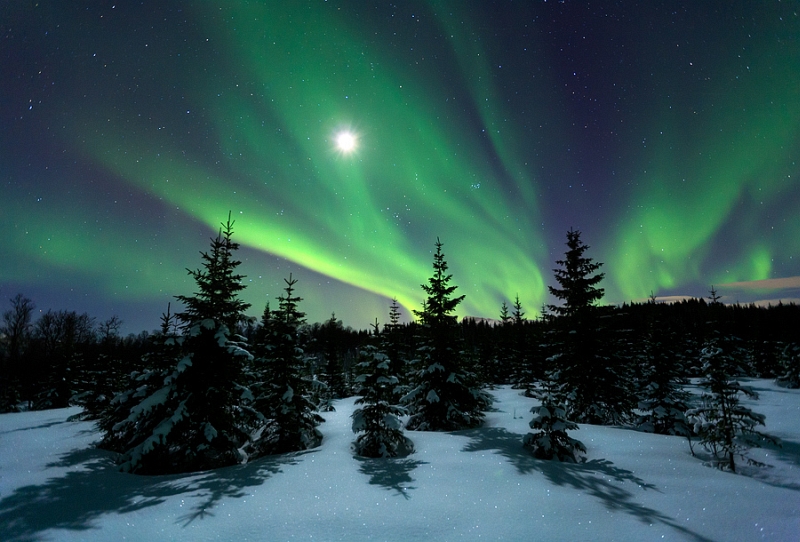
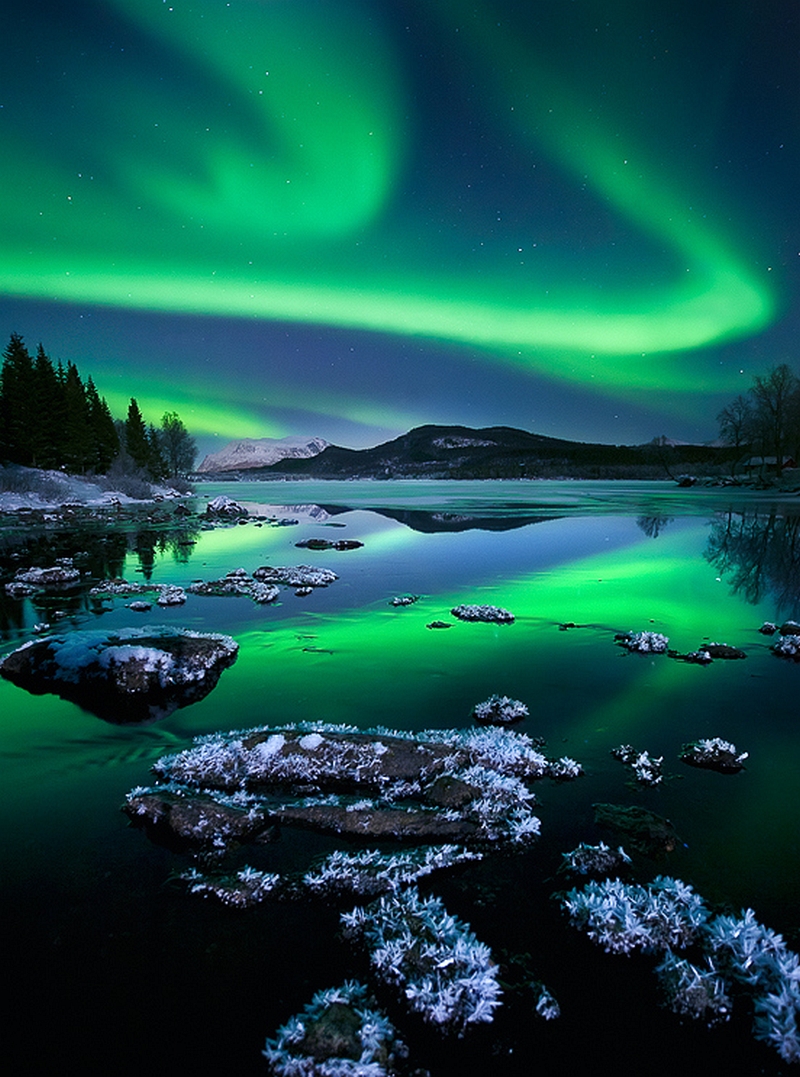
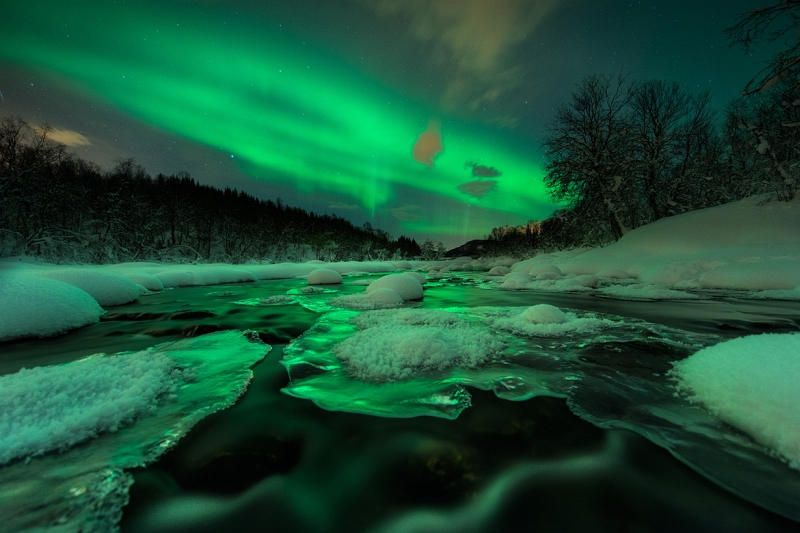
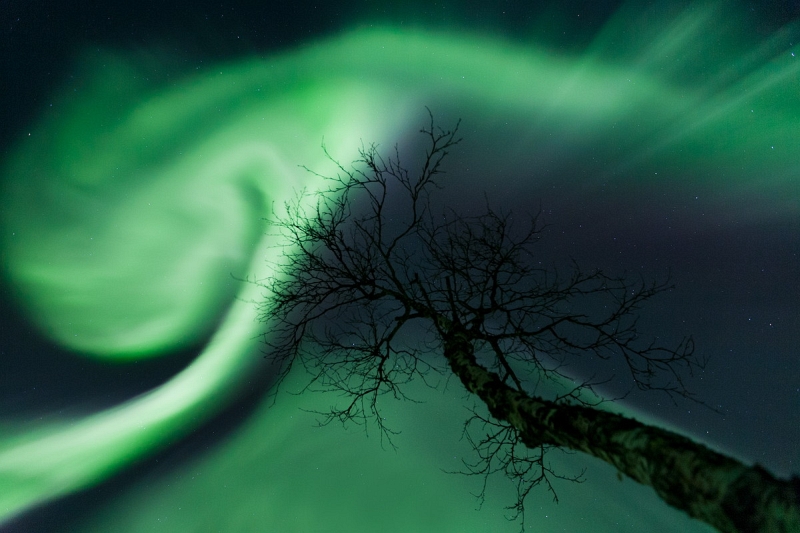
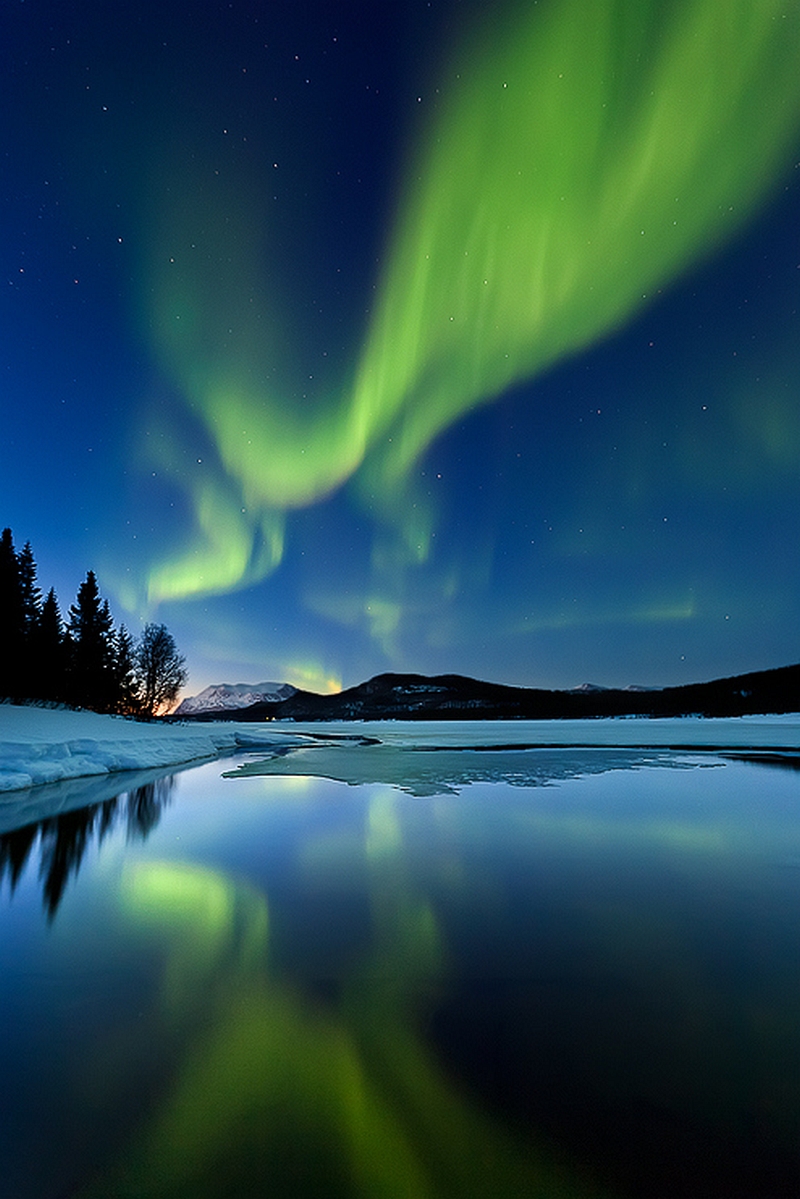 Photo Courtesy: Arild Heitmann
Voices across the night sky
Arild Heitmann’s frames often treat aurora as weather with architecture—bands and curtains that organize the dark. Arnbjorn Eythorsson brings another Icelandic and Nordic patience: cold clarity, careful horizons, light that feels earned rather than sprayed on.
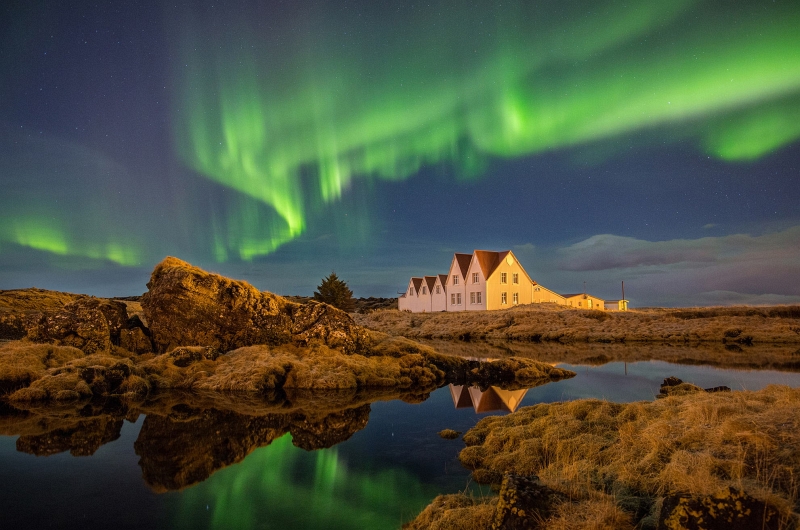 Photo Courtesy: Arnbjorn Eythorsson
Christian Bothner’s verticals push the eye upward until the aurora becomes a column or a falling veil. Vertical orientation is a quiet choice with big consequences: it turns sky into height, not just width, and makes trees or ridges into measuring sticks.
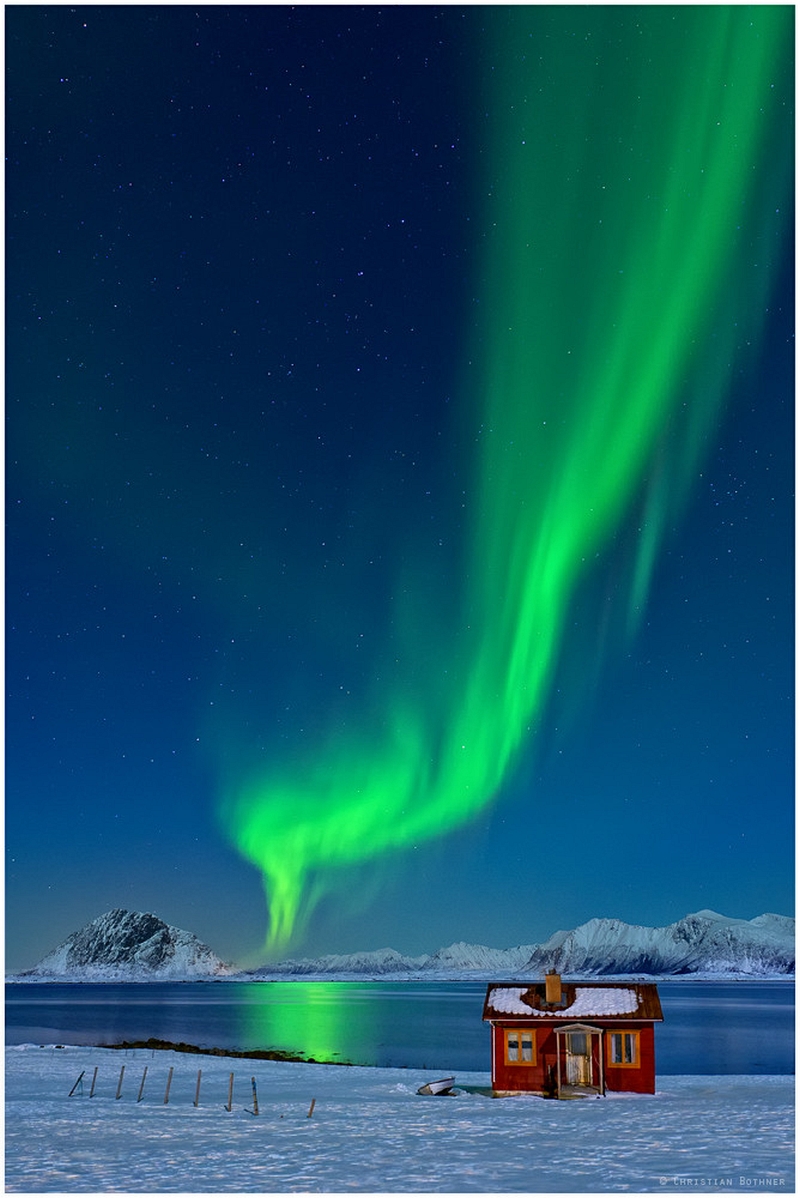
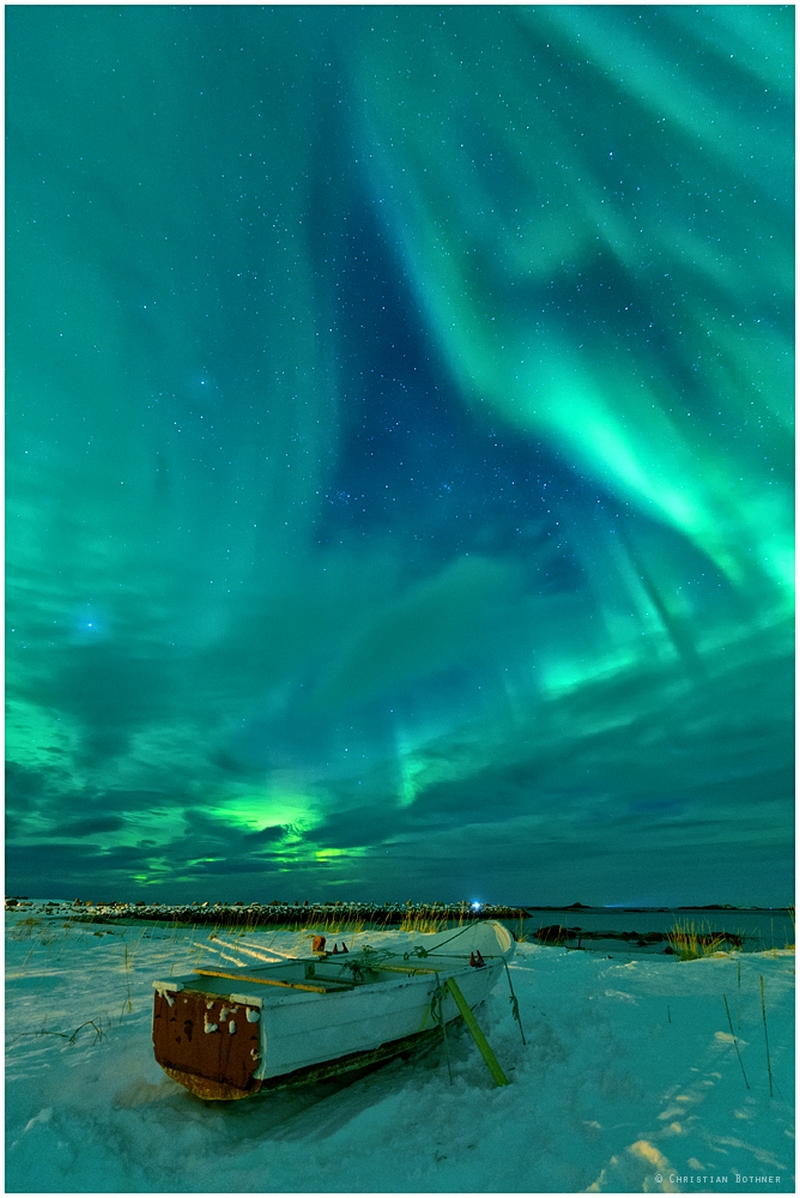
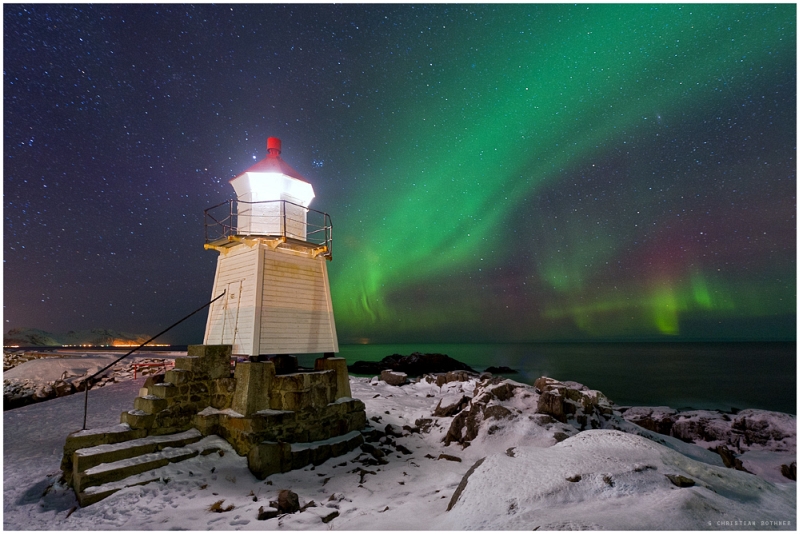
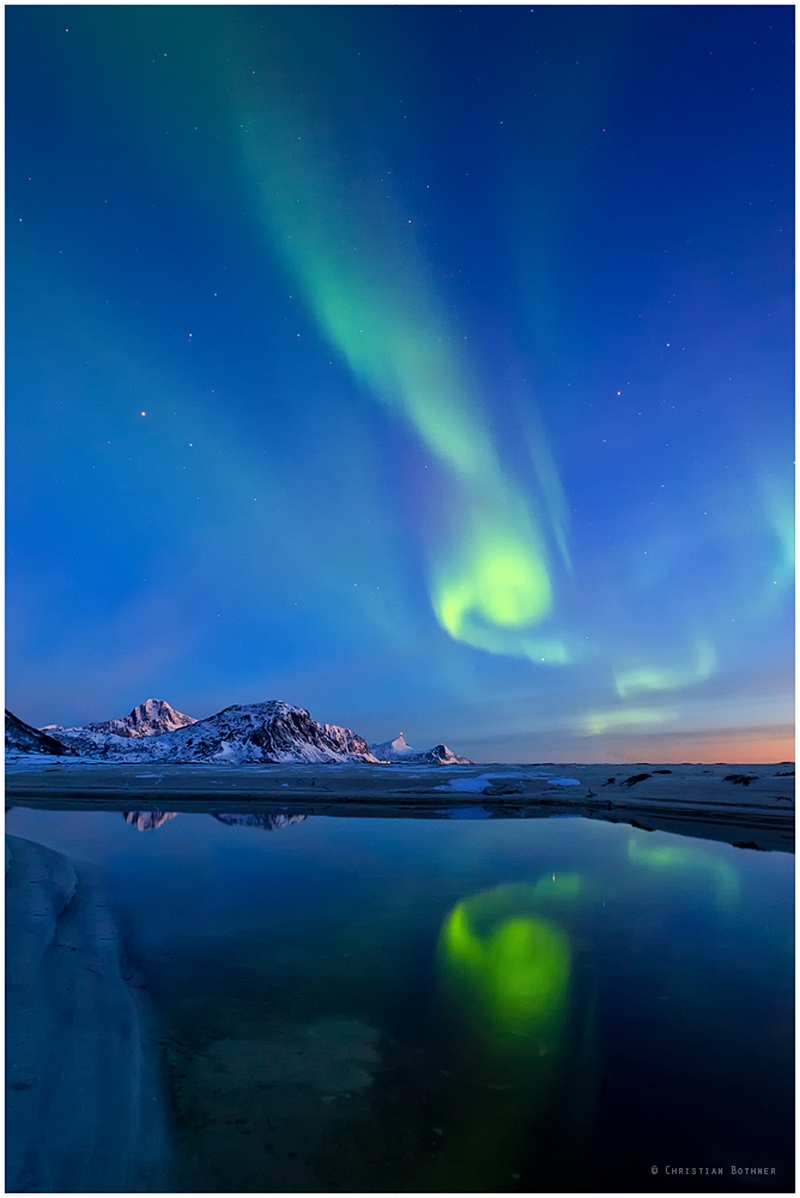 Photo Courtesy: Christian Bothner
David Marx’s Churchill, Manitoba scenes—aurora over trees, aurora above the Churchill Northern Studies Centre—tie the lights to a named northern place. Location captions do quiet educational work: they remind you that aurora is geography as much as magic.
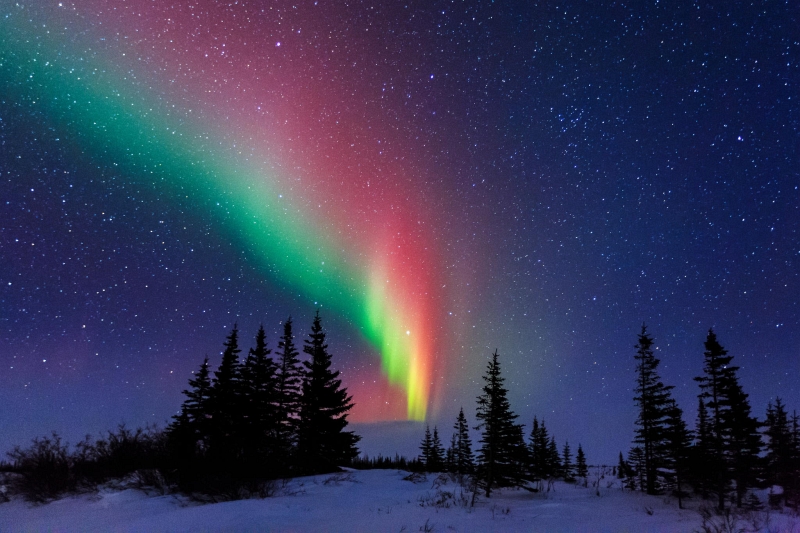
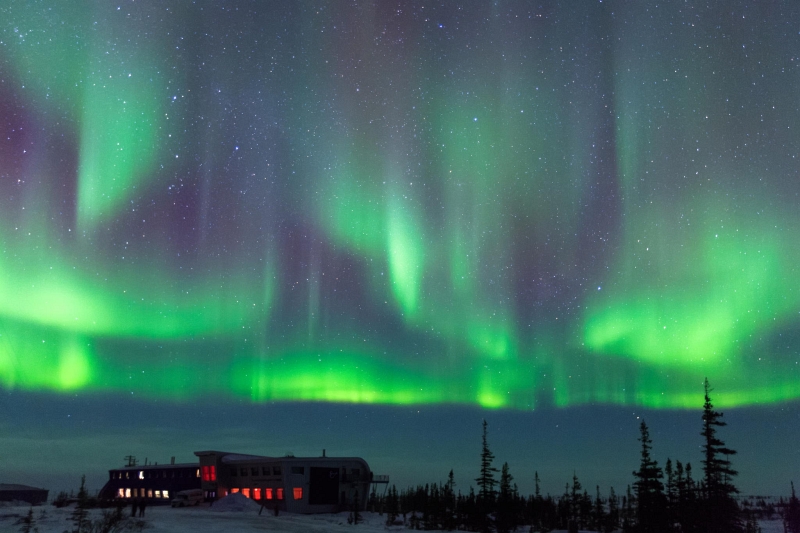 Photo Courtesy: David Marx
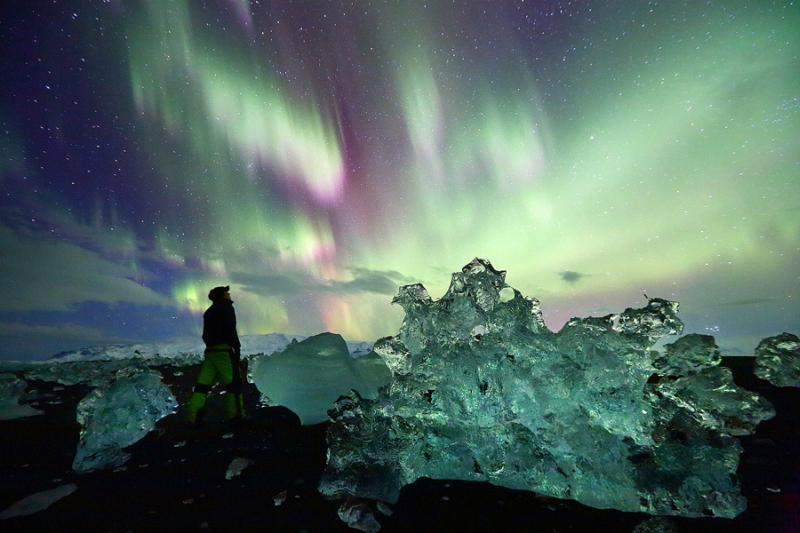
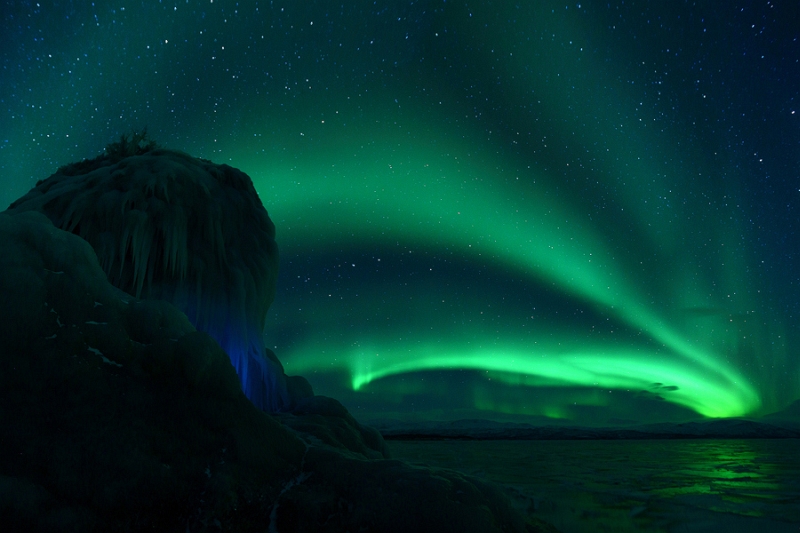 Photo Courtesy: James Appleton
How to look without rushing the miracle
Scroll galleries train you to consume aurora as candy. Slow down. For each image, find the darkest corner first, then climb toward the brightest ribbon. Ask whether the lights feel close—almost overhead—or distant like weather on a far ridge. That distance changes the emotion: intimacy versus pilgrimage.
Notice reflections and ice. Water doubles the show and softens it; snow reflects upward and can lift shadow detail. Trees interrupt the green with black calligraphy. Buildings introduce human scale and, sometimes, a warmer practical light that converses with the cold sky. James Appleton, Raymo Photography, Robert Novak, Steve Shuey, Stian Rekdal, Régis Matthey, and Þorsteinn H Ingibergsson each negotiate those partners differently. Comparing their choices is half the pleasure of a multi-author set.
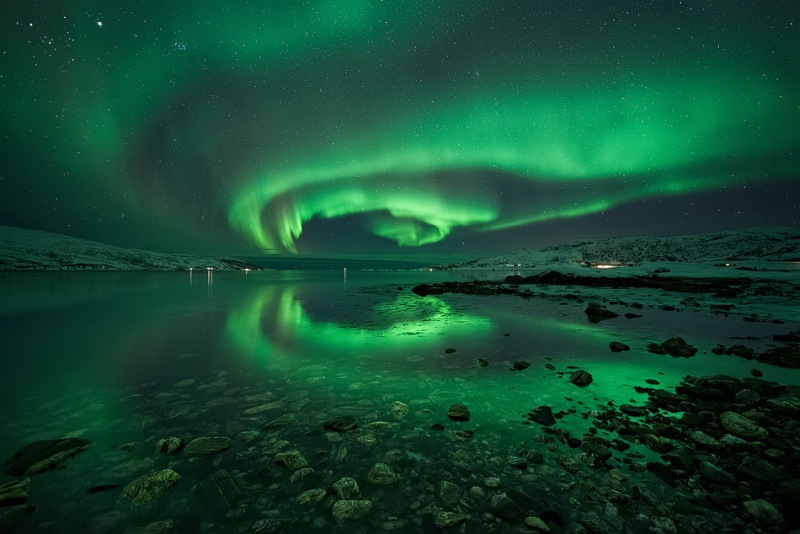
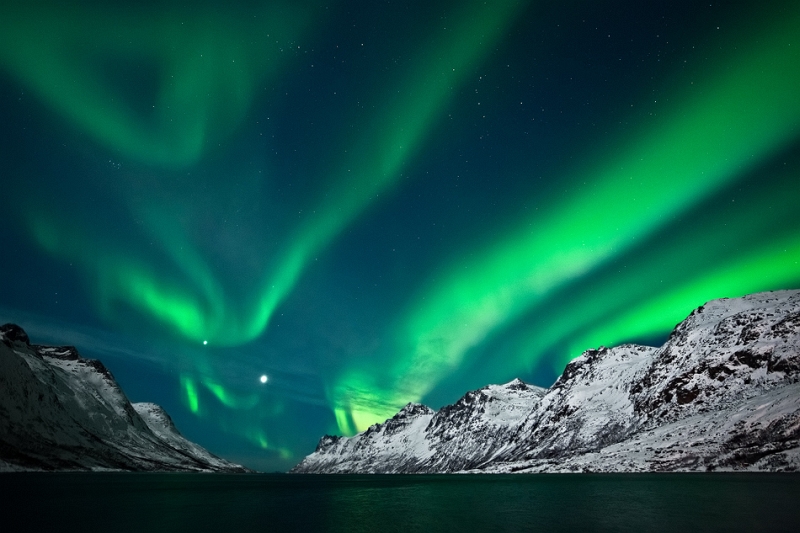
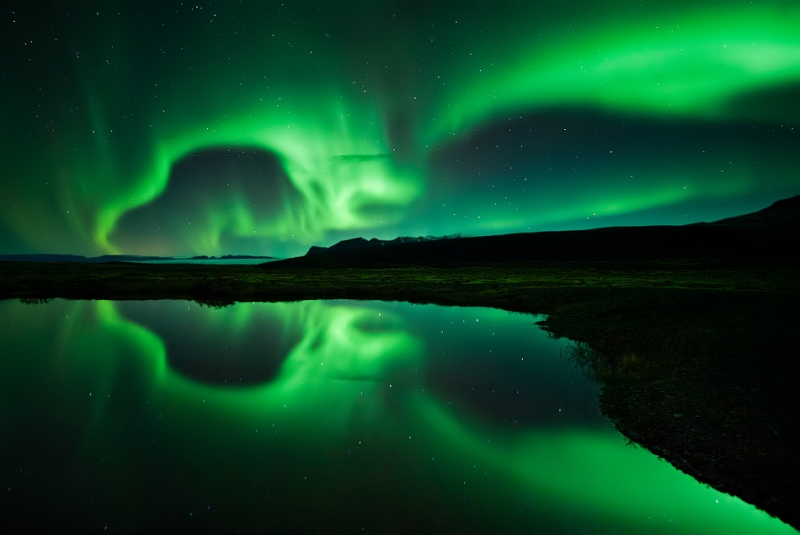
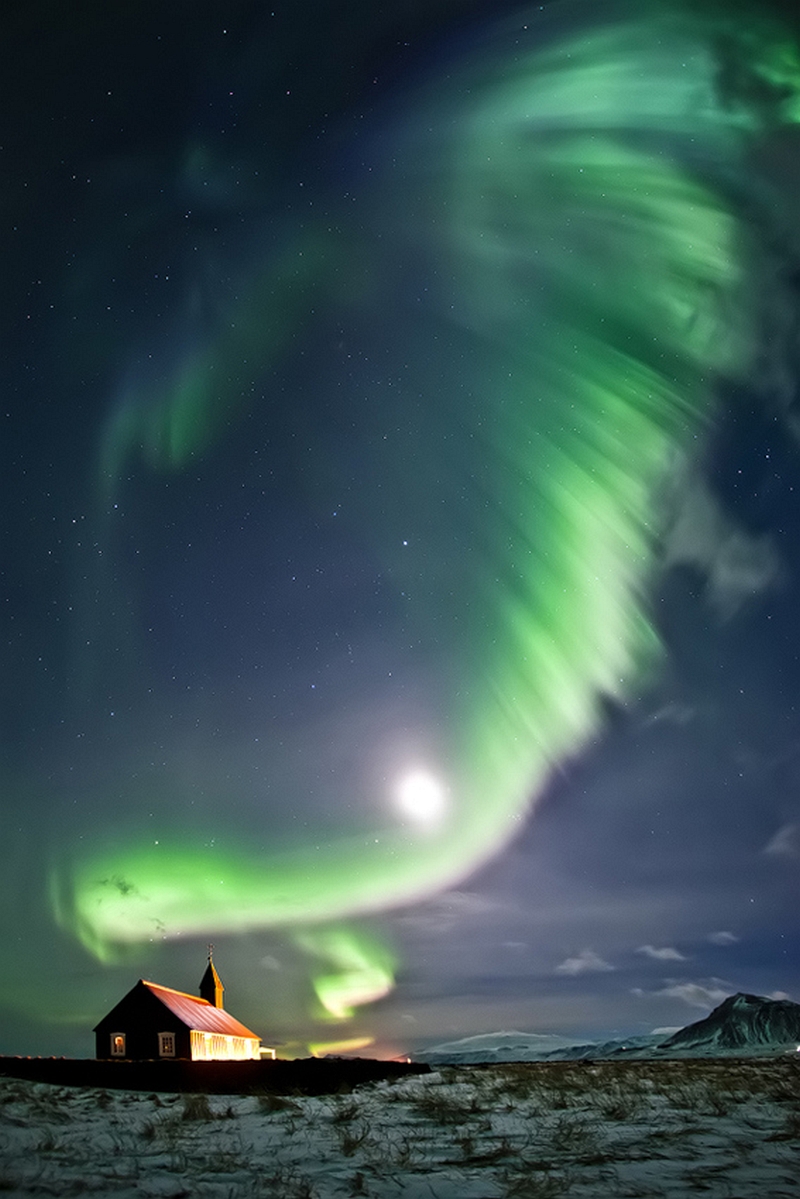
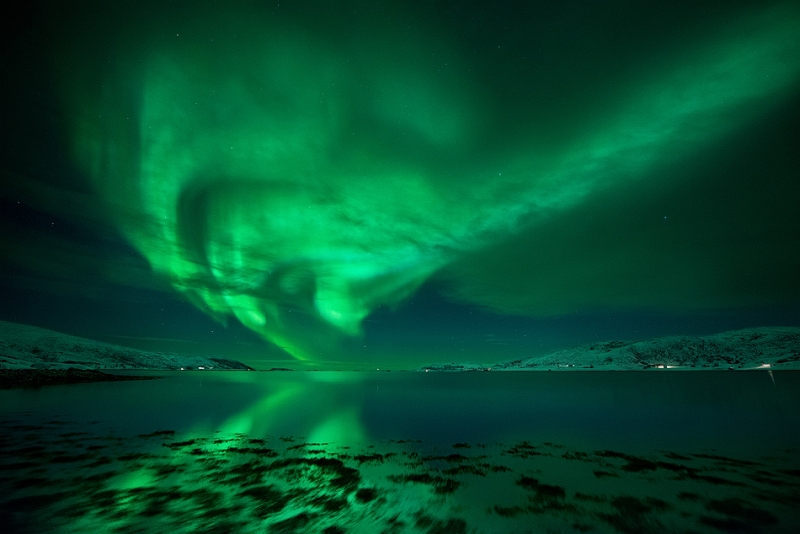 Photo Courtesy: Raymo Photography
Photo Courtesy: Régis Matthey
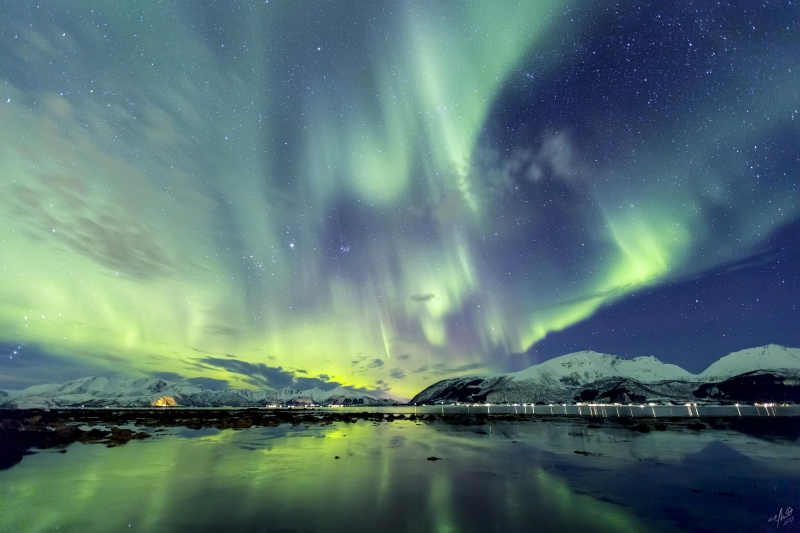
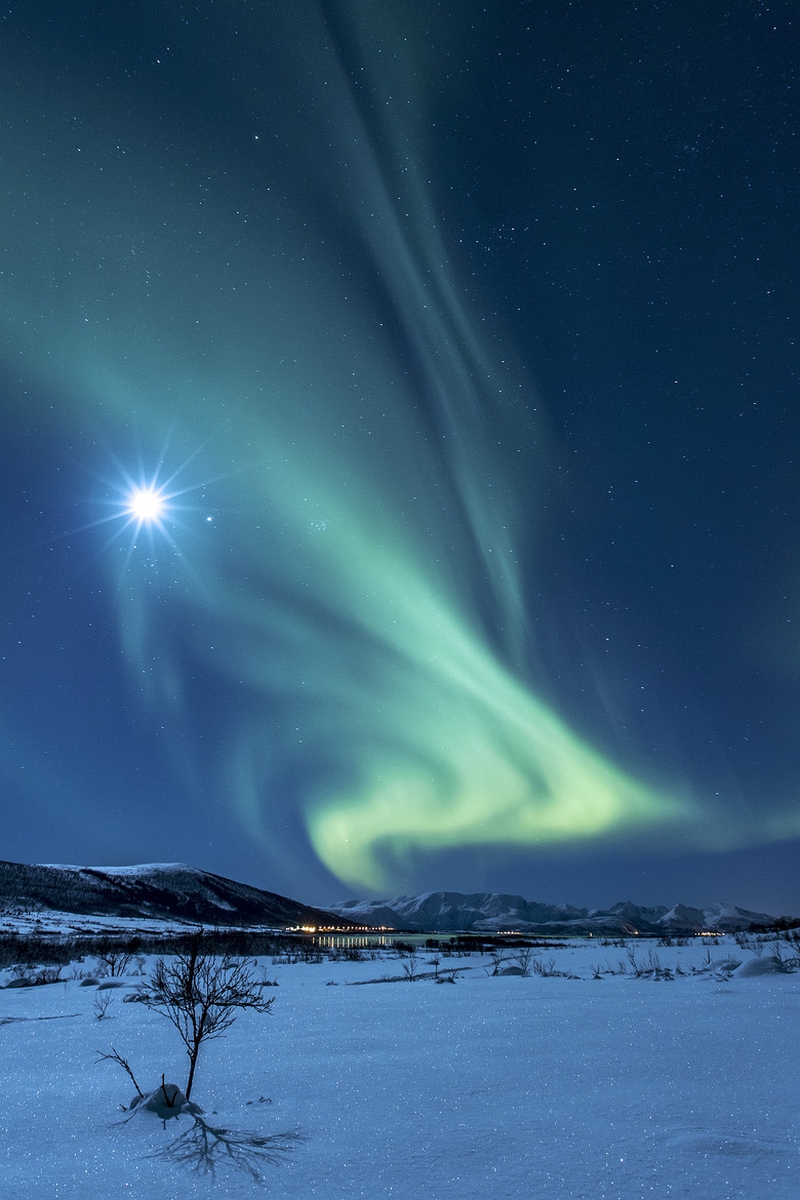 Photo Courtesy: Robert Novak
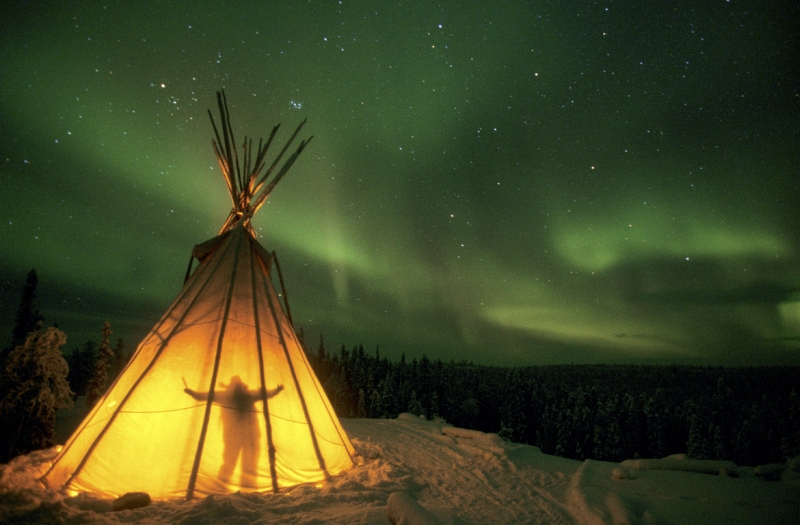 Photo Courtesy: Steve Shuey
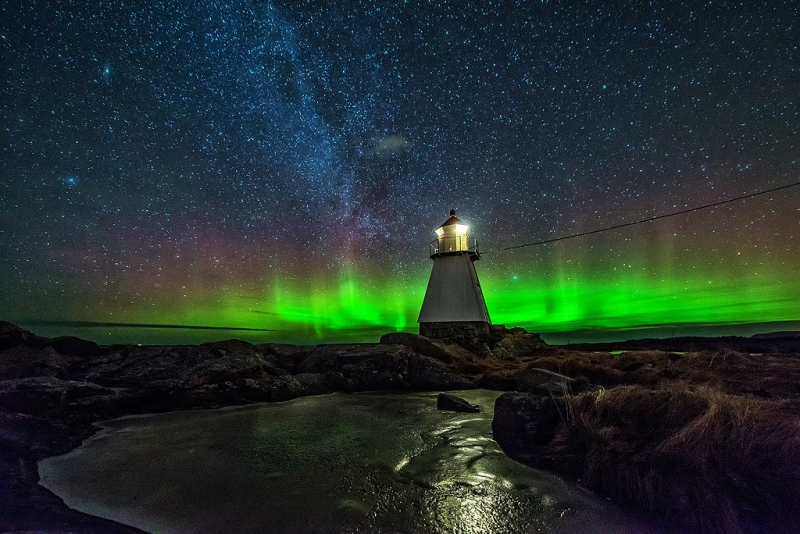 Photo Courtesy: Stian Rekdal
Practical dreaming, not checklist tourism
If these images sharpen your wish to see aurora in person, treat the wish as a planning problem rather than a bucket-list slogan. Latitude, season, cloud cover, and solar activity all argue with each other. Dark skies help; local knowledge helps more. Photography adds another layer: a steady tripod, a wide lens, and the humility to shoot many frames while the sky rearranges itself. None of that guarantees a night like the ones gathered here. It only improves your odds of being ready when the sky cooperates.
Respect for place belongs beside gear talk. Churchill’s trees and study-centre silhouettes, Nordic ridges, and quiet snowfields are not interchangeable green screens. Photographers who name locations and keep credit lines intact help viewers understand aurora as a regional phenomenon with local ethics—access, cold safety, and not treating every dark roadside as a private studio.
Viewing online, you can still practice field craft. Ask what focal length the scene implies. Guess whether the shutter was long enough to smear stars or short enough to keep them pin-sharp. Notice where the photographer stood relative to water or trees. Compare Heitmann’s architectural bands with Bothner’s vertical pull, Marx’s place-specific trees with Raymo Photography’s varied orientations, Appleton’s horizontals with Novak’s taller frames, Shuey’s and Rekdal’s quieter balances, Matthey’s and Ingibergsson’s credited presence in the set. Those guesses turn admiration into apprenticeship.
The lights keep moving after you look away
Aurora photographs freeze a motion that never really stops. The next night will write a different sentence across the same latitudes. That is why a multi-photographer gallery stays alive: each frame is a different handwriting on the same sky. Spend a final minute with one image—Heitmann’s weather architecture, Marx’s Churchill trees, Bothner’s vertical veil—and let the green settle. When you close the page, the wish may still be there. Photography cannot satisfy it completely. It can keep the wish intelligent, credited, and aimed at a real horizon—one you might eventually stand under, cold-footed and awake, while the sky revises itself again.

Comments
Continue reading
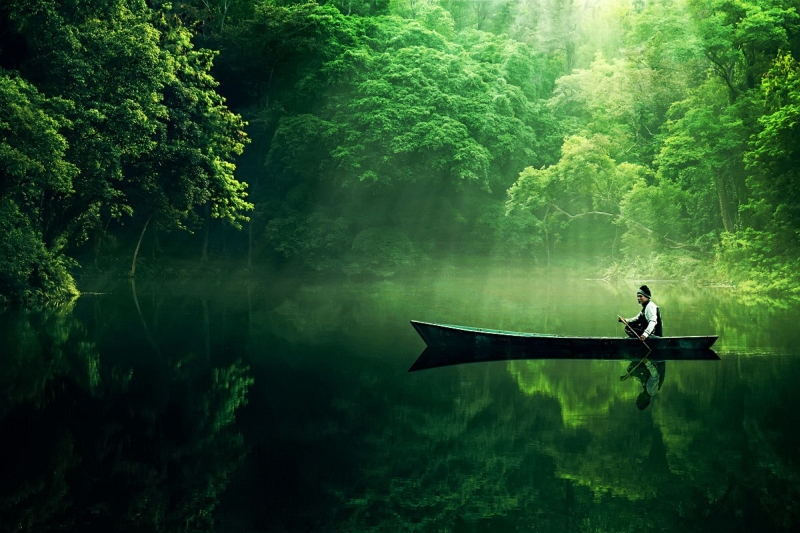
Dramatic Photo Art by Sukron Ma’mun (Ipoenk Graphic)
Cirebon, Indonesia photographer Sukron Ma’mun uses theatrical natural light to frame village life, play, and place in lyrical photo art.
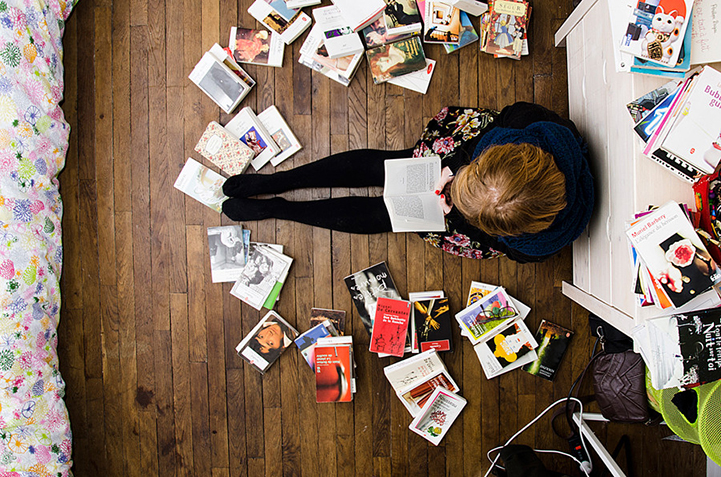
Bird’s-Eye Views: Florian Beaudenon’s Instant Life
Paris photographer Florian Beaudenon’s Instant Life series captures people in their rooms from above—intimate, collaborative overhead portraits of everyday joy.
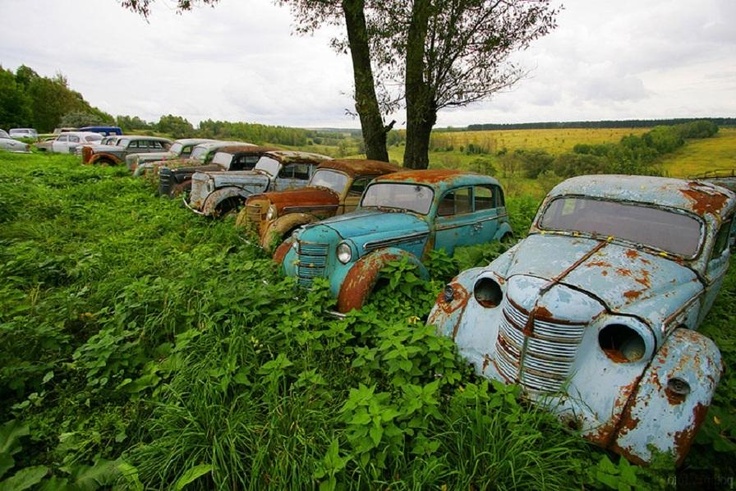
Abandoned Cars Reclaimed by Nature: Rust, Growth, and Quiet Ruin
When neglected vehicles are left outdoors long enough, rust, moss, and trees rewrite them into strange still lifes—sad, photogenic, and slowly returning to the ground.