
DIY Patchwork Tutorials: Clutches, Pillows, Furniture, Hexies, and Bags
Turn fabric scraps into patchwork clutches, pillows, chair and headboard covers, hexagons, wall pieces, dresses, trivets, and bags with pressing tips.
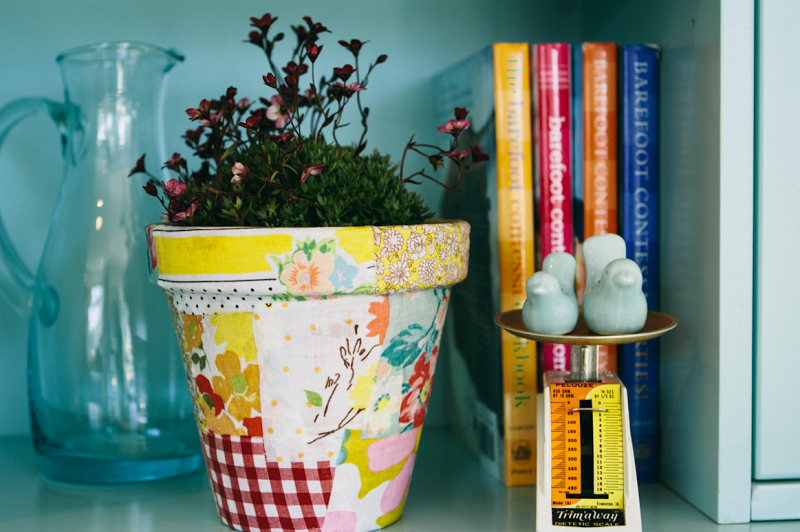
Scrap fabric piles grow quietly until a drawer will not close. Patchwork is the practical answer: small pieces become strips, strips become blocks, and blocks become something you actually use—a clutch, a pillow, a chair cover, a headboard panel, a dress panel, or a kitchen trivet. You do not need a quilt guild membership or a room-sized design wall. A consistent quarter-inch seam allowance, an iron you trust, and patience with pressing will take you surprisingly far.
The projects below move from accessories to furniture to wearables so you can pick a scale that matches your spare time. Start with cotton quilting weight if you are new; stretch knits and slippery synthetics fight beginners. Pre-wash fabrics that will be washed later so colors do not bleed onto a finished piece. Sort scraps by value—light, medium, dark—before you cut; value contrast does more for readable patchwork than hunting for a “perfect” print.
Clutches and small bags from bold blocks
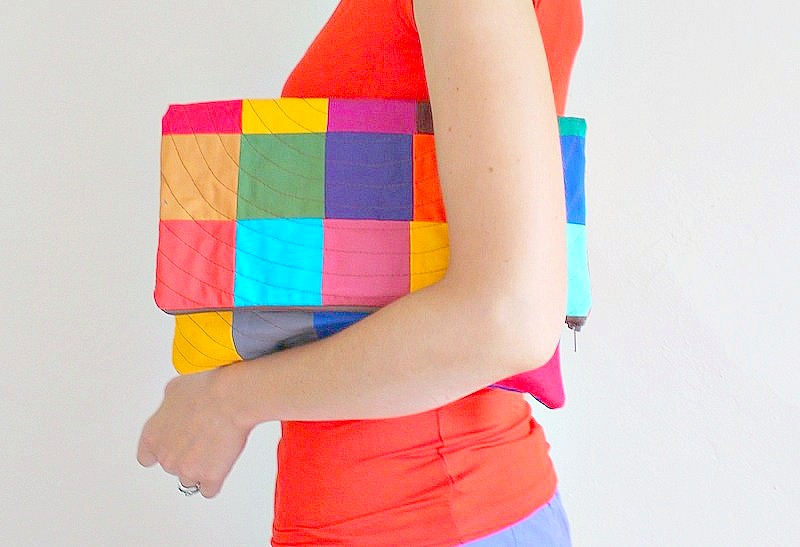
A statement clutch is a good first patchwork because the surface is small and mistakes stay manageable. Cut squares or rectangles, sew them into a panel large enough for the clutch front, press seams open or to one side consistently, then fuse interfacing to the wrong side so the bag holds shape. Add a lining, a zipper or magnetic snap, and optional wrist strap. Clip curves carefully if your clutch has rounded corners.
High-contrast prints read from across a room; low-contrast scraps look muddy unless you separate them with a solid sashing strip. Keep seam allowances accurate—on a small bag, a scant eighth-inch drift shows at the zipper. If your machine pushes light fabrics into the throat plate, start seams on a scrap leader so the first stitches stay straight.
Chairs, headboards, and soft furniture covers
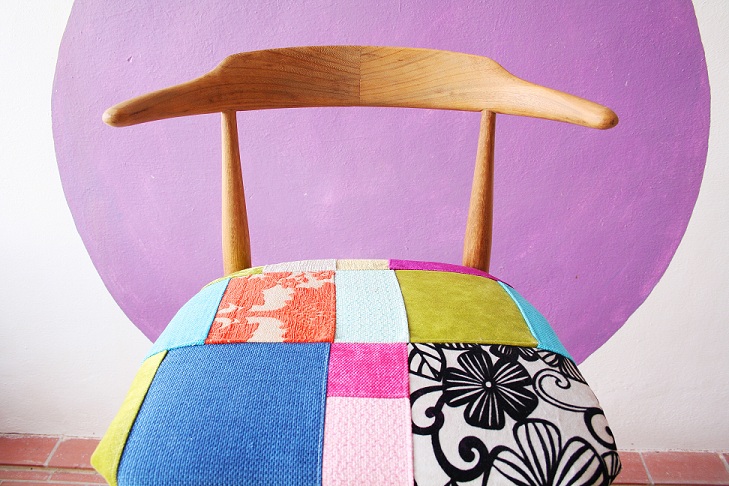
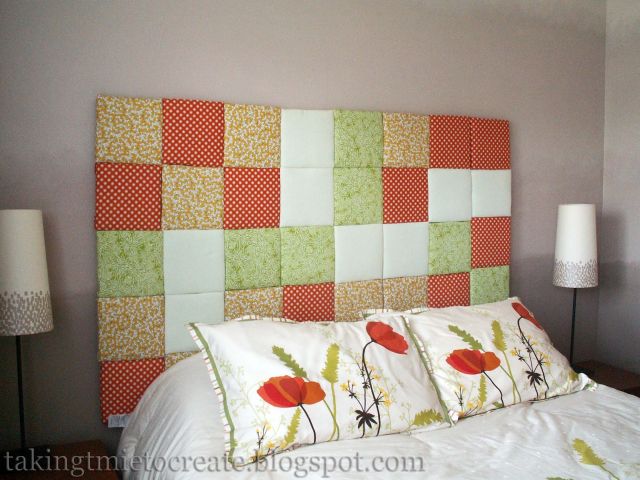
Patchwork chair covers and headboard wraps turn thrift-store frames into custom pieces. Measure the surface, add seam allowance and a little ease for curves, and build a panel slightly larger than needed so you can trim after quilting or after mounting. For a headboard, staple the finished panel to plywood from the back, pulling evenly so blocks stay square. Work from the center toward the edges the same way you would upholster a seat.
Chair seats take abrasion. Choose tighter weaves, quilt or underline the patchwork, and avoid delicate vintage handkerchiefs on the sitting surface—use those on a pillow instead. Removable covers with zippers or ties make washing realistic. If the chair is a dark wood showpiece, a quieter patchwork palette keeps the room from feeling like two competing furniture stores.
Pillows, floor cushions, and everyday soft goods
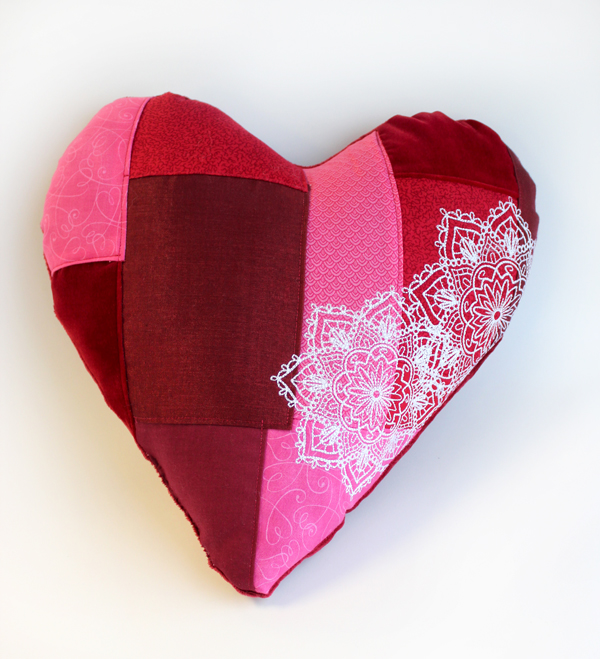
Pillow covers forgive learning curves. Sew a patchwork front, pair with a solid back and an envelope closure, and skip the zipper until you want polish. Floor pillows need heavier fabric or batting inside so they do not pancake in a week. Topstitch around the edge after stuffing to keep corners crisp. Use a pillow form one inch larger than the cover for a full look, or match sizes if you prefer a softer, slouchier seat.
Match the patch scale to the pillow size: tiny postage-stamp squares on a 24-inch floor cushion look busy; larger blocks calm the design. A single accent block in the center surrounded by quieter scraps often looks more intentional than random chaos. Insert a zipper along the bottom edge if the cover will be washed often—envelope backs are faster to sew but slower to launder cleanly.
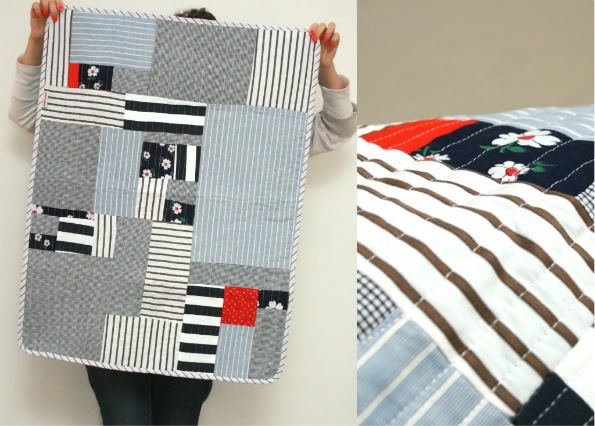
Hexagons, English paper piecing, and slow stitching
Hexagon “hexies” are classic scrap therapy. Baste fabric over paper templates, whipstitch edges by hand, then remove papers when a section is stable. The method travels well—no machine required on the train or sofa. Use consistent template sizes within one project so edges meet cleanly. Cardstock templates hold shape longer than copy paper if you reuse them across many hexes.
Hexagon table runners and small mats showcase the geometry without committing to a bed quilt. Press gently; aggressive ironing can stretch bias edges. When you join hex rows, pin intersections and ease rather than force mismatched points. A narrow binding finishes a runner so washings do not unravel the outer hexes.
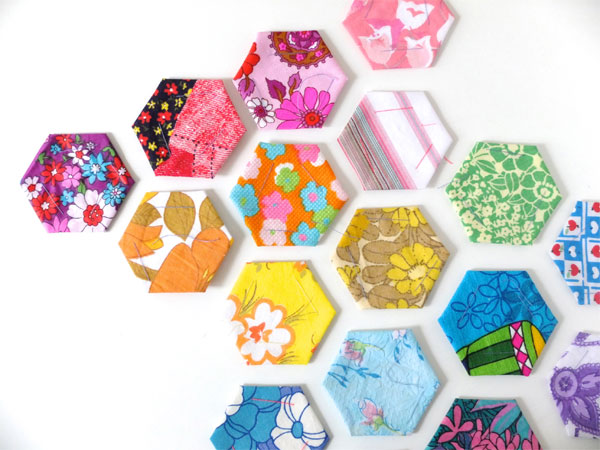
Geometric wall pieces without fabric guilt
Not every patchwork needs to be soft. Paper patchwork or fabric mounted under glass can fill a wall with geometry when you want color without another throw pillow. Cut precise shapes, arrange on a backing board, and adhere flat. Keep UV exposure in mind for bright prints that fade in sunny hallways—museum glass or a less harsh wall helps.
If you prefer stitchable wall art, quilt a small geometric panel, bind it, and hang from a rod sleeve. Label the year on the back—future you will want to know when the scrap story started. Mini quilts also make low-commitment gifts: finished in a weekend, mailed flat, and useful as table toppers later.
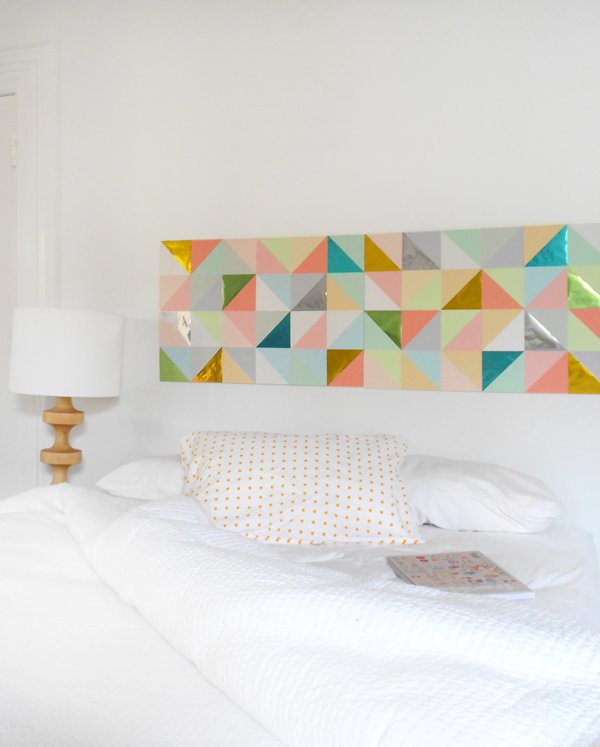
Dresses, bags, and wearable patchwork
Garment patchwork asks for lighter bulk. Stay with quilting cotton or lawn, grade seams, and place busy blocks away from high-friction underarm areas when possible. A patchwork skirt panel or dress yoke is easier than an entire body of uneven scrap weights. Staystitch curves before assembling so necklines do not stretch while you admire your blocks.
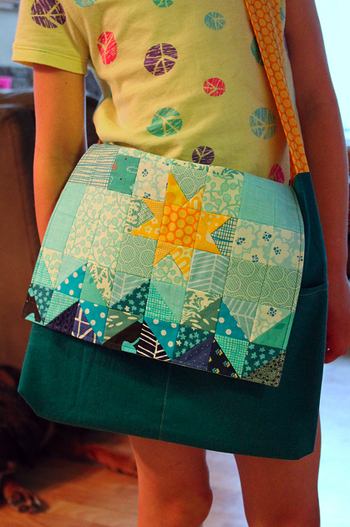
Messenger bags and structured totes need interfacing and durable base fabric. Reinforce strap attachment points with box stitches or a bartack. Decorative embroidery motifs can sit on a patchwork field, but stabilize the area first so stitches do not ripple. Test the bag empty and loaded—strap angle that looks fine on a dress form can dig when the bag holds a laptop and lunch.
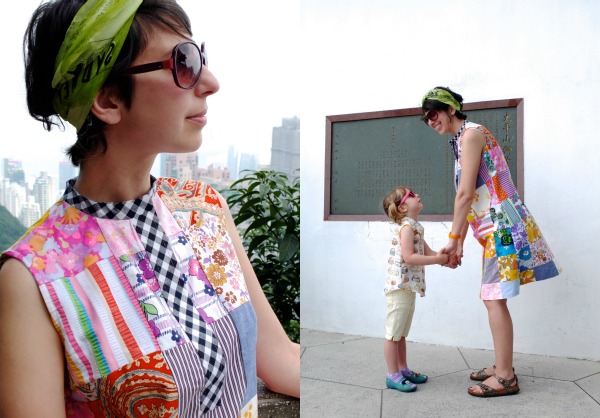
Trivets, pincushions, and scrap-busting minis
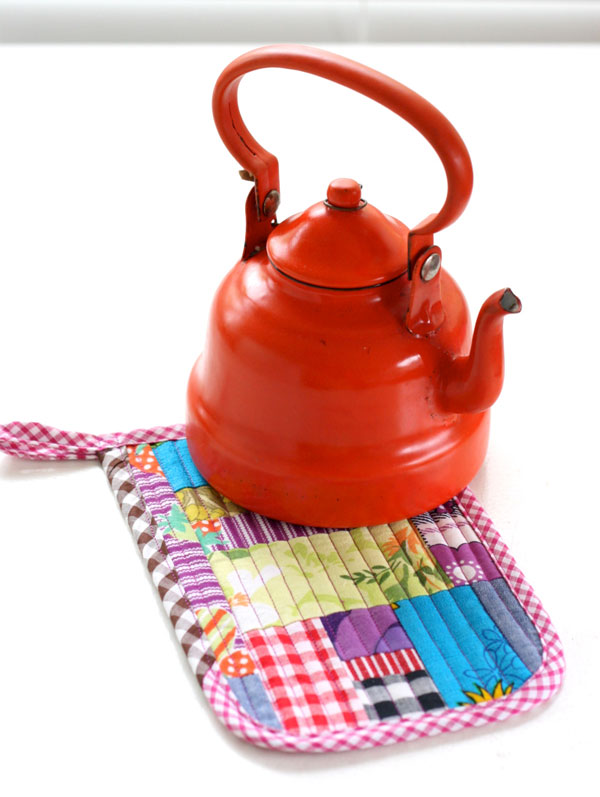
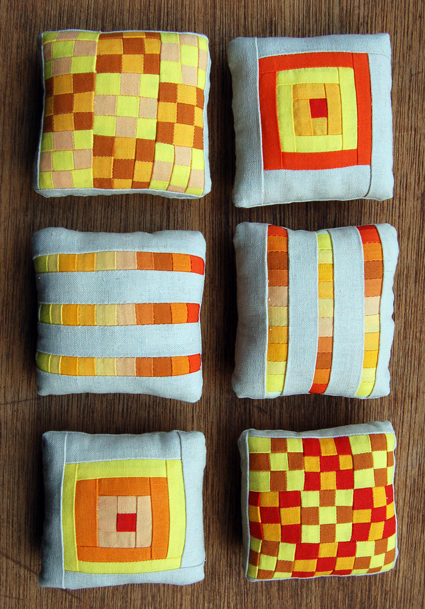
When motivation is low, sew something tiny. A scrappy trivet layered with heat-resistant batting or cotton batting protects a table and uses ugly leftovers. Confirm your batting’s heat rating before setting a cast-iron skillet on it—some craft battings are for warm mugs, not stovetop pans. Miniature patchwork pincushions practice precision seams and make quick gifts. Fill with crushed walnut shells or polyester fiberfill; keep sharp pins only in dedicated cushions, not in soft toys meant for children.
Habits that keep patchwork square
- Press every seam before crossing it with another.
- Trim dog-ears so bulk does not stack at intersections.
- Chain-piece similar units to save thread and time.
- Store sorted scraps by value as well as color.
- Stop when seams start wandering—fatigue creates trapezoids.
Pick one unfinished scrap stack and turn it into a single pillow front this weekend. When that cover lands on the sofa, the larger headboard and dress ideas stop feeling abstract—they become the next panel in a system you already understand.

Comments
Continue reading

21 Simple Tin Can Craft Ideas for Home, Gifts, and Parties
From punched lanterns and vertical gardens to desk caddies and wedding cans—twenty-one practical ways to upcycle soup, tea, and candle tins.
DIY Ideas for Old Socks: Rugs, Puppets, Mittens, and More
Sort leftover socks by fiber, then turn them into braided rugs, hand puppets, soft toys, mittens, and pin cushions with practical cutting and sewing tips.
DIY Ideas with Lace Doilies
Upcycle heirloom lace doilies into framed art, runners, pillows, lamps, and more—practical craft projects that keep the crochet visible.