
Street Style Winter: Coats, Boots, and Cold Architecture
Cold-weather street fashion where the coat is the outfit—layering without bulk, boots that handle ground truth, and texture over neon brightness.
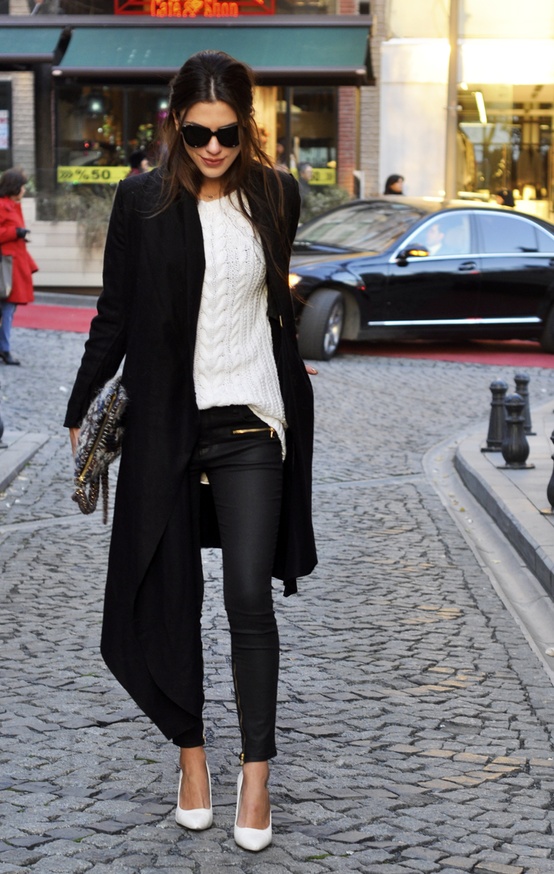
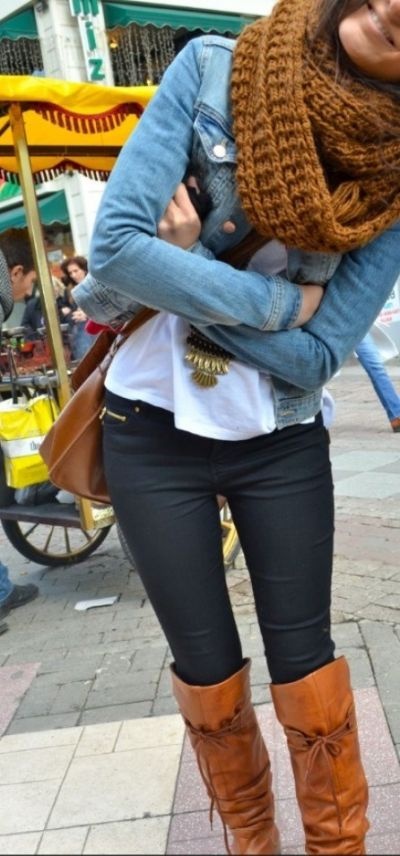
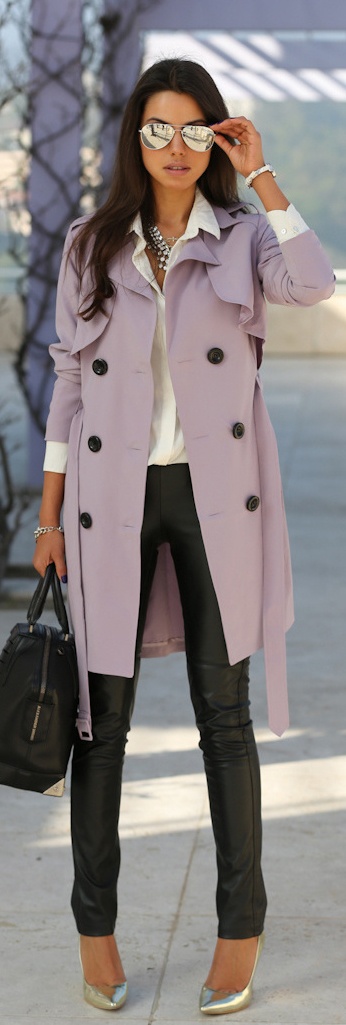
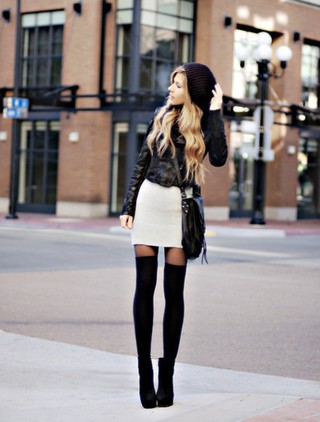
Winter street style is a different sport from summer ease or spring neon. Cold is not a backdrop; it is the opponent and the co-designer. Every outfit has to answer wind, wet sidewalks, indoor heat spikes, and the sheer bulk of garments that keep you alive. The original page here was mostly a gallery of coats, boots, and layered city looks—advertisements stripped away, images left to argue that winter fashion is architecture first and colour second.
Where summer asks for airflow and winter asks for insulation, the visual language flips. Coverage becomes the silhouette. Outerwear becomes the outfit. Accessories stop being optional punctuation and start being climate tools that also happen to style: scarves, gloves, hats, heavy bags, boots with actual soles. Looking sharp in January means looking like you expected the weather.
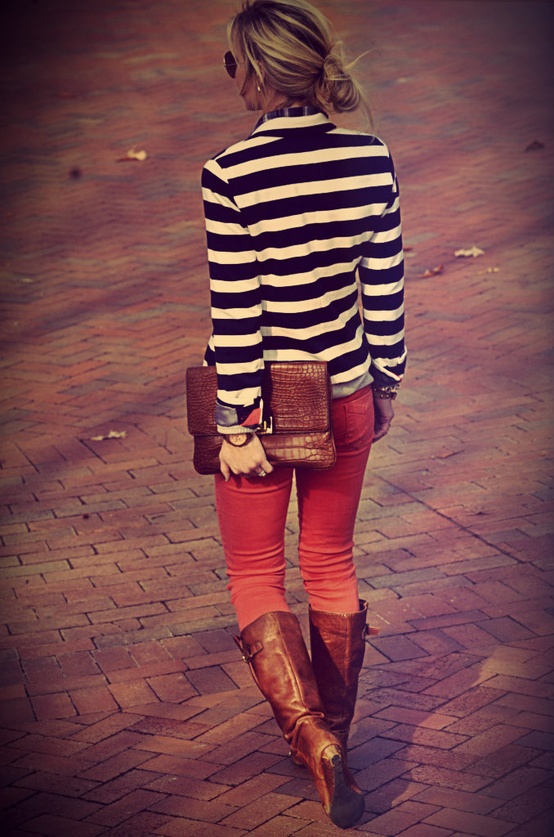
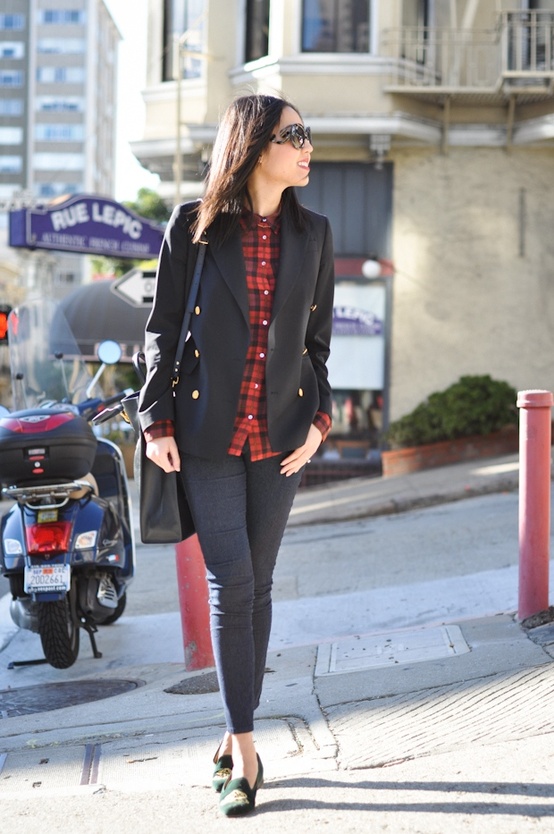
The coat is the outfit
In mild seasons, a jacket finishes a look. In winter, the coat often is the look. That means cut, length, and fabric deserve more budget and attention than the sweater underneath, which may never be seen on the street. A strong coat can make simple black trousers and a knit look intentional. A weak puffer with no shape can make careful tailoring underneath invisible—or worse, ridiculous when you remove the coat indoors and reveal a mismatch.
Length changes the story. Cropped jackets emphasize legs and need serious bottom halves and boots. Mid-thigh coats are versatile city armor. Long coats create drama and warmth but demand walking clearance and can collect street spray. Choose length for your transit life, not only for photographs. If you climb stairs and board buses daily, test the hem in motion.
Layering without the marshmallow effect
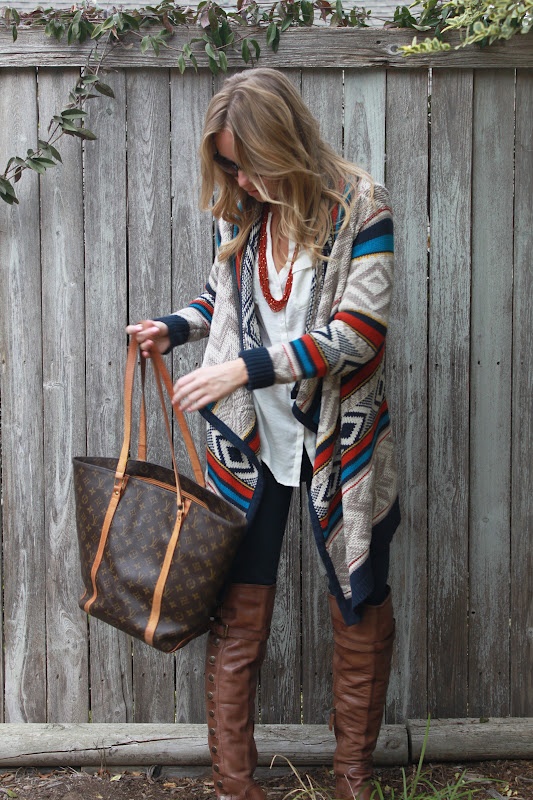
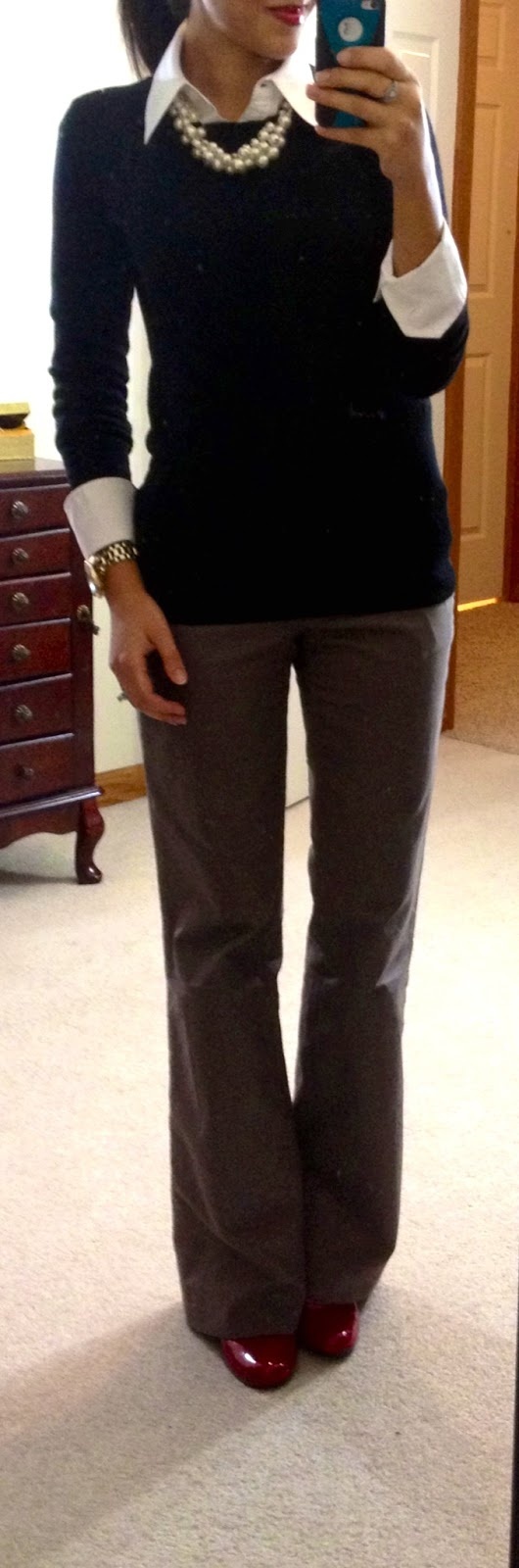
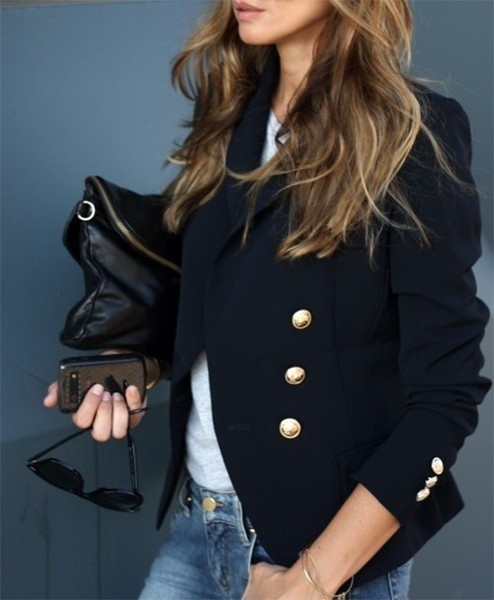
Bulk is honest in winter, but uncontrolled bulk looks accidental. The usual fix is graduated volume: thinner layers near the body, structured mid-layers, outer shell with a clear outline. A slim knit under a tailored blazer under a roomy coat often looks sharper than three thick sweaters fighting for the same space. Thermal base layers can be invisible insurance so your visible clothes stay designed rather than desperate.
Texture replaces bright colour as winter’s entertainment. Wool, leather, shearling, corduroy, ribbed knits, and matte technical shells create depth when palettes go dark. That is a major difference from neon-season street style: winter rarely needs fluorescent accents to feel alive. A camel coat against black, a burgundy scarf against charcoal, or polished boots against raw denim can provide all the contrast required. Save electric brights for a beanie or gloves if you want a signal colour without freezing for fashion.

Boots, hems, and ground truth
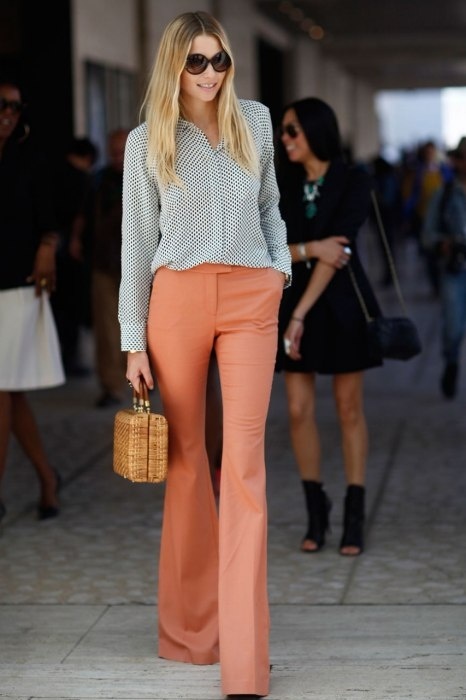
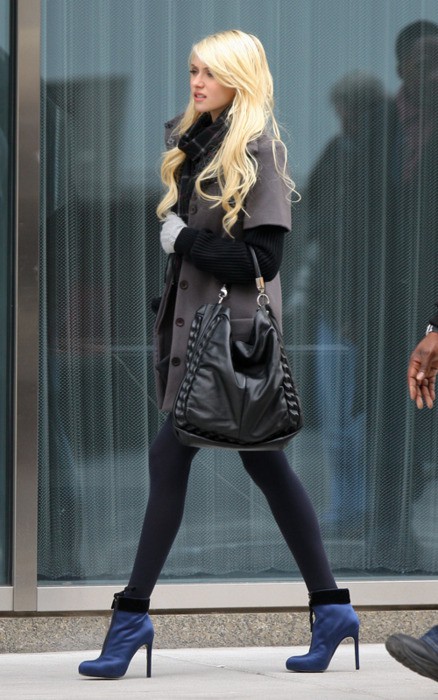
Winter style fails at the ankle more often than at the collar. Boots must handle salt, slush, and distance. Fashion boots with smooth soles can be beautiful and treacherous. Invest in grip and weather resistance for daily wear; save delicate heels for dry evenings and short routes. Trouser and skirt hems should negotiate boots deliberately—cropped to show shaft, long enough to break cleanly, or tucked with intention. Accidental pooling in dirty meltwater is not a look.
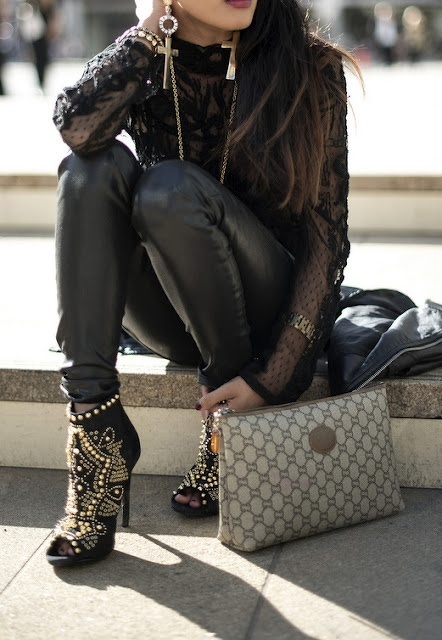
Socks and tights are visible design now. A flash of ribbed knit can sharpen a coat-and-boot column. Sheer tights in deep cold are bravery bordering on fiction; opaque tights and thermal options keep the outfit wearable. Matching the boot leather to the bag can quiet a busy palette; contrasting them can energize a monochrome coat.
Hats, scarves, and the face frame
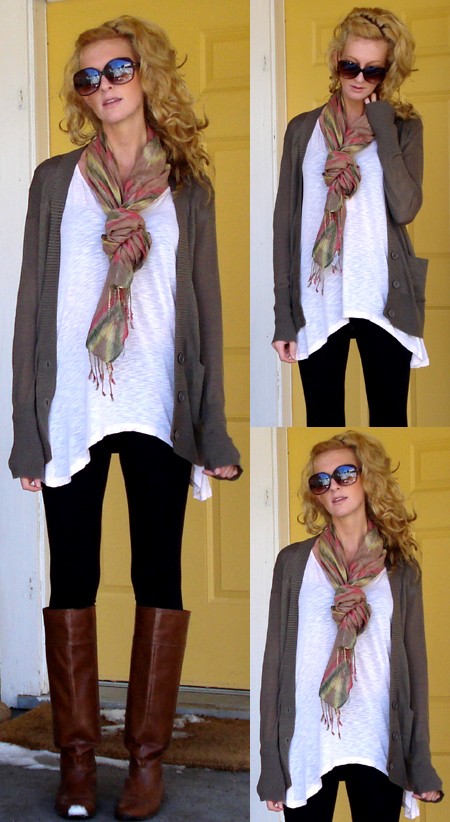
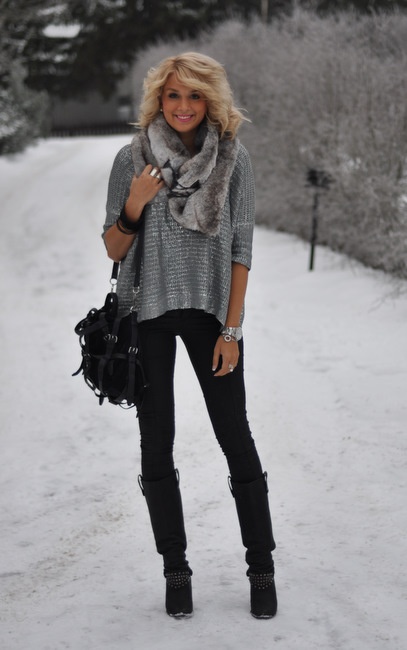
Winter accessories sit next to your face, so they style your portrait whether you like it or not. A hat that flattens hair into misery will be removed and then you will be cold. Choose shapes you will actually keep on: beanies with some structure, berets if they suit you, brimmed felt when rain allows. Scarves can be the colour story of an entire monochrome outfit. Gloves should not be an afterthought; missing gloves turn elegant coats into pockets-full-of-fists posture.
Hair and makeup shift with dry indoor heat and wet outdoor air. Static, chapped lips, and red noses are seasonal facts. Practical grooming—balm, softer fabrics at the neck, a hat that does not sandpaper your forehead—supports the clothes. Winter polish is less about glow and more about not looking eroded by the commute.
Indoor reveal and the commute problem
Unlike summer, winter outfits have a second act: what remains when the coat comes off. If your indoor life includes offices, classrooms, or dinners, the mid-layers must stand alone. That is why a decent knit, shirt, or dress under the coat matters even if the street never sees it. Plan both states. A spectacular coat over pajamas-quality loungewear only works if you never unbutton.
Bags need to carry more in winter—chargers, spare gloves, maybe a compact umbrella—without destroying the coat’s line. Crossbodies can fight with bulky closures; totes and structured shoulder bags often sit cleaner over heavy outerwear. Check how straps interact with collars before you commit to a daily combination.
Colour in a cold month
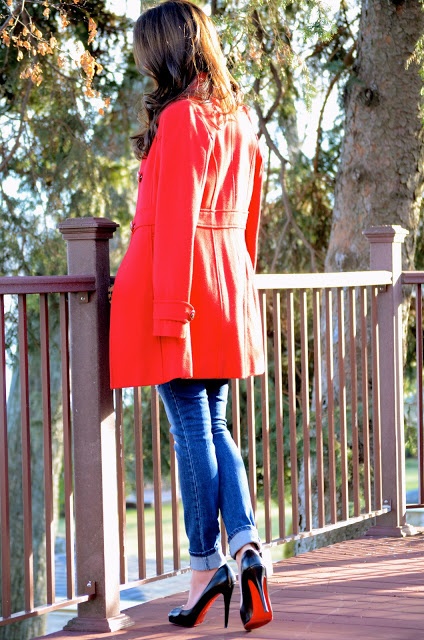
Winter colour strategy differs from neon season framing on purpose. Deep jewel tones, camel, forest, burgundy, and ivory do more work against snow and concrete than fluorescent accents usually can—those brights fight both the weather gear and the low sun angle. If you crave a loud note, put it in a scarf, beanie, or bag so you can dial it down indoors. Let the coat stay classic enough to survive multiple winters; let the small pieces rotate with mood.
Black remains useful, but all-black winter outfits need texture breaks—leather against wool, matte against shine, knit against shell—or they disappear into evening sidewalks. A single lighter coat or scarf can restore readability in photographs and in real life when someone is trying to find you outside a station.
A winter checklist that is not summer advice in a scarf
Ask different questions than you ask in July. Will this coat still look composed after rain? Can you walk thirty minutes without regretting your shoes? Does the outfit have a clear outline, or is it a stack of similar greys with no shape? Is there one texture or colour break so the monochrome does not flatten into fog? Can the mid-layers face fluorescent light alone?
Winter street style rewards people who respect cold as a material. The gallery’s coats and boots are not mood decoration; they are the grammar of the season. Dress for the weather with enough intention that warmth looks like a choice. When the outline is strong and the ground game is honest, January stops being a pause between fashionable months and becomes one of the best times to look unmistakably dressed.

Comments
Continue reading
Global Street Style #3: Color, Warm Climates, and Hero Accessories
LA, Mediterranean, and Rio-spirited street looks where bags, shoes, sunglasses, and jewelry lead the silhouette instead of heavy coats.
Global Street Style #2: Layering in Tokyo, Seoul, and London
Creative-district street fashion through denser stacks—texture contrast, length mismatch, and cold-weather layering moves that still walk.
Global Street Style: Fashion Capitals and Coat Architecture
How to read polished sidewalk style from Paris, Milan, and New York—coats, shoes, bags, and the five cues that make capital-city looks click.