
Fall '13 Street Style: Neon to Neutrals and Extreme Layering
How late-2013 sidewalk fashion demoted fluoro to accents, promoted coats and texture, and made transitional layering the real trend.
By late August 2013, the fluorescent summer that had owned fashion-week sidewalks was cooling off—literally and chromatically. Street style did not abandon neon overnight; it demoted it. Camel coats, gray knits, black leather, and white winter layers moved to the center of the frame, while acid yellow, shocking pink, and lime survived as beanies, soles, bags, and one deliberate skirt. Fall ’13 street fashion is best read as a transition season: how to keep the energy of summer color while dressing for wind, layering, and shorter days.
That transition is why fall street-style galleries from this moment still feel useful. They are not pure trend catalogs and not pure winter prep guides. They sit in the awkward, interesting middle—when you still own the neon sandals but need the scarf, when denim returns with a cuff, when the coat becomes the main character again. Learning to dress that middle is a recurring skill, not a one-season trivia fact.
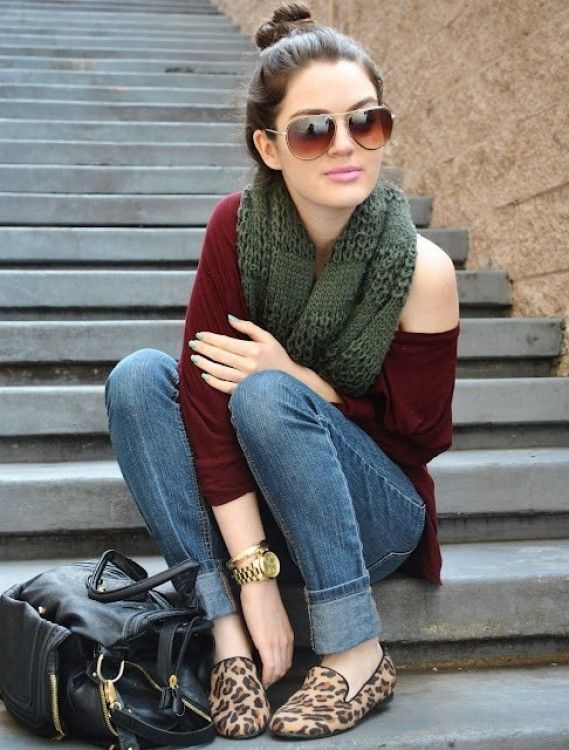
The single look that anchors this page already tells the story. A burgundy off-shoulder top, an olive chunky infinity scarf, cuffed blue jeans, leopard flats, gold aviators, and a black structured bag on concrete steps. Jewel tone meets earth tone; animal print sits at the feet instead of shouting from a full outfit; denim keeps the silhouette ordinary enough to walk in. It is autumn without costume drama—and it is a useful template for the season’s bigger themes.
From neon season to neutral season
Spring and early summer 2013 had trained eyes to expect saturation. Fall collections and the street photographs around them answered with sobriety: camel, charcoal, flesh-toned neutrals, crisp white, experimental black. London and New York runways both pushed white as a cold-weather option and treated black as a canvas for texture rather than a void. On the sidewalk, that translated into coats that did most of the talking and accessories that supplied the remaining spark.
The smartest transitional outfits kept one neon memory alive against an otherwise grounded palette—a lime cuff under a gray sleeve, a pink lip with an army jacket, a fluorescent knit beanie over an all-black base. Neutral-plus-neon became a shorthand formula because it solved two problems at once: seasonal appropriateness and visual novelty. You looked dressed for September without looking as if you had forgotten July.
There is an emotional side to the shift as well. Neon dressing is optimistic and highly visible; neutrals ask for subtler confidence—cut, fabric, and layering instead of hue. Fall ’13 street style often shows people negotiating that emotional gear change in public, one coat at a time.
Extreme layering as silhouette, not just warmth
Fall 2013 fashion weeks made extreme layering a headline for a reason. The working method was balance: start thin and close to the body, then stack thicker fabrics outward—leather over knit, coat over dress, scarf over collar. Street style copied the logic even when the pieces were less precious. A bandage-tight base under a boyfriend coat, socks with heels under a long outer layer, a fine knit peeking from a structured jacket: the stack created volume at the perimeter and clarity at the core.
Getting the order wrong is how layering fails. A bulky sweater under a slim leather jacket fights itself. A heavy scarf over an already high collar can erase the neckline entirely. The burgundy-and-olive look above uses the scarf as the thickest neck element and lets the top stay smoother underneath—texture contrast without bulk chaos.
Texture mixing mattered as much as count of layers. Fur against leather, chunky wool against sleek denim, pony hair against matte cotton—photographers loved the friction. When color stays relatively controlled, texture has to carry interest. Fall is the season when fabric itself becomes the accessory.
A practical Fall ’13 street wardrobe
Coats first. A camel or gray overcoat, a black leather jacket, and one unexpected color coat (deep green, wine, or a leftover neon) cover most sidewalk temperatures. The coat is the season’s main character; everything underneath can be simpler. If budget forces a single purchase, make it the coat that photographs well open and closed.
Denim with a cuff. Slim jeans rolled to show ankle or sock became a recurring street note. The cuff shortens the leg line just enough to show footwear—important when shoes are doing contrast work with animal print or metallic creepers. It also signals a break from summer’s longer, looser hems.
Scarves as architecture. Infinity knits, printed wraps, and lined coat collars were not afterthoughts. They finished the neckline the way a statement necklace had finished summer tops. A scarf can also demote a leftover neon piece: fold a bright silk into a neck accent against gray wool and you have retired it from hero status without discarding it.
Shoes that bridge seasons. Leopard flats, heeled booties, socks-with-heels experiments, and the occasional bright sneaker all appeared between shows. Choose one statement pair and let the rest of the outfit stay calmer. Transitional weather punishes open summer sandals long before it punishes a printed flat.
Bags with structure. Soft summer totes gave way to zippered satchels and architectural leather. Hardware—gold zippers, visible clasps—reads clearly in overcast light. The black bag beside the steps in the photo above is doing quiet structural work: it anchors the leopard flats so the print does not float.
Color recipes that survived the calendar flip
Three combinations kept showing up in late-2013 street coverage and remain easy to rebuild:
- Burgundy + olive + denim — jewel and earth together, blue jeans as mediator (as in the photo above).
- Camel + black + one metallic or neon accent — the polished fashion-week commute look.
- All-neutral base + single fluorescent accessory — the cleanest way to retire summer brights without throwing them away.
Deep green with navy and a red lip offered a quieter color story for people who were finished with fluoro entirely. White outerwear against gray pavement did the opposite job of neon: it brightened the day through value instead of hue. Mixing those recipes week to week is how a closet survives September without looking like a costume change every Monday.
What “trendy” meant in August 2013
Browsing fall street style before shopping was practical advice then, and it still is. The season’s trends were less about one must-buy item and more about a shift in temperature: less all-over neon, more controlled contrast; less bare summer skin, more stacked fabric; less novelty for its own sake, more texture and coat shape. Gingham and other checks flickered as secondary notes; leather trousers and relaxed-fit leather pants appeared on colder sidewalks; baseball caps migrated from spring trend into winter layers for a few committed dressers.
None of that requires a full closet replacement. It requires editing. Move the loudest summer pieces to accent roles. Promote coats and knits. Keep one animal-print or neon object in rotation so the eye still finds a spark on the steps. Try the edit in front of a mirror with your actual coat on—indoor lighting lies about how fall layers read outdoors.
When the light starts failing earlier and the first serious scarf day arrives, which piece from summer are you demoting to accessory—and which neutral coat is ready to take the lead?

Comments
Continue reading
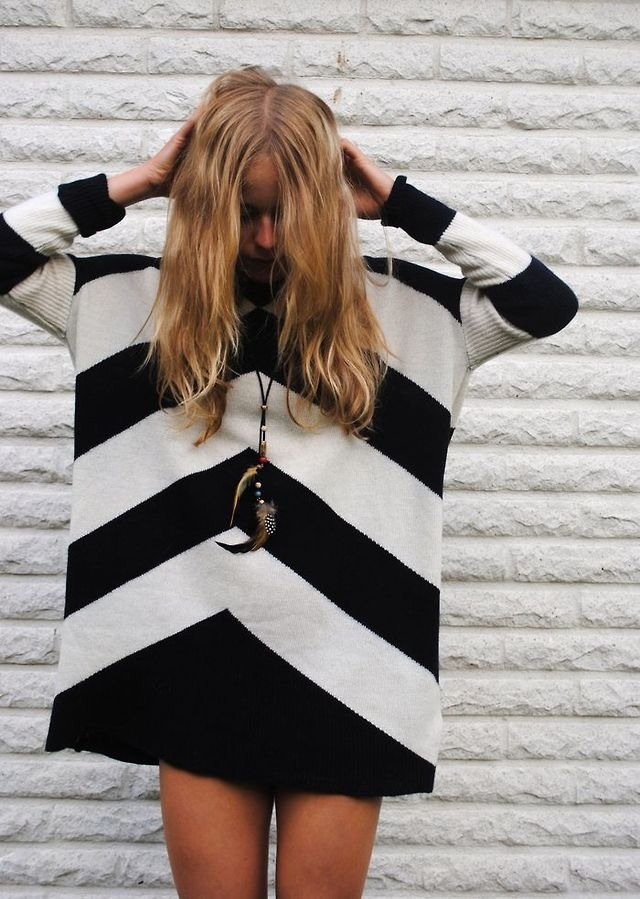
Street Style Stripes: Rhythm, Scale, and Colour Partners
How to wear stripes as personal style tools—scale, direction, mixing patterns, and colour partners that keep graphic looks intentional.
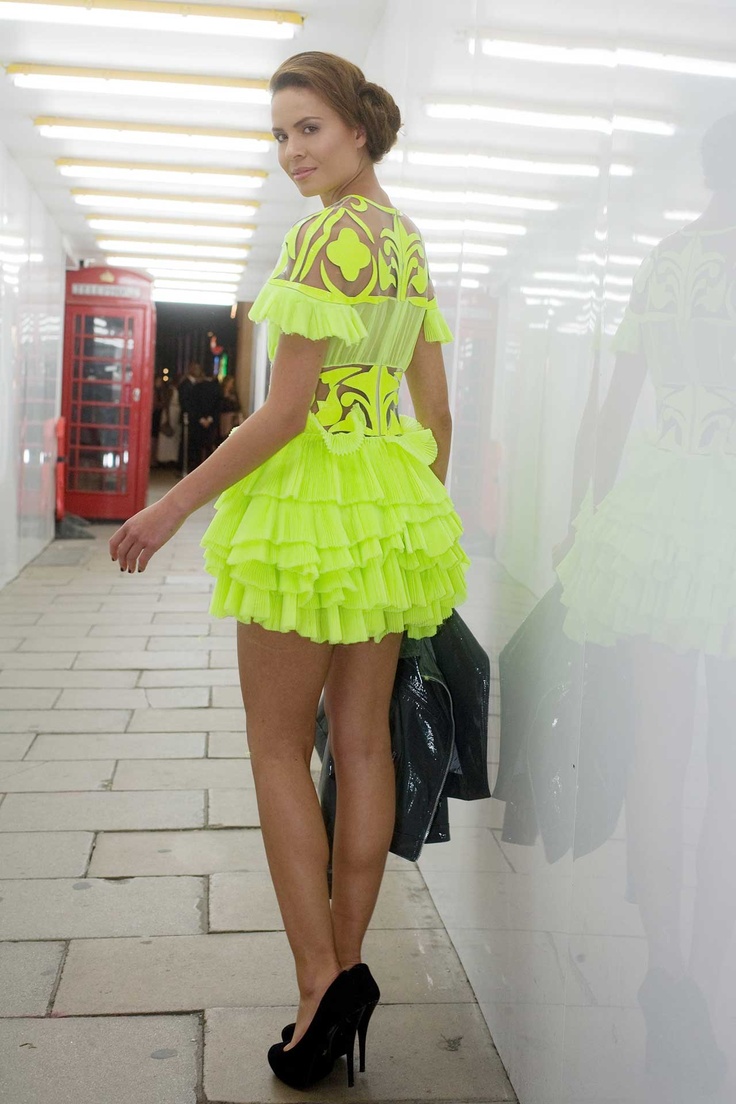
Street Style Neon Colours #2: Night Heat Voltage
A second neon chapter for warm evenings and artificial light—signal colour in crowds, shine after dark, and heat-ready saturation instead of spring thaw accents.
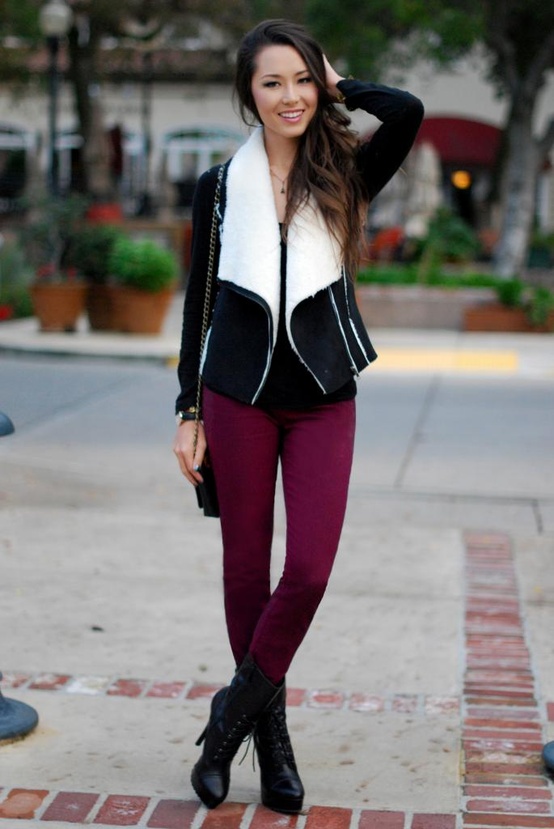
Global Street Style #3: Color, Warm Climates, and Hero Accessories
LA, Mediterranean, and Rio-spirited street looks where bags, shoes, sunglasses, and jewelry lead the silhouette instead of heavy coats.