
Stars – The North: Album Trailer and First Listen
Montreal’s Stars previewed their 2012 ATO album The North with a kaleidoscopic trailer and an NPR First Listen stream—context, track map, and how the montage still opens the record.
In late August 2012, Montreal’s Stars offered two ways into their sixth studio album at once: a full-stream premiere on NPR’s First Listen, and a short kaleidoscopic album trailer that stitched song clips to artwork like a moving press kit. The North arrived on September 4 via ATO Records. Trailer as invitation, album as destination: what follows is a music feature around that release window—who Stars were by then, what the trailer was doing, how the record was built, and which songs still map the album’s weather.
Stars had already spent a decade braiding fizzy indie pop, melancholy dance pulse, and boy–girl dialogue between Torquil Campbell and Amy Millan. The North did not invent that vocabulary; it tightened it into a brighter, more forward set after The Five Ghosts, aiming—as Millan described around the release—for something playful, joyful, and hopeful without abandoning the band’s taste for drama.
The trailer as a listening door
Album trailers occupy a small but useful genre. They are not music videos with a single narrative; they are montages that teach tempo, timbre, and graphic identity before the full tracklist lands. Stars’ trailer for The North worked that way: fragments of songs, flashes of album art, a sense of color and motion rather than a plot. For fans who already knew the band’s emotional range, it signaled that the new record would swing—springy pop one moment, widescreen feeling the next—rather than settle into one mid-tempo mood.
In 2012 that kind of clip lived naturally beside blog embeds and First Listen streams. It was a shareable object for people who might not yet commit forty-four minutes, and a mood board for people who would. The trailer did not replace hearing “Hold On When You Get Love and Let Go When You Give It” or “The 400” in full; it only argued that the album had a visual and sonic through-line worth following into the release week.
First Listen and the release week ritual
NPR’s First Listen premiere of The North put the whole album in headphones for a limited window before street date—a ritual that mattered in the early streaming era, when “hearing it early” still felt like an event rather than a default. Critics and fans could map the record’s jumps in real time: from springy pop-rock to balladry to grandiose statements, with Millan and Campbell trading and blending personas. He can sound open-hearted or sharp; she can sound winsome with an edge. On The North they often meet in the middle, nowhere more clearly than on the closer “Walls,” where a plain question about love meets an answer that refuses easy comfort.
That First Listen week sat beside other promo lanes: early tracks such as “The Theory of Relativity,” “Hold On When You Get Love and Let Go When You Give It,” and “Backlines,” plus the September 4 ATO street date. The trailer, the stream, and the singles were three cameras on the same object. Contemporary coverage pointed readers to NPR’s premiere; the durable fact is the stream itself and the album it served.
How the album was made
The North was recorded in Montreal, including work at historic RCA Victor Studios, and produced by Stars with Graham Lessard and Marcus Paquin. The sessions kept the band’s hometown in the frame—literally on the cover, which features Habitat 67, the experimental housing complex that has become one of Montreal’s architectural signatures. The title track’s northern stories, Campbell has said in commentary around the release, grew partly from theatrical inspiration and from deciding mid-process that the record could be about “here,” about the North as place and temperament.
Personnel continuity mattered, with the addition of guitarist Chris McCarron helping push a rockier edge while the group kept its essential Stars-ness: melodic clarity, electronic color, and intertwined vocals. Genres listed around the album—indie pop, new wave, synth-leaning pop, baroque and electro accents—describe a toolkit more than a costume change. The point was range inside one running time of roughly forty-four minutes across twelve tracks.
A map of the tracklist
The album opens with “The Theory of Relativity,” a sleek, motion-forward statement that several reviewers heard as kin to 1980s new-wave pulse without becoming pastiche. “Backlines” is short and springy—useful trailer bait and a palate cleanser in the sequence. The title track “The North” widens the frame into place and story. Then comes the long-titled center of gravity, “Hold On When You Get Love and Let Go When You Give It,” a single built for car speakers and repeated choruses without losing the band’s lyrical fussiness about how love is timed.
“Through the Mines” and “Do You Want to Die Together?” show different theatrical temperatures—one haunted and soaring, one dramatic enough to flirt with overstatement on purpose. “Lights Changing Colour” and “The Loose Ends Will Make Knots” keep the middle of the record mobile. “A Song Is a Weapon” and “Progress” push ideas as much as hooks. “The 400” balances stark feeling with lift; “Walls” closes on shared vocals and unresolved intimacy. Bonus editions floated an alternate “Breakglass” version of the title track for digital listeners who wanted one more door into the same house.
NPR’s First Listen write-up caught the practical truth for longtime fans: almost everyone can find a lane—pop-rock snap, ballad space, or mission-statement scale. The album asks for a full pass because its thematic intentions gather slowly; the trailer’s job was only to prove the colors were worth the time.
Where The North sits in the Stars catalog
By 2012 Stars were past breakthrough mythology and deep into catalog craft. Set Yourself on Fire had defined a generation of listeners’ emotional weather; later records negotiated how to stay themselves without repeating a single peak. The North answered with uplift and play, debuting strongly on the Canadian Albums Chart and sending the band back on the road with a setlist that could lean on new singles without abandoning older favorites.
Listening now, the record also documents a pre-ubiquitous-streaming promo ecology: First Listen windows, magazine news posts, YouTube trailers, and physical/digital street dates that still felt synchronized. The music does not depend on that ecology to work. The voices, the Montreal cover image, and the push-pull of hold-on / let-go ethics still read clearly on a laptop in another decade.
How to hear it after the trailer
If you only know the montage, start with the three early singles in order, then play the album front to back once without skipping. Notice where Millan and Campbell sing apart versus together; notice which tracks behave like scenes and which behave like essays. Then return to the trailer if you can find it in the band’s video archive: you will hear how the edit harvested hooks and textures as advertisements for patience.
For playlist builders, The North yields both immediate singles and deeper cuts that reward headphones. Pair “Hold On…” with other early-2010s indie pop that trusts chorus architecture; pair “Walls” or “The 400” with quieter night drives. The album’s own sequence remains the best argument for its title—north as orientation, not as tourist postcard.
Stars did not need a trailer to prove they could write a chorus. They used one anyway, because in 2012 a ninety-second swirl of clips and art could still feel like a velvet rope outside a full listen. On the other side of that rope was a Montreal record aimed at hope without naivete, drama without apology, and a closing question about love that does not resolve on beat one. Press play on The North when you want the whole weather system—not just the forecast graphic.

Comments
Continue reading
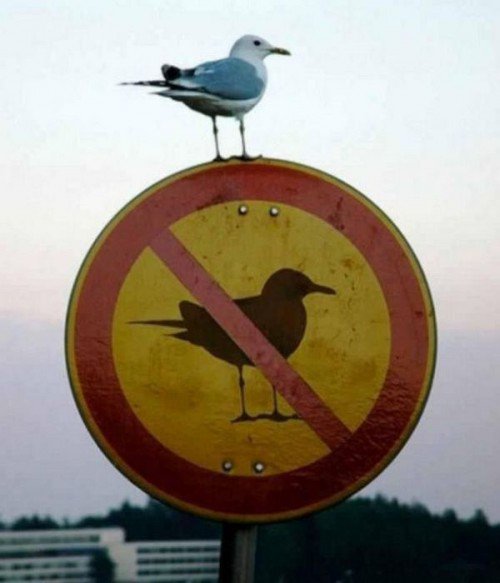
Funny Animal Signs That Warn People (While Animals Ignore Them)
From a seagull on a no-birds disc to classic zoo and park ironies—why animal warning signs get funny, and what the rules are still for.
How to Find Local Amenities on Vacation: Mechanics, Haircuts & More
Locate trustworthy local services and everyday spots while traveling or settling in—using publications, reviews, map apps, neighbor tips, and low-pressure exploration.
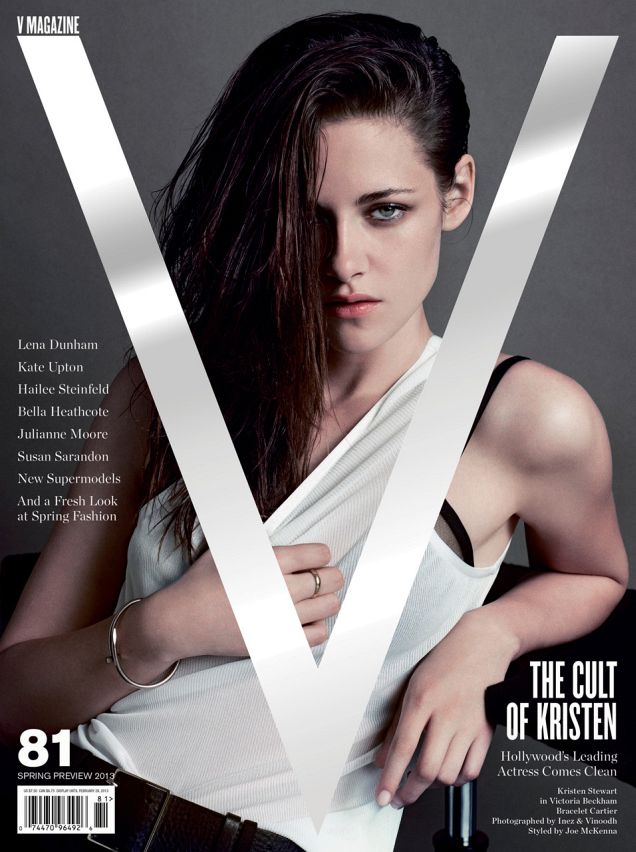
Kristen Stewart for V Magazine, Spring Preview 2013
V81’s Wild at Heart cover story—Kristen Stewart shot by Inez & Vinoodh, styled by Joe McKenna, in pale minimal spring glamour.