
Spotting Counterfeit Cosmetics: A Practical Buyer’s Checklist
A calm consumer guide to spotting fake makeup—seller risk, price red flags, packaging tells, texture and scent checks—without fearmongering or product panic.
Counterfeit cosmetics are not a novelty bargain. They are products that look close enough to a trusted brand to sell, then fail where it matters: hygiene, labeling honesty, and predictable ingredients. Spotting them is a practical consumer skill—one that protects your skin, your eyes, and your money without turning beauty shopping into panic. The goal is not to fear every discount. It is to know which signals deserve a second look and which purchases are worth walking away from.
Why fakes show up in beauty
Makeup and skincare carry brand prestige, high retail margins, and small package sizes that are easy to ship and resell. That combination attracts copycats. Street markets, unverified social sellers, and “too good” online listings are common entry points, but counterfeits can also appear in ordinary discount bins when supply chains are murky. Official customs and consumer reports have flagged fake makeup as a recurring problem for years; the exact dollar figures change, but the pattern does not: demand for luxury packaging outpaces enforcement.
Risk is not only financial. Unregulated products may skip sanitary manufacturing, use unexpected colorants or fillers, or arrive with contaminated applicators. Eye-area products deserve extra caution because the mucous membrane and contact-lens wearers leave little room for error. Skin reactions, infections, and irritation are the practical reasons to care—not abstract brand loyalty.
Start with the seller, not the shade name
Before you compare fonts on a box, ask who is selling. Authorized retailers, brand boutiques, and well-known pharmacies with clear returns policies are lower risk than anonymous listings that cannot name a distributor. Marketplace sellers with thin history, stock photos only, and pressure to pay off-platform are classic red flags. A private seller at a market can be legitimate for handmade goods; for sealed prestige cosmetics, treat cash-and-carry mystery inventory as high scrutiny by default.
If you sell beauty products yourself, the same rule applies upstream. Buying from an unauthorized discounter to widen margin transfers risk to your customers. Test anything from a clearance broker before you list it. Refusal to share invoices, lot codes, or brand contact paths is information—treat it as such.
Price that breaks the map
Brand-name beauty rarely sits at fire-sale pricing for long without a documented reason: seasonal clearance from an authorized channel, a reformulation dump, or a retailer exiting a line. A sealed prestige palette or fragrance at a fraction of street price, offered in bulk with no provenance, should trigger tests—not celebration. “Limited drop” language paired with warehouse-level quantity is another mismatch. Compare the ask to the brand’s own site and to two mainstream retailers. If the gap is extreme and unexplained, assume you need evidence of authenticity, not optimism.
Packaging: the first forensic pass
Hold the box under good light. Soft, blurry logo printing, uneven color blocks, and misspelled product or shade names are frequent tells. Compare spelling and typography to images on the manufacturer’s site—not to another random listing. Luxury packaging usually feels deliberate: crisp edges, consistent foil or embossing, and inserts that sit flush. Loose trays rattling in oversized cartons, crooked seals, and glue smears are worth noting.
Check how parts fit. Caps and pumps should seat evenly. Compacts should close without grinding. Applicators that wobble in the neck of a tube or bottle are a warning. Shade names and batch information often appear on stickers or printed codes; when those codes look freshly applied over older print, or when the code format does not match other authentic units you own, pause. Holograms and security seals, when a brand uses them, should align and resist peeling like cheap tape. Absence of expected security features on a “new” prestige item is as informative as a bad hologram.
Product itself: color, texture, and smell
When you already own an authentic unit, comparison is the clearest method. Place powders side by side: chalkiness, unexpected glitter, or muddy undertones can signal a different formula. Creams and liquids that separate oddly, feel gritty, or dry down with a plastic film may not match the real product’s behavior. Mascara and liner that run thin and watery, or that smell sharply of solvent beyond the brand’s normal scent, deserve rejection—especially near the eyes.
Fragrance is a quiet authenticity check. Many lines carry a recognizable base smell even when labeled lightly scented; fragrance-free lines should smell relatively neutral, not like industrial cleaner. Strong chemical odor in a product marketed as refined is a reason to stop before first use on the face. Do not “patch test” a suspected fake on eyelids or lips first; if you test at all, use a small area of skin you can wash thoroughly, and discard anything that stings or looks wrong.
Batch codes, dates, and digital claims
Learn where the brand prints batch or lot codes, and whether public checkers exist for that brand. Codes that are missing, stamped crookedly, or formatted unlike genuine examples are useful signals—but code checkers are not magic. Some fakes copy real codes; some authentic gray-market goods are genuine product sold outside intended channels. Use codes as one layer, not as a single verdict.
Watch expiration and period-after-opening symbols. Products years past a printed date, or with labels that look photocopied onto older stock, increase risk. Online, distrust listings that reuse the same lifestyle photos across unrelated SKUs, refuse returns on “hygiene” grounds while selling sealed prestige items at impossible prices, or hide the seller’s location.
Channels and habits that reduce exposure
Prefer purchases you can return. Keep receipts and unbox on camera if a deal felt borderline and you still proceeded. Follow brand social channels for recall notices and anti-counterfeit guidance. When friends recommend a “steal,” ask where they bought it—not only how the makeup looked in photos. Teaching teens and gift-buyers the same checklist matters: gifting a fake lipstick is still putting unknown ingredients on someone’s mouth.
If you discover a counterfeit after purchase, stop using it. Report the seller through the platform, and consider notifying the brand’s authenticity or legal contact when packaging shows clear copying. Local consumer protection offices and customs tip lines exist in many countries for commercial-scale fakes. Your report will not fix the global market overnight; it does remove one listing and documents a pattern.
Health-first response if something goes wrong
Remove the product, cleanse gently, and avoid layering more cosmetics on irritated skin. Persistent eye redness, swelling, discharge, or vision changes need professional care—do not wait to “see if the look settles.” Bring the packaging if you seek medical help; ingredient mystery is part of the clinical picture. Replace contaminated brushes and sponges that touched the suspect product.
Separate disappointment from danger. A fake blush that merely chalks poorly is still a waste; a fake lash adhesive or eye cream that inflames is a health event. Calibrate your reaction to symptoms, not to social-media horror stories.
A short field checklist
Before you buy: who is the seller, why is the price this low, and can you return it? Before you open: do spelling, print quality, and fit match known authentic examples? Before you wear: do color, texture, and smell match, and does anything sting on a cautious skin check? After problems: stop use, seek care if needed, report the channel.
None of this requires becoming a full-time investigator. It requires refusing the story that a sealed logo guarantees a sealed standard. Brands invest in consistency; counterfeiters invest in resemblance. When resemblance is all you are offered—at a price that erases normal retail math—the practical move is to put the compact down and buy where accountability still exists. Your routine will survive without that one impossible deal. Your eyes and skin are harder to replace than a palette.

Comments
Continue reading
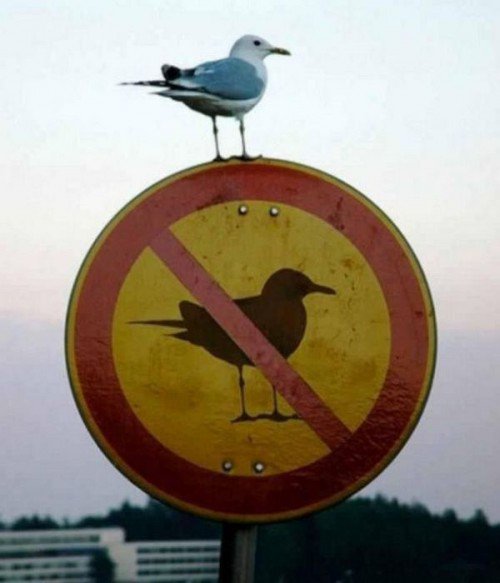
Funny Animal Signs That Warn People (While Animals Ignore Them)
From a seagull on a no-birds disc to classic zoo and park ironies—why animal warning signs get funny, and what the rules are still for.

How to Find Local Amenities on Vacation: Mechanics, Haircuts & More
Locate trustworthy local services and everyday spots while traveling or settling in—using publications, reviews, map apps, neighbor tips, and low-pressure exploration.

Kristen Stewart for V Magazine, Spring Preview 2013
V81’s Wild at Heart cover story—Kristen Stewart shot by Inez & Vinoodh, styled by Joe McKenna, in pale minimal spring glamour.