
How to Spend a Weekend in Brooklyn
A practical Brooklyn weekend: Prospect Park, seasonal Smorgasburg, brownstone walks, live music, and a real Court Street meal—no fake shops or hotel affiliate filler.
Brooklyn is too large for a checklist that pretends one weekend covers the borough. Neighborhoods change character within a few subway stops, and the best visits usually pick a rhythm—outdoors, food, music, walking architecture—rather than racing every famous corner. The guide below is practical: real parks, markets, venues, and street patterns you can actually use from Friday evening through Sunday afternoon without inventing shops or padding the day with hotel sales pitches.
Decide your base early. Williamsburg, downtown Brooklyn / Boerum Hill / Cobble Hill, and Prospect Heights / Park Slope put you near different clusters of the suggestions here. Transit is part of the weekend; walking is the other half. Wear shoes that forgive cobbles and long blocks.
Friday evening: arrive and settle into one neighborhood
Do not try to “see Brooklyn” on night one. Pick dinner within a short walk of where you are staying, then a low-pressure stroll. If you land near the waterfront in Williamsburg or Greenpoint, the East River views and converted industrial streets set a clear mood. Closer to downtown Brooklyn, Court Street and Smith Street give you dense restaurant corridors without needing a long ride.
Keep Friday light on tickets. Live music and late venues work better when you are not still dragging luggage. Confirm last trains if you are hopping between boroughs; Brooklyn weekends punish over-optimism about midnight transfers.
Saturday morning: Prospect Park first
Prospect Park is Brooklyn’s great green argument for slowing down. Designed as a landscape escape rather than a formal garden parade, it holds meadows, water, wooded paths, and enough room that a Saturday morning still feels open if you arrive before brunch crowds peak. Walk a loop that matches your energy: flat meadow edges for easy conversation, or deeper paths toward the Ravine if you want actual forest texture inside the borough.
Street performers and informal gatherings appear often in good weather; festivals sometimes claim lawns and paths, so check the park’s own calendar if you need quiet. The Prospect Park Zoo is a compact add-on for families or anyone who wants a structured hour between walking segments. Bring water and a light layer—shade and wind shift quickly under the trees.
If you prefer a shorter park visit, enter near the neighborhood you already understand (Park Slope or Prospect Heights sides are common) and exit toward a coffee stop rather than crossing the entire park on day one.
Saturday midday: food markets when the season allows
From roughly spring through fall, Smorgasburg is one of the clearest ways to taste Brooklyn without committing to a single restaurant reservation. The Saturday Williamsburg edition and the Sunday Prospect Park edition both run as large outdoor food markets with many vendors—far more than you can finish honestly in one pass. The smart approach is shared plates: each person buys something different, then you portion across the table or bench.
Lines move; shade is uneven; seating is contested. Eat early or accept a wait. If your weekend falls outside the market season, swap this block for a neighborhood bakery-plus-deli crawl instead of forcing a closed field. The point is variety and local producers, not a brand name on a tote bag.
Saturday afternoon: brownstones and self-guided architecture walks
Brooklyn’s residential architecture is one of its most reliable pleasures, and it costs nothing beyond time. Neighborhoods such as Brooklyn Heights, Cobble Hill, Carroll Gardens, Fort Greene, and parts of Park Slope reward slow walking: stoops, ironwork, cornices, and the layered history of brownstone and brick blocks. You do not need a paid tour to learn the basics—pick a few contiguous streets and notice how materials and stoop heights change from block to block.
Look up. A lot of the craft sits above eye level for phone photos. Look down, too: basement entries, planted tree pits, and the small negotiations between private stoops and public sidewalks. If you want an interior glimpse of adaptive reuse, note buildings that have become hotels, cultural spaces, or restaurants—former industrial shells in Williamsburg and along the waterfront are part of that story—but you do not need to book a room to understand the exterior language.
Skip any urge to treat residents’ front steps as props. Architecture walks work best when you remain a guest on working streets.
Saturday night: live music with a clear genre target
Brooklyn’s music map is wide; a weekend is kinder when you choose a lane. The Music Hall of Williamsburg remains a reliable mid-size room for indie and touring acts—check the calendar before you travel, because the night is only as good as the bill. For a smaller, DJ-friendly room with a late pulse, Baby’s All Right on Broadway in Williamsburg is a known stop. Jazz and blues listeners can look to programming connected with the Central Brooklyn Jazz Consortium and related neighborhood venues rather than assuming Manhattan is the only option.
Buy tickets ahead for popular shows. Eat nearby before doors if you hate missing openers. Carry ear protection if you care about your hearing more than atmosphere. Afterward, decide whether you want another neighborhood or a direct ride back; late-night wandering is fine until fatigue turns the next morning into recovery instead of Prospect Park.
Sunday: one more outdoors hour, then a proper meal
Sunday morning is for unfinished park paths, a waterfront walk, or a quieter brownstone loop you skipped on Saturday. If Smorgasburg is running in Prospect Park, this is the day for it—especially if Saturday’s Williamsburg visit was too crowded or you stayed on the Park Slope side.
For a sit-down meal that still feels specific, Buttermilk Channel on Court Street in Carroll Gardens has long been known for a menu that mixes refined comfort with Southern-leaning plates—think fried chicken alongside seasonal salads and house-made pickles. It is one restaurant among hundreds, not a mandatory pilgrimage, but it is a concrete, well-known option when you want a table instead of another market queue. Make a reservation when you can; weekends fill.
If you prefer something simpler, build a bagel-and-coffee morning and a long lunch elsewhere on Court or Smith. The goal is a meal that lets you talk about what you actually saw, not a second itinerary disguised as food.
A realistic weekend shape
One workable pattern looks like this: Friday neighborhood dinner; Saturday Prospect Park plus market or café, afternoon architecture walk, evening show; Sunday shorter outdoors time plus a proper lunch before you head out. Swap pieces freely. Rain shifts weight toward museums, bookstores, and long meals. Heat shifts weight toward early park hours and air-conditioned matinees.
What usually fails is treating Brooklyn like a compressed Manhattan highlight reel. Distances are real. Crowds are real. The borough rewards people who pick two or three anchors and let walking fill the gaps.
Leave with a short list of streets you liked, not a claim that you “did” Brooklyn. The next weekend—if there is one—can start where this one stopped: another park entrance, another music room, another brownstone block where the light hits the stoops just after a subway ride you already understand.

Comments
Continue reading
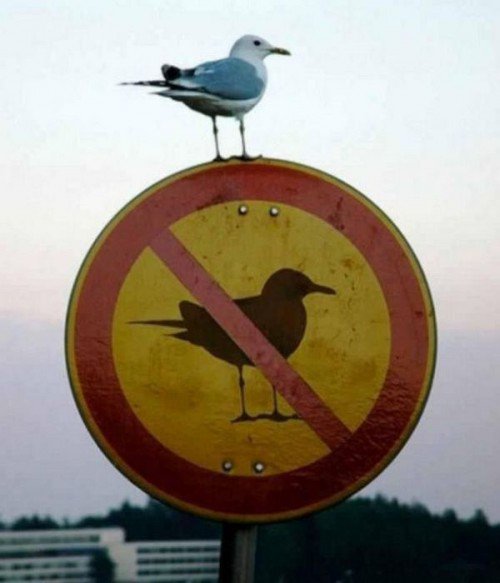
Funny Animal Signs That Warn People (While Animals Ignore Them)
From a seagull on a no-birds disc to classic zoo and park ironies—why animal warning signs get funny, and what the rules are still for.

How to Find Local Amenities on Vacation: Mechanics, Haircuts & More
Locate trustworthy local services and everyday spots while traveling or settling in—using publications, reviews, map apps, neighbor tips, and low-pressure exploration.

Kristen Stewart for V Magazine, Spring Preview 2013
V81’s Wild at Heart cover story—Kristen Stewart shot by Inez & Vinoodh, styled by Joe McKenna, in pale minimal spring glamour.