
Why Weak Locks Fail: Everyday Objects, Physical Security, and Better Lockouts
A high-level look at why some locks yield to simple objects—and why the right response is stronger hardware, key control, and licensed locksmith help, not DIY entry tricks.
Lockouts are stressful. A misplaced house key, a bedroom door that clicked shut, or a car that will not open can make almost anyone search for a quick fix. Older internet posts often answered that panic with tutorials on defeating locks using household objects. That framing is a problem: the same tricks that sound like a clever life hack are exactly why weak locks fail—and why security advice should focus on prevention, better hardware, and legitimate help rather than improvised entry.
What follows is physical-security awareness: why some low-grade locks can fail without specialized tools, why that matters for homeowners and renters, and what responsible options look like when you are locked out—not a how-to for unauthorized entry.
What “everyday items” really signal about a lock
When people say a lock can be opened with a paperclip, a scrap of metal, or other common objects, they are usually describing a lock that was never designed to resist determined manipulation. Many inexpensive padlocks, luggage locks, cabinet locks, and older residential hardware prioritize convenience and low cost over resistance. In security terms, the lesson is not “how clever the opener is.” The lesson is that the lock’s design, materials, and installation left a wide gap between the appearance of security and actual resistance.
Security professionals and locksmiths have long used the idea of “security theater”: a device that looks locked but yields to simple bypass methods, worn keys, poor alignment, or shallow mechanisms. If an everyday object can substitute for a proper key in some scenarios, the product failed its job. Treating that failure as a party trick encourages unsafe habits—testing locks you do not own, sharing techniques publicly, or delaying upgrades that would actually protect people and property.
High-level categories of weakness (without operational detail) include shallow or poorly fitted mechanisms, locks that can be slipped or shimmed because of design gaps, hardware that is easy to force because of thin metal, and installations where the lock is strong but the door, frame, or strike plate is not. Attackers and accidental lockouts both exploit the weakest link. That link is often not the brand name on the cylinder; it is the cheapest component in the door assembly.
Legal and ethical boundaries matter more than the hack
In most places, owning locksmith tools or studying lock design for legitimate reasons—your own property, professional training, hobbyist locksport under clear consent rules—is different from using knowledge to enter property without permission. Unauthorized entry, even “just to see if it works,” can be a crime. Writing or following how-to guides for covert entry on real doors you do not control crosses from curiosity into risk for you and for others.
Responsible framing looks like this: if you are locked out of property you own or are authorized to enter, call a licensed locksmith, use a spare key held by a trusted person, or contact building management or roadside assistance for vehicles. If you are interested in how locks work, pursue structured education, licensed training, or consent-based locksport communities that use practice locks—not neighbors’ doors. Curiosity about mechanisms is fine; improvising entry tools on someone else’s lock is not.
Affiliate-era articles that urged readers to “try it out” with soda cans and paperclips blurred those lines. They also ignored side effects: damaged locks, voided warranties, injured hands, triggered alarms, and situations that look identical to burglary if a neighbor or camera sees them. A better public conversation is about upgrading weak hardware and planning for lockouts before they happen.
Why weak locks fail (high-level only)
Without turning this into a tutorial, it helps to understand categories of failure so you can shop and inspect smarter.
Low resistance to non-key opening. Some locks are defeated not by exotic skill but by the absence of meaningful resistance features. If marketing photos look sturdy while the body is thin zinc, the shackle is exposed, or the mechanism is rudimentary, assume the lock is a deterrent for casual honest mistake—not for anyone motivated.
Bypass versus “picking.” Public discussion often collapses every method into “picking.” In practice, many real-world failures are bypasses: opening a door or padlock by exploiting a design gap, a poorly adjusted latch, a weak hasp, or a frame that flexes. From a homeowner’s perspective, the fix is the same: better hardware and better installation, not practicing bypass methods on live doors.
Wear, poor fit, and old standards. Locks age. Keys wear. Screws loosen. Doors sag. A lock that was adequate when new can become unreliable or easier to defeat after years of use. Periodic inspection—does the latch fully seat, does the strike plate sit in a solid frame, do exterior doors use quality deadbolts—matters more than owning a drawer of improvisation ideas.
The door is part of the lock. A high-grade cylinder in a hollow door with short screws in a flimsy strike plate is still a weak system. Physical security is a chain: door slab, frame, hinges, strike, bolt throw, cylinder, and key control. Everyday-object stories usually involve the weakest consumer products in that chain.
Five security lessons behind the old “five everyday items” hook
Older posts listed household objects as if they were tools. Reframed as awareness, those lists become five lessons about what to improve.
1. If a flimsy scrap can threaten the lock, replace the lock. Any narrative that a thin piece of metal or similar scrap can open a padlock or latch is a product-quality warning. Choose locks rated for the risk: outdoor storage, bikes, sheds, and primary residence doors deserve different grades. Look for reputable standards and solid construction rather than the lowest price at the checkout aisle.
2. Convenience locks are not life-safety locks. Luggage locks, diary locks, and cheap filing-cabinet locks were never meant to stop a determined person. Do not store irreplaceable documents, medications, or valuables behind hardware that exists mainly to signal “please don’t casually open this.” Use appropriate safes, locked rooms, or professional storage for higher stakes.
3. Cars and homes are not DIY experiment kits. Vehicle lockouts and residential lockouts have legal, insurance, and safety dimensions. Forcing entry can damage weather seals, electronics, or airbags-related systems in modern cars, and can destroy residential hardware you then must replace anyway. Roadside programs and locksmiths exist because the cheap improvisation often costs more after the damage.
4. Shared and rental spaces need policy, not tricks. Lockers, shared offices, and rental units should have clear lost-key procedures. Building managers and landlords typically control master systems for a reason. Teaching tenants to defeat locks “in a pinch” undermines everyone’s security and can violate lease terms.
5. Key control beats clever bypass stories. Spare keys with trusted people, lockboxes used correctly, smart locks with audited access codes, and simply carrying a backup are boring—and effective. The viral appeal of everyday-item entry fades quickly when a spare key in a wallet or with a neighbor solves the same problem without teaching the neighborhood how fragile the hardware is.
What to do when you are locked out
Stay calm and confirm you are authorized to enter. Check other doors and windows you already use routinely only if that is safe and legal for your situation—do not escalate into unsafe climbing or forced openings. Call a licensed locksmith; ask for identification and estimates before work begins. For vehicles, use your insurer’s or auto club’s roadside benefit when available. For rentals, contact the landlord or property manager first.
Afterward, fix the process that failed. Duplicate keys. Fix sticky locks before they strand you. Upgrade exterior deadbolts and reinforce strike plates with longer screws into framing where appropriate. Consider whether a smart lock with reliable backup access fits your household—or whether a simple mechanical upgrade is enough. Document locksmith work and keep receipts for warranty and insurance.
If you suspect a break-in rather than a simple lockout, do not enter alone if you feel unsafe; contact local authorities. Distinguishing a lost-key inconvenience from a security incident is part of responsible response.
How to choose stronger protection
Shop for the door and the threat, not the aesthetic alone. Exterior doors generally need quality deadbolts with adequate bolt throw and solid strike reinforcement. Padlocks for outdoor use should resist casual cutting and have protected shackles where practical. Avoid assuming that “it locks” equals “it secures.” Read independent guidance from consumer and security organizations rather than viral listicles.
Installation quality is half the purchase. A skilled locksmith or competent carpenter can often improve security more with proper strike plates, hinge screws, and door alignment than by swapping only the visible knob. Ask about rekeying when you move into a new home so previous keys no longer work. Limit how many people hold unrestricted copies.
For apartments, clarify what you may change. Many leases restrict lock replacements; request management upgrades if hardware is obviously aged or unreliable. For shared storage and campus lockers, assume low security and minimize what you leave inside.
Curiosity without harm
People are rightly curious about how mechanical security works. That curiosity can lead to careers in locksmithing, security engineering, or ethical locksport. The healthy path uses practice equipment, training, and consent. The unhealthy path turns other people’s homes, cars, and lockers into demos. Public articles should reinforce that distinction, especially when older URLs still attract searches for “everyday items” and locks.
Weak locks failing in the presence of simple objects is not a life-hack triumph. It is a reminder that security is a system, that cheap hardware can create a false sense of safety, and that the right response to a lockout is legitimate assistance—not a tutorial that makes the next forced entry easier for anyone who reads it. Upgrade what is weak, plan for lost keys, and leave covert-entry techniques to professionals operating within the law.

Comments
Continue reading
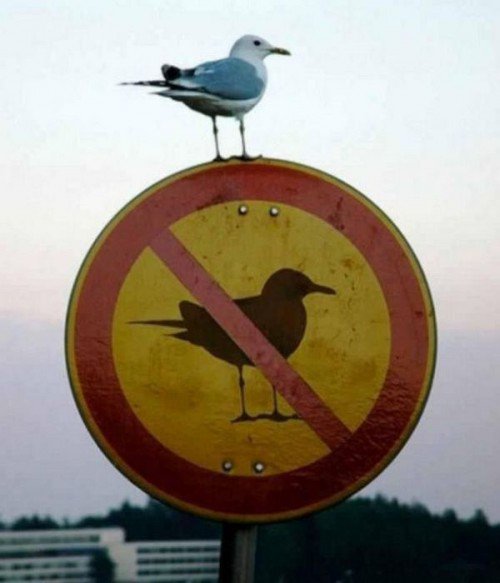
Funny Animal Signs That Warn People (While Animals Ignore Them)
From a seagull on a no-birds disc to classic zoo and park ironies—why animal warning signs get funny, and what the rules are still for.
How to Find Local Amenities on Vacation: Mechanics, Haircuts & More
Locate trustworthy local services and everyday spots while traveling or settling in—using publications, reviews, map apps, neighbor tips, and low-pressure exploration.

Kristen Stewart for V Magazine, Spring Preview 2013
V81’s Wild at Heart cover story—Kristen Stewart shot by Inez & Vinoodh, styled by Joe McKenna, in pale minimal spring glamour.