
Smithsonian Magazine’s 10th Annual Photo Contest Finalists
A historical look at Smithsonian Magazine’s 10th Annual Photo Contest—fifty 2013 finalists across Americana, nature, people, travel, and altered images.
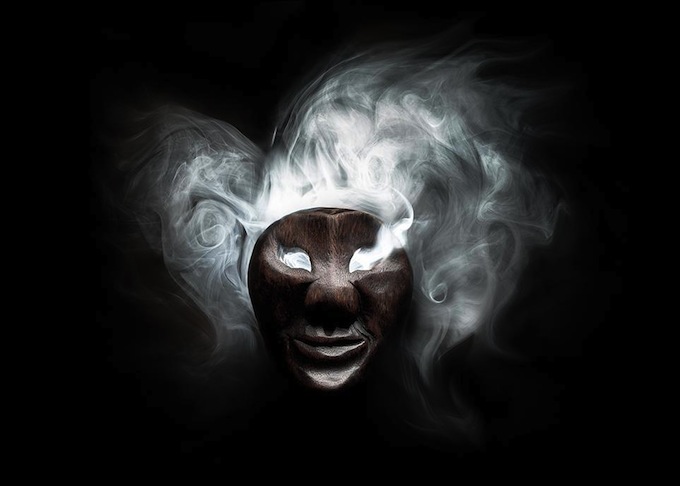
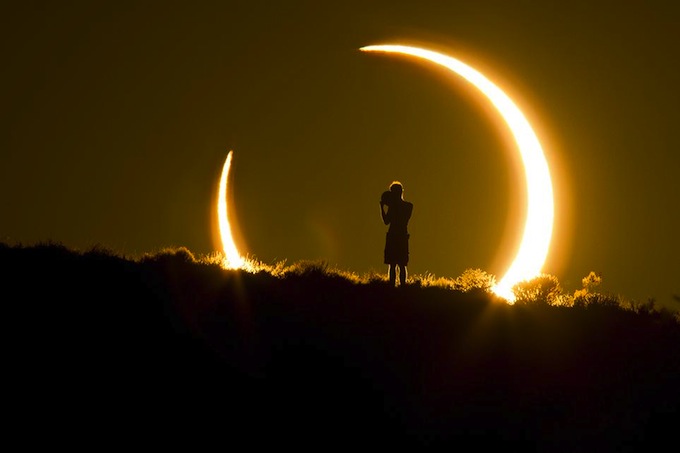
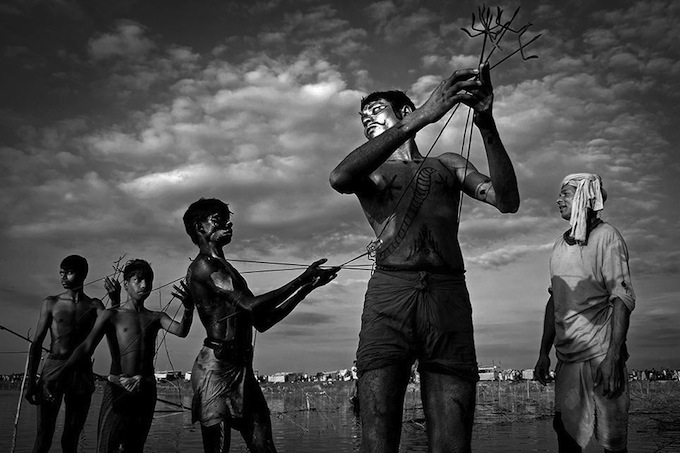
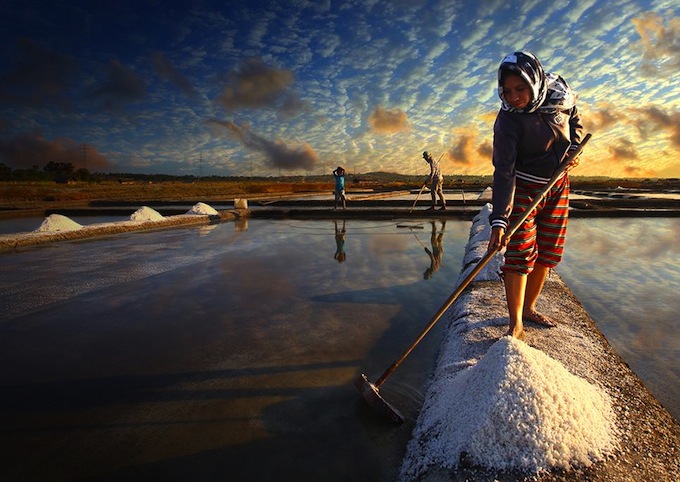
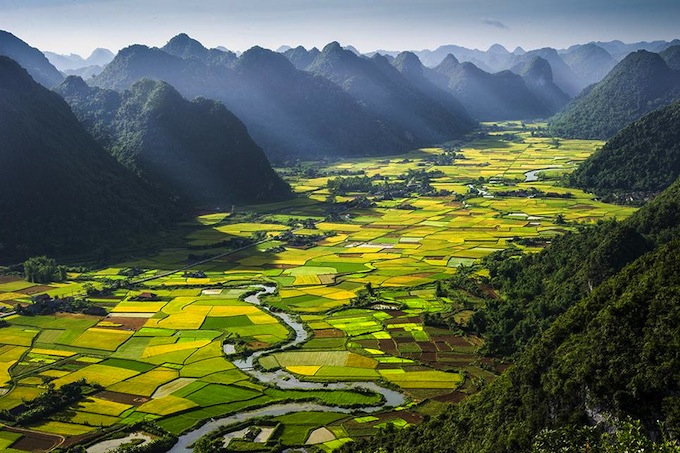
In March 2013, Smithsonian Magazine announced the fifty finalists for its 10th Annual Photo Contest—a round-number milestone that turned a familiar public call for images into a small survey of how people were seeing the world at the start of the decade. The magazine invited readers to look through a curated field of pictures rather than a single winner’s spotlight: landscapes and wildlife, travel frames, portraits and street scenes, Americana, and altered images that pushed photography past straight documentation. The gallery below preserves a selection of those contest-era images as they circulated with this feature, a visual record of a contest that asked amateurs and professionals alike to compete on curiosity as much as technique.
Anniversary contests matter because they freeze a moment in editorial taste. By the tenth year, Smithsonian’s contest had become a recognizable annual ritual: open categories, a longlist of finalists, and a public conversation about what counted as a strong photograph when the institution’s name was attached. Fifty finalists across the field meant the story was never only about one heroic frame. It was about range—how many ways a camera could still surprise a magazine audience that already saw thousands of images a week.
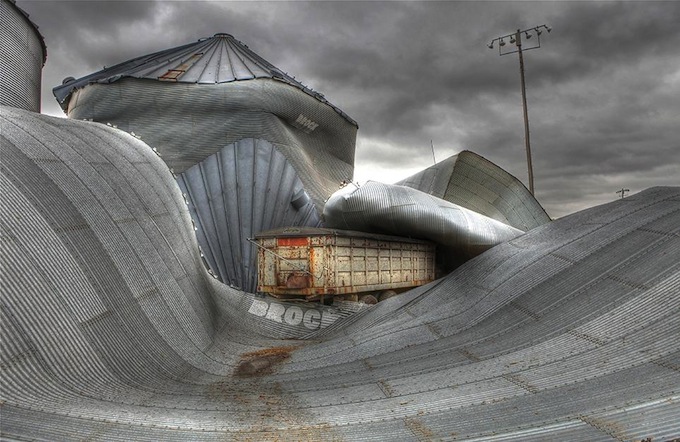
A tenth year, five ways of looking
The 10th annual contest organized finalists into categories that map how Smithsonian Magazine has long talked about photography: Americana (also framed as the American experience), Natural World, People, Travel, and Altered Images. Roughly ten finalists per category produced the headline total of fifty. That structure did more than sort entries for judges. It told photographers what kinds of seeing the magazine valued—national texture, wild systems, human presence, movement across place, and deliberate manipulation when the image itself became the subject.
Natural World entries tended to reward patience and timing: light on terrain, animals in decisive moments, weather as character. People and travel categories asked for empathy without spectacle for its own sake—faces, crowds, work, ritual, and the friction of being somewhere unfamiliar. Americana collected the vernacular and the ceremonial in the United States: fairs, labor, small-town architecture, public celebration. Altered Images made room for collage, staging, and post-camera invention, acknowledging that “photograph” in a magazine contest could include constructed realities as long as they were presented honestly within the category rules.
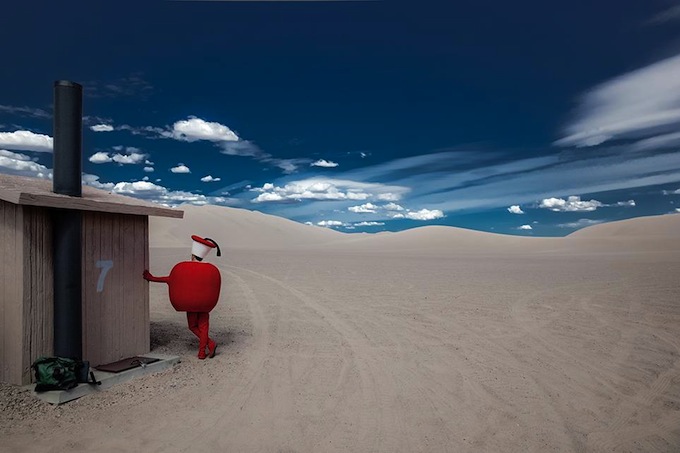
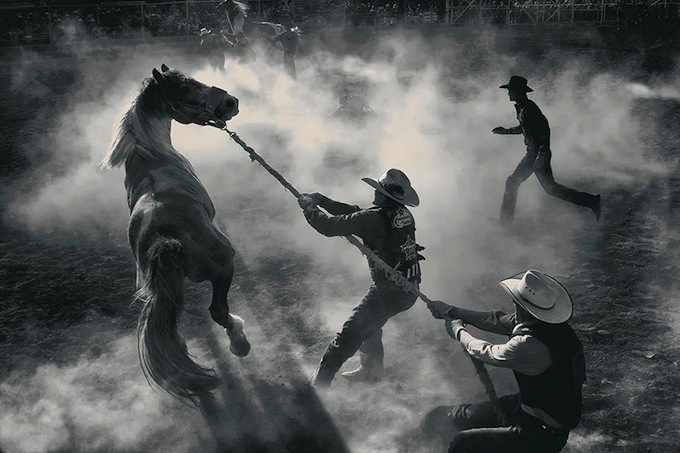
For readers in 2013, browsing finalists was a different experience than scrolling today’s infinite feeds. A magazine contest still implied editorial gatekeeping: someone had already argued that these frames deserved a second look. That did not make every finalist timeless, but it did slow the pace. You were meant to sit with an image, not swipe past it between ads.
What the finalist gallery still shows
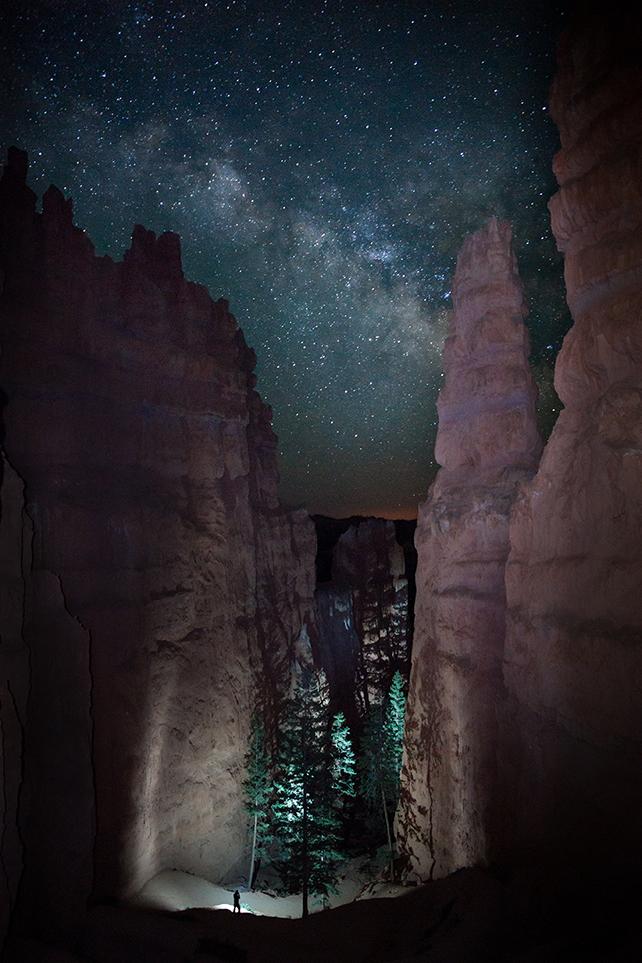
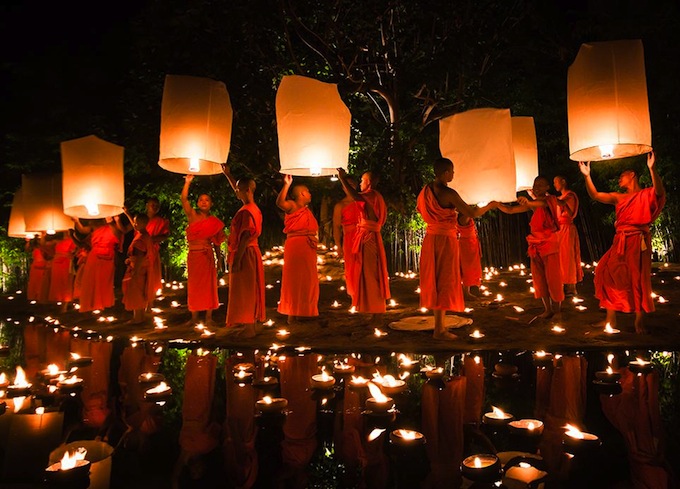
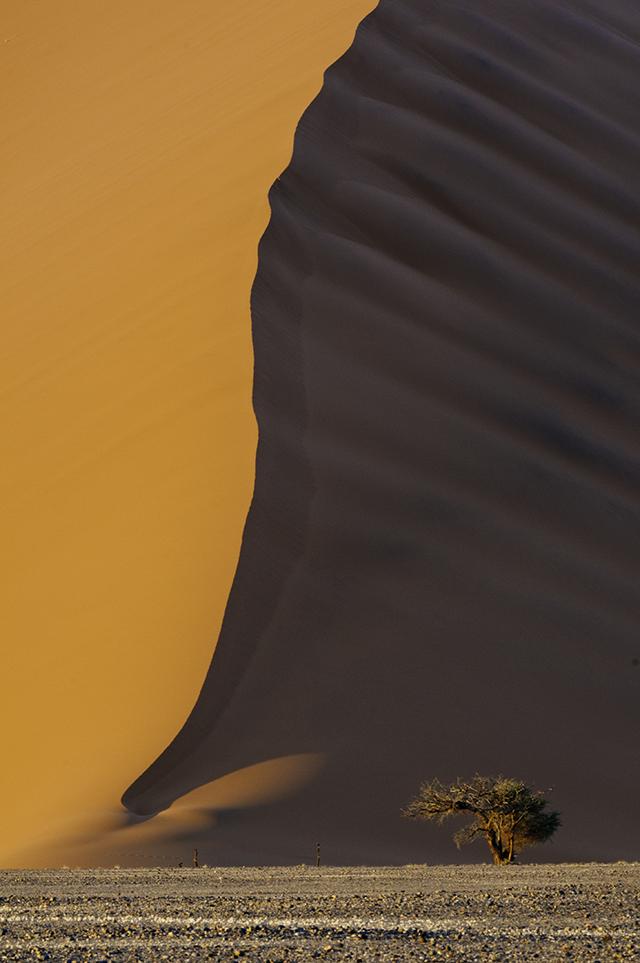
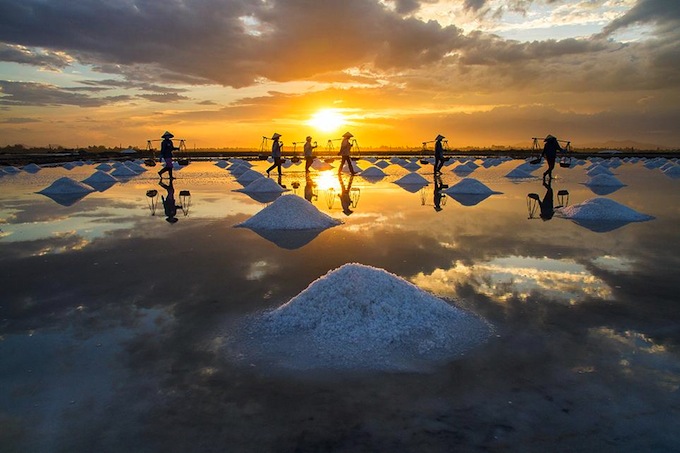
Looking at the images preserved here, several patterns repeat across the 10th annual field. Scale swings hard—intimate close work next to wide environmental frames. Color is used both as atmosphere and as information: dusk light, uniforms, painted architecture, saturated naturals. Vertical and horizontal orientations alternate, reminding you that contest galleries are not Instagram grids; they are sequences of individual arguments about composition.
Some pictures lean documentary. Others feel staged or heightened. That mix is intentional in a contest that included an altered-images lane. Smithsonian’s audience has always spanned science museums, history buffs, and travel dreamers; the contest finalists had to speak across that coalition. A quiet portrait could sit beside a dramatic sky. A street scene could sit beside a constructed tableau. The common requirement was not a single style. It was a sense that the photographer had noticed something worth protecting from the blur of ordinary looking.
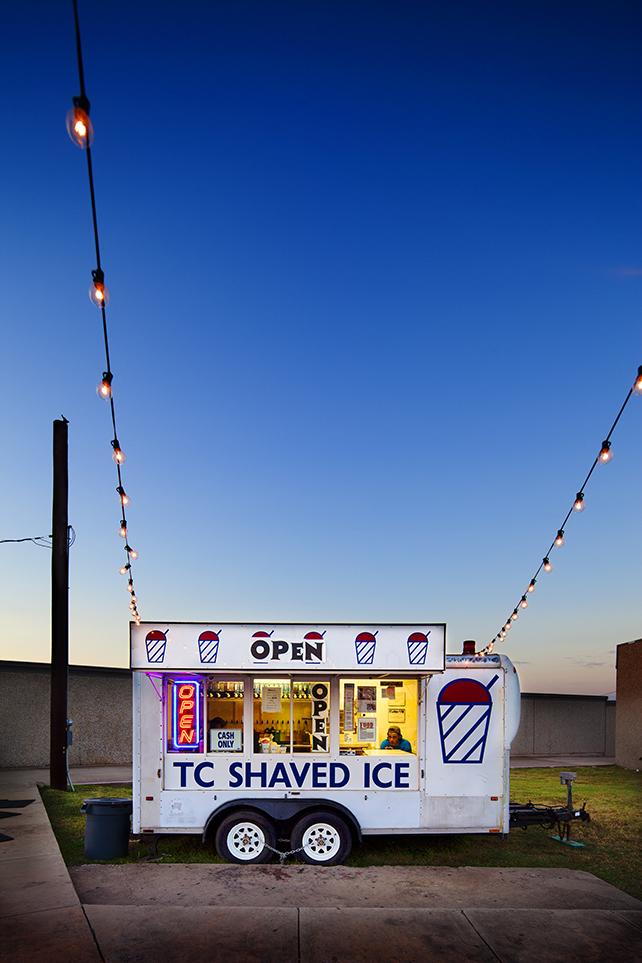
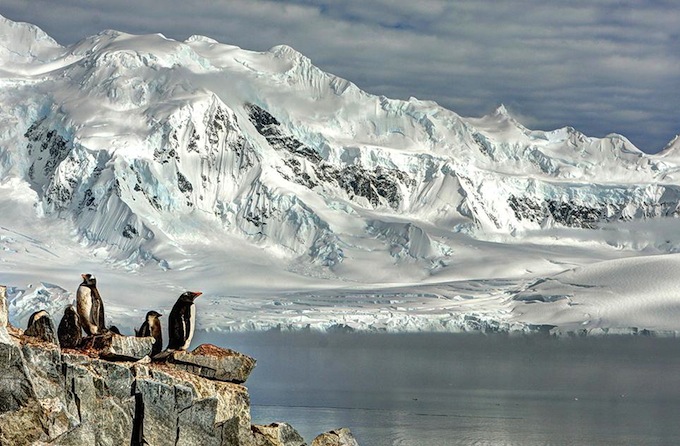
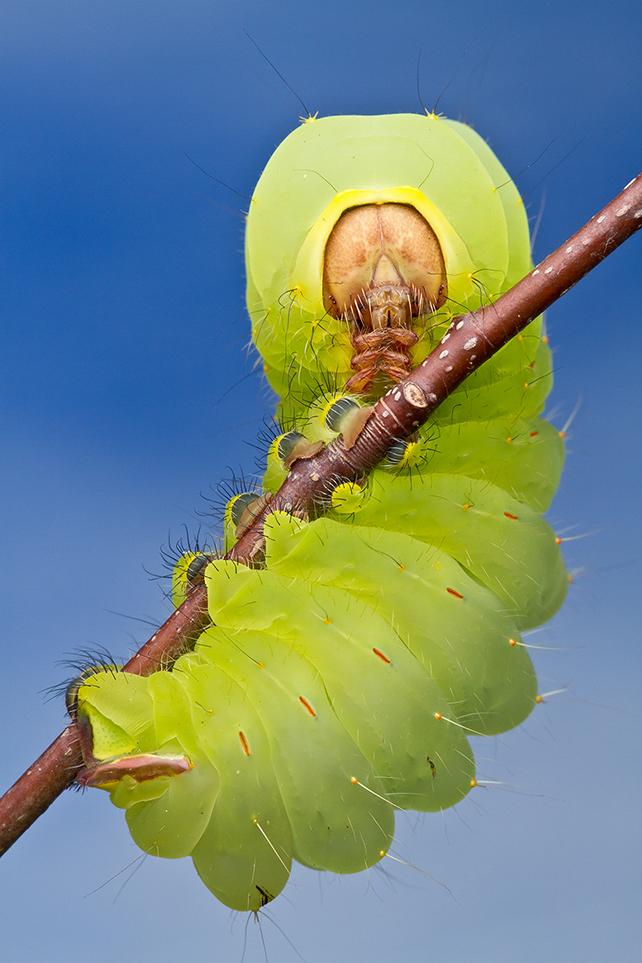
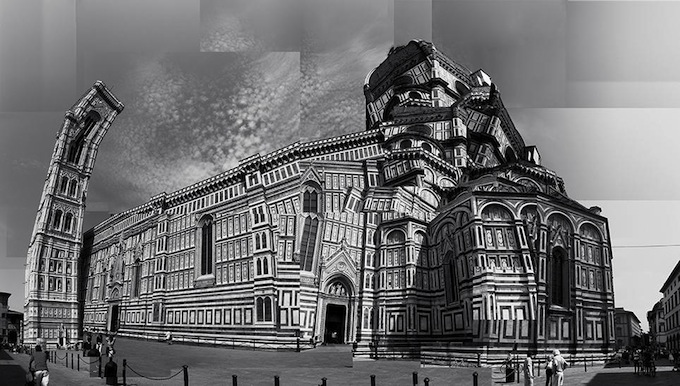
Anniversary rounds also expose how contests teach photographers. Entrants study previous winners. Categories become prompts. “Travel” can drift toward postcard tropes; “people” can drift toward suffering-as-spectacle if judges are not careful. A strong tenth-year slate is one that rewards specific observation over cliché—local detail, odd timing, a face that does not perform for the lens. Whether every finalist in 2013 cleared that bar is less important than the fact that the contest kept insisting on a public standard.
Why Smithsonian’s contest carried weight
Smithsonian Magazine is not a pure photography title, which is part of why its contest mattered. The brand sits beside museums, research, and general-interest storytelling. A photo contest under that name borrowed institutional gravity: entries felt adjacent to exhibition culture even when they came from hobbyists with weekend cameras. For many photographers, a Smithsonian finalist credit was a résumé line and a confidence mark—proof that an image could hold attention outside a personal feed.
The 10th annual announcement in early 2013 arrived in a media landscape already transforming. Camera phones were everywhere. Social platforms were accelerating image circulation. Magazine contests could have seemed old-fashioned. Instead, they offered something platforms rarely did then: a finite set, named categories, and an editorial claim that these fifty were worth lingering over. That claim is historical now, but the images remain.
Reading a contest as cultural history
Revisiting the 10th Annual Photo Contest is less about crowning a favorite than about noticing what a major magazine asked the public to celebrate in 2013. The fiftieth-finalist format emphasized breadth. The category system emphasized different photographic jobs. The Smithsonian name emphasized that photography was not only entertainment—it was a way of recording nature, people, travel, national life, and imaginative alteration.
Context helps. The contest’s 2012 shooting window and early-2013 finalist announcement sat between the rise of always-on phone cameras and the later explosion of short-form video. Still photography was not disappearing, but it was competing for attention in a louder visual economy. A magazine shortlist offered a counter-rhythm: fewer images, more framing text, and the implication that looking carefully was still a public good. That is one reason anniversary galleries remain worth keeping even after voting windows close.
Contests age oddly. Winners get new projects; finalists scatter; links break; platforms change. What remains useful is the archive of attention: these were the kinds of pictures that survived a large intake and a public shortlist. Some will look dated in palette or subject; others still stop you. Both outcomes are historically useful. Taste is a moving target, and a tenth-year finalist set is a snapshot of where an influential magazine planted its flag.
Spend time with the frames here the way the original announcement invited readers to do—slowly, without ranking every image into a personal top five. Notice how vertical portraits interrupt landscape sequences, how travel and Americana trade in recognizable places versus intimate corners, how altered work announces itself against straighter documentary frames. The tenth year was a celebration of volume and variety. Meeting it on those terms—fifty ways of looking, not one champion—is still the most honest way to keep the gallery alive.

Comments
Continue reading
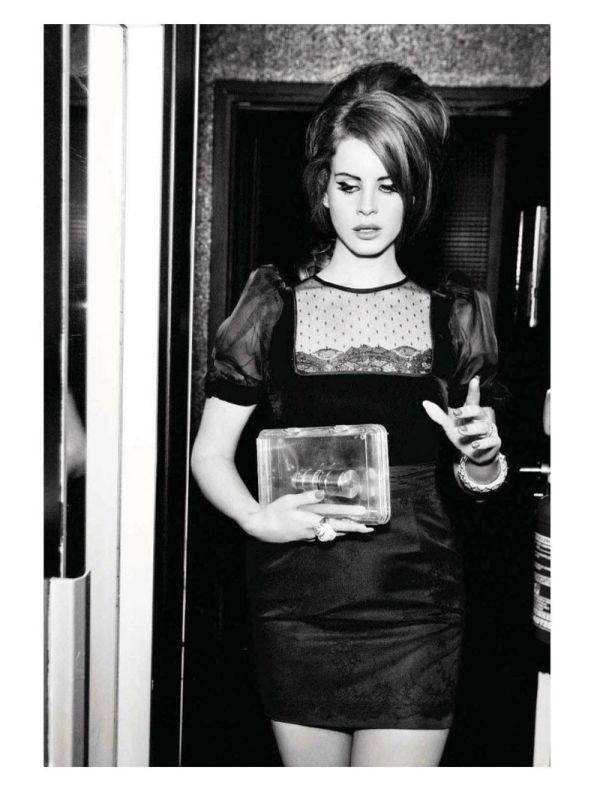
Lana Del Rey Photos Taken From Magazines
A mixed scrapbook of Lana Del Rey magazine stills—covers and editorial crops gathered as collage, not one titled fashion story.
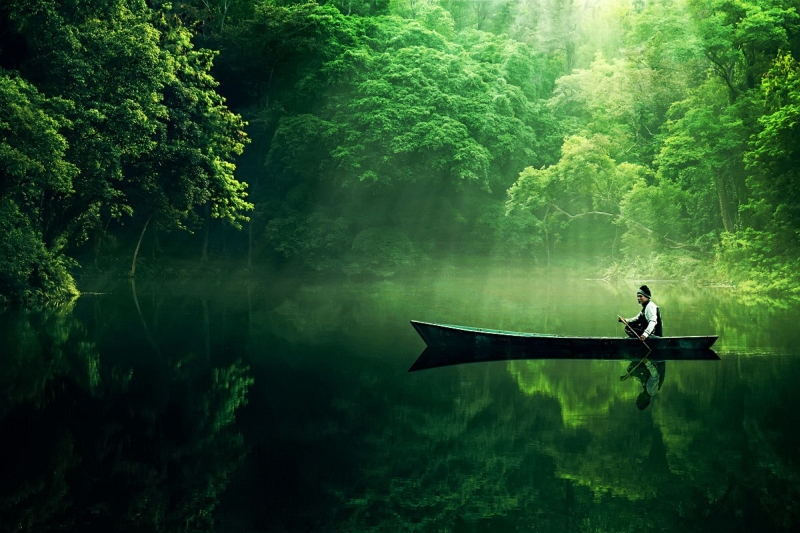
Dramatic Photo Art by Sukron Ma’mun (Ipoenk Graphic)
Cirebon, Indonesia photographer Sukron Ma’mun uses theatrical natural light to frame village life, play, and place in lyrical photo art.
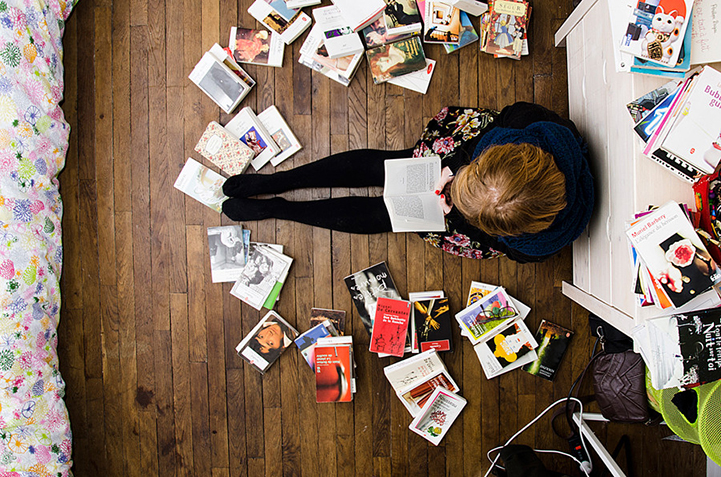
Bird’s-Eye Views: Florian Beaudenon’s Instant Life
Paris photographer Florian Beaudenon’s Instant Life series captures people in their rooms from above—intimate, collaborative overhead portraits of everyday joy.