
Lana Del Rey Photos Taken From Magazines
A mixed scrapbook of Lana Del Rey magazine stills—covers and editorial crops gathered as collage, not one titled fashion story.
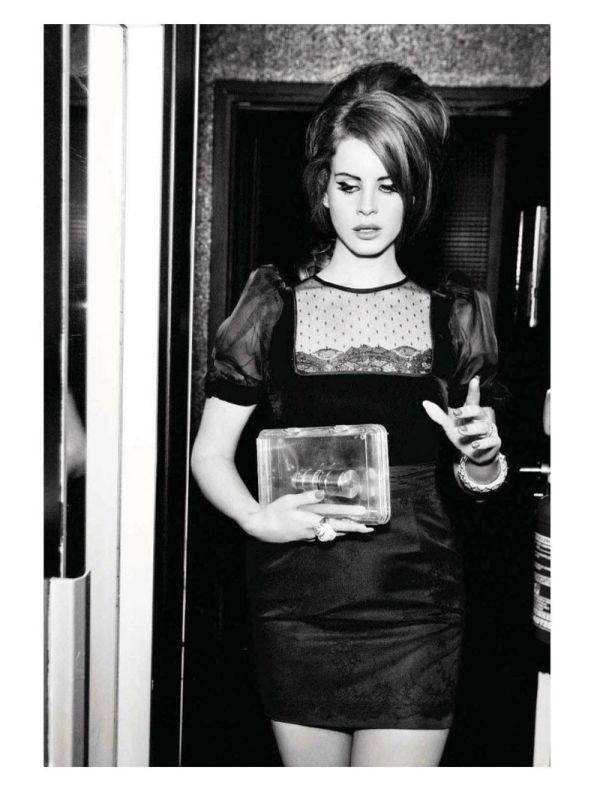
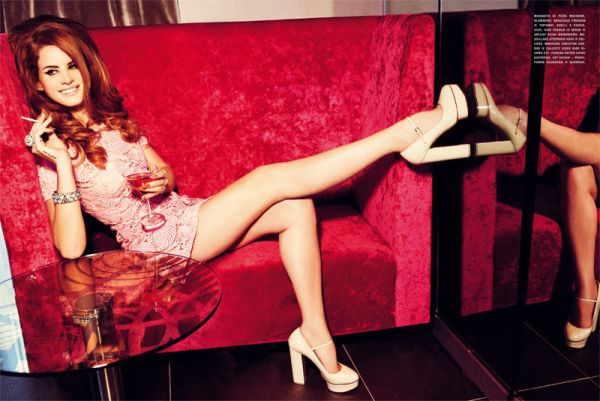
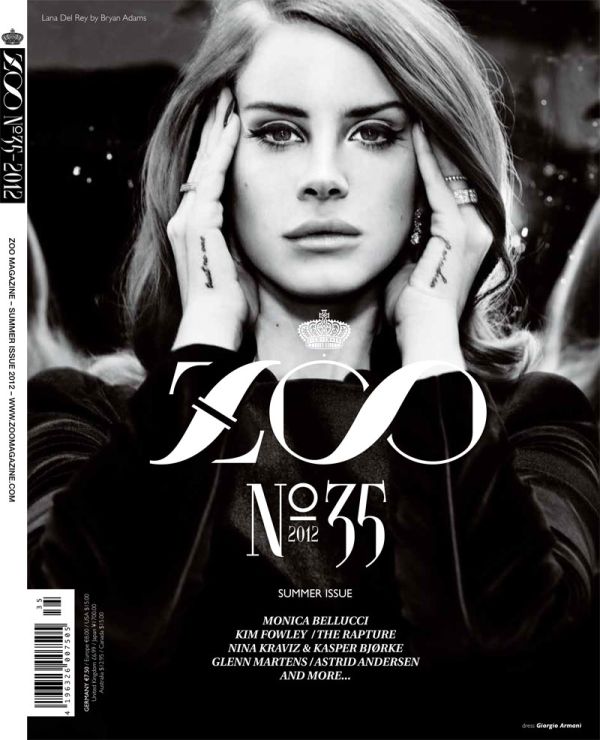
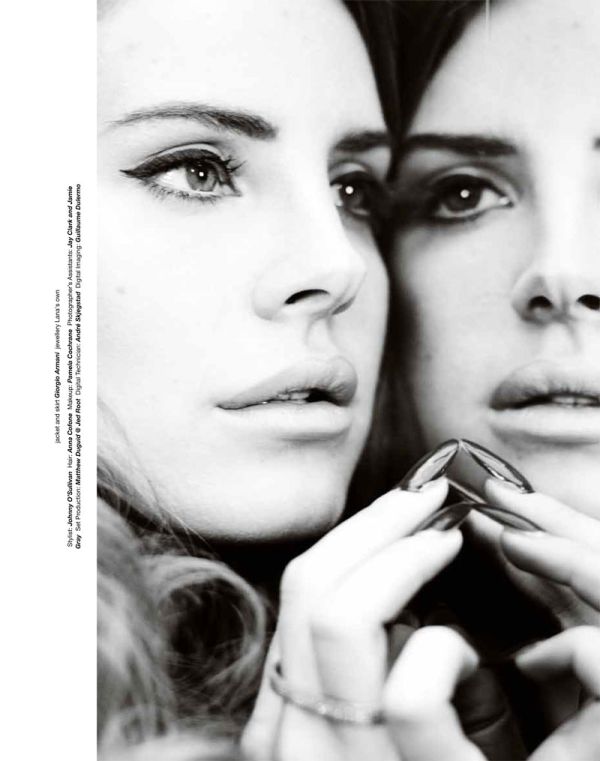
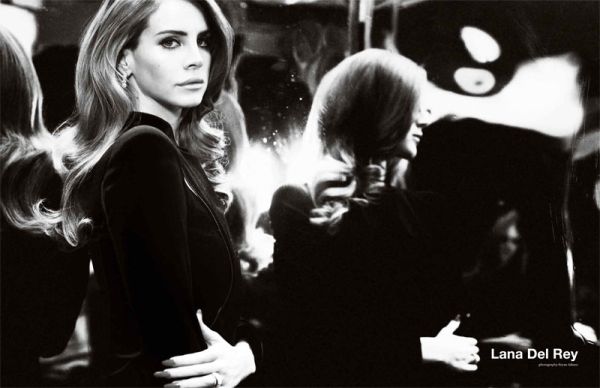
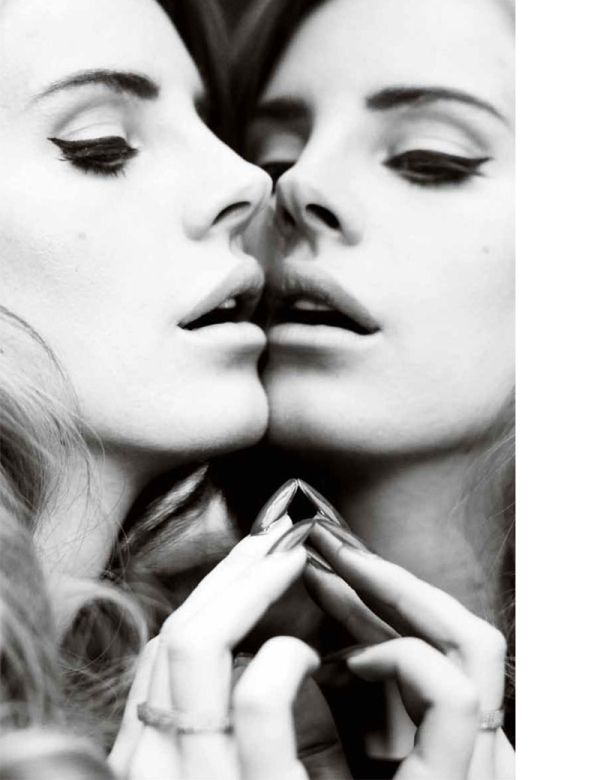
This page is a scrapbook, not a single editorial. The photographs collected here are magazine stills of Lana Del Rey—covers, interiors, and fashion frames pulled from print and circulated as a mixed gallery. Unlike a titled feature for one issue of Madame Figaro or Vogue China, a roundup has no single photographer credit, no shared styling story, and no obligation to one country’s newsstand calendar. The pleasure is comparative: how different magazines reinvented the same singer’s face across hair, makeup, wardrobe, and light.
In 2012, when this kind of fan-and-blog gallery flourished online, Del Rey’s image was already a portable aesthetic. Magazines needed her for covers; blogs needed her for endless scroll. The result was a second life for printed pages: scanned, cropped, recolored slightly by phone screens, and reassembled into “photos taken from magazines.” That phrase is the point of the URL. You are looking at magazine culture as raw material, not at one commissioned fashion story with a press date and a backstage anecdote.
What a magazine-stills roundup is for
Single-issue features teach depth: one photographer’s decisions, one stylist’s arc, one country’s fashion language. Roundups teach breadth. Side by side, you see how quickly Del Rey’s persona could flex—soft vintage Hollywood in one frame, sharper modern glamour in another, cigarette-era melancholy in a third. Hair moves from waves to severe parts. Lips go from nude to lacquered red. Backgrounds swing from seamless studio paper to props that suggest motel Americana or high couture emptiness.
That variety is why scrapbook posts endured. Fans did not only want the newest cover; they wanted proof that the myth could survive translation. Each magazine is a different dialect of the same legend. Looking across dialects is its own form of criticism, even when no caption names the exact issue. You train your eye on continuity (the stare, the jawline, the cinematic seriousness) and on difference (color grading, jewelry scale, how much “old Hollywood” versus “contemporary fashion” each editor wanted).
Scrapbooks also preserve a social habit that print alone cannot. A magazine lives in a month, then leaves the rack. A clipped still can travel for years as wallpaper, mood-board fuel, or a reference for makeup and hair. The original layout’s adjacencies disappear; what remains is the celebrity face as a reusable icon. Understanding that trade-off keeps expectations honest. You will not get full fashion credits here. You will get the visual afterlife of fashion credits.
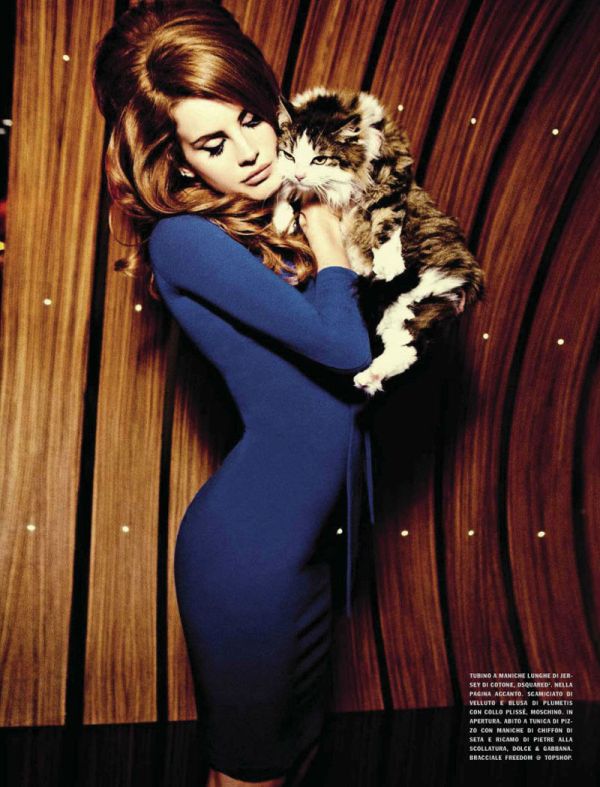
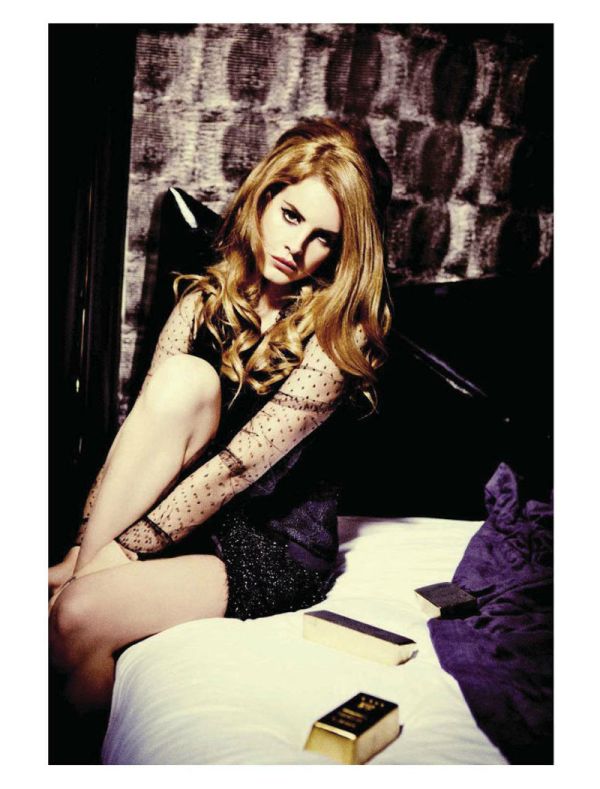
How to read mixed stills without confusing the shoots
Because roundups erase metadata, it helps to keep a few mental folders for Del Rey’s early-2010s press. When a set is explicitly labeled Madame Figaro January 2013, expect Jean-Baptiste Mondino’s Parisian bronze-hippie vocabulary—suede, headbands, earthy neutrals for a French weekly. When a set is labeled Vogue China, expect Wee Khim’s softer “Wonderland” mood—whimsical femininity, waved hair, a dreamier editorial narrative. When a page simply says “photos taken from magazines,” assume mixed provenance and enjoy the collage for what it is.
Practical viewing habits for a roundup:
- Ignore false unity. Adjacent images may be months and continents apart; do not invent one styling story for the whole scroll.
- Track recurring motifs. Red lips, center parts, vintage cars, lace, fur, and melancholic eye contact are Del Rey magazine grammar—not proof of one shoot.
- Notice crop culture. Blog-era stills often cut magazine gutters, logos, and page numbers. What remains is the face and the clothes, sometimes without the original layout’s rhythm.
- Date loosely. Treat early fan galleries as snapshots of how Del Rey looked to the internet in 2011–2013, not as a complete catalogue of every title.
- Separate cover heat from interior wandering. Covers tend to lock a stare; interiors often experiment with props, posture, and softer narrative beats.
Why magazines needed her—and why blogs clipped her
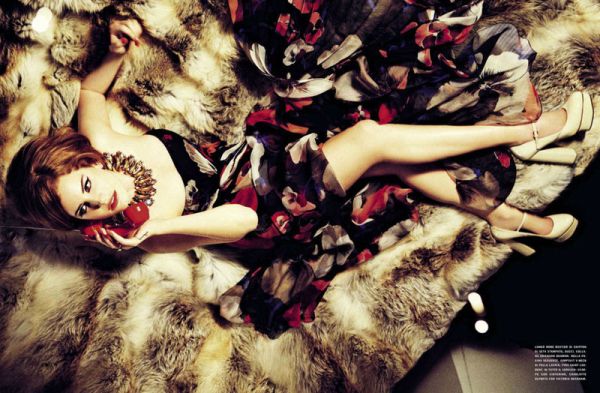
Celebrity fashion in the early 2010s still ran on print gravity. A cover sold an issue; an interior story filled pages between ads; a strong face traveled from newsstand to Tumblr in hours. Del Rey was unusually useful for that circuit because her persona already looked like a magazine invention: cinematic, nostalgic, slightly dangerous, highly stylable. Photographers could push her toward Old Hollywood or toward contemporary luxury without breaking the brand. Stylists could load symbolism—roses, cigarettes, Americana, couture lace—and audiences would accept it as “on theme.”
Blogs and fan pages completed the loop. They flattened expensive print into shareable stills, often stripping photographer credits and issue dates in the process. That loss is annoying for historians and liberating for mood-board makers. A roundup like this sits in the middle: it preserves the visual harvest of magazine culture while admitting, by its very title, that the images have been lifted from their original editorial homes.
There is also an industry reason the clips multiplied so fast. Del Rey’s breakthrough years overlapped a peak moment for fashion blogging, before every brand ran its own vertical video feed. Independent sites competed on speed and taste: who posted the scan first, who sequenced the prettiest six frames, who made the caption feel intimate. “Via” lines and source shout-outs were the courtesy layer; the real product was the scroll. Years later, those galleries still work as a time capsule of how fame looked when magazines were the upstream source and blogs were the distribution network.
A slow pass through the set
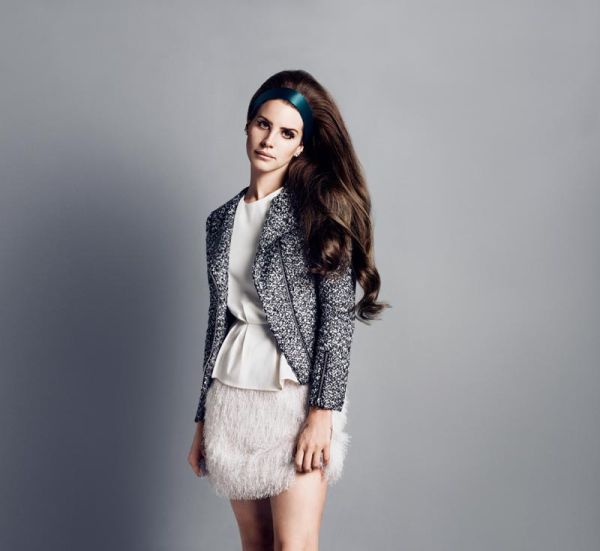
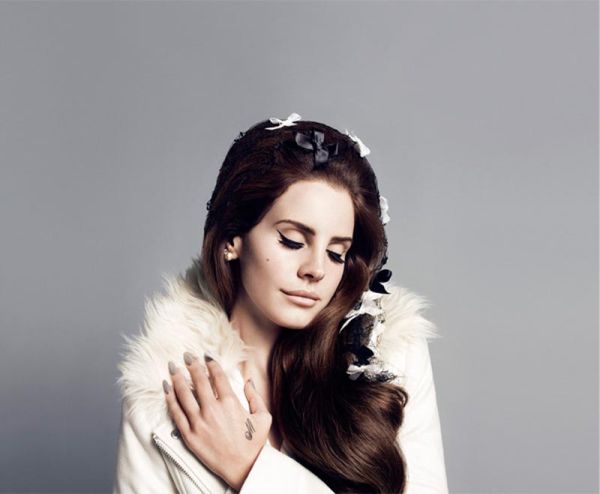
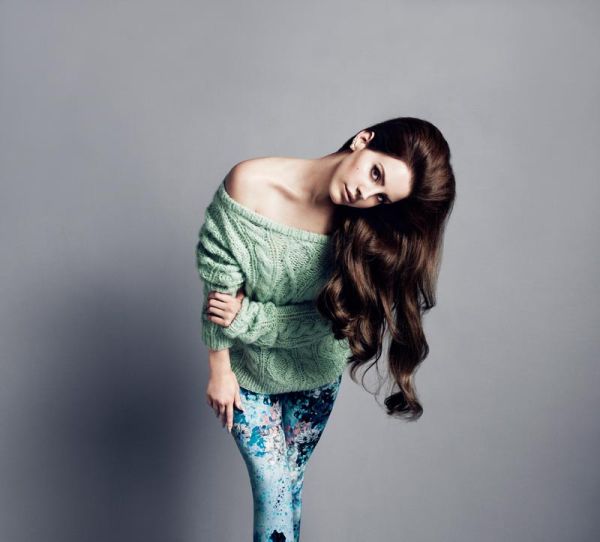
Move through the images as if you were flipping a scrapbook rather than reading one fashion story. Ask small questions of each frame. Is the light hard or soft? Is the wardrobe trying to look expensive, romantic, dangerous, or innocent? Does the pose sell vulnerability or control? Magazines rarely leave those choices to chance. Even when you do not know which title published a still, you can usually guess what emotion the editor wanted the reader to buy.
Also notice blank space and props. Some frames are pure face against void; others build a miniature world. Prop-heavy images tend to push narrative (“this is a character in a film”); cleaner portraits tend to push icon status (“this is a star”). Del Rey’s magazine career thrived on both modes, which is why a mixed gallery can feel coherent even when the sources differ. The subject unifies what the styling fragments.
Pay attention to beauty codes that date the decade. Early-2010s editorial faces often wear more visible contour, glossier mouths, and sharper liner than later “clean girl” trends. That is not a defect in the photographs; it is historical style. Seeing it clearly helps you stop measuring old magazine stills against today’s defaults. The same goes for retouching softness and color casts introduced by successive rescans. A roundup is a chain of copies. Enjoy the chain without pretending every file is a museum flat.
Keeping the scrapbook honest
Enjoy the collage, then resist turning it into false scholarship. If you need the Mondino Figaro cover package, go to that issue’s page. If you need the China Wonderland story, keep those frames with Wee Khim’s credit. Leave this gallery as what its title promises: a gathering of Lana Del Rey photographs taken from magazines—an early-2010s internet habit preserved as a visual index of how print fame looked when it was still cut out, scanned, and shared for the mood alone.
One useful habit if you collect these images privately: tag what you can verify, and leave blank what you cannot. “Unknown French weekly, red lip, 2012-ish” is a better label than inventing a photographer. Precision elsewhere makes the scrapbook more fun here. The mixed set can stay mixed. That is its job.

Comments
Continue reading
Smithsonian Magazine’s 10th Annual Photo Contest Finalists
A historical look at Smithsonian Magazine’s 10th Annual Photo Contest—fifty 2013 finalists across Americana, nature, people, travel, and altered images.

Dramatic Photo Art by Sukron Ma’mun (Ipoenk Graphic)
Cirebon, Indonesia photographer Sukron Ma’mun uses theatrical natural light to frame village life, play, and place in lyrical photo art.
Bird’s-Eye Views: Florian Beaudenon’s Instant Life
Paris photographer Florian Beaudenon’s Instant Life series captures people in their rooms from above—intimate, collaborative overhead portraits of everyday joy.