
Unique Sand Sculptures: Temporary Monuments on the Beach
A photo-led look at sand art’s craft—packing, festivals, figurative detail, and why sculptures made to disappear still stop crowds cold.
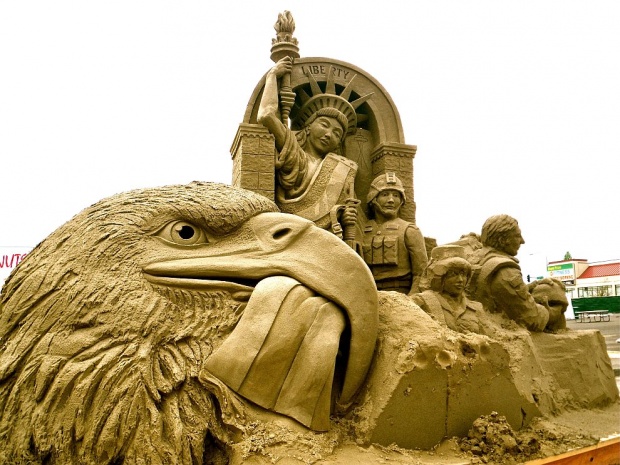
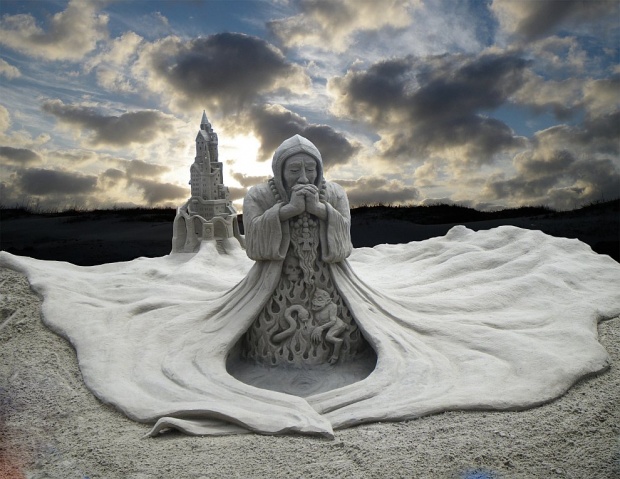
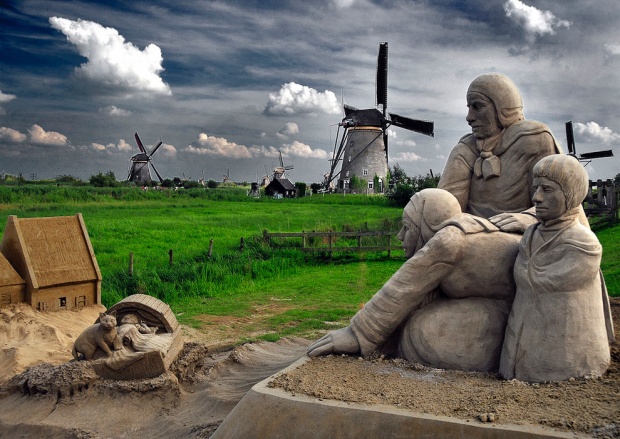
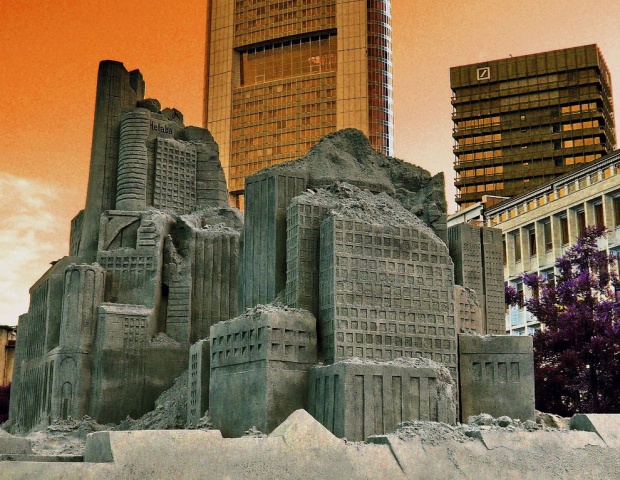
Sand sculpture is public art with a built-in deadline. The material costs almost nothing, the clock never stops, and a finished form can disappear in a tide, a storm, or one careless climb. What survives long enough to be photographed feels earned: temporary architecture made of grain, water, and patience. The gallery below gathers that range—figures, animals, fantasy scenes, and invented buildings rising from beach plots and festival grounds as if the shoreline had grown a second skyline overnight.
Marble promises centuries. Sand promises an afternoon, maybe a week if the weather is kind. Spectators understand the stakes without a wall label. Kids dig a few meters away. Adults lean in to see eyelids, feathers, cornices, and the last passes of a trowel. The piece is monument and hourglass at once.
Packing, water, and the physics of a beach studio
Ambitious sand work begins as engineering, not decoration. Artists compact wet sand into dense blocks, boxed lifts, or free-piled masses firm enough to carve. Too dry and edges powder away; too wet and volumes slump. Water is binder and threat. Teams often work in layers: wooden forms, successive lifts, shared plans for how weight travels to the base. A tall figure is a small building problem wearing the costume of sculpture.
Tools look humble—mason’s trowels, putty knives, pastry spatulas, brushes, straws for blowing loose grains out of fine recesses—but the control required is high. Large crews divide labor: one person manages moisture and mass, another blocks big shapes, another cuts faces and filigree. Mistakes cascade. Undercut too early and a nose collapses. Ignore the core density and a tower shears at the waist by evening.
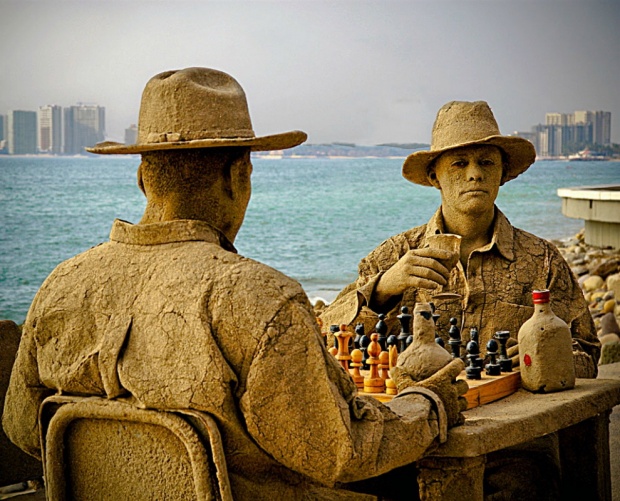
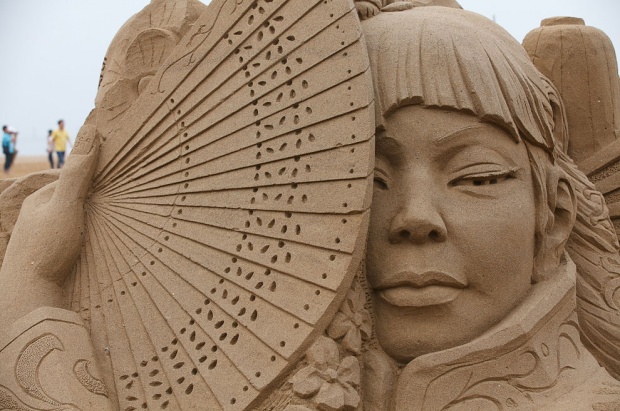
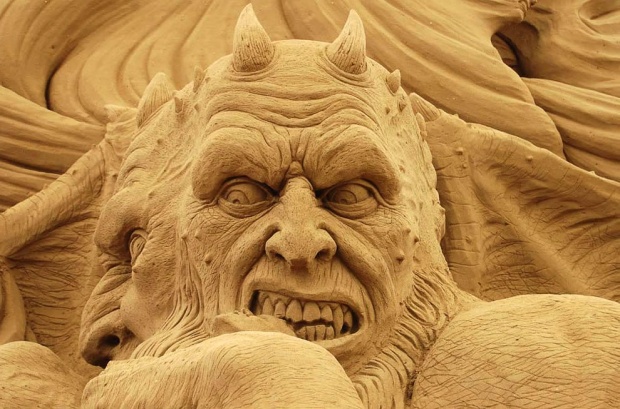
Detail is where sand startles first-time viewers. From the boardwalk a piece may read as a simple silhouette. Up close, lace edges, animal fur, window moldings, and hair strands appear—cut with a steadiness that seems unfair for a material you can erase with a garden hose. Photographers chase that contrast: monumental outline, microscopic care.

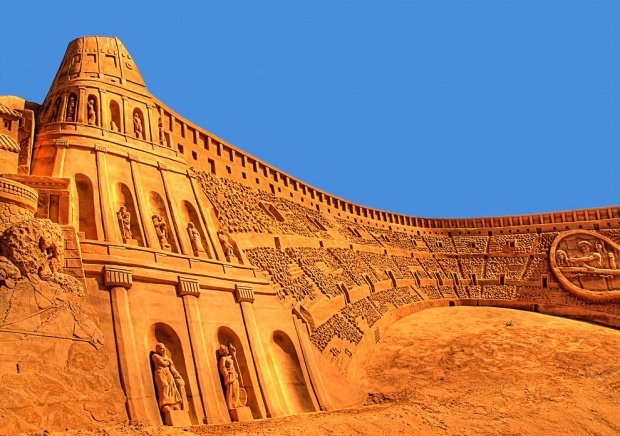
Festivals, commissions, and the temporary district
Much of the world’s serious sand sculpture happens at festivals and competitions. Plots are staked, truckloads of sand arrive, and a stretch of beach becomes a studio neighborhood for a long weekend. Themes may be myth, cinema, civic history, or open invention. Judges weigh technique, originality, and structural nerve. Crowds vote with their feet, clustering around the piece that stops a walk mid-sentence.
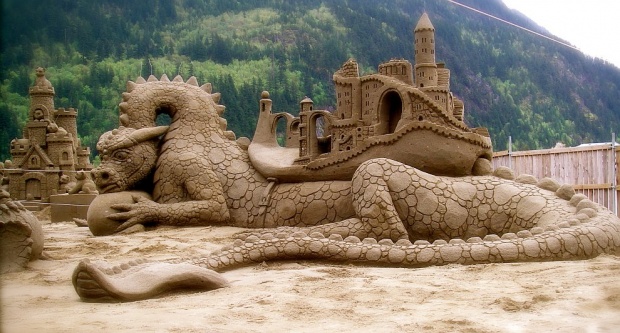
Beach towns also commission seasonal displays as soft tourism infrastructure. A dragon near the pier, a castle by the promenade, a portrait of a local legend—these works function as landmarks you can smell the salt around. They advertise the season without the cost of permanent stone, and they renew each year with new crews and new stories. The economics are practical; the experience still feels like wonder when a child realizes the “statue” is made of the same stuff as their castle bucket.
Subjects that play to the medium
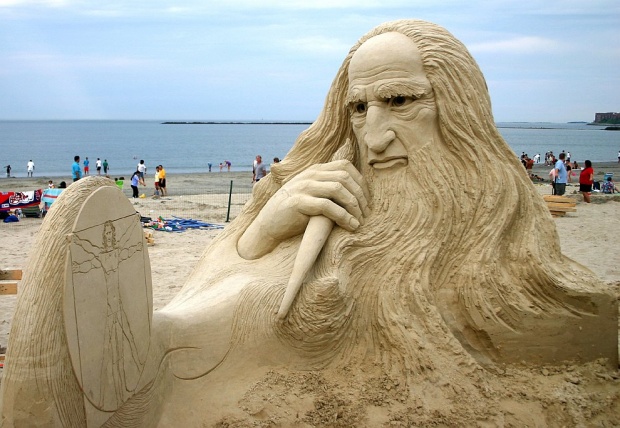
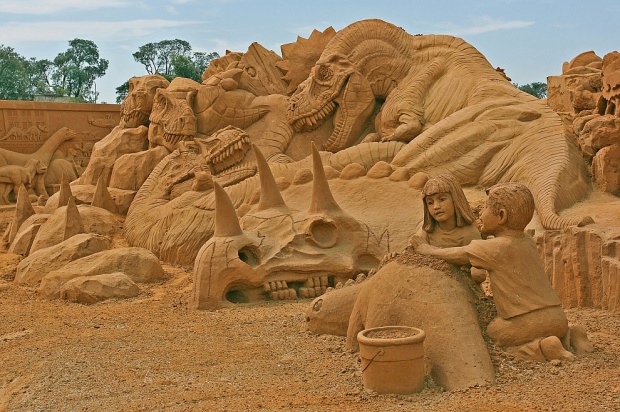
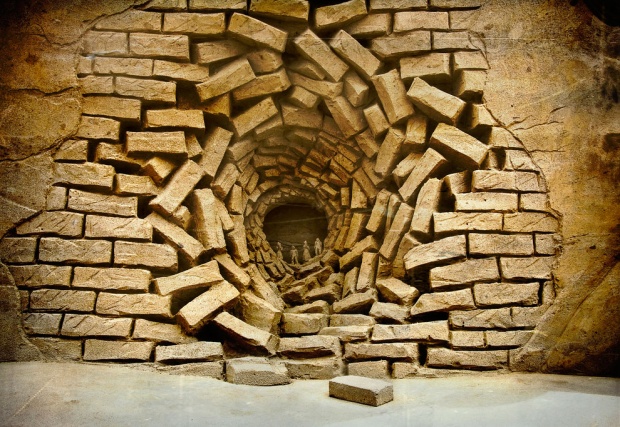
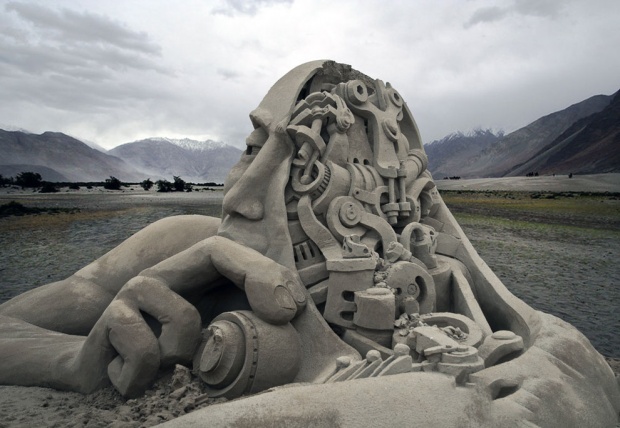
Figurative sand work thrives because packed sand takes rounded volumes and careful undercuts when the core is dense. Faces, hands, animals, and draped cloth are recurring exams. Fantasy architecture—towers, arches, ruined temples—lets artists stack vertical drama while keeping a stable footprint. Humor courts the crowd: oversized beasts, visual puns, scenes that reward a second look after the first laugh.
Scale changes meaning. A carefully cut miniature castle on a towel-sized plot feels intimate and craft-like. A multi-meter composition that overshadows the boardwalk becomes civic spectacle. Both rely on the same physics; only crew size and the cost of failure differ. In either case, silhouette comes first. If the outline fails at twenty meters, no amount of eyelash detail will save the piece for festival traffic.
How to read a sand sculpture in person
Walk a circle when the site allows it. Many works are composed for a primary viewpoint, yet side angles reveal undercuts, negative space, and structural buttressing that the front view hides. Visit again near late-day light if you can; raking sun turns tool marks into drawing and deepens relief. Notice transitions from rough massing to fine finish—where the team stopped compacting and started describing.
Pay attention to the junction with the ground. Amateur pieces often fail where sculpture meets beach: a narrow ankle, a hollow base, a sudden thinness that wind exploits. Professionals flare, buttress, or bury mass so the form feels grown rather than perched. Cracks, drying patches, and wind-softened edges are part of the timeline. They are not always defects; sometimes they are simply the weather signing the work.
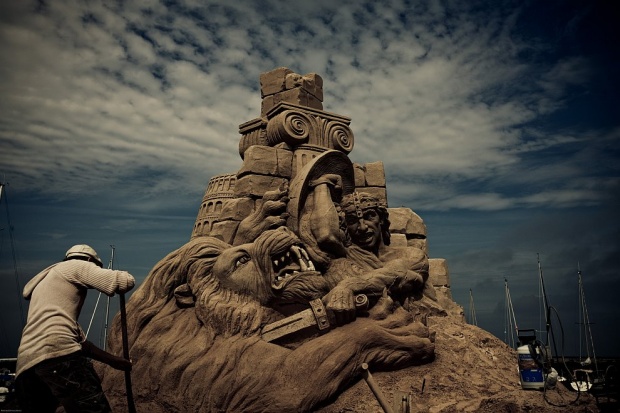
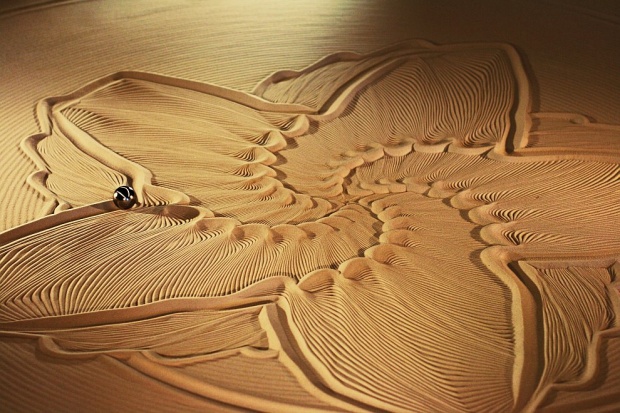
Photographs outlive the tide
Because the sculpture is temporary, images carry unusual weight. A strong photograph can circulate for years after the beach has been raked flat. That is why festival shooters and casual visitors crowd the same golden-hour angles. If you photograph sand art, mind your feet, keep bags off the forms, and remember that a single fingerprint on a cheek can erase a day’s finesse.
Some displays post clear no-touch rules; others live in open beach culture where curiosity presses closer than etiquette prefers. Either way, the medium teaches restraint. Sand rewards looking more than handling. The best souvenir is usually the frame you take home, not the grain you accidentally brush away.
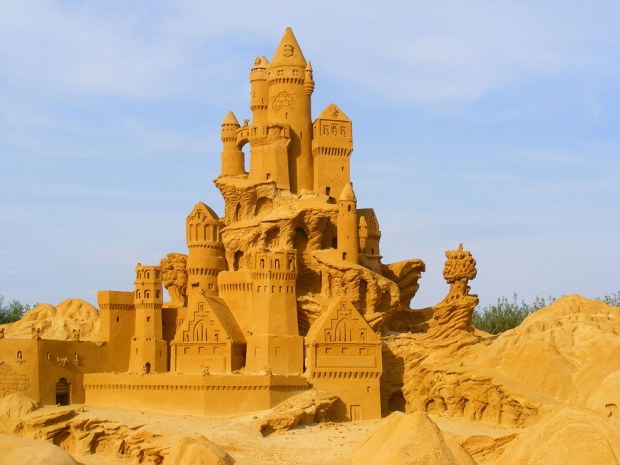
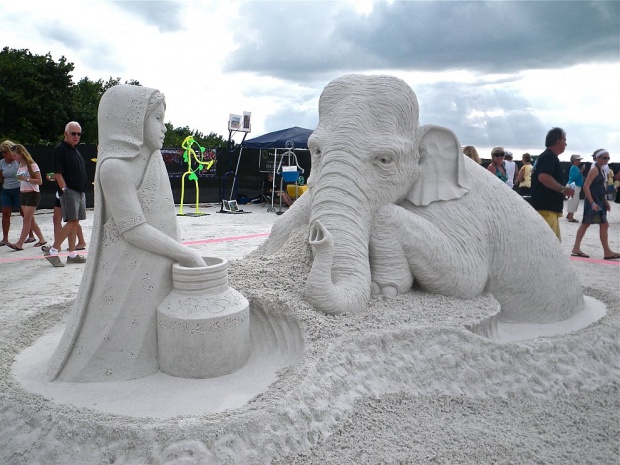
Why sand art keeps returning
The form persists because it is democratic and difficult at the same time. Anyone can dig a moat; few can make a face hold overnight against wind. It is also communal. Packing a tall mass is easier with a team, and festivals turn private craft into public theater. In an art culture that often prizes archival materials and market longevity, sand offers a counter-lesson: beauty that accepts disappearance without apology.
There is also a sensory honesty missing from many indoor sculptures. You hear the ocean while you look. You feel heat on your neck. You smell sunscreen and wet mineral. The artwork does not float in a white cube; it argues with weather in real time. That argument is the medium’s signature.
Move through the images slowly. Choose one detail you would not have expected from beach sand—a lace edge, a wing membrane, a carved window arch—and imagine the hour it took to cut. Somewhere under a different tide chart, another crew is watering another block, racing the same clock, hoping the next photograph arrives before the next collapse.

Comments
Continue reading
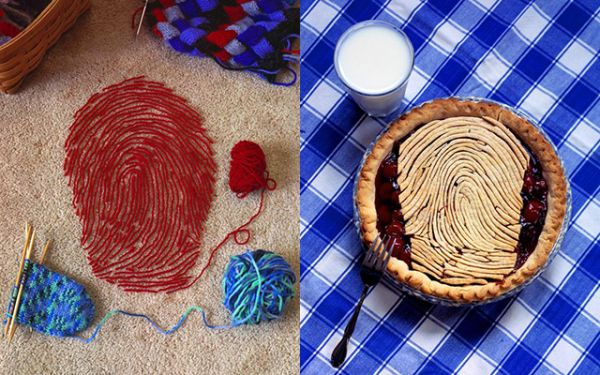
Fingerprint Art by Kevin Van Aelst: Autobiography in Ridges
Connecticut photographer Kevin Van Aelst rebuilds each of his ten fingerprints from mustard, wool, snacks, and other memory-laden materials—turning biometrics into still-life self-portraiture.

Cardboard Ladies (Dame di Cartone) by Christian Tagliavini
Christian Tagliavini’s Dame di Cartone portraits dress women in handmade cardboard couture—baroque, fifties, and cubist echoes built as craft photography.
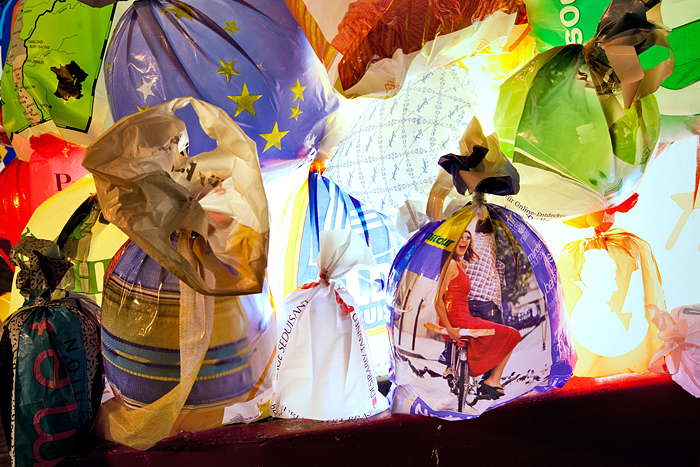
Luzinterruptus: Plastic Garbage Bags Lighting Installation in Winterthur
Luzinterruptus’s 2012 Winterthur installation Plastic Garbage Guarding the Museum—5,000+ illuminated bags left outdoors for four months.