
Simpsonized Breaking Bad Characters by ADN
Adrien Noterdaem (ADN) recasts Walter White, Jesse, Saul, and the Breaking Bad circle in Simpsons form—desert crime icons rebuilt in yellow, with the full gallery.
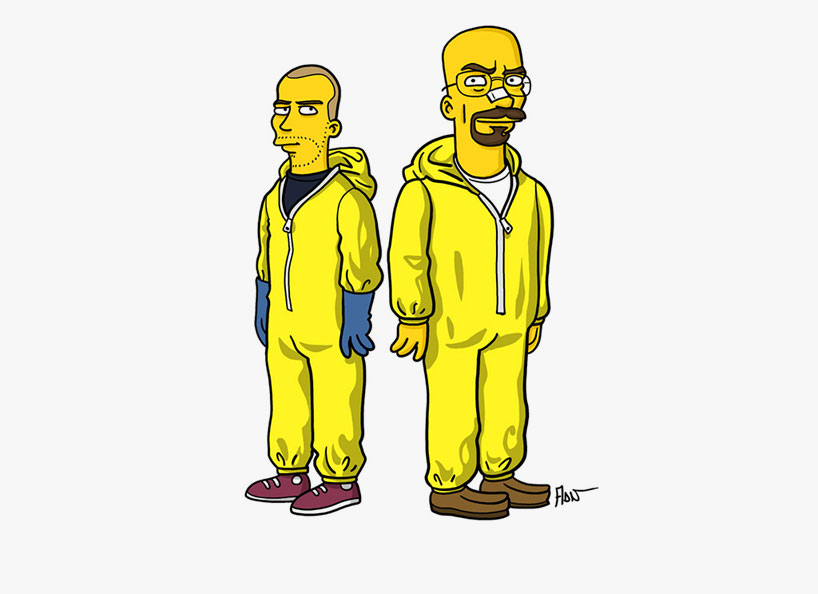
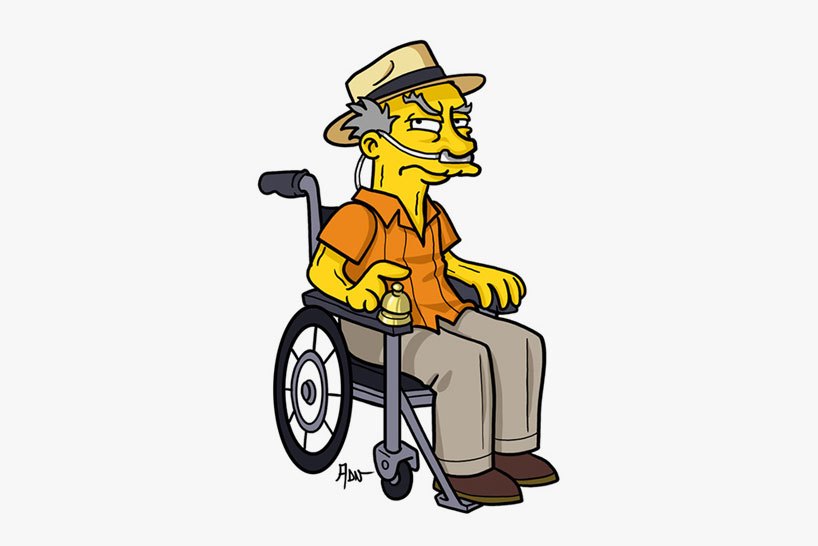
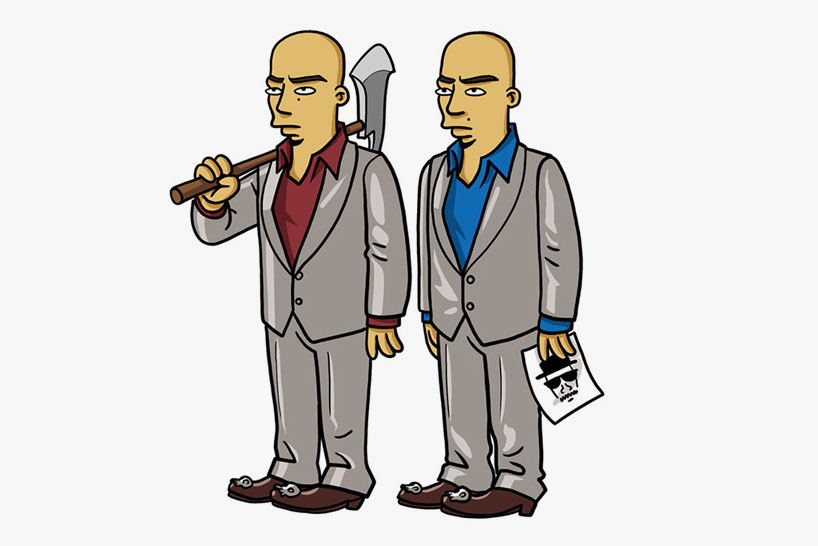
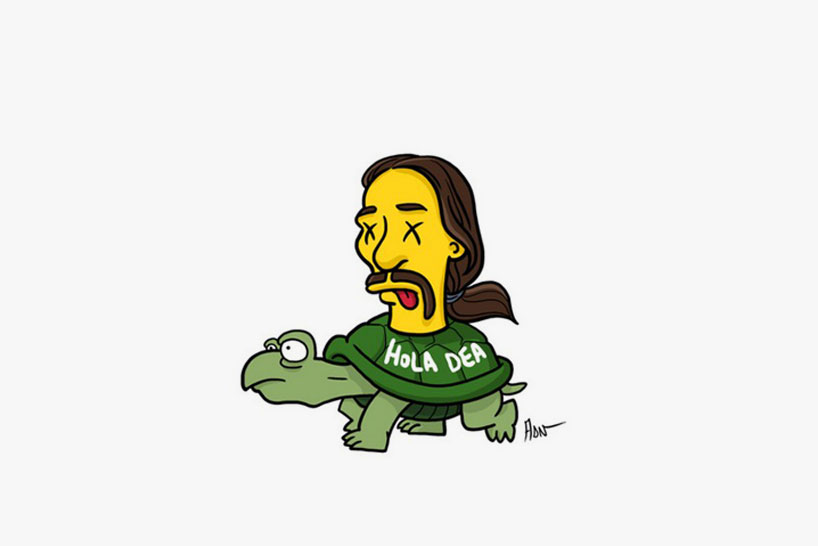
After Breaking Bad ended, fans kept looking for new ways to sit with the cast—theirs was a world of desert light, moral corrosion, and weirdly precise costumes. Brussels-based illustrator and art director Adrien Noterdaem (ADN) answered that appetite by pulling Walter White, Jesse Pinkman, and the people orbiting them into the visual grammar of The Simpsons: overbites, primary colors, and the uncanny friendliness of Springfield faces wearing Albuquerque trouble.
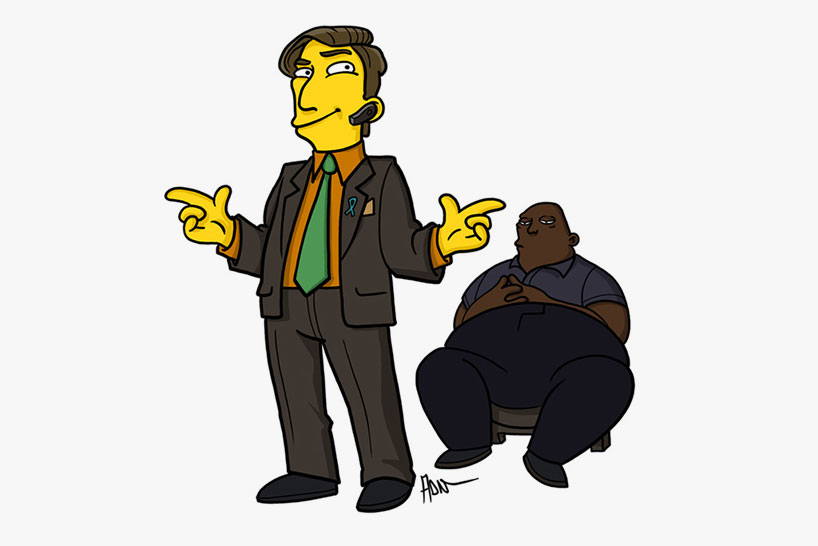
ADN had already shown how far the “simpsonized” method could stretch with fantasy drama; this set aims the same tool at crime television. The joke is not that Heisenberg becomes a sitcom dad. The joke is that the sitcom language is strong enough to carry the show’s icons—porkpie hat, goatee, pink teddy-bear trauma, lawyer swagger—without needing the original actors’ bone structure. Recognition survives the yellow skin.
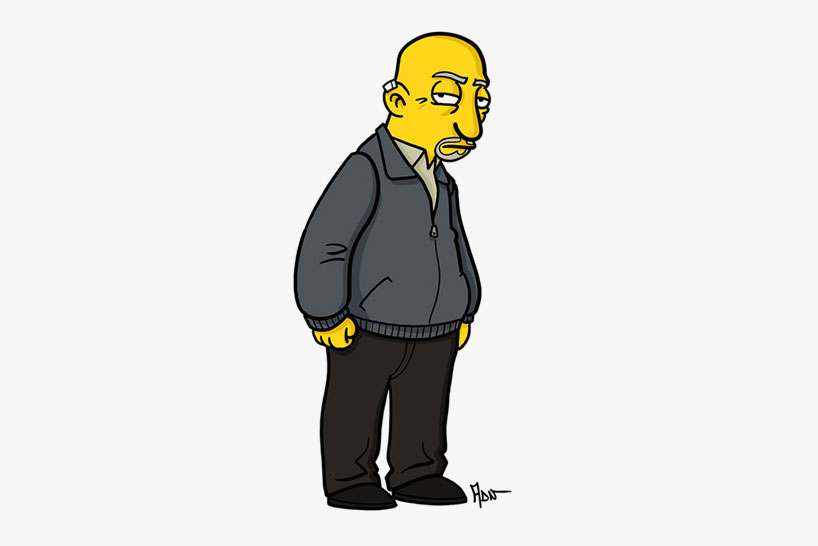
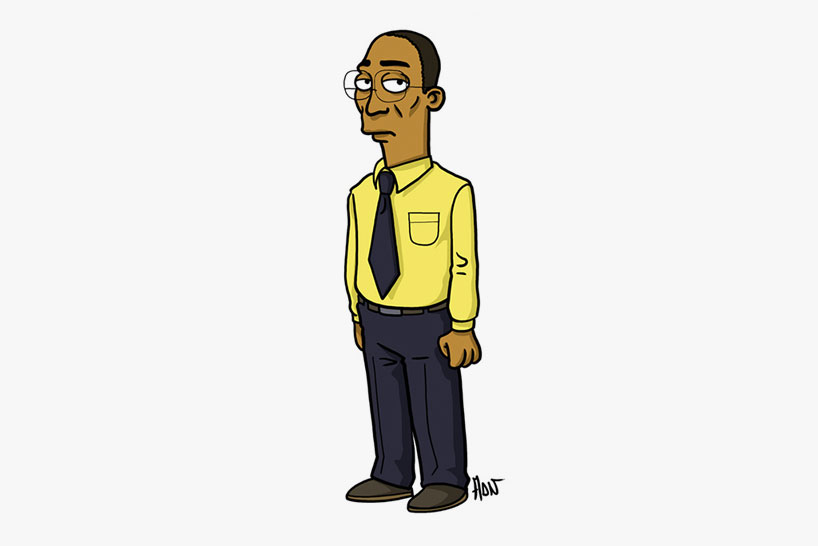
Browse the gallery slowly. Each portrait keeps a signature prop or silhouette so you identify the character before you finish laughing at the conversion.
Why Breaking Bad fits the Simpsons filter
Breaking Bad is built from strong graphic beats: the RV, the porkpie, the pizza on the roof, the hazmat suits, Saul’s office carpet energy. Those beats are already half-cartoon in the cultural memory. ADN’s method thrives on that half-cartoon quality. He simplifies heads toward Matt Groening’s proportions, then reloads the wardrobe and facial hair that made each role famous. The result feels less like a costume party and more like an alternate-network recast.
Color does narrative work here. The show’s palette—desert ochres, institutional greens, warning yellows—meets Springfield’s flat primaries. Where the series used color to track morality and mood, the fan art uses color to make the parody readable at thumbnail size. That readability is craft, not accident. Fan illustration that fails usually fails by over-rendering: too much likeness, not enough graphic punch. ADN goes the other way.
Reading the cast through yellow skin
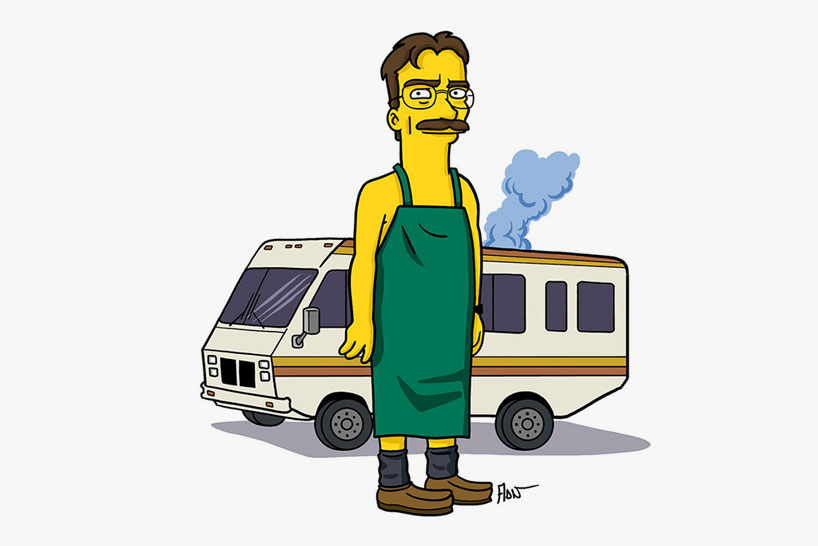
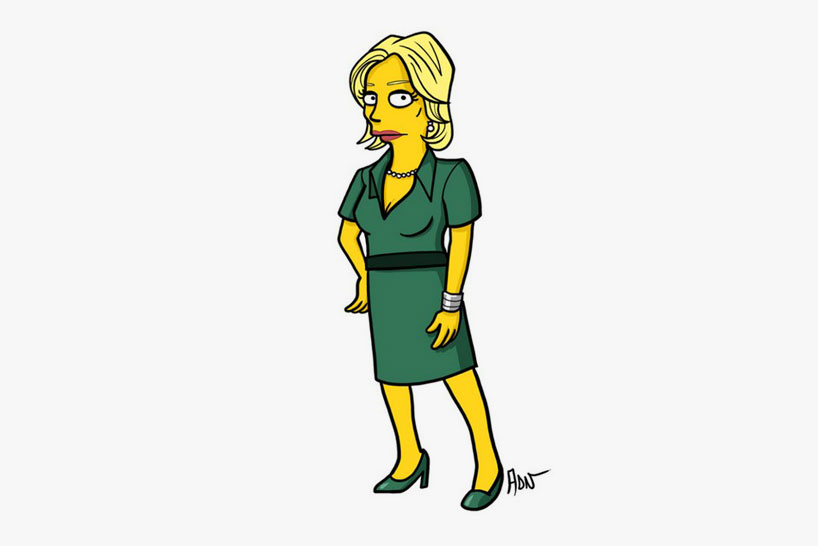
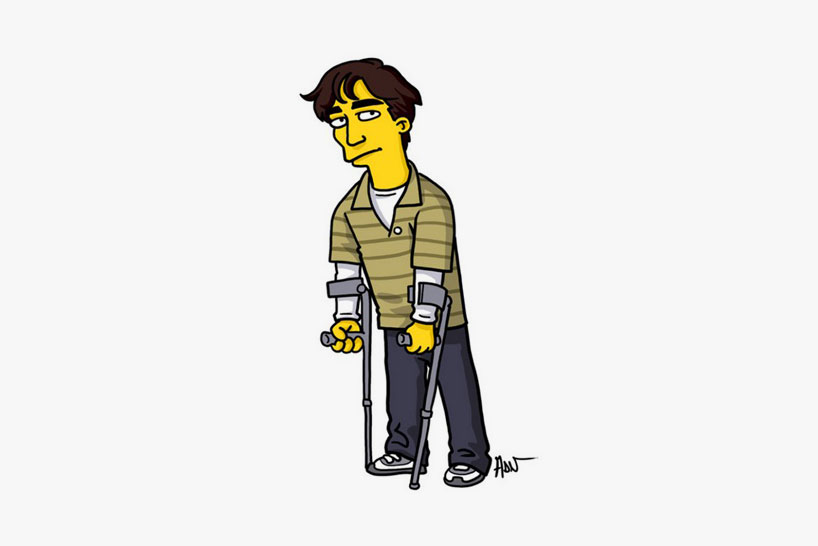
Walter White’s power in these drawings depends on the hat-and-goatee lock. Strip those away and he could be any anxious Springfield chemist. Keep them and the Heisenberg myth still stands, even with oversized eyes. Jesse’s softness and volatility have to travel through hair shape and posture more than through photoreal pain. Supporting players—Skyler, Hank, Walt Jr., Saul—need even clearer costume shorthand because viewers clock them in a fraction of a second in a scroll.
Saul Goodman is almost unfairly suited to simpsonization. The show already wrote him as heightened television: loud suits, louder ethics loopholes. Translating him into ADN’s line feels like meeting a cousin rather than inventing a stranger. Hank’s DEA solidity and Walt Jr.’s specific presence ask for different care—enough likeness to avoid cruelty, enough stylization to stay inside the parody’s rules. Good fan casting on paper has the same ethics as good casting on screen: exaggerate the role, not the person’s humanity into a cheap joke.
Crime drama vs. fantasy: a different ADN problem
ADN’s Game of Thrones simpsonizations lean on crowns, cloaks, armor silhouettes, and heraldic hair. Westeros gives an illustrator pageantry. Breaking Bad gives an illustrator suburban menace and lab gear. That is a harder comedy assignment in some ways, because the clothes are closer to ordinary life. The parody has to work harder to signal “this is still that show” without dragons or swords doing half the recognition.
Here, chemistry equipment, law-enforcement cues, and the show’s famous wardrobe beats become the heraldry. The desert crime story becomes a set of icons. If you look across both projects, you can see ADN testing the same engine on two fuels: epic costume design versus prestige-cable realism. Both run. They just leave different exhaust—one glittered with ice and iron, the other with meth-lab caution yellow.
What to notice in the line work
Simpsonization is often dismissed as a meme format. In practiced hands it is a design constraint set: limited facial vocabulary, bold outlines, flat color fields, expressive hair as character ID. ADN uses that constraint like a sonnet form. Inside the limits, choices still matter—eyebrow angle, how wide the smile goes, whether the character’s energy is coiled or loose. Those micro-choices are why some fan Simpsons casts feel dead and others feel oddly alive.
Also notice what is left out. Backgrounds stay secondary so faces and costumes carry the gag. That mirrors how the original show often framed close-ups of transformation: Walt’s face changing long before the plot spelled out the cost. Parody that understands the source material imitates structure, not only wardrobe.
Groupings matter as much as solo portraits. When ADN places partners, rivals, or family members near one another, the comedy sharpens: you see the show’s relationships as a casting board. Chemistry between Walt and Jesse, the White household’s brittle politeness, Saul’s orbit as comic relief with teeth—those dynamics survive stylization when posture and costume hierarchy stay honest. A gallery like this is not only “look, yellow Heisenberg.” It is a reminder that Breaking Bad was always an ensemble machine, even when the camera worshipped one man’s descent.
For illustrators studying the set, try a simple exercise: cover the faces and identify characters by wardrobe alone. Then cover the wardrobe cues and see what remains in brow and mouth. ADN’s stronger frames pass both tests. That double legibility is why the images still travel years after the finale—recognition does not depend on a single fragile detail.
Credit where the yellow begins
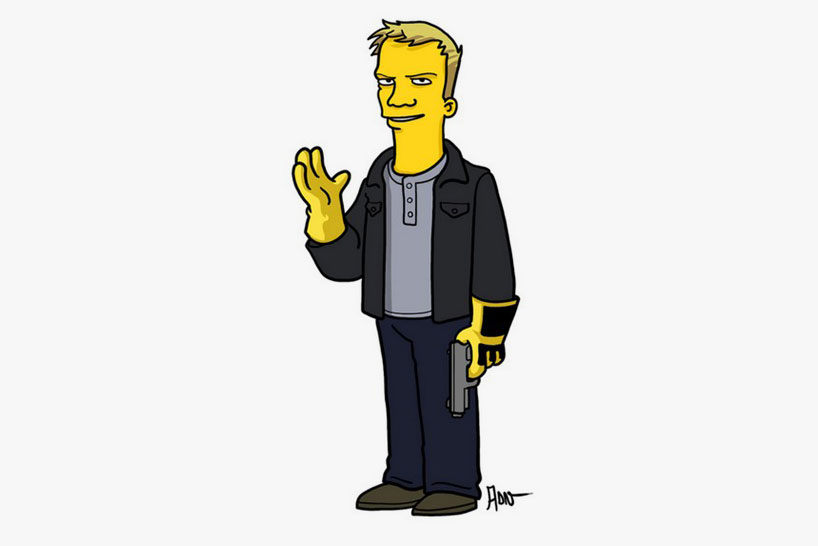
These illustrations belong to Adrien Noterdaem’s ongoing experiment in translating screen culture through one of animation’s most recognizable face systems. For more of his work, his long-running presence as ADN on DeviantArt has been a public shelf for the series. Enjoy the set as fan art with a clear author—not as interchangeable internet sludge.
If the cast makes you want another pass through the show, let the drawings set the terms: look for the graphic props first, then the moral weather. ADN’s Albuquerque-in-Springfield reminds you that prestige television and Saturday-morning character design are closer cousins than critics admit. Put a porkpie on a Simpsons head and the empire of meth still casts a shadow. That shadow, drawn in flat color, is the point of the whole exercise.

Comments
Continue reading
Breaking Bad Fan Art: Characters, Craft, and 2012 Visual Fandom
Jesse Pinkman graphic portrait and the craft of Breaking Bad fan art—limited palettes, icon reduction, and the 2012 poster-art moment.
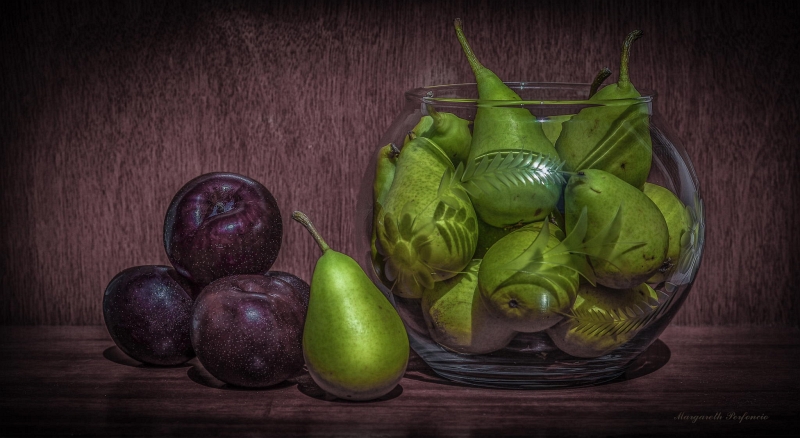
Still-Life Photography by Margareth Perfoncio
São Paulo photographer Margareth Perfoncio’s still lifes of food and flowers—Old Master light, dark wood, and tables that feel inevitable.
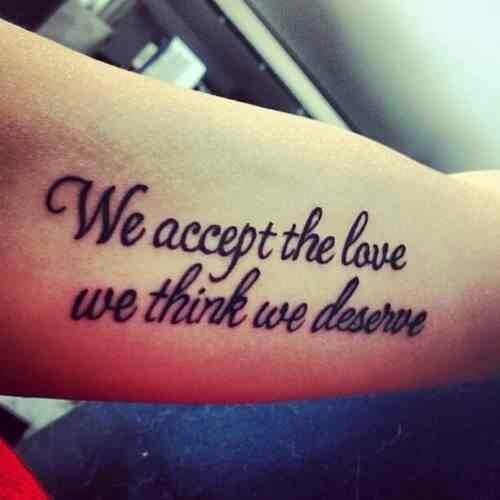
Meaningful Love Quotes for Inspiration (and Ink)
Meaningful love quotes that still feel true — short lines for tattoos, gifts, and everyday reminders, with placement and wording tips.