
Simple Christmas Home Decoration That Actually Work
Entry, mantel, table, tree, lights, paper crafts, and textiles—practical holiday styling paired with the original decoration gallery.
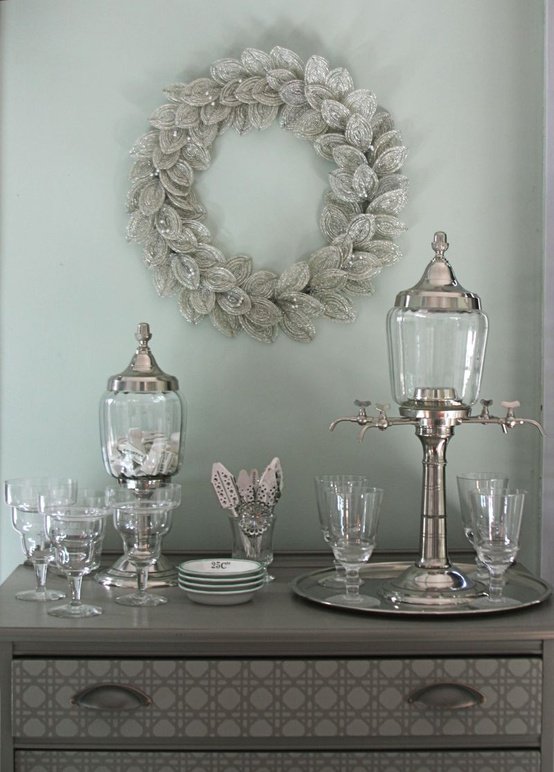
Holiday decorating does not require a storage unit of themed inventory. A few repeated materials—greenery, warm light, paper, ribbon, and one or two color anchors—can make a home feel festive without turning every surface into a display case. The ideas below follow the same simple, handmade spirit as classic photo roundups: wreaths and garlands, paper stars, candle clusters, table runners, tree details, and entry moments that greet guests before they reach the living room.
Pick a palette early. Two main colors plus one metallic or natural wood tone usually photographs and lives better than a full rainbow. If last year’s ornaments already lean red and gold, lean into that rather than fighting it with a new trend palette you will store unused.
Start at the door and the first sightline
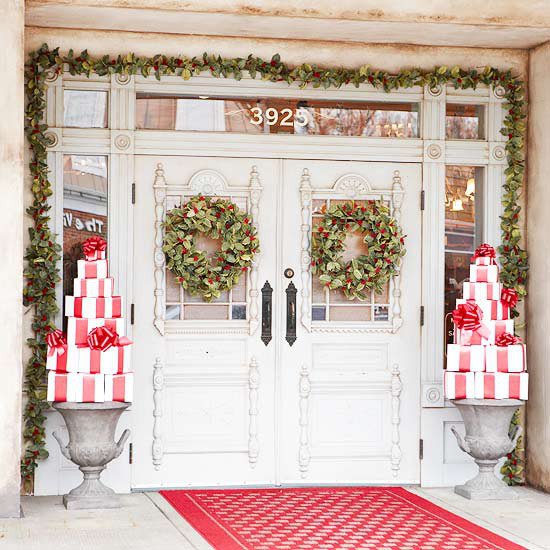
Guests form an impression in the entry. A wreath, a simple swag on the door, or a basket of wrapped greenery beside boots does more than a dozen small trinkets scattered indoors. Hang wreaths with a wide ribbon over the door top if you lack a hanger, and choose greenery that matches your climate—fresh for cool regions with outdoor porches, high-quality faux where heat would brown real cuttings in days.
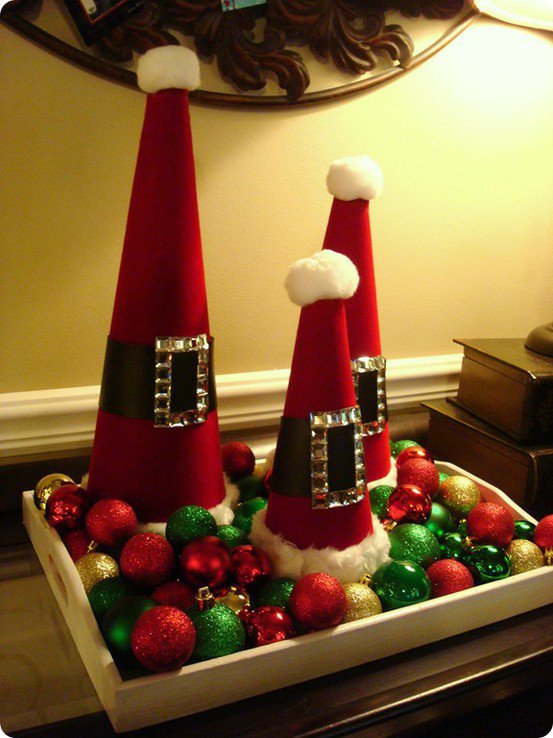
Inside, clear one horizontal surface near the entrance—console or shelf—and style only that: a tray, a candle, a small bowl of ornaments, maybe a stack of books with a spruce sprig. Empty space around the vignette keeps it from reading as clutter.
Mantels and tabletops: one job each
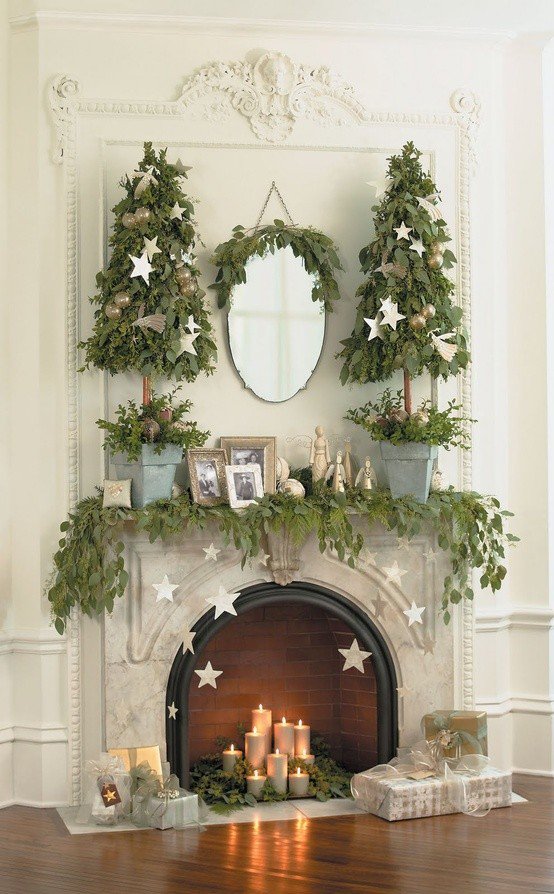
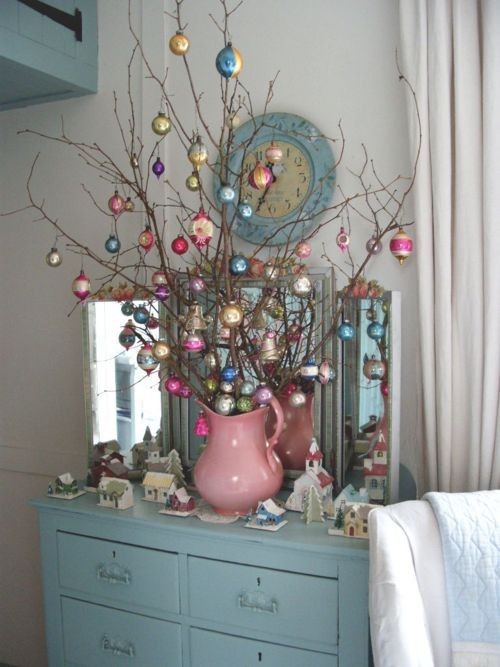
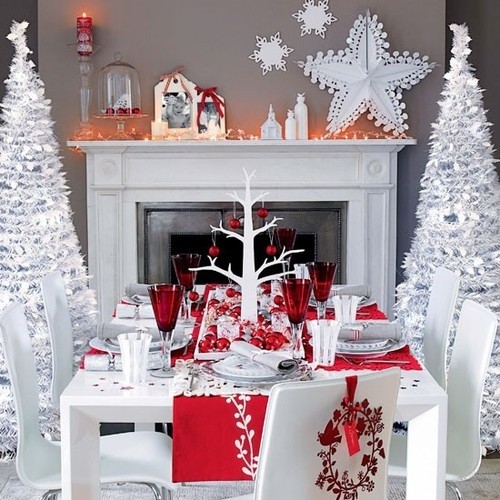
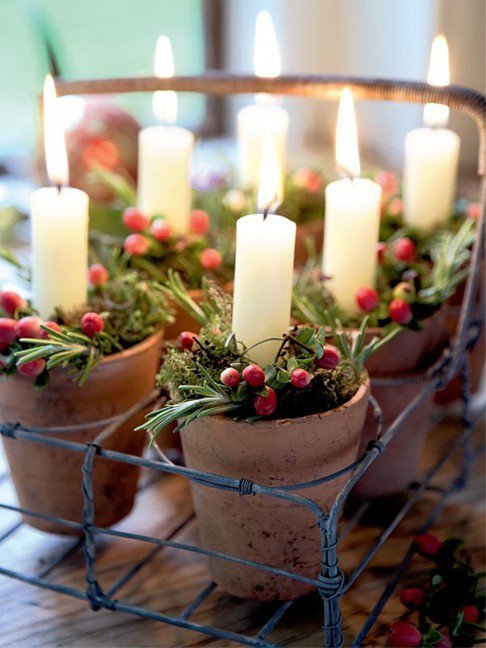
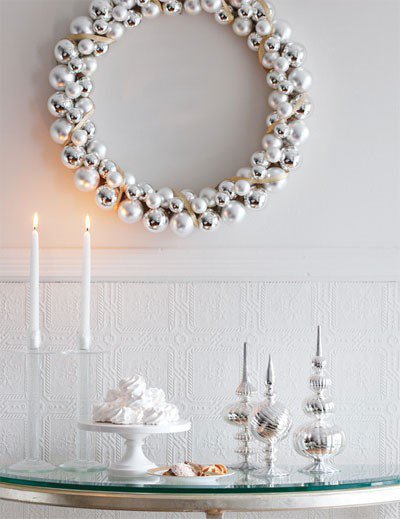
Mantels work when height varies. Mix low candle clusters with medium bottle-brush trees or stacked books and one taller element (a branch in a vase, a star topper on a stand). Drape a thin garland so it breaks the mantel line in soft waves rather than a stiff rope. Keep flammables away from open flames; LED candles solve the worry in busy households.
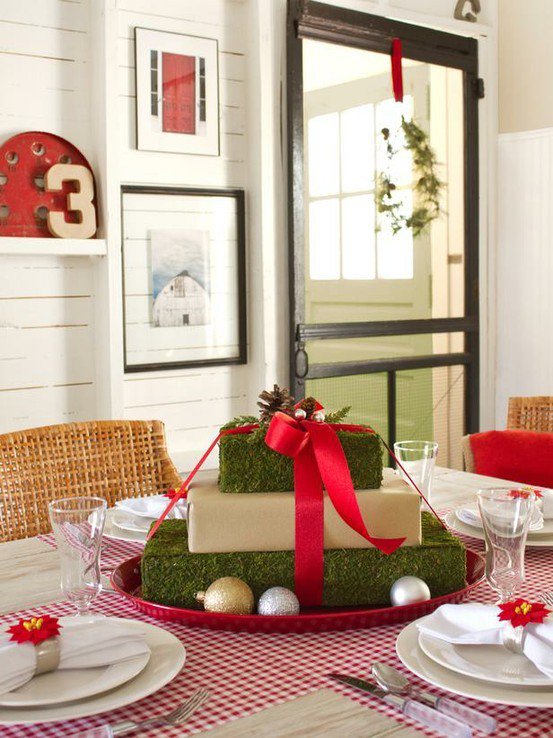
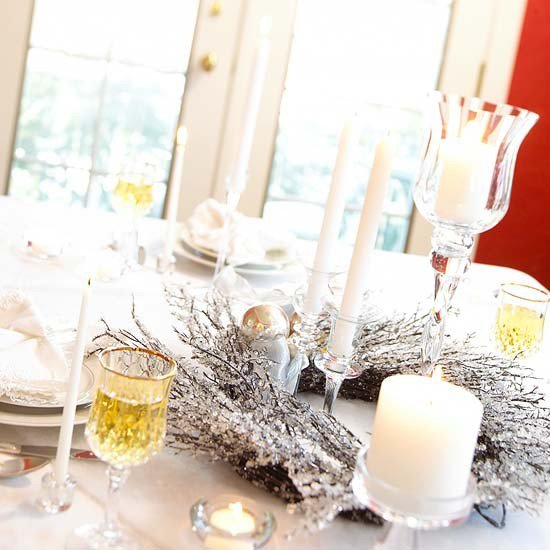
Dining tables need a centerpiece that survives conversation and serving dishes. A low runner of cedar or eucalyptus, a few pillar candles in storm glasses, and scattered pinecones or ornaments keep sightlines open. Avoid tall arrangements that force guests to lean sideways to talk. For everyday December meals, a simpler tray version you can lift off before dinner prevents constant resetting.
Paper, stars, and handmade ornaments
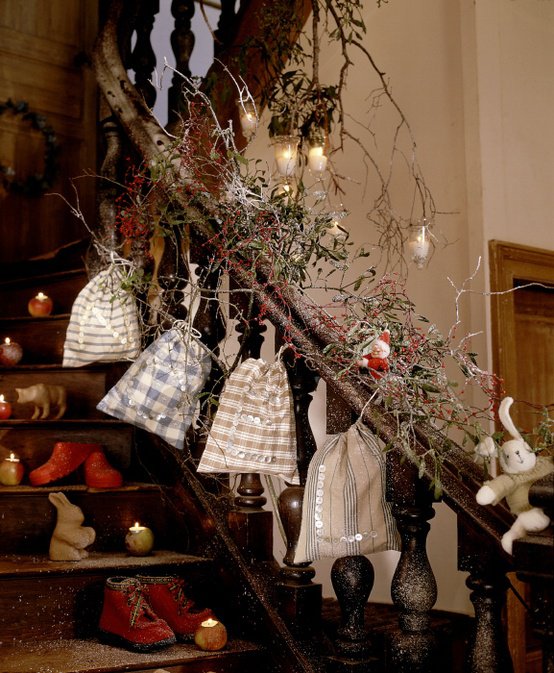
Paper decorations are inexpensive, flat for storage, and easy to batch with kids. Cut snowflakes, fold accordion stars, or string paper circles into garlands. Hang them in windows where backlight shows the cutwork, or cluster several sizes on a blank wall as a temporary installation you can take down in January without nail holes—use removable hooks.
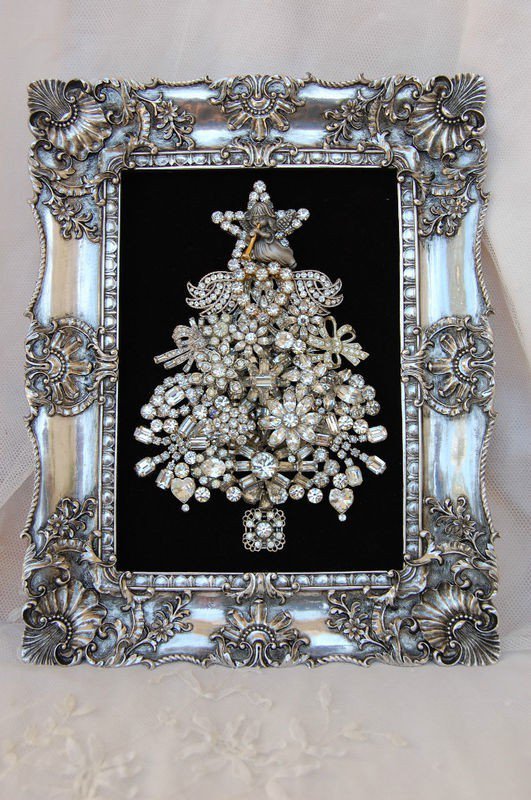
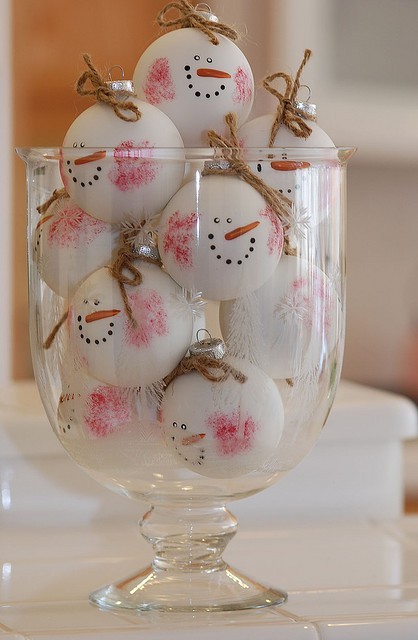
On the tree, mix handmade pieces with a few reflective ornaments so the tree still catches light. Too many matte craft ornaments can look dull under warm bulbs; a handful of glass or metallic balls restores sparkle. Limit new craft projects to what you will actually hang; unfinished piles on the dining table undermine the calm you are decorating for.
Light as the real atmosphere
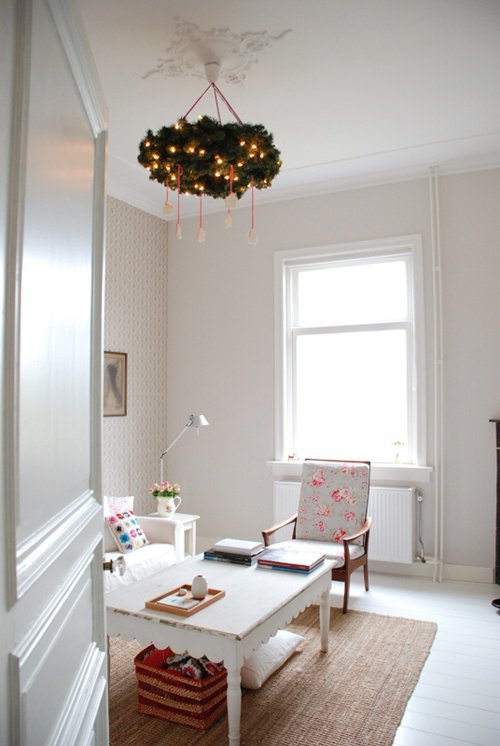
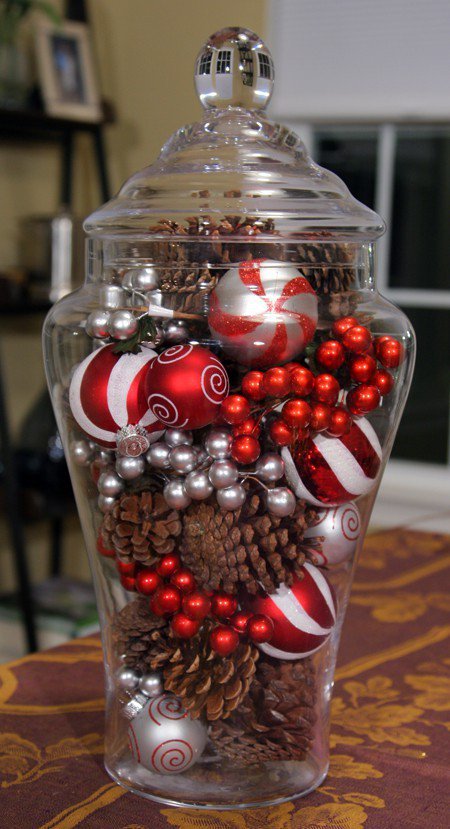
String lights do more than ornaments for evening mood. Outline a window, weave warm-white lights through a garland, or fill a clear jar with a short strand for a side table. Prefer warm white over multicolor if your interiors are calm neutrals; save colored lights for a kid’s room or a deliberately playful tree.
Dim overheads when guests arrive and let lamps plus holiday lights carry the room. Timers help: set lights to come on at dusk so the house feels ready without a nightly chore. Check cords for wear, and do not pinch wires under heavy furniture.
Natural materials that smell like the season
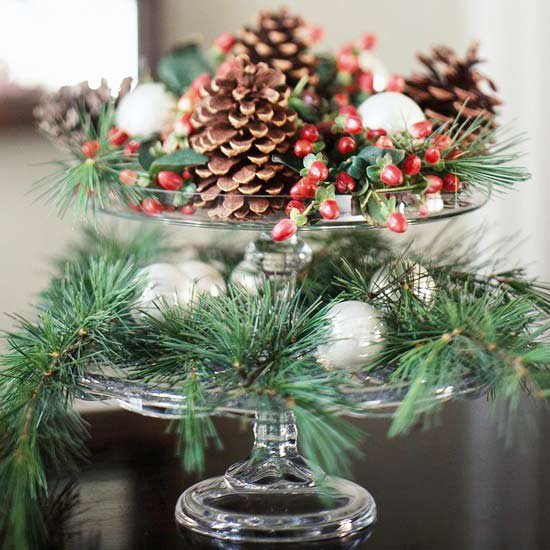
Clippings from a Christmas tree lot, grocery-store rosemary, cinnamon sticks bundled with twine, and bowls of citrus studded with cloves are decorations you can assemble in an afternoon. Replace soft greenery weekly; dry pieces become a fire risk near candles.
Foraged pinecones bake on low heat to clear insects before indoor use, then nest in bowls or glue onto wreath bases. Birch logs stacked in a unused fireplace (with safety in mind if the fireplace is active) add texture without glitter. Keep pollen-heavy greenery away from anyone with strong allergies, or choose washed faux stems for those rooms.
The tree without overwhelm
A coherent tree usually follows a sequence: lights first (tucked toward the trunk), then larger ornaments evenly, then smaller fillers, then topper and skirt. Step back often. Gaps at the back matter less if the tree sits in a corner; gaps facing the sofa matter more.
If storage space is tight, a smaller real or faux tree on a table, decorated with restraint, can feel more intentional than a sparse full-height tree. Ribbon verticals—cascading from top to bottom—add fullness when ornament counts are low.
Place settings that feel special without a full tablescape kit
Cloth napkins with a sprig of rosemary and a name tag beat rented charger plates you will never reuse. A single ornament at each setting doubles as a take-home favor. Keep plates and glassware you already own; holiday energy comes from the small botanical and paper details, not from buying a second set of dishes.
For buffet nights, label dishes with simple cards and add one decorated tray at the end of the line for dessert. Guests remember ease and warmth more than matching china patterns.
Textiles, stockings, and the soft layer
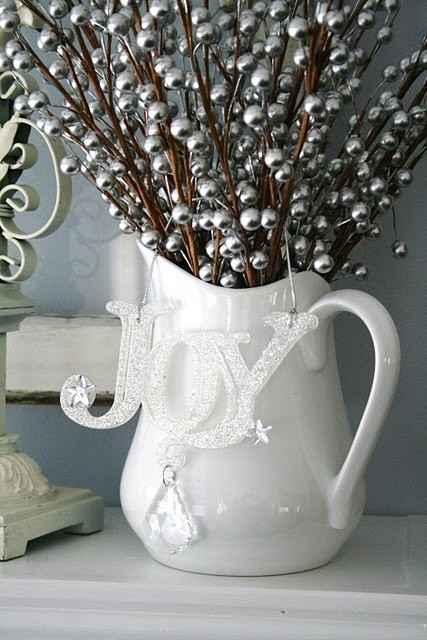
Swap everyday throw pillows for two or three holiday covers, add a plaid or cream throw on the sofa, and hang stockings even if the fireplace is decorative. Textiles change the room’s temperature visually without requiring shelves of figurines. Store them in a single labeled bin so next November’s setup takes one afternoon.
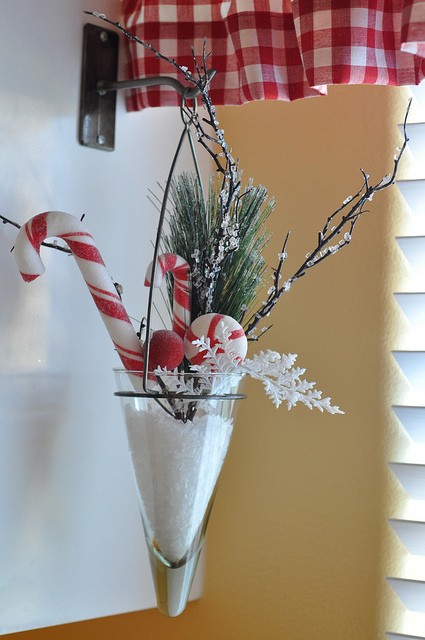
If you share a small apartment, choose vertical decoration (door wreath, window stars, wall garland) over floor-consuming villages. One excellent tree corner beats five half-decorated zones.
A weekend plan that stays realistic
Friday: choose palette, unpack lights, test cords. Saturday morning: entry and mantel. Saturday afternoon: tree lights and main ornaments. Sunday: table runner, candles, and paper crafts with whoever wants to help. Leave one blank wall or shelf undecorated on purpose—rest for the eye makes the festive zones read stronger.
When January comes, photograph setups you liked before packing. Next year’s decorating becomes editing, not reinventing—and the house can feel like Christmas again with less decision fatigue.

Comments
Continue reading
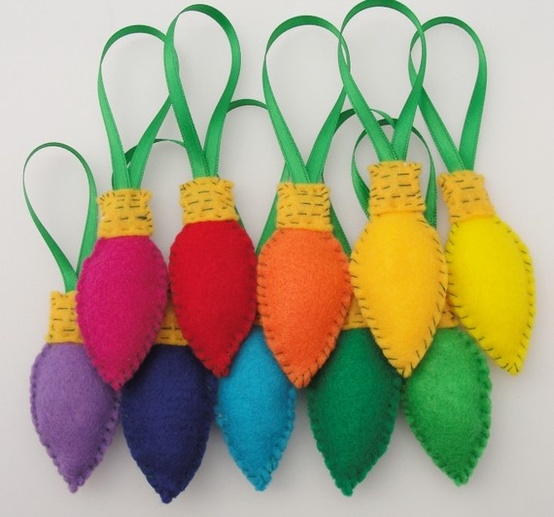
DIY Christmas Ornaments with Paint, Glitter, Crystals, and Filled Balls
Turn plain ornament blanks into a cohesive handmade tree with painted swirls, sealed glitter, crystal accents, filled scenes, and ribbon hangers that store cleanly for next year.

Christmas Lights Around the World: Ten City Displays
From Vienna’s markets to Medellín’s river canopy and Singapore’s Orchard Road—ten cities where public Christmas lights turn night into a destination.
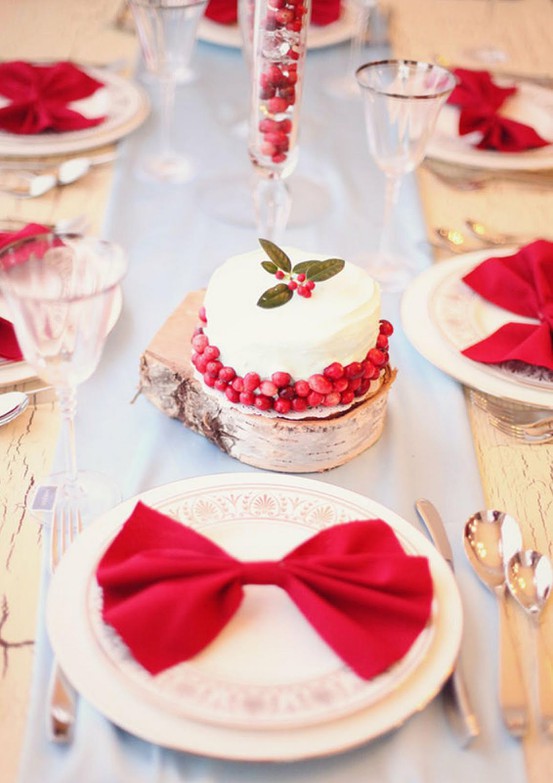
Christmas Tablescapes: Color, Height, and Place Settings That Work
How to build a Christmas table with a clear palette, usable height, strong place settings, and natural accents—plus a practical setup order for real dinners.