
Short Animation: The Bear & The Hare
John Lewis’s The Bear and the Hare—Elliot Dear and Yves Geleyn’s 2D/stop-motion hybrid Christmas short with Aaron Blaise characters and Lily Allen’s Keane cover.
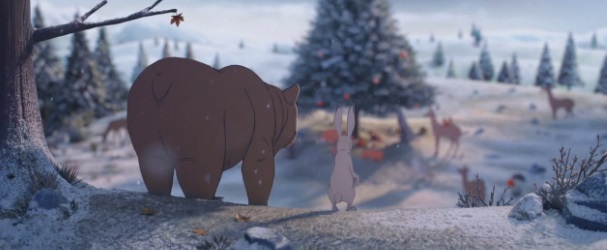
John Lewis’s 2013 Christmas film The Bear and the Hare arrived as a two-minute woodland story about friendship, hibernation, and a gift timed to sunrise—set to Lily Allen’s cover of Keane’s “Somewhere Only We Know.” It is a commercial, yes: agency adam&eveDDB, a reported multimillion-pound campaign, the retailer’s annual appointment-to-tearfulness. It is also a short film with a production method unusual enough that craft press covered the pipeline as carefully as the plot. A hare wants his bear friend to wake for Christmas; an alarm clock becomes the thoughtful gift; snow, tree, and reunion do the emotional closing work.
Hybrid craft: drawn characters, real miniature worlds
Directors Elliot Dear (Blinkink) and Yves Geleyn (Hornet) married hand-drawn 2D character animation to stop-motion miniature sets—an approach John Lewis’s marketing team framed as new for UK TV advertising at the time. Character design and 2D animation were led by Disney veteran Aaron Blaise (credits including Brother Bear, The Lion King, Mulan) with a team at Premise Entertainment in Orlando. Frames were printed, laser-cut—nearly four thousand individually labeled pieces in production accounts—then placed into physical sets for a six-week stop-frame shoot. Production designer John Lee (feature credits spanning effects and stop-motion landmarks such as Aliens, Fantastic Mr. Fox, and Frankenweenie) and crew built sets at Shepperton before moving them to Clapham Road Studios. Previz at Blinkink integrated scale before paper met plywood. Post and grade closed the chain in-house and at MPC.
That pipeline is not trivia for animation nerds alone. It explains why the spot feels tactile in a year when many holiday ads were pure CG polish. You can sense paper edges meeting miniature snow. Human imperfection—the slight misregistration of a cut-out on a set—becomes warmth. The directors’ stated aim was to do almost everything in camera with real lighting and lens craft so the audience could “see and feel the painstaking work.” For a retailer selling thoughtful gifts, labor made visible is brand strategy as well as aesthetics.
The story under the technique
Plot-wise the short is clean enough for a children’s book (and it was adapted into illustrated and interactive editions). Autumn friendship; winter sleep; a hare watching other animals prepare a tree while the bear misses Christmas again; a present that solves the problem without violating hibernation’s logic—an alarm set for Christmas morning. The campaign line, “Give someone a Christmas they’ll never forget,” maps onto the narrative with unusual neatness: the gift is not a gadget for its own sake, but a way to share time. That is why the alarm clock works as a McGuffin. It is ordinary, readable in silhouette, and emotionally precise.
Lily Allen’s vocal performance supplies the other half of the public memory. Covering Keane’s 2004 song, the track became inseparable from the ad’s UK reception and chart life. Music choice in John Lewis Christmas films is half the event; here the melancholy-into-lift arc matches a story about absence and arrival. The woodland setting and soft winter light do what the score asks: nostalgia without needing a human face on camera.
Commercial short, cinematic ambition
Calling The Bear and the Hare “only an ad” misses how British Christmas advertising of this era functioned as national short-film culture—debated on morning shows, dissected for sincerity, accused of emotional manipulation, defended as craft. The Guardian’s contemporaneous reaction pieces, Marketing Week’s campaign coverage, and AWN’s production notes all treated it as a media object with directors, designers, and a technique story. Blinkink and Hornet’s collaboration, with executive and producing teams spanning both shops, was scaled like a miniature feature: specialists for 2D, specialists for stop-frame, a shared previz language so the marriage would hold.
Compared with student CG comedies or festival body-horror bumpers, this short’s angle is institutional craft in service of a simple friendship fable. It is not trying to invent a new joke structure. It is trying to make a known emotional shape feel handmade. Aaron Blaise’s Disney-honed character acting gives the animals weight and eye energy; Lee’s sets give them a world with depth of field and practical shadow. The hybrid is the star as much as the bear.
Thoughtful giving as plot mechanics
John Lewis Christmas films of this period repeatedly dramatize gift-giving as emotional intelligence rather than unboxing. The Bear and the Hare is among the clearest versions of that brief because the present solves a specific relational problem: the bear keeps missing the holiday. An alarm clock is almost comically practical—more “useful object” than luxury fantasy—which makes the tearjerker land harder for some viewers and colder for others. Critics who found the spot chilly or over-calculated were reacting to that precision. Precision is also why children can follow it. The problem is visual (sleep through Christmas). The solution is visual (wake on Christmas). No subplot required.
Agency creative directors described the challenge as locking tone, geography, and the exact wake-up device—details that sound small until you imagine the wrong prop destroying the spell. A feast would overcomplicate. A toy might feel trivial. A clock says: I want you here for this hour. That is the commercial’s thesis smuggled inside a fable.
What to watch for on a rewatch
First pass: follow the hare’s plan and the bear’s waking. Second pass: look at contact points—feet on snow, bodies against cave and tree, how cut-out characters occupy real space. Third pass: mute the music once and study lighting alone; the “honesty” the directors chased lives in how miniature winter is photographed. Those passes turn a seasonal tearjerker into a case study in mixed-media animation. Notice, too, how often the camera treats the forest like a stage set with wings and depth—because it is one.
Keep the entities straight when you cite it: John Lewis; adam&eveDDB; Elliot Dear and Yves Geleyn; Blinkink and Hornet; Aaron Blaise and Premise Entertainment; John Lee; Lily Allen covering Keane. The film’s Christmas is shared time recovered from sleep. The production’s Christmas is thousands of labeled paper frames moved by hand until friendship looks inevitable—alarm ringing, tree waiting, hare vindicated.

Comments
Continue reading

Still-Life Photography by Margareth Perfoncio
São Paulo photographer Margareth Perfoncio’s still lifes of food and flowers—Old Master light, dark wood, and tables that feel inevitable.
Meaningful Love Quotes for Inspiration (and Ink)
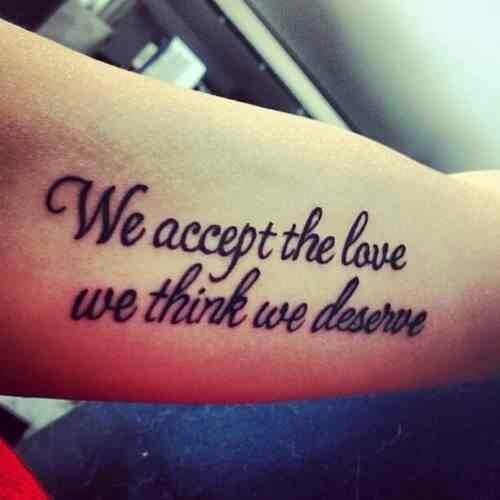
Meaningful love quotes that still feel true — short lines for tattoos, gifts, and everyday reminders, with placement and wording tips.
Christina Hess’s Animals From History: Costumed Pets as Playful Portraits
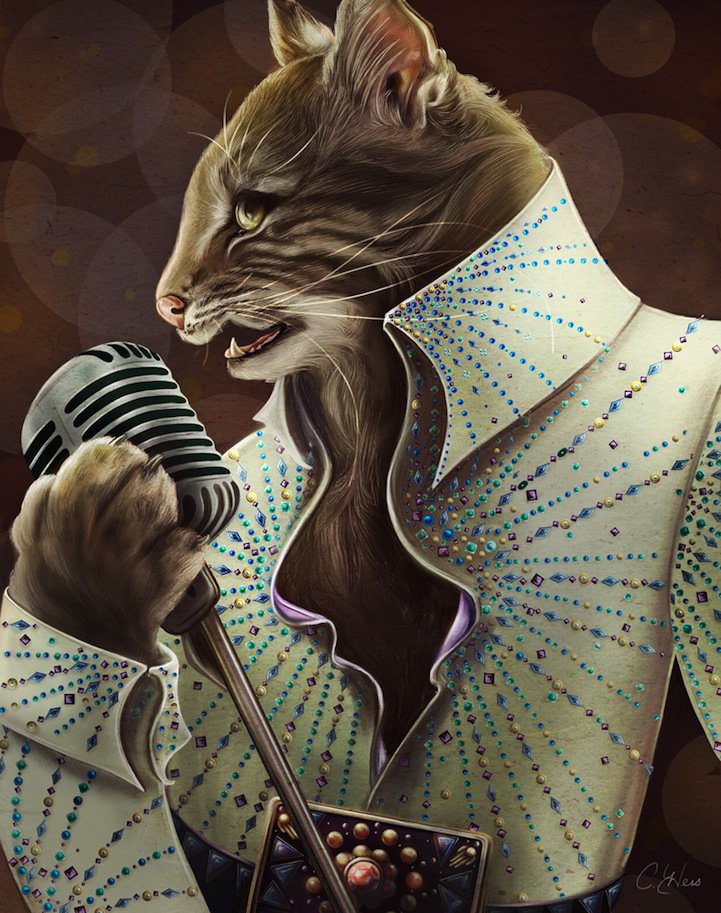
Illustrator Christina Hess reimagines historical icons as ornate animal portraits—Elvis Petme and friends—mixing puns, costume detail, and soft history lessons.