
Food Photography by Katie Newborn: Napa Roots, Bay Area Tables
Katie Newborn’s food photography—shaped by Napa Valley upbringing and Bay Area studio work—invites viewers to taste atmosphere, texture, and hospitality through the lens.
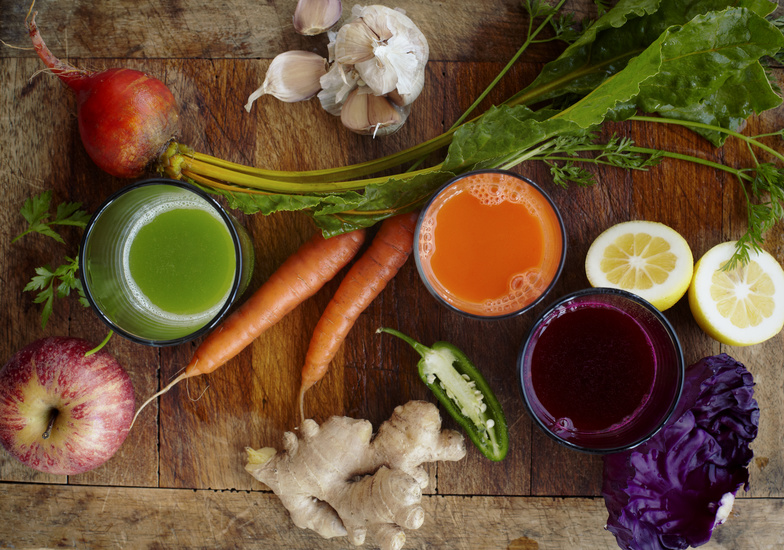
Katie Newborn photographs food the way a good host sets a table: with attention to people, place, and the feeling of being invited closer. Raised in California’s Napa Valley—among farms, vineyards, and the everyday theater of hospitality—she grew into a commercial and editorial photographer whose images make hunger look like belonging. Unlike food art that sculpts characters onto a plate, her work is food photography in the classic sense: lighting, composition, texture, and atmosphere in service of appetite and story.
By the mid-2010s she was working from a studio in Emeryville’s warehouse district and collaborating with Bay Area clients. The pictures gathered here show that period’s language—warm surfaces, honest ingredients, moments that feel lived-in rather than clinical. You are meant to sit beside the frame and almost taste what she tasted. The camera is not documenting a cartoon dinner; it is translating a real meal’s sensory life into still photographs.
Napa roots, Bay Area practice
Growing up around growers and wine makers trains a particular eye. Produce is not abstract; it has seasons, dirt, and a social life. Katie Newborn’s food photography carries that inheritance. Plates look connected to kitchens and tables, not only to prop closets. Steam, crumbs, a poured glass, a hand entering the edge of the frame—these details keep the subject human. Regional knowledge becomes a quiet advantage: knowing how local ingredients look at their peak, how restaurants plate under service pressure, and how hospitality brands want to feel on a page.
Working in the San Francisco Bay Area put her near restaurants, brands, and editorial assignments that needed images with both polish and warmth. Studio control mattered for consistency; location sensibility mattered for soul. The warehouse-district studio offered space for setups, while the surrounding food culture supplied subjects that already had character. That combination—controlled craft plus regional flavor—is what separates competent product shots from photographs people remember.
Her stated aim has long been experiential: invite the viewer to share a taste and an emotion. Food, in this framing, is never only calories or branding. It is intimacy, celebration, and the quiet drama of a meal prepared for someone. That is why lifestyle and interior notes often sit beside pure food stills in her broader practice. The table belongs to a room; the dish belongs to a life. When the gallery leans into close-ups, the same empathy remains: the hero bite is treated like a portrait sitter.
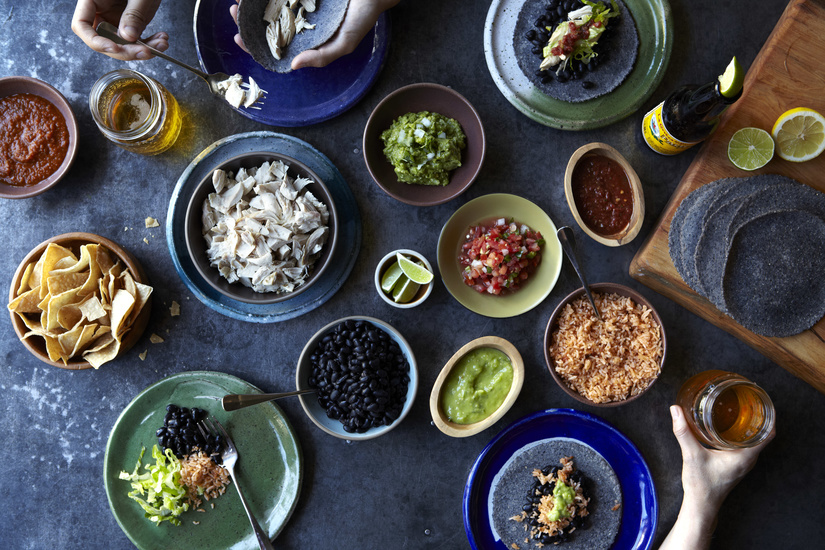
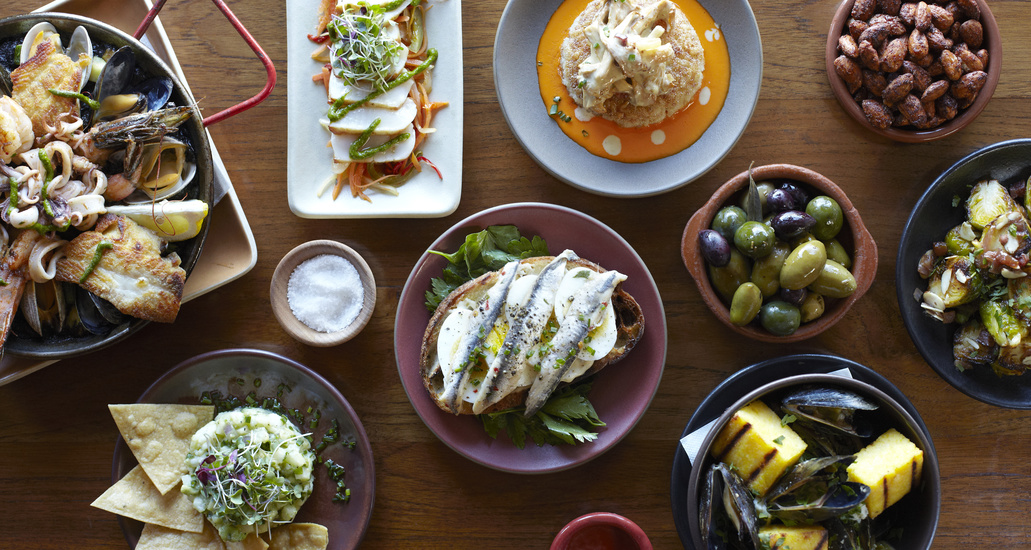
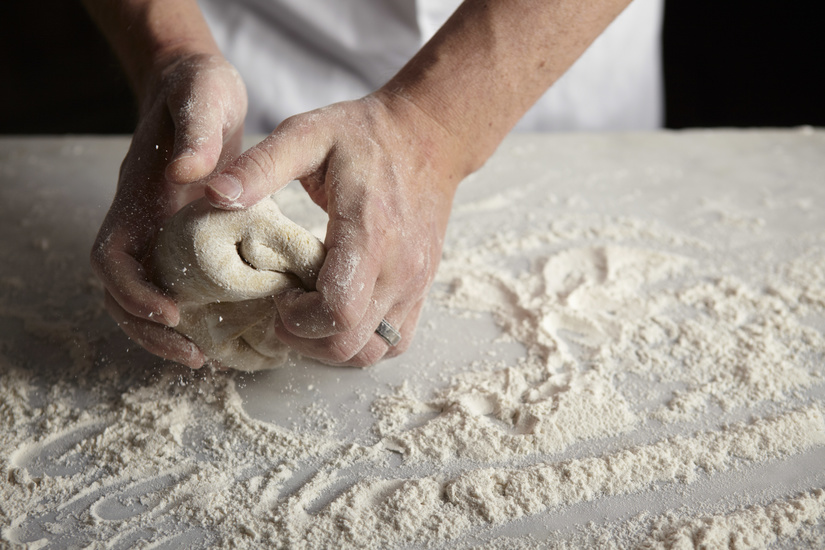
What good food photography does
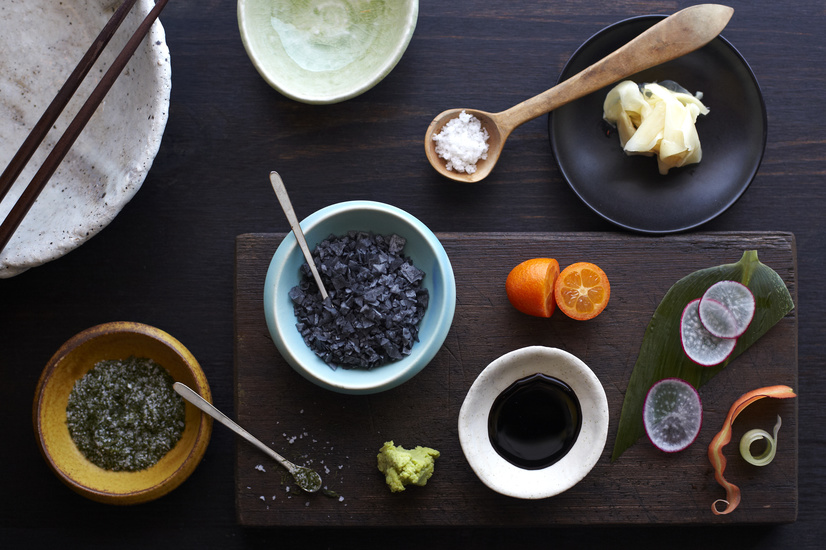
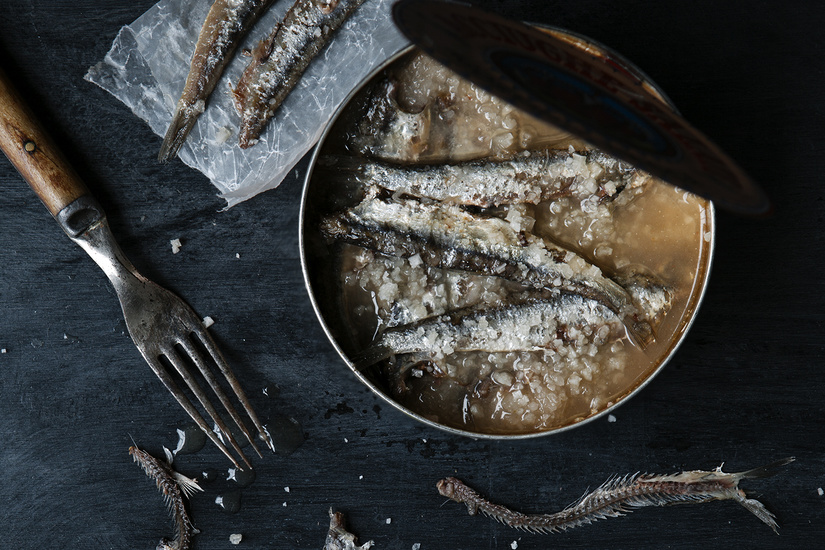
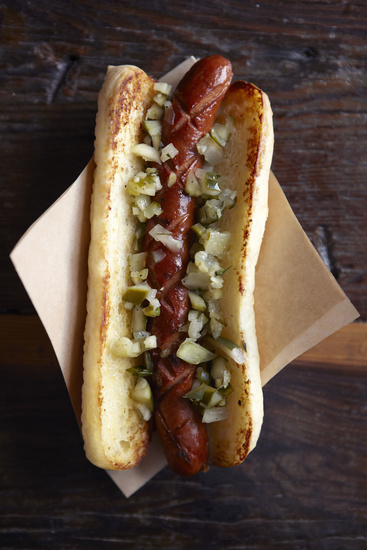
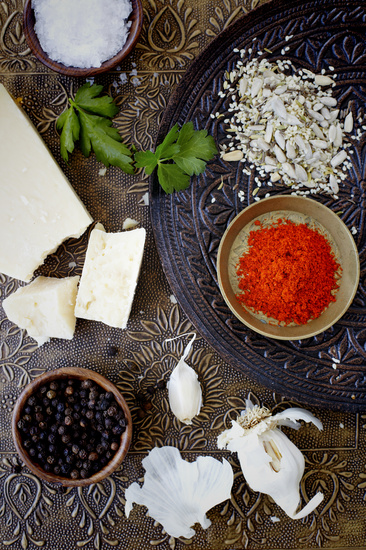
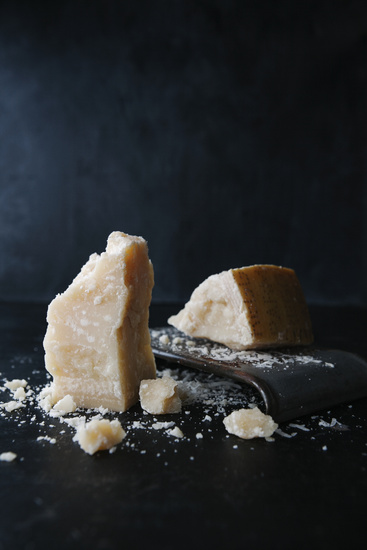
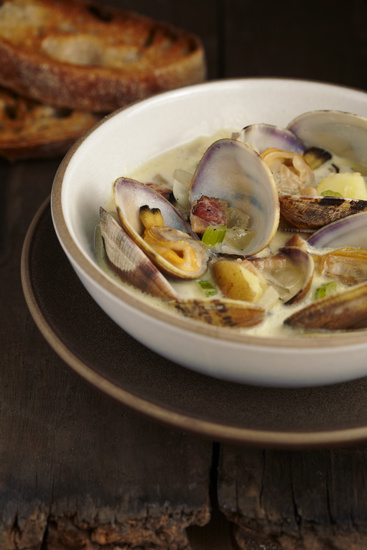
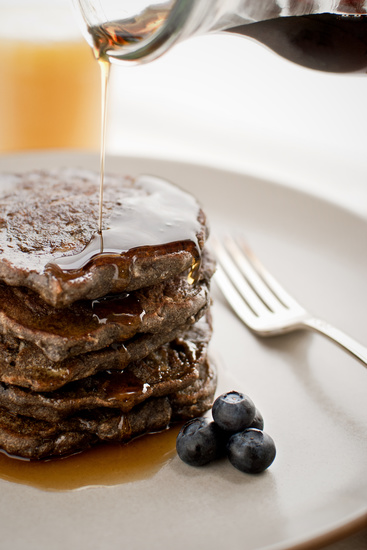
Strong food photography solves a set of practical problems. Highlights on sauce must look appetizing, not greasy. Bread needs crumb structure. Greens need life without looking plastic. Depth of field guides the eye to the hero bite. Color balance keeps whites clean and reds edible. Katie Newborn’s frames show that toolkit used with restraint. The light feels like a window or a soft fixture more often than a spectacle. Shadows stay present enough to give volume. Over-lit food looks like a catalog; under-lit food looks like a mystery. Her balance sits closer to hospitality than to clinical advertising glare.
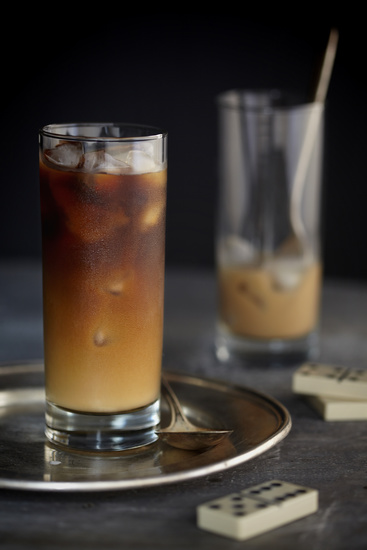
Props and surfaces matter, but they do not steal the subject. Wood, linen, ceramic, and glass appear as supporting players. Negative space gives the dish air. Cropping can be generous or tight, depending on whether the story is “the whole table” or “the detail that sells the recipe.” Either way, the photograph asks you to imagine the next second—lifting a fork, breaking a crust, sharing a plate. That anticipatory quality is a hallmark of editorial food work that still sells appetite without shouting.
That is the opposite job of food art sculpture. Edible illustration builds characters from ingredients; Katie Newborn’s photography builds desire and atmosphere around food as it is eaten and served. Both celebrate cuisine. Only one is primarily a photographic craft about light and storytelling through the lens. Keeping the genres distinct helps readers who land here from search: this page is about photographing meals, not sculpting them into cartoons.
Reading texture, temperature, and mood
Move through the gallery with a photographer’s checklist:
- Texture: Where does the eye feel crunch, cream, char, or glaze?
- Temperature cues: Steam, condensation, melted edges, chilled glass—signals of “now.”
- Hero bite: What is the sharpest plane? That is usually the invitation.
- Color weather: Warm wood against cool greens, golden sauces against white plates.
- Human scale: Even without a visible person, does the frame leave room for a hand?
Those questions keep attention on craft. Katie Newborn’s strength is not gimmick lighting; it is empathy for the subject. A dish is treated like a portrait—worthy of patience, flattering angles, and honest representation. When lifestyle elements enter—interiors, gatherings, the pause between courses—the same empathy extends to the people implied by the table. Mood is not a Instagram filter layered afterward; it is built from angle, depth of field, and the decision about how much mess to leave in.
Notice, too, what is absent. There is little reliance on floating badges, neon props, or visual noise. The food remains the main character. Supporting objects earn their place by clarifying context—breakfast, dinner, drink, share plate—not by competing for attention. That restraint is easier to admire than to copy when a client wants “more energy” in every corner.
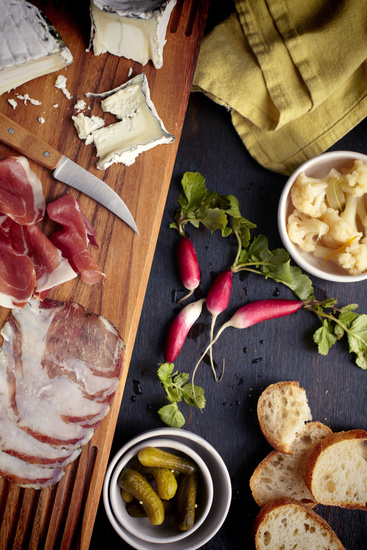
Studio habits that travel to any kitchen shoot
Whether you shoot for a blog or a brand, the lessons in these images travel well. Arrive with a clear hero for each setup. Keep a small kit of linens and boards so surfaces support rather than distract. Watch specular highlights on sauces—move a card or change angle before you over-retouch. Shoot a slightly wider frame and a tighter one; editors need options. Taste the food when you can; photographs improve when the photographer understands what “done” looks like on the plate.
Timing is another quiet skill. Food dies under lights: greens wilt, ice melts, fats congeal. Katie Newborn’s stronger frames feel captured inside a short window when texture still reads as fresh. That urgency is part of food photography’s craft, and it differs from leisurely still-life painting. Assistants, stylists, and chefs often share the clock. The photographer’s job is to know when the plate is ready for the shutter—and when it needs one more wipe, one less garnish, or a new angle instead of more retouching later.
Communication matters as much as gear. A clear brief about hero dish, audience, and usage (menu, campaign, editorial) prevents beautiful pictures that solve the wrong problem. Newborn’s Napa-to-Bay trajectory suggests a career built on that collaborative fluency: regional food culture as shared language between photographer and client.
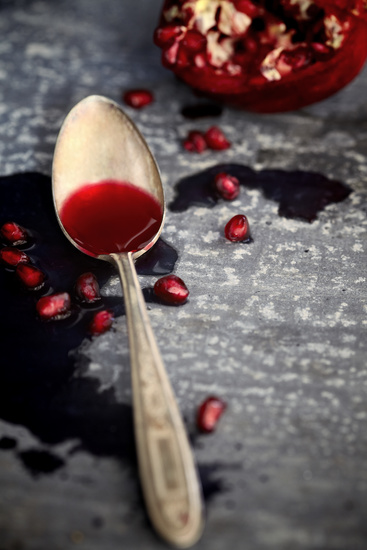
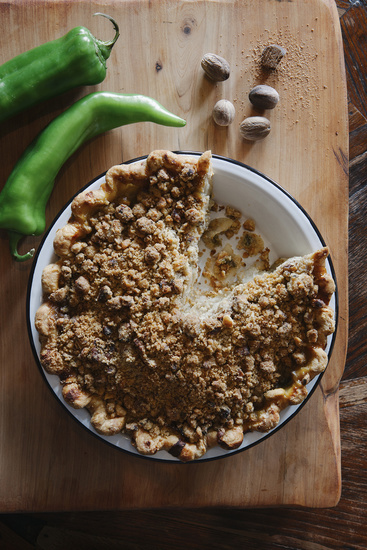
Return to the first image you liked and name three decisions that made it work—angle, light direction, and one prop that stayed out of the way. That small reverse-engineering exercise is the most useful souvenir from Katie Newborn’s food photography: appetite begins with noticing.

Comments
Continue reading
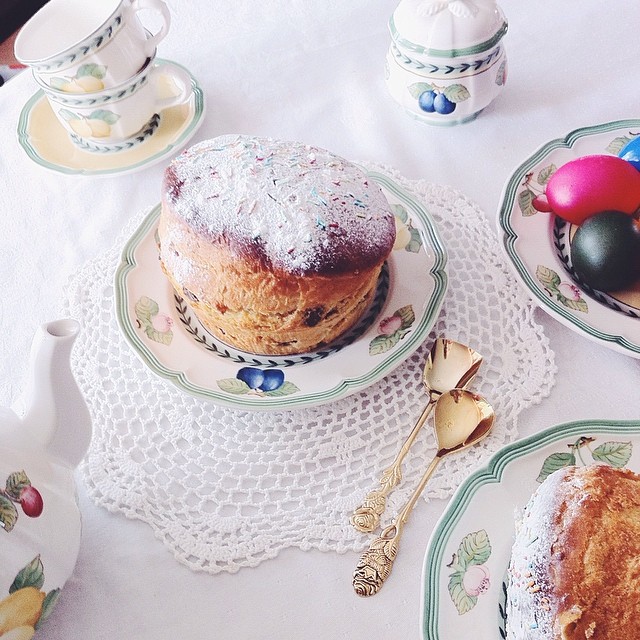
Svetlana Karner’s Food Photography: Appetite and Memory
Vienna-based photographer Svetlana Karner styles bright, nostalgic food images—plum cake included—where recipes feel like family stories.
Food Photography by Vanessa Dualib: Playful Produce Characters from São Paulo
Vanessa Dualib’s humorous food photography turns groceries into characters—craft, casting, and light behind the São Paulo artist’s playful stills.
Inspirational Food Photography: Light, Styling, and Appetite
How to shoot food that looks truly edible—sidelight, hero hierarchy, angles, props, and timing—so your plates inspire hunger instead of looking staged.